Decorative Bead Curtain
CN → US| HS Code | Tariff Rate | Origin | Destination | Doc |
|---|---|---|---|---|
| 3926400010 | 15.3% | CN | US | Official Doc |
| 7018105000 | 35.0% | CN | US | Official Doc |
| 3926903500 | 16.5% | CN | US | Official Doc |
| 7018905000 | 41.6% | CN | US | Official Doc |
| 7018105000 | 35.0% | CN | US | Official Doc |
Product Images
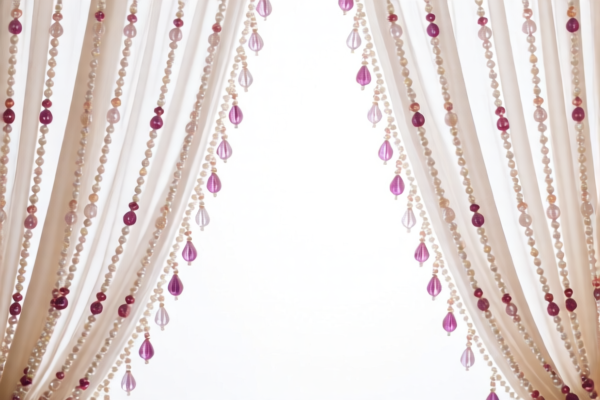

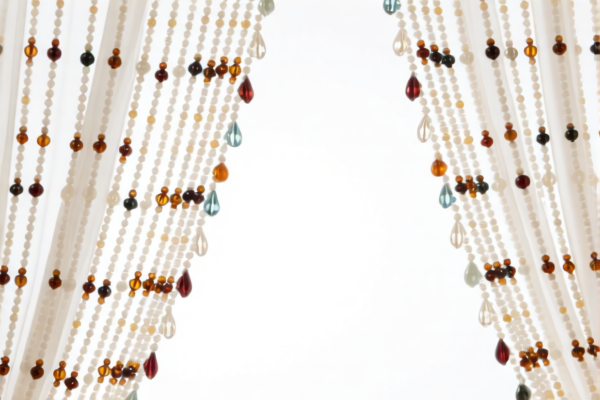
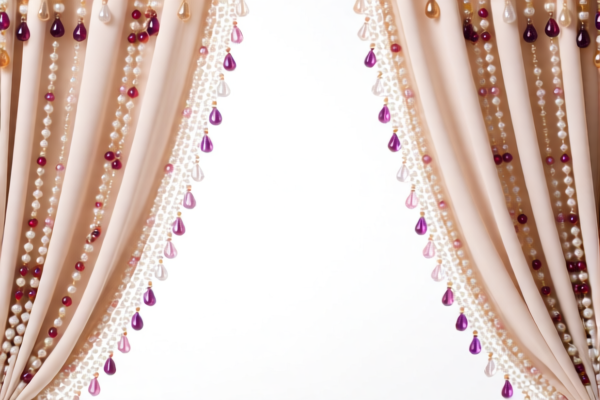
AI Analysis
📿 Decorative Bead Curtain (Beaded Drapes & Strands)
🌐 HS Code Reference & Customs Clearance Guide | 2026 Latest Tariff Analysis | Professional Entry Strategy
📌 I. Product Definition & Classification: What Exactly Is a "Bead Curtain"?
A Decorative Bead Curtain is a versatile interior design product used for room division, window dressing, or decorative accents. In international trade, the classification hinges entirely on Material Composition and Primary Function.
There are two distinct material paths: 1. Plastic/Synthetic Beads: Falls under Chapter 39 (Articles of Plastics). 2. Glass/Glass-like Beads: Falls under Chapter 70 (Glass and Glassware).
⚠️ Critical Distinction Point:
- If the beads are plastic or polymer-based → Look to Heading 3926.
- If the beads are glass, crystal, or "glass-like" (e.g., acrylic that mimics glass but classified as glass制品 in specific contexts per data) → Look to Heading 7018.
- Note: Customs often scrutinize "glass-like" plastics. However, based on the provided data, glass-based bead curtains attract significantly higher duties due to specific trade measures.
📦 II. HS Code Classification Details (2026 Latest Tariff Authority Match)
Based on the provided dataset, here are the precise HS Codes associated with Decorative Bead Curtains, categorized by material and tax implication.
| HS Code | Product Description | Material | Key Characteristics |
|---|---|---|---|
3926.40.00.10 |
Beaded Curtain / Decorative Beads | Plastic / Other | General decorative product; fits under decorative articles of plastics. |
3926.90.35.00 |
Beaded Curtain / Beads & Tube Beads | Plastic | Specific subset for beads/tube beads; plastic material attributes are non-conflicting. |
7018.10.50.00 |
Beaded Curtain / Beaded Drapes | Glass / Glass-like | Core material is glass beads or similar glass articles; non-jewelry decorative use. |
7018.90.50.00 |
Beaded Curtain | Glass | Classified under "Small articles of glass"; decorative small制品 characteristics. |
🔍 Key Insight:
- Plastic Bead Curtains (3926...) generally face lower additional tariffs (0% or low 301 tariffs).
- Glass Bead Curtains (7018...) face high additional tariffs (25% 301 tariff + 10% IEEPA tariff).
- Misclassification from Glass to Plastic (or vice versa) can lead to severe underpayment penalties or overpayment of duties.
💰 III. 2026 Latest Tariff Rate Breakdown (Including Add-Ons & Policy Surcharges)
✅ Applicable Country: United States (US)
✅ Origin: China (CN)
✅ Effective Time: Post-2025 Trade Policy Adjustments (including IEEPA Section 122 & Section 301)
🎯 1. 3926.40.00.10 —— Beaded Curtain (Plastic/Synthetic)
| Item | Detail |
|---|---|
| Base Duty Rate | 5.3% (Ad Valorem) |
| USITC 301 Add-On | 0.0% (No additional Section 301 tariff applied in this specific sub-heading per data) |
| IEEPA Section 122 Add-On | +10.0% (Specific surcharge for Chinese origin) |
| Total Effective Rate | 15.3% |
| Tax Calculation | CIF Value × 15.3% |
| De Minimis Eligibility | ❌ No (Subject to higher thresholds or exclusion for these categories) |
| Legal Basis Path | HS:3926.40.00.10 → Base:5.3% + IEEPA:10% |
📌 Explanation:
- This is the most cost-effective classification if the material is confirmed as plastic. - The "Section 122" 10% tariff is a specific administrative measure affecting Chinese imports. - Total 15.3% is manageable for high-margin decorative goods.
🎯 2. 3926.90.35.00 —— Beaded Curtain (Plastic Beads/Tube Beads Specific)
| Item | Detail |
|---|---|
| Base Duty Rate | 6.5% |
| USITC 301 Add-On | 0.0% |
| IEEPA Section 122 Add-On | +10.0% |
| Total Effective Rate | 16.5% |
| Tax Calculation | CIF Value × 16.5% |
| De Minimis Eligibility | ❌ No |
| Legal Basis Path | HS:3926.90.35.00 → Base:6.5% + IEEPA:10% |
📌 Explanation:
- Slightly higher base rate than3926.40.00.10due to specific "bead/tube bead" categorization. - Still benefits from 0% Section 301 status in this specific data slice. - Total 16.5% remains relatively low compared to glass alternatives.
🎯 3. 7018.10.50.00 —— Beaded Curtain (Glass/Glass-like)
| Item | Detail |
|---|---|
| Base Duty Rate | 0.0% |
| USITC 301 Add-On | +25.0% (High Section 301 tariff for glass articles) |
| IEEPA Section 122 Add-On | +10.0% |
| Total Effective Rate | 35.0% |
| Tax Calculation | CIF Value × 35.0% |
| De Minimis Eligibility | ❌ No |
| Legal Basis Path | HS:7018.10.50.00 → Base:0% + USITC:25% + IEEPA:10% |
📌 Warning:
- Despite 0% base duty, the 35% total tariff is prohibitive for low-cost items. - The 25% is a standard Section 301 penalty on many glass articles from China. - Total 35% must be factored into pricing strategies immediately.
🎯 4. 7018.90.50.00 —— Beaded Curtain (General Glass Small Articles)
| Item | Detail |
|---|---|
| Base Duty Rate | 6.6% |
| USITC 301 Add-On | +25.0% |
| IEEPA Section 122 Add-On | +10.0% |
| Total Effective Rate | 41.6% |
| Tax Calculation | CIF Value × 41.6% |
| De Minimis Eligibility | ❌ No |
| Legal Basis Path | HS:7018.90.50.00 → Base:6.6% + USITC:25% + IEEPA:10% |
📌 Critical Note:
- This is the most expensive classification (41.6%). - Applies to "other small articles of glass" that don't fit the specific beaded drapes sub-heading. - Risk: High customs scrutiny on glass imports from China.📌 Summary of Glass Classification (
7018.10.50.00&7018.90.50.00):
- Even if the base duty is low or zero, the 35-41.6% total tax makes these imports highly sensitive to price. - The 25% 301 tariff is the dominant cost driver.
🛠️ IV. Customs Clearance Practical Advice (Battle-Tested Pitfall Guide)
✅ 1. Document Preparation Checklist (Non-Negotiable)
| Document | Required? | Purpose |
|---|---|---|
| ✅ Material Declaration Letter | ✔️ Critical | Explicitly state: "100% Plastic" or "100% Glass/Crystal". Customs will test for this. |
| ✅ Product Photos (Close-up) | ✔️ | Show bead texture, flexibility (plastic bends, glass doesn't), and packaging. |
| ✅ Bill of Lading / Invoice | ✔️ | Description must match HS Code logic. E.g., "Plastic Decorative Bead Curtain" vs. "Glass Bead Curtain". |
| ✅ Chain/String Material Info | ✔️ | If beads are glass but string is metal/plastic, the primary character (beads) usually dictates classification. |
| ✅ Origin Certificate | ✔️ | To verify Chinese origin for IEEPA/301 application. |
✅ 2. Declaration Strategy (Key Mantras)
🔥 “Material is King, Code follows Material, Don't Guess, Verify!”
| Scenario | Correct Declaration | Risk if Incorrect |
|---|---|---|
| Plastic Beads | Declare as 3926.40.00.10 or 3926.90.35.00 |
If misclassified as Glass → 35-41.6% penalty + potential fraud charges. |
| Glass Beads | Declare as 7018.10.50.00 |
If misclassified as Plastic → Underpayment of ~20% → Seizure, fines, and entry refusal. |
| Mixed Materials | Identify Primary Material | If beads are 90% glass, classify as Glass. Minor string material doesn't change chapter. |
| "Crystal" Beads | Clarify Composition | "Acrylic Crystal" might be plastic (3926) if it doesn't meet legal definition of glass. "Lead Crystal" is Glass (7018). |
✅ 3. Special Handling for "Glass-Like" Items
| Situation | Advice |
|---|---|
| Acrylic Beads marketed as "Glass" | Provide technical spec sheet confirming Polymethyl Methacrylate (PMMA) or similar plastic. Aim for 3926 to save ~20% tax. |
| True Glass Beads | Accept the 35-41.6% tax. Do not attempt to misclassify as plastic. |
| Beads on Wire vs. String | Both are decorative. Focus on bead material. Wire/String is secondary. |
🌍 V. Global Market Comparison (2026 Context)
| Region | Recommended HS Code (Plastic) | Estimated Duty (Plastic) | Recommended HS Code (Glass) | Estimated Duty (Glass) | Note |
|---|---|---|---|---|---|
| 🇺🇸 USA | 3926.40.00.10 |
15.3% | 7018.10.50.00 |
35.0% | High USITC/IEEPA impact on Glass. |
| 🇨🇳 China (Import) | 3926.90.99.00 (Est.) |
~5-10% | 7018.90.99.00 (Est.) |
~10-15% | Lower base duties, no 301/IEEPA. |
| 🇪🇺 EU | 3926.90.97 |
~4% | 7018.90.98 |
~4% | No Section 301/IEEPA equivalents, but anti-dumping checks may apply. |
📌 Conclusion:
- USA is the most tax-sensitive market for Chinese-origin bead curtains due to the 301/IEEPA combination.
- Plastic is the strategic material for cost optimization in the US market.
📌 VI. Common Errors & Pitfalls (Lessons Learned)
❌ Error 1: Calling all beads "Crystals" to sound premium, leading Customs to assume Glass (7018).
👉 Result: If not actually glass, you risk under-declaration. If it is acrylic, fight for 3926 to save money, but ensure documentation supports "Plastic".
❌ Error 2: Splitting shipment (Part plastic, part glass) to avoid high taxes.
👉 Result: Customs will inspect each piece. Glass portion taxed at 35-41.6%. Total cost higher due to increased administrative fees and scrutiny.
❌ Error 3: Ignoring the "String" material.
👉 Result: If the string is metal, it doesn't change the bead classification, but if the "beads" are just metal washers, it might fall under 7326 (Metal Articles). Ensure product is indeed "Beads".
✅ Correct Approach:
"Plastic Decorative Bead Curtain, 50 inches, Assorted Colors, For Window/Door Decoration, Made of PP Material"
🎯 VII. Conclusion: Professional Classification, Cost Control, Smooth Customs!
🎯 Remember the Mantra:
🔹 "Plastic Pays Less (15-16%), Glass Pays More (35-41%)!"
🔹 "Check Material, Check Code, Check Tariff, Sleep Well!"
📌 Pro Tip:
If your product is Made in Vietnam, Thailand, or Malaysia, you may be exempt from IEEPA Section 122 and potentially Section 301.
👉 Action: Verify Country of Origin. If non-China origin, Duty could drop to 5-10% regardless of Glass/Plastic material (subject to specific bilateral agreements).
📣 Immediate Action:
📞 Consult a Licensed Customs Broker + Submit Sample for Material Testing + Apply for Binding Ruling if possible.
🚀 Optimize your Supply Chain: Choose Material Wisely, Declare Accurately, Protect Your Margins!
✨ Professional Customs Clearance Starts with Precise Classification!
💼 Every Percent of Duty Saved is Pure Profit Added!
Customer Reviews
About HS Code Classification
The Harmonized System (HS) is an internationally standardized nomenclature developed by the World Customs Organization (WCO) to classify traded products. Over 200 countries use the HS system as the basis for customs tariffs, trade statistics, and import/export regulations.
Each HS code follows a hierarchical structure:
- Chapter (2 digits) — Broad category of goods (e.g., Chapter 84: Machinery and Mechanical Appliances)
- Heading (4 digits) — More specific grouping within the chapter
- Subheading (6 digits) — Internationally standardized breakdown, used by all WCO member countries
- National subdivisions (8-10 digits) — Country-specific extensions for further classification, such as US HTSUS 10-digit codes
Correct HS code classification is essential for smooth customs clearance, accurate duty payment, and compliance with trade regulations. Misclassification can lead to customs delays, overpayment of duties, or penalties.
When importing from CN to US, the applicable tariff rates may include:
- Most-Favored-Nation (MFN) rate — The standard duty rate applied to WTO members
- General rate — Applied to countries without trade agreements
- Trade remedy duties — Additional tariffs such as Section 301 (anti-dumping), Section 232 (national security), or countervailing duties
The information provided on this page is for reference purposes only. For official classification, please consult with your local customs authority or a licensed customs broker.