Decorative Rattan Rods
CN → US| HS Code | Tariff Rate | Origin | Destination | Doc |
|---|---|---|---|---|
| 9703900000 | 17.5% | CN | US | Official Doc |
| 9703100000 | 17.5% | CN | US | Official Doc |
| 4421919880 | 38.3% | CN | US | Official Doc |
| 4421999880 | 38.3% | CN | US | Official Doc |
| 4602124500 | 41.6% | CN | US | Official Doc |
Product Images
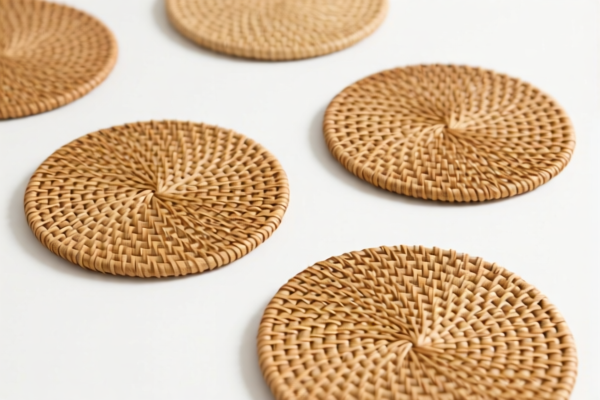
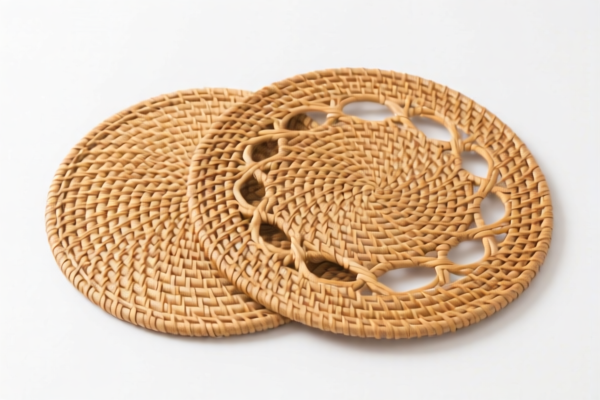
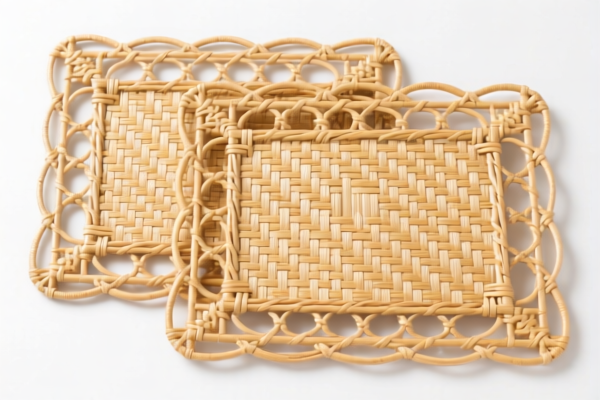
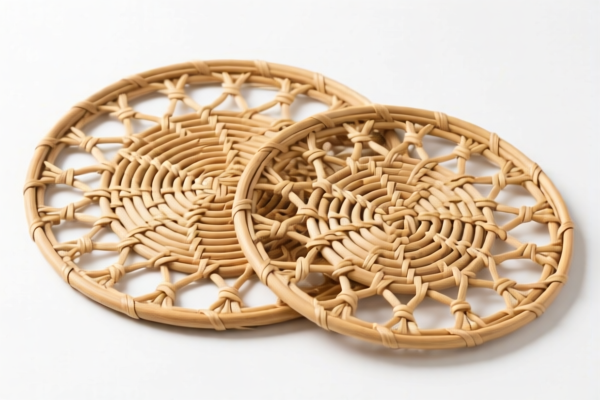
AI Analysis
🌿 Decorative Rattan Rods (藤条装饰杆/藤质装饰件)
🌐 HS Code Classification & Customs Clearance Guide | 2026 Latest Tariff Analysis | Professional Clearance Strategy
📌 I. Product Definition & Classification: What Are "Decorative Rattan Rods"?
Decorative Rattan Rods are artistic or ornamental items crafted from natural rattan vines. In international trade, their classification depends heavily on whether they are treated as Artworks, Wooden Articles, or Woven Products. The key distinction lies in the degree of processing and the primary intent (artistic display vs. structural weaving material).
⚠️ Key Distinction Points:
- If the item is a sculpture/statue or purely decorative art piece → Potential Chapter 97 (Artworks).
- If the item is a natural plant fiber processed into decorative shapes without weaving → Potential Chapter 44 (Wood and Articles of Wood).
- If the item is woven or braided → Potential Chapter 46 (Articles of Vegetables Fibres).
📦 II. HS Code Classification Details (2026 Latest Tariff Authority Comparison)
Based on the specific characteristics of "Decorative Rattan Rods," here are the four most likely HS Code classifications, ranging from lowest to highest tariff impact.
| HS Code | Product Description | Applicability Scenario | Tariff Risk Level |
|---|---|---|---|
9703.90.00.00 |
Sculptures and statuettes of all materials (incl. rattan) | Artistic Sculptures: If the rod is shaped into a unique artistic form (statue/sculpture) rather than a raw material. | 🟢 Low (Base Tax 0%) |
9703.10.00.00 |
Original engravings, prints and lithographs (Less Likely) | Note: Data suggests this may apply if interpreted as "artistic form." Usually for prints, but data implies artistic intent. | 🟢 Low (Base Tax 0%) |
4421.91.98.80 |
Wooden articles for table/kitchenware or other specific uses | Decorative Wood Articles: If treated as a wooden decorative item (e.g., rattan trim, decorative stick) not specifically for weaving. | 🔴 High (Base Tax 3.3%) |
4421.99.98.80 |
Other wooden articles (non-specific use) | General Wooden Articles: If rattan is classified as wood/fiber and not for weaving or specific crafts. | 🔴 High (Base Tax 3.3%) |
4602.12.45.00 |
Articles of rattan, bamboo, or other plaiting materials | Woven/Braided Items: If the "rod" is actually a woven braid or plaited structure used for decoration. | 🔴🔴 Very High (Base Tax 6.6%) |
🔍 Critical Insight:
- Chapter 97 is the only chapter with 0% Base Tariff for these goods. This applies if the item is deemed an artistic sculpture or decorative art.
- Chapters 44 & 46 treat rattan as a commodity/wood/fiber, attracting significant base tariffs plus punitive add-ons.
- Misclassification Risk: Declaring an artistic rattan sculpture as "Woven Rattan" (4602.12.45.00) increases total tax from 17.5% to 41.6%—a 24.1% difference!
💰 III. 2026 Latest Tariff Rate Breakdown (Including Add-ons & Policy Surcharges)
✅ Applicable Country: United States (US)
✅ Origin: China (CN)
✅ Effective Date: November 10, 2025 onwards
🎯 1. 9703.90.00.00 & 9703.10.00.00 —— Artistic Sculptures/Artworks
| Item | Content |
|---|---|
| Base Tariff | 0.0% (Ad Valorem) |
| USITC Add-on Tariff (Section 301) | +7.5% |
| IEEPA Add-on Tariff (122 Clause) | +10.0% |
| Total Effective Tax Rate | 17.5% |
| Tax Calculation | CIF Value × 17.5% |
| De Minimis Exemption Eligible? | ❌ No (High-value artistic goods often scrutinized) |
| Legal Basis Path | USITC:9703.90.00.00 → IEEPA:9903.01.25 → FOOTNOTE:9903.88.01 |
📌 Explanation:
- Base Tariff 0%: Recognizes the item as an artistic creation, not a raw material.
- Section 301 (7.5%): Standard USITC surcharge on Chinese goods.
- IEEPA 10%: Additional tariff under Section 122 (or similar executive order) targeting specific Chinese imports.
- Total 17.5%: This is the most cost-effective classification for decorative rattan artworks.
🎯 2. 4421.91.98.80 & 4421.99.98.80 —— Other Wooden Articles
| Item | Content |
|---|---|
| Base Tariff | 3.3% |
| USITC Add-on Tariff (Section 301) | +25.0% |
| IEEPA Add-on Tariff (122 Clause) | +10.0% |
| Total Effective Tax Rate | 38.3% |
| Tax Calculation | CIF Value × 38.3% |
| De Minimis Exemption Eligible? | ❌ No |
| Legal Basis Path | USITC:4421.99.98.80 → IEEPA:9903.01.25 → FOOTNOTE:9903.88.01 |
📌 Warning:
- The 25% Section 301 tariff is the primary driver here.
- Total tax 38.3% is more than double the art classification.
- Only applies if the item is not considered art but rather a wooden decorative good.
🎯 3. 4602.12.45.00 —— Woven/Plaited Rattan Articles
| Item | Content |
|---|---|
| Base Tariff | 6.6% |
| USITC Add-on Tariff (Section 301) | +25.0% |
| IEEPA Add-on Tariff (122 Clause) | +10.0% |
| Total Effective Tax Rate | 41.6% |
| Tax Calculation | CIF Value × 41.6% |
| De Minimis Exemption Eligible? | ❌ No |
| Legal Basis Path | USITC:4602.12.45.00 → IEEPA:9903.01.25 → FOOTNOTE:9903.88.01 |
📌 Warning:
- Highest total tax rate among the options.
- Applies if the "rod" is interpreted as a woven braid or plaited material rather than a solid decorative piece.
- Base tariff is higher (6.6%) due toChapter 46 specifics.
🛠️ IV. Customs Clearance Practical Advice (Avoid Pitfalls)
✅ 1. Documentation Checklist (Essential)
| Document | Required? | Description |
|---|---|---|
| ✅ Product Photographs | ✔️ | Must clearly show artistic features, texture, and non-structural form. |
| ✅ Artist/Designer Statement | ✔️ | Confirming the item is a "sculpture" or "artistic decoration," not raw material. |
| ✅ Bill of Materials | ✔️ | Specify "Natural Rattan Vine," "Dried," "Shaped." Avoid terms like "weaving material" if possible. |
| ✅ Commercial Invoice | ✔️ | Describe as: "Decorative Rattan Sculpture/Statue (Artistic Craft)" NOT "Rattan Rods for Weaving." |
| ✅ HS Code Pre-ruling Request | ✔️ | Highly recommended to secure 9703.90.00.00 classification in advance. |
✅ 2. Declaration Strategy (Critical Keywords)
🔥 "Art Over Material, Sculpture Not Stick, Avoid Chapter 44-46!"
| Scenario | Correct Declaration | Incorrect Declaration |
|---|---|---|
| Artistic Shape | "Decorative Rattan Sculpture, Hand-carved, Art Piece" |
"Rattan Rods, Raw Material" |
| Woven Texture | "Decorative Woven Rattan Art Panel" |
"Rattan Braids for Flooring" |
| Chapter 97 Claim | Emphasize "Artistic Creation," "Statue," "Sculpture" | Emphasize "Fiber," "Wood," "Weaving Supply" |
| HS Code | 9703.90.00.00 |
4602.12.45.00 or 4421.99.98.80 |
✅ 3. Special Case Handling
| Situation | Advice |
|---|---|
| Mixed Shipments | If artistic items are mixed with raw rattan strips, split the shipment or declare separately to avoid contamination of the art classification. |
| Customs Scrutiny | If CBP questions the "art" nature, provide design sketches, artist CV, and gallery exhibition photos. |
| Packaging | Use premium, museum-style packaging to reinforce the "art product" identity. Avoid industrial bulk packaging. |
| Value Declaration | Ensure the declared value reflects the artistic premium, not just material cost. Low values may trigger "undervaluation" audits. |
🌍 V. Global Market Comparison (2026 Latest)
| Country/Region | Recommended HS Code | Total Tax Rate (CN Origin) | Notes |
|---|---|---|---|
| 🇺🇸 USA | 9703.90.00.00 |
17.5% | Best option for art. Avoid 4602 (41.6%). |
| 🇪🇺 EU | 9703.90.00.00 |
~0-10% (Varies) | EU generally favors artistic goods. Verify local customs. |
| 🇨🇳 China | 9703.90.00.00 |
~5-10% | Export tax rebates may apply. |
| 🇬🇧 UK | 9703.90.00.00 |
0-10% | Post-Brexit rules apply, but art goods often favored. |
📌 Conclusion:
- USA is the most critical market for tariff optimization.
- Chapter 97 is the golden ticket for reducing tax from 41.6% to 17.5%.
- Misclassification as wood/weaving material leads to high compliance costs.
📌 VI. Common Mistakes & Pitfalls (Lessons Learned)
❌ Mistake 1: Calling "Decorative Rattan Rods" as "Raw Rattan Sticks"
👉 Consequence: Classified under 4421 or 4602 → Tax jumps from 17.5% to 38-41%.
❌ Mistake 2: Ignoring the Artistic Intent in Documentation
👉 Consequence: Customs views it as industrial material → Penalties + Back Taxes.
❌ Mistake 3: Using Generic Descriptions like "Rattan Product"
👉 Consequence: CBP assigns worst-case HS Code → Maximum Duty + Delays.
❌ Mistake 4: Failing to Pre-ruling for High-Value Art
👉 Consequence: Unclear classification leads to audits at port.
✅ Correct Approach:
"Decorative Rattan Sculpture, Handcrafted, Artistic Decoration, Not for Weaving or Construction, Model XYZ, Origin China"
🎯 VII. Conclusion: Precision Classification, Maximum Savings!
🎯 Remember the Mantra:
🔹 "Art is Art, Not Wood. 9703 saves you 24%. Don't be a Stick, Be a Sculpture!"
🔹 "Chapter 97 is Free Base. Chapter 44-46 is Costly. Choose Wisely."
📌 Pro Tip:
If your decorative rattan items are handcrafted by an artist or sold as limited edition art, they are strong candidates for Chapter 97.
Recommendation:
1. Photograph the artistic details.
2. Draft a clear "Art Statement."
3. Apply for an Advance Ruling from CBP to lock in 9703.90.00.00.
4. Declare accurately to avoid 41.6% tax.
📣 Take Action Now:
📞 Consult Customs Brokers + Provide Art Documentation + Secure HS Code Pre-ruling
🚀 Ensure your Decorative Rattan Rods clear customs smoothly, minimize taxes, and maximize profits!
✨ Professional Clearance Starts with Accurate Classification!
💼 Every Percent in Tax is a Percent in Profit Lost!
Customer Reviews
About HS Code Classification
The Harmonized System (HS) is an internationally standardized nomenclature developed by the World Customs Organization (WCO) to classify traded products. Over 200 countries use the HS system as the basis for customs tariffs, trade statistics, and import/export regulations.
Each HS code follows a hierarchical structure:
- Chapter (2 digits) — Broad category of goods (e.g., Chapter 84: Machinery and Mechanical Appliances)
- Heading (4 digits) — More specific grouping within the chapter
- Subheading (6 digits) — Internationally standardized breakdown, used by all WCO member countries
- National subdivisions (8-10 digits) — Country-specific extensions for further classification, such as US HTSUS 10-digit codes
Correct HS code classification is essential for smooth customs clearance, accurate duty payment, and compliance with trade regulations. Misclassification can lead to customs delays, overpayment of duties, or penalties.
When importing from CN to US, the applicable tariff rates may include:
- Most-Favored-Nation (MFN) rate — The standard duty rate applied to WTO members
- General rate — Applied to countries without trade agreements
- Trade remedy duties — Additional tariffs such as Section 301 (anti-dumping), Section 232 (national security), or countervailing duties
The information provided on this page is for reference purposes only. For official classification, please consult with your local customs authority or a licensed customs broker.