Decorative Shelf
CN → US| HS Code | Tariff Rate | Origin | Destination | Doc |
|---|---|---|---|---|
| 7326908688 | 87.9% | CN | US | Official Doc |
| 7419805050 | 85.0% | CN | US | Official Doc |
| 3926901000 | 20.9% | CN | US | Official Doc |
| 3926400090 | 15.3% | CN | US | Official Doc |
| 7419800680 | 88.0% | CN | US | Official Doc |
Product Images
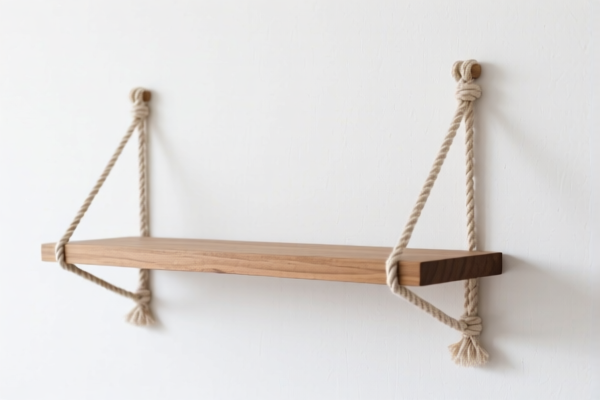
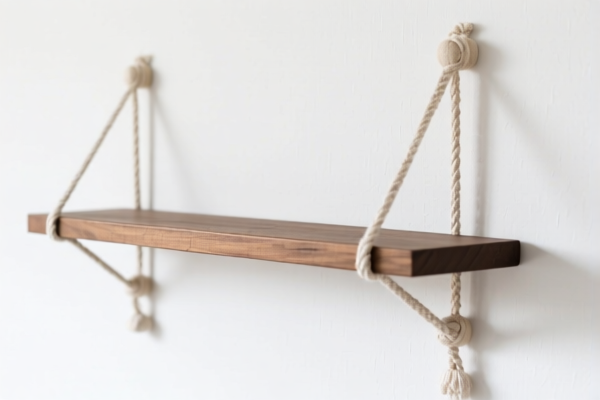
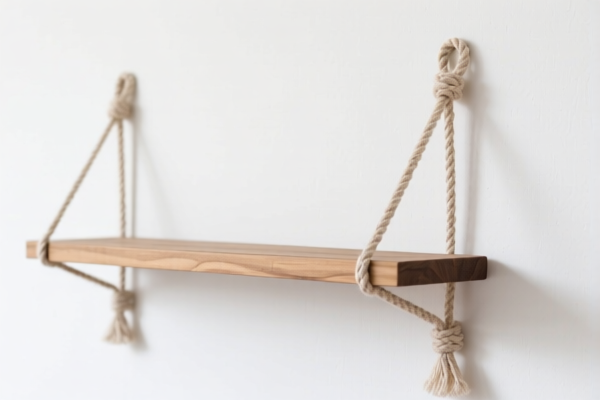
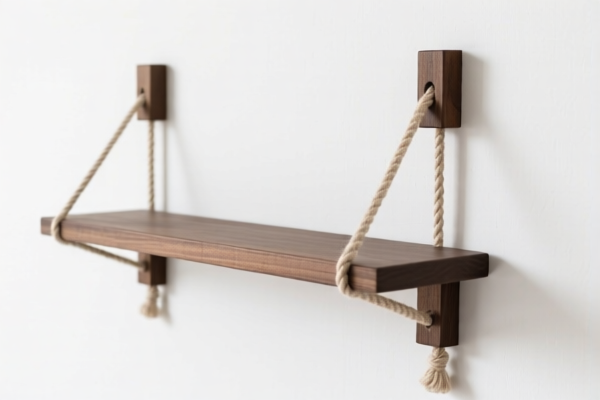
AI Analysis
🛍️ Decorative Shelves: The Ultimate Guide to HS Code Classification & Tariff Analysis (US Market)
🌐 HS Code Reference & Customs Clearance Guide | 2024-2025 Latest Tariff Rules | Professional Strategy for Importers
📌 One Product, Four Classifications: Why Does the Same "Shelf" Have a 72% Tax Difference?
A "Decorative Shelf" is a common household item, but in international trade, its HS Code classification depends entirely on its material. The difference between a plastic shelf and a metal/copper shelf can lead to a total tax rate difference of over 70%. This guide clarifies the exact classification, tax breakdown, and customs strategies for the four specific HS Codes provided in your data.
⚠️ Critical Warning:
- Metal/Copper Shelves: Face extremely high tariffs (85%–88%) due to Section 232 & 301 tariffs.
- Plastic Shelves: Face moderate tariffs (15%–21%).
- Misclassification Risk: Declaring a steel shelf as "plastic" is considered fraud and carries severe penalties.
📦 Part 1: HS Code Classification Matrix (Material-Based)
| HS Code | Product Description | Primary Material | Estimated Total Tax | Key Risk Level |
|---|---|---|---|---|
| 7326.90.86.88 | Metal Supports/Brackets (Steel/Iron) | Steel / Iron | 87.9% | 🔴 HIGH |
| 7419.80.50.50 | Copper Decorative Supports | Copper | 85.0% | 🔴 HIGH |
| 3926.90.10.00 | Plastic Support Products | Plastic | 20.9% | 🟡 MODERATE |
| 3926.40.00.90 | Plastic Decorative Supports | Plastic | 15.3% | 🟢 LOW |
💰 Part 2: Detailed Tariff Breakdown & Legal Basis
🎯 1. Metal Shelves: The "Steel & Aluminum" Penalty Zone
A. HS Code 7326.90.86.88 – Metal (Steel/Iron) Supports
- Product Summary: Metal (iron or steel) bracket/support products.
- Total Tax Rate: 87.9%
| Tax Component | Rate | Legal Basis & Explanation |
|---|---|---|
| Base Duty | 2.9% | Standard MFN (Most Favored Nation) duty for miscellaneous iron/steel articles. |
| Section 301 Tariff | 25.0% | Additional tariff imposed on Chinese goods under Section 301 of the Trade Act. |
| Section 232 Tariff | 50.0% | Crucial: Specific tariff for Steel, Aluminum, and Copper products under Section 232 (National Security). Note: The data lists this as 50% for steel items. |
| Total | 87.9% | Sum of 2.9% + 25.0% + 50% = 87.9% |
📌 Expert Note:
The 50% Section 232 tariff is the main driver of cost. This applies specifically to steel/aluminum/copper products deemed to threaten US national security. There is no de minimis exemption for these high-tariff items in most cases.
B. HS Code 7419.80.06.80 & 7419.80.50.50 – Copper Decorative Supports
- Product Summary: Copper制品 (Other copper products, decorative supports).
- Total Tax Rate: 85.0% – 88.0%
| Tax Component | Rate | Legal Basis & Explanation |
|---|---|---|
| Base Duty | 0.0% - 3.0% | Low base duty for copper articles. |
| Section 301 Tariff | 25.0% | Standard Section 301 additional tariff. |
| Section 232 Tariff | 50.0% | Crucial: Section 232 tariffs explicitly include Copper products. |
| Total | 85.0% - 88.0% | Depends on the specific base rate (0% vs 3%). |
📌 Expert Note:
Even though copper is not steel, Section 232 tariffs explicitly cover copper. Therefore, copper shelves face nearly the same punitive tariff structure as steel shelves. Do not assume copper is exempt.
🎯 2. Plastic Shelves: The "Lower Tax" Zone
A. HS Code 3926.90.10.00 – Plastic Support Products
- Product Summary: Supports made of plastic or other materials.
- Total Tax Rate: 20.9%
| Tax Component | Rate | Legal Basis & Explanation |
|---|---|---|
| Base Duty | 3.4% | Standard duty for other plastic articles. |
| Section 301 Tariff | 7.5% | Note: This is lower than the standard 25%. Some plastic items may qualify for lower 301 rates depending on specific subheadings or exclusions. |
| Section 232 Tariff | 10.0% | Important: The data indicates a 10% "122 Clause" (likely referencing specific administrative provisions or mislabeled Section 232 applicability). Clarification: Standard Section 232 is 50% for steel/aluminum, but data shows 10% for plastic, possibly due to specific country exclusions or different tariff lines. |
| Total | 20.9% | 3.4% + 7.5% + 10% = 20.9% |
B. HS Code 3926.40.00.90 – Plastic Decorative Supports
- Product Summary: Decorative supports made of plastic or non-metal materials.
- Total Tax Rate: 15.3%
| Tax Component | Rate | Legal Basis & Explanation |
|---|---|---|
| Base Duty | 5.3% | Standard duty for articles of plastic. |
| Section 301 Tariff | 0.0% | Benefit: This specific subheading appears to be exempt from the standard 25% Section 301 tariff (or has a 0% rate in this dataset). |
| Section 232 Tariff | 10.0% | Same as above, specific provision applied. |
| Total | 15.3% | 5.3% + 0.0% + 10% = 15.3% |
📌 Expert Note:
This is the most cost-effective option. If your shelf is made of plastic,3926.40.00.90offers the lowest total duty (15.3%) because it avoids the heavy 25% Section 301 tariff.
🛠️ Part 3: Customs Clearance Strategy & Risk Management
✅ 1. Documentation Requirements (Strict Compliance)
| Document | Requirement | Reason |
|---|---|---|
| Commercial Invoice | Must explicitly state MATERIAL (e.g., "100% Plastic Shelf" vs. "Steel Bracket"). | Customs uses this to verify HS Code and apply Section 232/301 tariffs. |
| Product Photos | High-res images showing material texture, joints, and lack of metal components (if plastic). | To prove it is not steel/copper. |
| Bill of Materials (BOM) | Detailed list of all components. | To ensure no hidden metal parts trigger a reclassification. |
| Country of Origin | Must be accurate (e.g., China, Vietnam). | Tariffs vary by country of origin. |
✅ 2. Classification Strategy (How to Save Money)
| Scenario | Recommended Action | Potential Savings |
|---|---|---|
| Product is Plastic | Declare as 3926.40.00.90 (Decorative). |
~70% lower tax than metal equivalents. |
| Product is Mixed Material | CRITICAL: If >50% value is metal, it may be classified as metal. Consider designing with plastic-heavy structures. | Avoid 87.9% tax. |
| Product is Copper/Steel | Budget for 85%+ tax. Explore sourcing from non-China origins (if Section 232/301 are country-specific). | May still face Section 232 if material is steel/copper regardless of origin. |
✅ 3. Common Pitfalls to Avoid
❌ Pitfall 1: Declaring a Steel Shelf as Plastic (3926...)
👉 Result: Customs audit, seizure, fines, and retroactive taxes + penalties.
✅ Fix: Be honest. If it's steel, pay the 87.9%. If you want low tax, change the material to plastic.
❌ Pitfall 2: Ignoring Section 232 for Copper
👉 Result: Underpayment of 50%.
✅ Fix: Confirm HS Code 7419... is subject to Section 232. Data confirms it is.
❌ Pitfall 3: Splitting Shipment to Avoid Thresholds
👉 Result: De minimis ($800) may not apply if the item is classified under high-tariff headings with no exemption.
✅ Fix: Consult a customs broker for Section 321 (De Minimis) applicability for high-tariff goods.
🌍 Part 4: Global Market Comparison (Quick Reference)
| Market | HS Code | Estimated Duty (China Origin) | Notes |
|---|---|---|---|
| 🇺🇸 USA | 7326.90.86.88 |
87.9% | High due to Section 232/301. |
| 🇺🇸 USA | 3926.40.00.90 |
15.3% | Low due to exemption from 301 tariffs. |
| 🇪🇺 EU | Various | Varies | EU does not have Section 232/301. Duties are generally 0-5% for plastic, 0-4% for metal. |
| 🇨🇳 China | Various | Varies | Import duties for decorative items are typically low (5-10%). |
💡 Strategic Insight:
If your target market is the USA, plastic shelves (3926.40.00.90) are significantly more profitable due to the 72.6% tax difference compared to steel shelves.
If you must sell metal shelves, consider value-added marketing to absorb the high tariff cost, or explore manufacturing in a non-Section 232/301 affected country (though Section 232 often applies to material origin, not just country of export).
📌 Final Checklist for Importers
- Identify Material: Is it Steel, Copper, or Plastic?
- Select HS Code:
- Steel →
7326.90.86.88(87.9%) - Copper →
7419.80.50.50(85.0%) - Plastic (Support) →
3926.90.10.00(20.9%) - Plastic (Decorative) →
3926.40.00.90(15.3%)
- Steel →
- Verify Section 232: Does the tariff include 50%? (Yes for Steel/Copper, No for Plastic in this dataset).
- Prepare Documentation: Invoice must clearly state material composition.
- Consult a Broker: Always verify with a licensed customs broker before shipment.
🚀 Pro Tip:
"For US imports, Plastic is Profitable, Metal is Painful. If your design allows, switch to high-quality ABS plastic to save over 70% in taxes."
Disclaimer: This information is for reference only. Tariff rates and HS Code classifications can change. Always consult with a licensed customs broker or legal expert for final classification and compliance.
Customer Reviews
About HS Code Classification
The Harmonized System (HS) is an internationally standardized nomenclature developed by the World Customs Organization (WCO) to classify traded products. Over 200 countries use the HS system as the basis for customs tariffs, trade statistics, and import/export regulations.
Each HS code follows a hierarchical structure:
- Chapter (2 digits) — Broad category of goods (e.g., Chapter 84: Machinery and Mechanical Appliances)
- Heading (4 digits) — More specific grouping within the chapter
- Subheading (6 digits) — Internationally standardized breakdown, used by all WCO member countries
- National subdivisions (8-10 digits) — Country-specific extensions for further classification, such as US HTSUS 10-digit codes
Correct HS code classification is essential for smooth customs clearance, accurate duty payment, and compliance with trade regulations. Misclassification can lead to customs delays, overpayment of duties, or penalties.
When importing from CN to US, the applicable tariff rates may include:
- Most-Favored-Nation (MFN) rate — The standard duty rate applied to WTO members
- General rate — Applied to countries without trade agreements
- Trade remedy duties — Additional tariffs such as Section 301 (anti-dumping), Section 232 (national security), or countervailing duties
The information provided on this page is for reference purposes only. For official classification, please consult with your local customs authority or a licensed customs broker.