Decorative Windmill
CN → US| HS Code | Tariff Rate | Origin | Destination | Doc |
|---|---|---|---|---|
| 7326908688 | 87.9% | CN | US | Official Doc |
| 7326190080 | 87.9% | CN | US | Official Doc |
| 3926400090 | 15.3% | CN | US | Official Doc |
| 3926400010 | 15.3% | CN | US | Official Doc |
Product Images
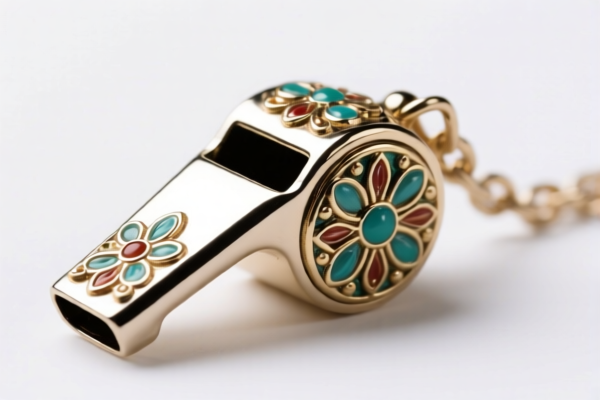
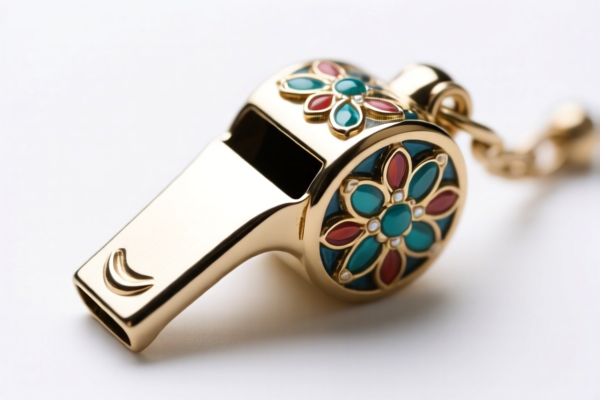
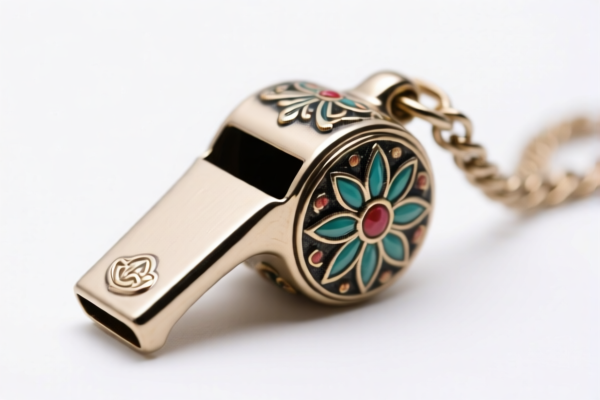
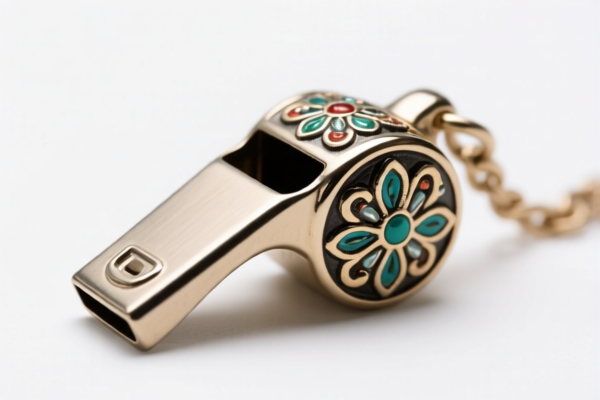
AI Analysis
🌬️ Decorative Windmill (Ornamental Sculptures)
🌐 HS Code Reference & Customs Clearance Guide | 2026 Latest Tariff Analysis | Professional Clearance Strategy
📌 1. Product Definition and Classification: What Exactly is a "Decorative Windmill"?
Decorative windmills are ornamental objects used for garden, patio, or indoor decoration. In international trade, classification depends strictly on the primary material used to construct the windmill. They are generally divided into two main categories based on the data provided:
- Metal Windmills (Iron/Steel): Made primarily of forged or stamped iron or steel. These are often rustic, industrial-style, or painted metal sculptures.
- Plastic Windmills: Made primarily from plastics (headings 3901–3914). These are often colorful, lightweight, and mass-produced for general household or garden use.
⚠️ Key Distinction Point: - If the structure is metal (iron/steel), even if painted or decorated →归类 to Chapter 73 (Articles of Iron or Steel). - If the structure is plastic, regardless of shape →归类 to Chapter 39 (Articles of Plastics). - Note: Materials like wood, glass, or ceramic are not included in the provided and cannot be classified under these specific HS Codes.
📦 2. HS Code Classification Details (2026 Latest Tariff Authority Comparison)
| HS Code | Product Description | Applicable Scenario | Primary Material |
|---|---|---|---|
| 7326.90.86.88 | Other articles of iron or steel: Other: Other: Other: Other | Rustic metal windmills, unpainted or painted steel ornaments, heavy-duty garden decor | ✅ Iron/Steel |
| 7326.19.00.80 | Other articles of iron or steel: Forged or stamped, but not further worked | Lighter metal windmills, stamped metal blades/structures, basic steel forms | ✅ Iron/Steel |
| 3926.40.00.90 | Other articles of plastics: Statuettes and other ornamental articles | Plastic garden windmills, generic decorative sculptures, unbranded plastic ornaments | ✅ Plastic |
| 3926.40.00.10 | Other articles of plastics: Statuettes and other ornamental articles Bows and similar products for decorative purposes including gift-packaging | Specific plastic windmills marketed as "bows," "gift-packaging decor," or similar decorative accessories | ✅ Plastic |
🔍 Key Reminder: - Metal vs. Plastic: The tariff rates differ significantly. Misclassifying a steel windmill as plastic (3926) when it is metal (7326) will result in severe penalties. - "Not Further Worked": HS Code 7326.19.00.80 applies if the metal is merely forged/stamped without significant further machining. Most mass-produced windmills might fall here if they are simple stamped shapes. - "Other": HS Code 7326.90.86.88 is the catch-all for metal articles not specified elsewhere. Complex welded steel windmills often fall here.
💰 3. 2026 Latest Tariff Rate Details (Including Surcharges & Policy Additions)
✅ Applicable Country: United States (US) ✅ Country of Origin: China (CN) ✅ Effective Date: Current rates apply (Subject to ongoing Section 301 and IEEPA measures)
🎯 1. Metal Windmills (HS Codes 7326.90.86.88 & 7326.19.00.80)
These items are subject to high tariffs due to their classification as steel products.
| Item | Content |
|---|---|
| Base Duty Rate | 2.9% (ad valorem) |
| Section 301 Surcharge | +25.0% (Specific to steel/iron articles) |
| Steel/Aluminum/Copper Surcharge | +50% (Specific to "Steel, Aluminum, Copper Products" under recent trade actions) |
| Total Duty Rate | 77.9% |
| Tax Calculation | CIF Value × 77.9% |
| De Minimis Exemption | ❌ Not Eligible (High tariff rates exclude this from de minimis benefits) |
| Legal Basis Path | Base Tariff: 7326 → Section 301: Footnote 9903.88.01 → IEEPA: Steel/Surcharge 50% |
📌 Explanation: - The 2.9% is the standard Most Favored Nation (MFN) duty for articles of iron or steel. - The 25.0% is the standard Section 301 surcharge on Chinese goods. - The 50.0% is the additional surcharge specifically targeting Steel, Aluminum, and Copper products. Since windmills are made of iron/steel, they fall under this strict category. - Total Cost Impact: With a 77.9% total duty, the landed cost increases drastically. This is a very high tariff scenario.
🎯 2. Plastic Windmills (HS Codes 3926.40.00.90 & 3926.40.00.10)
These items are subject to much lower tariffs as they are classified as plastic ornamental articles.
| Item | Content |
|---|---|
| Base Duty Rate | 5.3% (ad valorem) |
| Section 301 Surcharge | 0.0% (Plastics generally excluded from the 50% steel surcharge; Section 301 rates vary but data shows 0.0% here) |
| Steel/Aluminum/Copper Surcharge | N/A (Not applicable to plastic) |
| Total Duty Rate | 5.3% |
| Tax Calculation | CIF Value × 5.3% |
| De Minimis Exemption | ⚠️ Check Eligibility (Lower base rate may allow de minimis under certain conditions, but verify current threshold) |
| Legal Basis Path | Base Tariff: 3926 → No Steel Surcharge |
📌 Note: - The 5.3% base rate applies to "Statuettes and other ornamental articles" of plastic. - The data indicates a 0.0% additional surcharge for these specific plastic codes in the provided dataset. - Significant Savings: Compared to metal windmills (77.9%), plastic windmills (5.3%) are far more cost-effective for import into the US from China.
🛠️ 4. Customs Clearance Practical Advice (Battle-Tested Pitfall Avoidance)
✅ 1. Document Checklist (Essential)
| Document | Mandatory? | Description |
|---|---|---|
| ✅ Product Specification Sheet | ✔️ | Must clearly state material composition (e.g., "100% Iron" or "ABS Plastic"). |
| ✅ Product Photos | ✔️ | Show the entire windmill, including blades, body, and base. Clear material texture. |
| ✅ Commercial Invoice | ✔️ | Accurately describe as "Decorative Windmill - Metal" or "Decorative Windmill - Plastic." Do not use vague terms like "Garden Ornament." |
| ✅ Packing List | ✔️ | Include net/gross weight. Critical for duty calculation. |
| ✅ Country of Origin Certificate | ✔️ | If claiming preferential treatment or verifying Chinese origin for surcharges. |
✅ 2. Declaration Tips (Key Mantra)
🔥 "Material Defines HS, Steel Means High Tax, Plastic Means Low Cost!"
| Scenario | Correct Declaration | Wrong Practice | Consequence |
|---|---|---|---|
| Metal Windmill | 7326.90.86.88 or 7326.19.00.80 |
Declare as 3926 (Plastic) |
High Risk: Customs audit, retroactive 77.9% duty + penalties |
| Plastic Windmill | 3926.40.00.90 or 3926.40.00.10 |
Declare as 7326 (Metal) |
Overpayment of duty (77.9% vs 5.3%) |
| Mixed Material | Declare based on essential character (usually the main structural material) | Split declaration incorrectly | Rejection of entry |
✅ 3. Special Cases
| Scenario | Handling Advice |
|---|---|
| Metal Blades + Plastic Base | If metal parts constitute the essential character (structural integrity, weight), it may still be classified as metal (7326). Consult a specialist. |
| Gift-Wrapped Plastic Windmill | If marketed specifically as "bow" or "gift packaging decor," use 3926.40.00.10 (5.3%). |
| OEM Custom Metal Windmill | Ensure the design doesn't make it appear as a functional tool (e.g., a fan). It must be clearly "ornamental." |
🌍 5. Global Market Comparison (2026 Latest)
| Country/Region | Recommended HS Code | Duty Rate (CN Origin) | Certification | Notes |
|---|---|---|---|---|
| 🇺🇸 USA | 7326.90.86.88 (Metal) |
77.9% | N/A | High Tariff Alert: Steel surcharge applies. |
| 🇺🇸 USA | 3926.40.00.90 (Plastic) |
5.3% | N/A | Low Tariff: Preferred for cost efficiency. |
| 🇨🇳 China | 7326.90.86.88 |
Varies (Import Duty) | N/A | Export from China to USA is the focus here. |
| 🇪🇺 EU | 7326.90 (Metal) |
~2.7% | CE (if electrical) | No Section 301 or IEEPA surcharges. |
| 🇯🇵 Japan | 7326.90 (Metal) |
~3.0% | N/A | No major surcharges on decorative steel. |
📌 Conclusion: - USA is the most punitive market for metal decorative items due to the 50% steel surcharge and 25% Section 301. - Plastic windmills are significantly cheaper to import into the US (5.3% vs 77.9%). - If possible, consider material substitution (e.g., using aluminum-coated plastic or composite materials if allowed) to reduce duty burden, but ensure accurate material declaration.
📌 6. Common Mistakes & Pitfall Guide (Lessons Learned)
❌ Mistake 1: Declaring a metal windmill as "Plastic Ornament" to avoid tariffs. 👉 Consequence: Customs will inspect, find it's metal, and assess 77.9% duty + fines.
❌ Mistake 2: Using generic term "Garden Decor" without specifying material. 👉 Consequence: Customs may assign a default high-rate code or delay shipment for further inquiry.
❌ Mistake 3: Ignoring the "Steel Surcharge" in cost calculation. 👉 Consequence: Profit margins evaporate because the 50% steel surcharge is often overlooked in initial pricing.
❌ Mistake 4: Assuming all plastic goods have 0% surcharge. 👉 Consequence: While data shows 0% for these specific codes, always verify if broader Section 301 lists have changed for plastics.
✅ Correct Approach:
"Decorative Windmill, Metal, Iron, Outdoor Garden Ornament, Model XYZ" →
7326.90.86.88(77.9%) "Decorative Windmill, Plastic, ABS, Colorful Garden Ornament, Model XYZ" →3926.40.00.90(5.3%)
🎯 7. Conclusion: Professional Declaration, Time & Cost Saving!
🎯 Remember the Mantra:
🔹 "Steel is 77.9%, Plastic is 5.3%!" 🔹 "Material determines the HS Code, and the HS Code determines your profit!"
📌 Pro Tip: If you are importing large volumes, consider: 1. Switching to Plastic: If the design allows, plastic windmills offer massive cost savings in the US market. 2. Advance Ruling: Apply for a Binding Ruling Letter from US Customs (CBP) to confirm the HS Code and duty rate before shipping. This provides legal certainty.
📣 Take Action Now:
📞 Contact your customs broker with material specifications before shipping. 🚀 Optimize your supply chain by choosing the right material to navigate high tariffs!
✨ Professional Customs Clearance Starts with Accurate Classification!
💼 Your Bottom Line Depends on the Details!
Customer Reviews
About HS Code Classification
The Harmonized System (HS) is an internationally standardized nomenclature developed by the World Customs Organization (WCO) to classify traded products. Over 200 countries use the HS system as the basis for customs tariffs, trade statistics, and import/export regulations.
Each HS code follows a hierarchical structure:
- Chapter (2 digits) — Broad category of goods (e.g., Chapter 84: Machinery and Mechanical Appliances)
- Heading (4 digits) — More specific grouping within the chapter
- Subheading (6 digits) — Internationally standardized breakdown, used by all WCO member countries
- National subdivisions (8-10 digits) — Country-specific extensions for further classification, such as US HTSUS 10-digit codes
Correct HS code classification is essential for smooth customs clearance, accurate duty payment, and compliance with trade regulations. Misclassification can lead to customs delays, overpayment of duties, or penalties.
When importing from CN to US, the applicable tariff rates may include:
- Most-Favored-Nation (MFN) rate — The standard duty rate applied to WTO members
- General rate — Applied to countries without trade agreements
- Trade remedy duties — Additional tariffs such as Section 301 (anti-dumping), Section 232 (national security), or countervailing duties
The information provided on this page is for reference purposes only. For official classification, please consult with your local customs authority or a licensed customs broker.