Dehaired Other Animal Tanned Leather, Premium
CN → USProduct Images
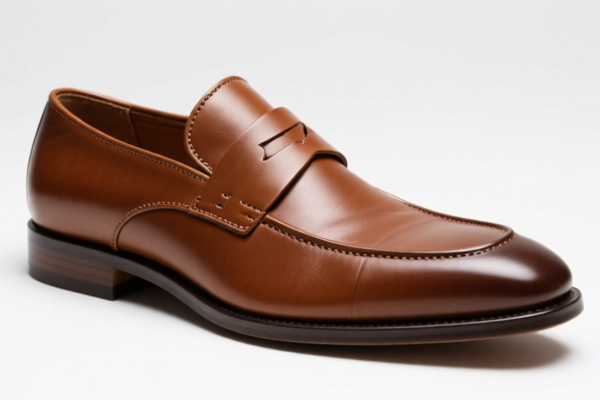
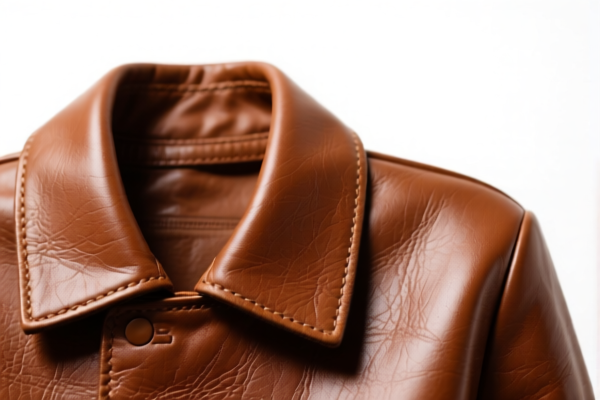
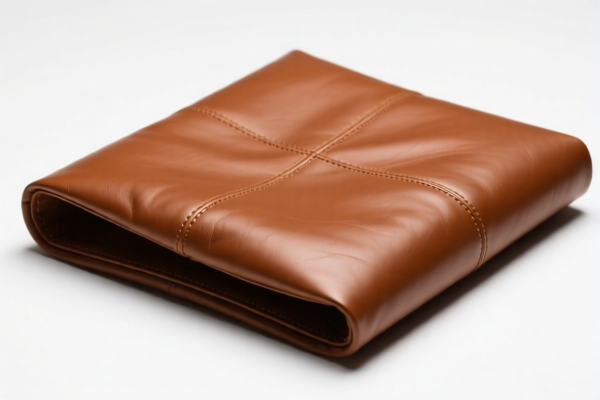
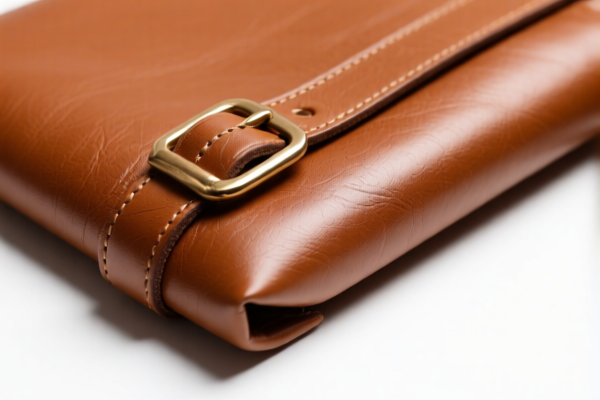
AI Analysis
🧵 Dehaired Other Animal Tanned Leather, Premium (Dehaired Other Animal Tanned Leather, Premium)
🌐 HS Code Reference & Customs Clearance Guide | 2026 Latest Tariff Analysis | Professional-Level Entry Strategy
📌 I. Product Definition and Classification: What Exactly Is "Dehaired Other Animal Tanned Leather"?
"Dehaired Other Animal Tanned Leather" refers to the hides or skins of mammals other than bovine (cow), equine (horse), porcine (pig), or caprine/ovine (goat/sheep) that have undergone tanning and are dehaired (hair removed from the surface). Common examples include: - Deer/Deer-like (e.g., Elk, Moose, Reindeer) - Exotic Species (e.g., Kangaroo, Buffalo, Bison, Lizard, Crocodile - Note: Crocodile/Alligator/Lizard are often classified under Ch. 41 but may have specific subheadings; however, "Other" typically implies non-listed mammals or non-venomous reptiles if not explicitly separated. For general "Other Animal," we focus on non-bovine/equine/porcine/caprine/ovine mammals.)
⚠️ Key Distinction:
- "Dehaired": The hair has been chemically or mechanically removed. This is crucial for classification because haired skins often fall under different subheadings (e.g., 4102 vs. 4104/4105).
- "Tanned": The leather has undergone the tanning process (vegetable, chrome, etc.), not just cured or pickled.
- "Other Animal": Excludes Bovine (Cattle), Equine, Porcine, Caprine, Ovine.
📦 II. HS Code Classification Details (2026 Latest Tariff Authority Comparison)
| HS Code | Product Description | Application Scenario | Hair Status | Tanning Type |
|---|---|---|---|---|
4104.41.00.00 |
Crust leather of bovine or equine | Not applicable (Bovine/Equine) | ❌ N/A | N/A |
4104.49.00.00 |
Other tanned leather of bovine/equine | Not applicable | ❌ N/A | N/A |
4105.30.00.00 |
Tanned leather of caprine/ovine | Not applicable | ❌ N/A | N/A |
4106.31.00.00 |
Tanned leather, dehaired, of kangaroo | Kangaroo leather goods | ✅ Dehaired | Chrome/Tanned |
4106.91.00.00 |
Tanned leather, dehaired, of other animals | Deer, Bison, Buffalo, Exotic non-listed | ✅ Dehaired | Chrome/Tanned |
4106.92.00.00 |
Other tanned leather of other animals | Hair-on, suede, or non-dehaired exotic | ❌ Not Dehaired | Chrome/Tanned |
🔍 Critical Note:
- If the leather is dehaired and from an animal not specifically listed (like Kangaroo, Buffalo, Deer), it generally falls under4106.91.00.00.
- If the leather is haired (fur on), it falls under4106.92.00.00.
- "Premium" is a marketing term, not a customs classification factor. Customs looks at species, processing, and hair status.📌 Recommendation:
- For most "Other Animal" dehaired leathers (e.g., Deer, Bison, Buffalo), use4106.91.00.00.
- If the animal is Kangaroo, use4106.31.00.00.
- Always verify the species with a bill of lading or manufacturer’s certificate.
💰 III. 2026 Latest Tariff Rate Details (Including Supplementary Taxes & Policy Add-ons)
✅ Applicable Country: United States (US)
✅ Origin: China (CN)
✅ Effective Date: November 10, 2025 (and onwards)
🎯 1. 4106.91.00.00 —— Tanned Leather, Dehaired, of Other Animals
| Item | Content |
|---|---|
| Base Rate | 2.7% (ad valorem) |
| USITC Supplementary Tax | +25% (USITC Footnote 9903.88.01) |
| IEEPA Supplementary Tax | +10% (Targeting China/HK products, effective Nov 10, 2025) |
| Total Rate | 37.7% |
| Tax Calculation | CIF Value × 37.7% |
| De Minimis Exemption | ❌ Not Eligible (deny_de_minimis) |
| Legal Pathway | IEEPA:9903.01.25 → IEEPA:9903.01.24 → USITC:4106.91.00.00 → FOOTNOTE:9903.88.01 |
📌 Explanation:
- The 25% USITC tax is part of the Section 301 tariffs on certain Chinese goods.
- The 10% IEEPA tax is an additional levy on Chinese-origin leather products.
- Total 37.7% is a high tariff rate, significantly impacting profit margins.
🎯 2. 4106.31.00.00 —— Tanned Leather, Dehaired, of Kangaroo (Special Case)
| Item | Content |
|---|---|
| Base Rate | 2.7% |
| USITC Supplementary Tax | +25% |
| IEEPA Supplementary Tax | +10% |
| Total Rate | 37.7% |
| De Minimis Exemption | ❌ Not Eligible |
📌 Note:
- Even though Kangaroo leather is a specific category, it is still subject to the same supplementary taxes if originating from China.
- If sourced from Australia, the IEEPA tax may not apply, but verify trade agreements.
🛠️ IV. Customs Clearance Practical Advice (Real-World Pitfall Avoidance Guide)
✅ 1. Required Documentation Checklist (All Mandatory)
| Document | Must Provide | Explanation |
|---|---|---|
| ✅ Product Specification Sheet | ✔️ | Species, tanning method, thickness, finish, hair status |
| ✅ Material Safety Data Sheet (MSDS) | ✔️ | For chemical tanning agents (Chrome, Vegetable, etc.) |
| ✅ Commercial Invoice | ✔️ | Clearly state "Dehaired Tanned Leather of [Species]" |
| ✅ Packing List | ✔️ | Weight, dimensions, number of hides/skins |
| ✅ Certificate of Origin (CO) | ✔️ | Critical for verifying non-China origin if applicable |
| ✅ FDA/USDA Registration (if applicable) | ✔️ | Some exotic leathers may require additional checks |
✅ 2. Declaration Tips (Key Mnemonics)
🔥 "Species First, Hair Status Clear, Tanning Method Specified, Tax Reduced!"
| Scenario | Correct Declaration | Incorrect Practice |
|---|---|---|
| Deer Hide, Dehaired, Chrome Tanned | 4106.91.00.00 |
Misdeclare as Bovine Leather → 25% Base + Taxes |
| Kangaroo Hide, Dehaired | 4106.31.00.00 |
Misdeclare as "Other" → Same rate, but better documentation |
| Hair-on Suede (Deer) | 4106.92.00.00 |
Dehaired classification → Audit Risk |
| Raw, Untanned Hide | 4103.00.00.00 |
Tanned classification → Major Error |
✅ 3. Special Case Handling
| Scenario | Handling Advice |
|---|---|
| Mixed Species | Declare each species separately if possible. If mixed, use the highest tariff rate for the "Other" category. |
| Re-tanned Leather | If re-tanned, still 4106.91.00.00 but provide re-tanning certificate. |
| Exotic Species (Crocodile, Lizard) | May fall under 4106.21.00.00 or 4106.91.00.00 depending on specific listing. Verify CITES permits. |
| Sample Shipments | Still subject to duties. Use 9801.00.01.00 for samples if eligible, but declare value. |
🌍 V. Global Market Clearance Comparison (2026 Latest)
| Country/Region | Recommended HS Code | Tariff | Certification Requirements | Notes |
|---|---|---|---|---|
| 🇺🇸 USA | 4106.91.00.00 |
37.7% (CN) | None Specific | High tariffs, strict documentation |
| 🇨🇳 China | 4106.91.00.00 |
5% - 10% | CCC (if applicable) | Lower tariffs for import |
| 🇪🇺 EU | 4106.91.00.00 |
0% - 4% | REACH, RoHS | Favorable for non-China origin |
| 🇬🇧 UK | 4106.91.00.00 |
0% - 4% | UKCA, REACH | Post-Brexit rules apply |
| 🇯🇵 Japan | 4106.91.00.00 |
0% - 3% | FSC (if treated) | Low tariffs, high quality standards |
📌 Conclusion:
- USA has the highest tariffs due to Section 301 and IEEPA measures.
- EU/UK/Japan offer favorable tariff rates for leather imports.
- Consider supply chain diversification (e.g., sourcing from Vietnam, India, or EU) to reduce tariffs.
📌 VI. Common Errors & Pitfall Avoidance Guide (Blood Lessons)
❌ Error 1: Declaring "Dehaired" when the leather is actually Hair-on
👉 Consequence: Classification error, potential fines, and duty underpayment penalties.
❌ Error 2: Misdeclaring Kangaroo as "Other Animal"
👉 Consequence: While tax rate may be same, documentation mismatch can lead to customs hold.
❌ Error 3: Ignoring CITES Regulations for exotic species
👉 Consequence: Confiscation of goods, heavy fines, and legal action.
❌ Error 4: Not specifying Tanning Method (Chrome vs. Vegetable)
👉 Consequence: Environmental compliance issues, especially in EU/US.
✅ Correct Approach:
"Dehaired Tanned Leather, Deer Species, Chrome Tanned, No Hair, Grade A, HS Code 4106.91.00.00"
🎯 VII. Conclusion: Professional Declaration, Save Time, Reduce Costs
🎯 Remember the Mnemonic:
🔹 "Species First, Hair Status Clear, Tanning Method Specified, Tax Reduced!"
🔹 "Dehaired vs. Hair-on Can Change Your Duty, Check Twice, Save Money!"
📌 Pro Tip:
If your leather is sourced from Australia (Kangaroo) or South America (Deer/Bison), check for FTA (Free Trade Agreements) benefits.
Consider applying for an Advance Ruling from CBP to confirm HS Code and duty liability.
📣 Immediate Action:
📞 Contact a professional customs broker + Provide Product Photos + Apply for HS Code Advance Ruling
🚀 Let your leather goods clear customs smoothly, reduce costs, and boost profits!
✨ Professional Customs Clearance Starts with Accurate Classification!
💼 Every Dollar of Cost Deserves Precise Calculation!
Customer Reviews
About HS Code Classification
The Harmonized System (HS) is an internationally standardized nomenclature developed by the World Customs Organization (WCO) to classify traded products. Over 200 countries use the HS system as the basis for customs tariffs, trade statistics, and import/export regulations.
Each HS code follows a hierarchical structure:
- Chapter (2 digits) — Broad category of goods (e.g., Chapter 84: Machinery and Mechanical Appliances)
- Heading (4 digits) — More specific grouping within the chapter
- Subheading (6 digits) — Internationally standardized breakdown, used by all WCO member countries
- National subdivisions (8-10 digits) — Country-specific extensions for further classification, such as US HTSUS 10-digit codes
Correct HS code classification is essential for smooth customs clearance, accurate duty payment, and compliance with trade regulations. Misclassification can lead to customs delays, overpayment of duties, or penalties.
When importing from CN to US, the applicable tariff rates may include:
- Most-Favored-Nation (MFN) rate — The standard duty rate applied to WTO members
- General rate — Applied to countries without trade agreements
- Trade remedy duties — Additional tariffs such as Section 301 (anti-dumping), Section 232 (national security), or countervailing duties
The information provided on this page is for reference purposes only. For official classification, please consult with your local customs authority or a licensed customs broker.