Deodorant
CN → US| HS Code | Tariff Rate | Origin | Destination | Doc |
|---|---|---|---|---|
| 3307200000 | 39.9% | CN | US | Official Doc |
| 3307900000 | 40.4% | CN | US | Official Doc |
| 2906292000 | 40.5% | CN | US | Official Doc |
| 2909302000 | 40.5% | CN | US | Official Doc |
Product Images
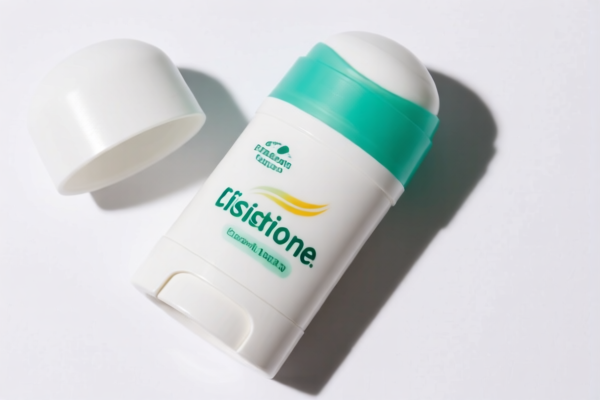
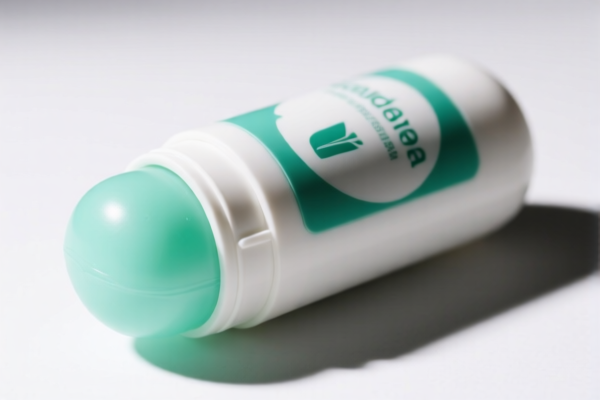
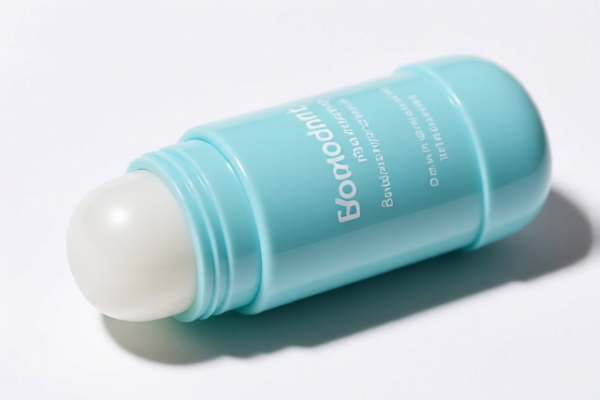
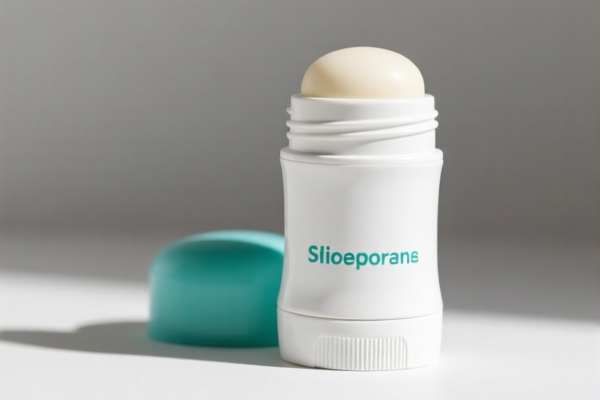
AI Analysis
🌿 Deodorants & Antiperspirants: The Ultimate Customs Classification Guide (HS Code 3307)
🌐 HS Code Reference & Clearance Guide | 2026 Latest Tariff Analysis | Professional Clearance Strategy
📌 Part 1: Product Definition & Classification: Do You Really Know What "Deodorant" Is?
Deodorants and antiperspirants are essential personal care items used to mask or eliminate body odor and reduce sweating. In international trade, they fall under the broader category of "Perfumery, Cosmetic or Toilet Preparations."
However, not all deodorants are created equal in the eyes of customs. They are primarily split into two distinct classifications based on their primary function and composition:
1. Personal Deodorants/Antiperspirants (HS 3307.20.00.00):
Products specifically designed for armpits or body surfaces to prevent odor or sweating. These include roll-ons, sprays, sticks, and creams intended for human application.
2. Other Perfumery/Cosmetic Preparations (HS 3307.90.00.00):
This is a "catch-all" category. It includes deodorizers that are NOT personal deodorants (e.g., room deodorizers, car air fresheners) OR personal care products that do not fit the specific definition of "deodorant/antiperspirant" but are still "prepared room deodorizers" or other toilet preparations.
⚠️ Key Distinction Point:
- If the product is explicitly for personal use on the body (armpits, feet) to control odor/sweat → 3307.20.00.00
- If it is for environmental use (rooms, cars) OR falls under "other" cosmetic preparations not elsewhere specified → 3307.90.00.00
- Chemical Ingredients (like specific aromatic ethers) might fall under Chapter 29 if declared as raw materials, but finished consumer goods usually stay in Chapter 33.
📦 Part 2: HS Code Classification Details (2026 Latest Tariff Authoritative Comparison)
| HS Code | Product Description | Application Scenario | Tax Rate (China to US) |
|---|---|---|---|
3307.20.00.00 |
Personal deodorants and antiperspirants | Body deodorant sprays, roll-ons, antiperspirant sticks, foot powders | 29.9% (Base 4.9% + Add. 25%) |
3307.90.00.00 |
Other perfumery, cosmetic or toilet preparations | Room deodorizers, air fresheners, other toilet preparations not elsewhere specified | 30.4% (Base 5.4% + Add. 25%) |
2906.29.20.00 |
Cyclic alcohols and derivatives: Aromatic: Odoriferous or flavoring compounds | Raw chemical ingredients (e.g., specific aromatic alcohols) used in manufacturing, NOT finished consumer goods | 0.0% |
2909.30.20.00 |
Aromatic ethers and derivatives: Odoriferous or flavoring compounds | Raw chemical ingredients (e.g., specific ethers) used in manufacturing, NOT finished consumer goods | 0.0% |
🔍 Critical Reminder:
- Finished Consumer Products (like a can of Axe or Degree deodorant) must be declared under Chapter 33 (3307).
- Raw Chemical Ingredients (like bulk Linalool or specific Ethers) intended for industrial mixing may be declared under Chapter 29 (2906/2909).
- Misclassification Risk: Declaring a finished deodorant spray as a raw chemical ingredient (HS 29xx) is a common error that leads to severe penalties. Only raw materials without packaging or intended for further processing belong in Chapter 29.
💰 Part 3: 2026 Latest Tariff Rate Detailed Explanation (Including Additional Taxes)
✅ Applicable Country: United States (US)
✅ Origin: China (CN)
✅ Effective Date: 2025 November 10 onwards (including subsequent imports)
🎯 1. 3307.20.00.00 —— Personal Deodorants and Antiperspirants
| Item | Content |
|---|---|
| Base Tariff | 4.9% (ad valorem) |
| Additional Tariff (Section 301) | +25.0% |
| Total Tax Rate | 29.9% |
| Tax Calculation | CIF Value × 29.9% |
| De Minimis Eligibility | ❌ No (Valued goods subject to additional tariffs are generally excluded from $800 de minimis exemption if classified under specific penalty codes, though general deodorants may still be subject to the 25% add-on depending on specific enforcement. Note: Based on provided data, the total tax is 29.9%, implying the add-on is applied.) |
| Legal Basis Path | HTSUS:3307.20.00 → Section 301 Footnote → Total Tax: 29.9% |
📌 Explanation:
- Base Tariff (4.9%): Standard Most Favored Nation (MFN) rate for personal deodorants.
- Additional Tariff (25%): Imposed under U.S. Trade Law Section 301 against Chinese goods.
- Total (29.9%): This is a high-cost item. Importers must factor this into their landed cost calculations.
- Why not 0%?: Even though some chemical ingredients are 0%, the finished product is heavily taxed due to trade policies.
🎯 2. 3307.90.00.00 —— Other Perfumery, Cosmetic or Toilet Preparations
| Item | Content |
|---|---|
| Base Tariff | 5.4% (ad valorem) |
| Additional Tariff (Section 301) | +25.0% |
| Total Tax Rate | 30.4% |
| Tax Calculation | CIF Value × 30.4% |
| De Minimis Eligibility | ❌ No (Subject to additional tariffs) |
| Legal Basis Path | HTSUS:3307.90.00 → Section 301 Footnote → Total Tax: 30.4% |
📌 Explanation:
- Base Tariff (5.4%): Slightly higher than deodorants, covering "other" preparations like room deodorizers or specialized cosmetics.
- Additional Tariff (25%): Same Section 301 penalty.
- Total (30.4%): The most expensive classification in the provided data.
- Common Use: Often used for room sprays, car air fresheners, or toilet powders that are not strictly "personal deodorants."
🧪 3. Raw Material Exceptions: 2906.29.20.00 & 2909.30.20.00
| Item | Content |
|---|---|
| Product | Aromatic Cyclic Alcohols / Aromatic Ethers (Odoriferous) |
| Base Tariff | 0.0% |
| Additional Tariff | 0.0% |
| Total Tax Rate | 0.0% |
| Condition | Must be raw chemical ingredients, not finished consumer products. |
📌 Explanation:
- If you are importing bulk chemicals (e.g., pure Linalool, specific Ethers) for manufacturing, you may use these codes.
- Warning: You cannot use these codes for finished deodorant sprays sold in stores. Customs will reclassify them and charge 29.9%-30.4% plus penalties.
🛠️ Part 4: Clearance Practical Advice (Combat Pitfall Guide)
✅ 1. Preparation Checklist (Missing Items Not Allowed)
| Document | Required | Description |
|---|---|---|
| ✅ Product Specification Sheet | ✔️ | Must clearly state: "Personal Deodorant" or "Room Deodorizer," ingredients, and usage. |
| ✅ Label Image | ✔️ | Clear photo of the front and back label. Must show "For Personal Use" or "For Environmental Use." |
| ✅ Ingredient List | ✔️ | Especially important if claiming Chapter 29 (Raw Materials). Must show % of active ingredients. |
| ✅ Commercial Invoice | ✔️ | Must match the HS Code description exactly. Avoid vague terms like "Perfume." |
| ✅ Packing List | ✔️ | Detail net/gross weight. |
| ✅ FDA Notification (If applicable) | ✔️ | For personal deodorants, FDA compliance is critical in the US. |
✅ 2. Declaration Tips (Key Mantra)
🔥 "Know your use: Body vs. Room! Body is 3307.20, Room is 3307.90. Raw materials are Chapter 29."
| Scenario | Correct HS Code | Wrong Action | Consequence |
|---|---|---|---|
| Armpit Deodorant Spray | 3307.20.00.00 |
Declared as "Room Deodorizer" | Underpayment tax (4.9% vs 5.4% base + risk of penalty). |
| Car Air Freshener | 3307.90.00.00 |
Declared as "Personal Deodorant" | Overpayment risk + potential misdeclaration penalty if intent is clearly environmental. |
| Bulk Linalool (Chemical) | 2906.29.20.00 |
Declared as "Deodorant" | 0% Tax vs 29.9% Tax. Only if truly raw material. |
| Finished Deodorant in Can | 3307.20.00.00 |
Declared as "Raw Material" | Severe Penalty! Customs will seize goods and fine for fraud. |
✅ 3. Special Situations Handling
| Situation | Handling Advice |
|---|---|
| OEM/Private Label | Provide manufacturing agreements. Ensure the label matches the declared "Personal Use" intent. |
| Mixed Shipment | Do not mix "Body Deodorants" (3307.20) with "Room Deodorizers" (3307.90) in one line item. Split them. |
| Chemical Samples | If importing small quantities of raw chemicals for R&D, ensure documentation proves they are not finished consumer products. |
| Natural/Organic Claims | These do not change the HS Code. A "Natural Deodorant" is still 3307.20.00.00. |
🌍 Part 5: Global Market Clearance Comparison (2026 Latest)
| Country/Region | Recommended HS Code | Tariff (China Origin) | Certification Requirements | Notes |
|---|---|---|---|---|
| 🇺🇸 USA | 3307.20.00.00 |
29.9% | FDA Compliance, Prop 65 (if CA) | High tax due to Section 301. |
| 🇺🇸 USA | 3307.90.00.00 |
30.4% | FDA Compliance | Room deodorizers taxed slightly higher base. |
| 🇪🇺 EU | 3307.20 | Varies (Usually 0-6.5%) | EU CPNP Notification | No Section 301 equivalent. |
| 🇨🇳 China | 3307.20 | Varies (Import Duty) | NMPA Registration | Domestic sales tax applies. |
📌 Conclusion:
- The US market is the most expensive for Chinese deodorants due to the 25% Additional Tariff.
- Accurate Classification is Vital: Declaring a finished product as a raw material (Chapter 29) to avoid tax is illegal and high-risk.
- Cost Planning: Factor in ~30% tax for US imports. Consider sourcing from non-China origins (Vietnam, Thailand) for 0% additional tariff benefits.
📌 Part 6: Common Mistakes & Pitfall Guide (Lessons Learned)
❌ Mistake 1: Declaring finished deodorant sprays as "Chemical Ingredients" (HS 2906)
👉 Consequence: Goods seized, fines up to 3x the value, and blacklisting. Customs easily identifies consumer packaging.
❌ Mistake 2: Mixing "Body Deodorant" and "Room Spray" in one HS Code line
👉 Consequence: Customs may audit the entire shipment, delaying clearance for weeks.
❌ Mistake 3: Ignoring FDA Regulations
👉 Consequence: Even if taxes are paid, goods may be refused entry by FDA if labeling or ingredients are non-compliant.
❌ Mistake 4: Assuming "Natural" or "Organic" means lower tax
👉 Consequence: No tax benefit. HS Code is based on function and composition, not marketing claims.
✅ Correct Approach:
"Roll-on Deodorant for Personal Use, 50ml, Aluminum Container, Contains Aluminum Chlorohydrate, FDA Compliant, Model XYZ" → HS 3307.20.00.00
🎯 Part 7: Conclusion: Professional Classification, Save Costs, Avoid Risks!
🎯 Remember the Mantra:
🔹 "Body Deodorant: 3307.20 (29.9%). Room Spray: 3307.90 (30.4%). Raw Chemicals: 2906/2909 (0%). Don't Mix!"
🔹 "Packaging proves it's a product. Finish packaging, pay the tax."
📌 Tips:
If your deodorants are originating from Vietnam, Mexico, Thailand, or Malaysia, you may qualify for 0% Additional Tariff under US Trade Policy.
Recommendation: Apply for a Pre-Ruling (Advance Ruling) from US Customs (CBP) if your product is unique.
📣 Immediate Action:
📞 Contact a professional customs broker + Provide Product Photos + Verify FDA Status
🚀 Let your deodorants clear smoothly, stay profitable, and reach the market fast!
✨ Professional Clearance Starts with Accurate Classification!
💼 Every cent of tax cost is worth precise calculation!
Customer Reviews
About HS Code Classification
The Harmonized System (HS) is an internationally standardized nomenclature developed by the World Customs Organization (WCO) to classify traded products. Over 200 countries use the HS system as the basis for customs tariffs, trade statistics, and import/export regulations.
Each HS code follows a hierarchical structure:
- Chapter (2 digits) — Broad category of goods (e.g., Chapter 84: Machinery and Mechanical Appliances)
- Heading (4 digits) — More specific grouping within the chapter
- Subheading (6 digits) — Internationally standardized breakdown, used by all WCO member countries
- National subdivisions (8-10 digits) — Country-specific extensions for further classification, such as US HTSUS 10-digit codes
Correct HS code classification is essential for smooth customs clearance, accurate duty payment, and compliance with trade regulations. Misclassification can lead to customs delays, overpayment of duties, or penalties.
When importing from CN to US, the applicable tariff rates may include:
- Most-Favored-Nation (MFN) rate — The standard duty rate applied to WTO members
- General rate — Applied to countries without trade agreements
- Trade remedy duties — Additional tariffs such as Section 301 (anti-dumping), Section 232 (national security), or countervailing duties
The information provided on this page is for reference purposes only. For official classification, please consult with your local customs authority or a licensed customs broker.