Deodorizing Fatty Acid
CN → US| HS Code | Tariff Rate | Origin | Destination | Doc |
|---|---|---|---|---|
| 2916151000 | 41.5% | CN | US | Official Doc |
| 2916193000 | 41.1% | CN | US | Official Doc |
| 3823194000 | 20.7% | CN | US | Official Doc |
| 3823192000 | 19.8% | CN | US | Official Doc |
| 2915901050 | 40.0% | CN | US | Official Doc |
| 2915901010 | 40.0% | CN | US | Official Doc |
Product Images
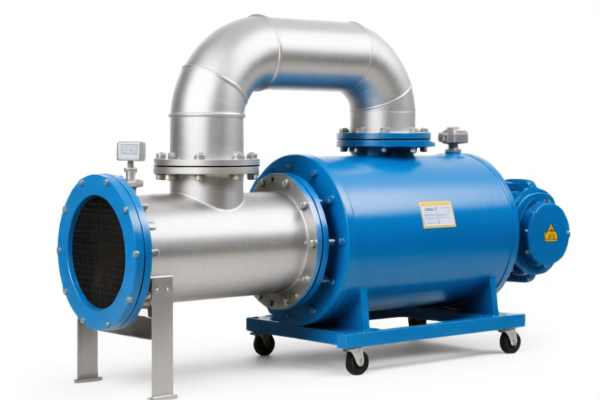
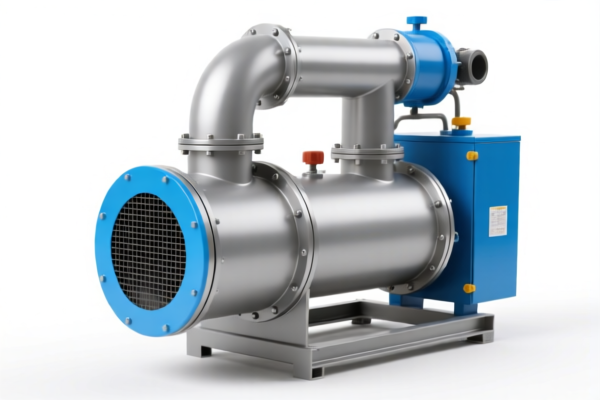
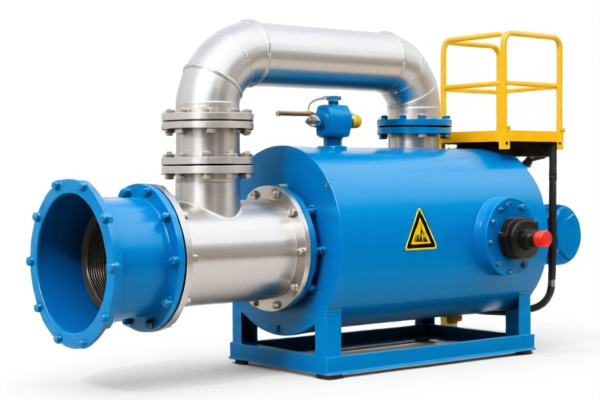
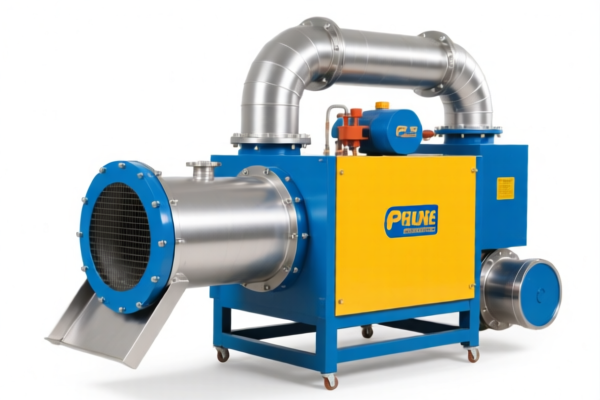
AI Analysis
🧴 Deodorizing Fatty Acids (Industrial Monocarboxylic Fatty Acids)
🌐 HS Code Reference & Customs Clearance Guide | 2024/2025 Latest Tariff Analysis | Professional Clearance Strategy
📌 I. Product Definition & Classification: What Exactly is "Deodorizing Fatty Acid"?
Deodorizing fatty acids are a by-product or intermediate product obtained during the refining of crude vegetable or animal oils (typically through steam distillation). They consist primarily of saturated and unsaturated monocarboxylic fatty acids. In international trade, they are generally classified under Chapter 38 (Miscellaneous Chemical Products) as "Industrial monocarboxylic fatty acids; acid oils from refining," OR under Chapter 29 (Organic Chemicals) if they are specifically identified individual acids like Lauric or Oleic acid with high purity.
⚠️ Key Distinction Point:
- If it is a mixed industrial acid oil (refining by-product) →归入 Chapter 38 (3823.19...)
- If it is a specific pure chemical acid (e.g., pure Lauric Acid, Pure Oleic Acid) →归入 Chapter 29 (2915.90...)
📦 II. HS Code Classification Details (Latest Tariff Authority Comparison)
| HS Code | Product Description | Application Scenario | Tax Rate (Total) |
|---|---|---|---|
3823.19.40.00 |
Industrial monocarboxylic fatty acids; acid oils from refining: Other: Other | Mixed industrial fatty acids, general acid oils from refining, not derived from specific listed oils | 10.7% |
3823.19.20.00 |
Industrial monocarboxylic fatty acids; acid oils from refining: Other: Derived from coconut, palm-kernel or palm oil | Acid oils specifically from coconut, palm kernel, or palm oil refining | 0.0% |
2915.90.10.50 |
Saturated acyclic monocarboxylic acids...: Other: Acids: Fatty acids of animal or vegetable origin Other | Pure saturated fatty acids of animal/vegetable origin (not specified elsewhere, e.g., general saturated mix) | 0.0% |
2915.90.10.10 |
Saturated acyclic monocarboxylic acids...: Other: Acids: Fatty acids of animal or vegetable origin Lauric acid | Pure Lauric Acid (C12) | 0.0% |
2916.15.10.00 |
Unsaturated acyclic monocarboxylic acids...: Oleic, linoleic or linolenic acids... | Pure Oleic, Linoleic, or Linolenic Acid | 0.0% |
2916.19.30.00 |
Unsaturated acyclic monocarboxylic acids...: Other: Other: Acids | Other unsaturated monocarboxylic acids not listed above (e.g., specific non-oleic/linoleic unsaturated acids) | 31.1% |
🔍 Key Reminder:
- "Deodorizing" implies refining: Most general "deodorizing fatty acids" are classified under 3823 (Industrial Acids) unless they are single-component high-purity chemicals.
- Origin Matters: If derived from Coconut/Palm, the rate is 0%. If "Other" industrial mix, it is 10.7%.
- Chemical Purity Matters: If you can prove it is a single pure acid (like Lauric or Oleic), it falls under Chapter 29 with 0% duty (for most). However, 2916.19.30.00 carries a high 31.1% tariff for other unsaturated acids.
💰 III. Detailed Tariff Rate Analysis (2024/2025)
✅ Applicable Countries: United States (US)
✅ Origin: China (CN)
✅ Validity: Current rates apply as per the provided data.
🎯 1. 3823.19.40.00 —— Industrial Monocarboxylic Fatty Acids (Other)
| Item | Details |
|---|---|
| Base Tariff | 3.2% (ad valorem) |
| Additional Tariff | 7.5% (Section 301/Retaliatory) |
| Total Tariff | 10.7% |
| Tax Calculation | CIF Value × 10.7% |
| De Minimis Eligibility | ❌ No (Typically applies to commercial shipments) |
| Legal Basis | HTSUS 3823.19.40.00 |
📌 Explanation:
This is the standard classification for general industrial fatty acid oils that are not specifically derived from coconut/palm oil and are not single pure chemicals. The 7.5% additional tariff significantly increases the cost compared to base rates.
🎯 2. 3823.19.20.00 —— Derived from Coconut, Palm-Kernel, or Palm Oil
| Item | Details |
|---|---|
| Base Tariff | 0.0% |
| Additional Tariff | 0.0% |
| Total Tariff | 0.0% |
| Tax Calculation | No Duty |
| De Minimis Eligibility | ✅ Yes (Potentially, if under $800) |
| Legal Basis | HTSUS 3823.19.20.00 |
📌 Explanation:
If your "deodorizing fatty acid" is a by-product of Coconut, Palm Kernel, or Palm Oil refining, it enjoys 0% duty. This is a crucial optimization point. Ensure your Certificate of Origin or invoice explicitly states the source oil.
🎯 3. 2915.90.10.10 (Lauric Acid) & 2916.15.10.00 (Oleic/Linoleic/Linolenic)
| Item | Details |
|---|---|
| Base Tariff | 0.0% |
| Additional Tariff | 0.0% |
| Total Tariff | 0.0% |
| Tax Calculation | No Duty |
📌 Explanation:
If the product is pure Lauric Acid or pure Oleic/Linoleic/Linolenic Acid, it is classified under Chapter 29 with 0% duty. This requires high-purity documentation (e.g., GC chromatograms) to prove it is not a mixed "acid oil."
🎯 4. 2916.19.30.00 —— Other Unsaturated Acids (High Risk)
| Item | Details |
|---|---|
| Base Tariff | 6.1% |
| Additional Tariff | 25.0% |
| Total Tariff | 31.1% |
| Tax Calculation | CIF Value × 31.1% |
📌 Warning:
If the product is an unsaturated acid other than Oleic, Linoleic, or Linolenic (e.g., certain specialized unsaturated derivatives), it falls here. This is the highest tax bracket in the provided data. Avoid this classification if possible by proving it is a standard Oleic/Linoleic acid or an industrial mix (3823).
🛠️ IV. Customs Clearance Practical Advice (Pitfall Avoidance Guide)
✅ 1. Documentation Checklist (Essential)
| Document | Mandatory | Description |
|---|---|---|
| ✅ Product Specification Sheet | ✔️ | Must list composition: % Lauric, % Oleic, % Palmitic, etc. |
| ✅ Certificate of Origin | ✔️ | Must specify source oil (e.g., "Palm Oil Derivative") to claim 0% if applicable. |
| ✅ Invoice | ✔️ | Clearly state "Deodorizing Fatty Acid" or "Industrial Acid Oil." Avoid vague terms like "Chemical." |
| ✅ GC Chromatogram | ✔️ | Critical if claiming Chapter 29 (0% duty). Proves purity and specific acid type. |
| ✅ Material Safety Data Sheet (MSDS) | ✔️ | For hazardous material declaration (though fatty acids are generally low risk). |
✅ 2. Declaration Strategy (Key Mnemonic)
🔥 “Source Determines 0%, Purity Determines Chapter, Mixed is 10.7%!”
| Scenario | Correct HS Code | Risk |
|---|---|---|
| General Industrial Acid Oil (Mixed, no specific source) | 3823.19.40.00 |
✅ Standard (10.7%) |
| Palm/Coconut Acid Oil (Specific source) | 3823.19.20.00 |
✅ Optimized (0%) |
| Pure Lauric Acid (Single component) | 2915.90.10.10 |
✅ Optimized (0%) |
| Pure Oleic Acid (Single component) | 2916.15.10.00 |
✅ Optimized (0%) |
| Other Unsaturated Acid (Non-Oleic/Linoleic) | 2916.19.30.00 |
⚠️ High Risk (31.1%) |
📌 Important:
- Do NOT misdeclare a mixed industrial acid oil as "Pure Lauric Acid" to avoid tax. Customs may audit with GC tests. If they find mixed components, you will face penalties for misclassification.
- Deodorizing fatty acids are often mixed. Unless you have a lab report proving it is >95% pure Lauric/Oleic, stick to 3823.19.
✅ 3. Special Cases
| Case | Handling Advice |
|---|---|
| OEM Blends | If blending multiple fatty acids, classify as 3823.19.40.00 (Industrial) unless the primary component qualifies for Chapter 29 and is documented. |
| Re-refined Oils | Ensure the invoice states "Acid Oil from Refining" to align with Chapter 38 description. |
| Small Samples | If under $800 (de minimis), check if the 301 tariffs apply to low-value shipments (often exempt, but verify current CBP rules). |
🌍 V. Global Market Clearance Comparison (2024/2025)
| Country/Region | Recommended HS Code | Tariff (China Origin) | Certification Requirements | Notes |
|---|---|---|---|---|
| 🇺🇸 USA | 3823.19.40.00 |
10.7% | None | High tariff for general acid oil. |
| 🇨🇳 China | 3823.19.40.00 |
Low/Zero (Import Duty) | None | Domestic trade often exempt. |
| 🇪🇺 EU | 3823.19.00 |
~3-5% | REACH Compliance | REACH registration required for importers. |
| 🇦🇺 Australia | 3823.19.00 |
5% | None | Standard MFN rate. |
| 🇯🇵 Japan | 3823.19.00 |
3.2-5.5% | None | Preferential rates possible with JET-EPA. |
📌 Conclusion:
- The USA has the most complex tariff structure due to additional duties.
- EU and Japan have lower base rates but require chemical compliance (REACH).
- Optimization Tip: If sourcing from Palm/Coconut, ensure the documentation highlights the source oil to achieve 0% duty in the US.
📌 VI. Common Errors & Pitfalls (Lessons Learned)
❌ Error 1: Declaring "Deodorizing Fatty Acid" as "Vegetable Oil" (1507)
👉 Consequence: Misclassification. Acid oils are chemical by-products, not edible oils. Penalty + Back Duties.
❌ Error 2: Claiming 2915.90.10.10 (Pure Lauric) for a Mixed Acid Oil
👉 Consequence: Customs lab test reveals mixed components. Tariff jumps from 0% to 10.7% + penalties.
❌ Error 3: Ignoring the "Source" for 3823.19.20.00
👉 Consequence: Declared as "Other" (3823.19.40.00) paying 10.7% when it should be 0%. Loss of savings.
❌ Error 4: Using 2916.19.30.00 for Oleic Acid
👉 Consequence: Oleic Acid is specifically listed under 2916.15.10.00. Misclassifying it as "Other" triggers the 31.1% high tariff.
✅ Correct Practice:
"Deodorizing Fatty Acid, Source: Palm Oil Refining, Mixed Composition, Industrial Grade" →
3823.19.20.00(0%)
"Deodorizing Fatty Acid, General Industrial Grade, Mixed Composition" →3823.19.40.00(10.7%)
🎯 VII. Conclusion: Professional Declaration Saves Money!
🎯 Remember the Mnemonic:
🔹 “Palm/Coconut = 0%, Pure Oleic/Lauric = 0%, Mixed Industrial = 10.7%, Other Unsaturated = 31.1%!”
🔹 “Source on Invoice, Purity in Lab, Classify Correctly, Avoid Tax Trap!”
📌 Pro Tip:
If your supplier provides mixed acid oils but you suspect it’s mostly Oleic, request a GC Chromatogram. If Oleic is >50%, argue for
2916.15.10.00(0%) only if it meets the chemical definition of a single substance. Otherwise, stick to3823for safety.
📣 Immediate Action:
📞 Consult with a customs broker to review your supplier’s MSDS and Composition Report.
🚀 Declare accurately, save taxes, and ensure smooth clearance!
✨ Professional customs clearance starts with precise classification!
💼 Every percentage point of tax matters!
Customer Reviews
About HS Code Classification
The Harmonized System (HS) is an internationally standardized nomenclature developed by the World Customs Organization (WCO) to classify traded products. Over 200 countries use the HS system as the basis for customs tariffs, trade statistics, and import/export regulations.
Each HS code follows a hierarchical structure:
- Chapter (2 digits) — Broad category of goods (e.g., Chapter 84: Machinery and Mechanical Appliances)
- Heading (4 digits) — More specific grouping within the chapter
- Subheading (6 digits) — Internationally standardized breakdown, used by all WCO member countries
- National subdivisions (8-10 digits) — Country-specific extensions for further classification, such as US HTSUS 10-digit codes
Correct HS code classification is essential for smooth customs clearance, accurate duty payment, and compliance with trade regulations. Misclassification can lead to customs delays, overpayment of duties, or penalties.
When importing from CN to US, the applicable tariff rates may include:
- Most-Favored-Nation (MFN) rate — The standard duty rate applied to WTO members
- General rate — Applied to countries without trade agreements
- Trade remedy duties — Additional tariffs such as Section 301 (anti-dumping), Section 232 (national security), or countervailing duties
The information provided on this page is for reference purposes only. For official classification, please consult with your local customs authority or a licensed customs broker.