Desk Drawer Organizer
CN → US| HS Code | Tariff Rate | Origin | Destination | Doc |
|---|---|---|---|---|
| 3926909989 | 22.8% | CN | US | Official Doc |
| 3926901000 | 20.9% | CN | US | Official Doc |
| 4202929315 | 52.6% | CN | US | Official Doc |
| 4202926010 | 41.3% | CN | US | Official Doc |
| 4420908000 | 38.2% | CN | US | Official Doc |
Product Images
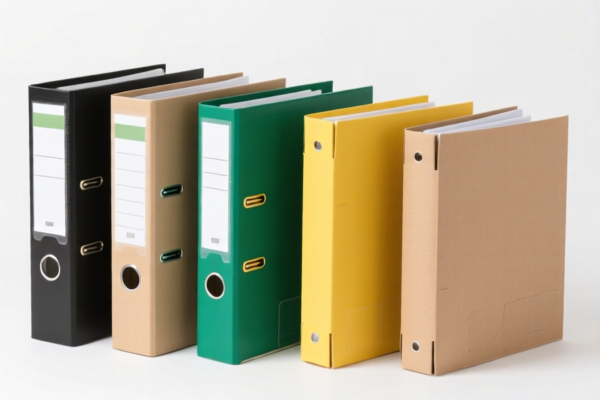
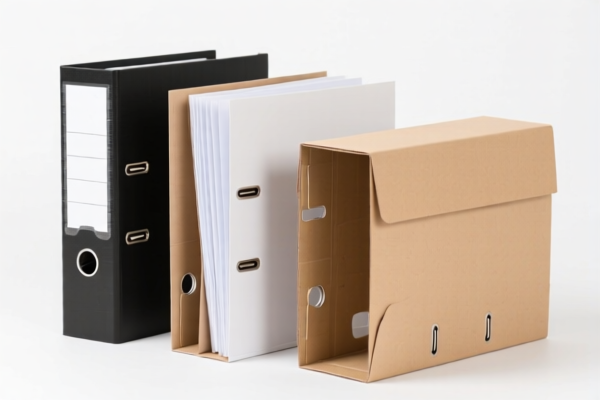


AI Analysis
🖥️ Desk Drawer Organizer (Storage Boxes & Containers)
🌐 HS Code Reference & Customs Clearance Guide | 2026 Tariff Breakdown | Strategic Compliance Strategy
📌 I. Product Definition & Classification: Do You Really Understand "Desk Drawer Organizers"?
Desk Drawer Organizers are essential office tools designed to maximize space efficiency and maintain order in workspaces. In international trade, they are classified based on material composition and intended function, leading to significantly different HS Codes and tax outcomes.
They are generally categorized into two main groups:
- Plastic Organizers (Plastic Storage): Made entirely of plastic materials, falling under Chapter 39.
- Textile/Lined Organizers: Containing textile linings or surfaces, often classified under Chapter 42 as "containers" or "jewelry boxes."
- Wooden Organizers: Crafted from wood, falling under Chapter 44.
⚠️ Key Classification Point:
- If plastic → 3926 series (Low Tax)
- If textile/leather/lined → 4202 series (Medium-High Tax)
- If wood → 4420 series (Medium Tax)
- Crucial: Material declaration dictates the tariff rate!
📦 II. HS Code Classification Details (2026 Latest Tariff Reference)
| HS Code | Product Description | Material | Tax Rate (Total) | Key Characteristics |
|---|---|---|---|---|
| 3926.90.10.00 | Plastic storage containers / "Buckets & Pails" equivalent | Plastic | 20.9% | General plastic containers, no specific conflict with "buckets" logic. |
| 3926.90.99.89 | Other plastic articles / Miscellaneous plastic products | Plastic | 22.8% | "Other" plastic items, no specific shape/usage conflict. |
| 4202.92.60.10 | Jewelry boxes & similar containers (Plastic/Textile mix) | Plastic/Textile | 41.3% | Includes containers with textile exterior; "Other/Residual" category. |
| 4202.92.93.15 | Textile-lined containers / Similar containers | Textile | 52.6% | Inferred textile surface material; highest tax tier. |
| 4420.90.80.00 | Wooden boxes / Similar wood containers | Wood | 38.2% | Wooden jewelry or storage boxes; "Other" wood category. |
🔍 Critical Analysis:
- Plastic (3926) is the most tax-efficient classification (20.9%–22.8%).
- Textile (4202.92.93.15) carries the highest burden (52.6%) due to the "Textile" surcharge.
- Wood (4420) sits in the middle (38.2%).
- Misclassification Risk: Declaring a plastic box as "textile" to save weight can lead to 30%+ extra tax.
💰 III. 2026 Tariff Breakdown (Detailed Tax Clause Explanation)
✅ Applicable Market: USA (US)
✅ Origin: China (CN)
✅ Effective Date: Current (Includes Section 301 & 122 Tariffs)
🎯 1. Plastic Organizers (HS: 3926.90.10.00 & 3926.90.99.89)
| Item | Content |
|---|---|
| Base Duty | 3.4% (10.00) / 5.3% (99.89) |
| Section 301 Surcharge | +7.5% (Additional US Tariff) |
| Section 122 Tariff | +10.0% (122-Section Chinese Import Tax) |
| Total Tax Rate | 20.9% (10.00) / 22.8% (99.89) |
| Calculation | CIF Value × 20.9% / 22.8% |
| De Minimis Exemption | ❌ No (Deny for Section 301 goods) |
| Legal Path | Section 301: 7.5% + Section 122: 10% + Base: 3.4/5.3% |
📌 Explanation:
- Base Duty: Low (3.4% or 5.3%) because plastic is a standard non-agricultural import.
- Section 301 (7.5%): The standard "China-specific" added tariff.
- Section 122 (10%): An additional layer for specific Chinese plastic imports.
- Total: These are the lowest rates among all categories. Do not misclassify as textile!
🎯 2. Textile/Lined Organizers (HS: 4202.92.93.15)
| Item | Content |
|---|---|
| Base Duty | 17.6% |
| Section 301 Surcharge | +25.0% (High US Surcharge) |
| Section 122 Tariff | +10.0% |
| Total Tax Rate | 52.6% |
| Calculation | CIF Value × 52.6% |
| De Minimis Exemption | ❌ No |
| Legal Path | Section 301: 25.0% + Section 122: 10% + Base: 17.6% |
📌 Explanation:
- Base Duty (17.6%): Textiles are heavily taxed in the US to protect domestic industry.
- Section 301 (25%): This is a massive surcharge specific to textile/apparel/certain containers from China.
- Section 122 (10%): Still applies.
- Total: 52.6% is a prohibitive rate. Only use if the product is genuinely textile-lined or has a textile exterior.
🎯 3. Jewelry/Plastic-Mix Organizers (HS: 4202.92.60.10)
| Item | Content |
|---|---|
| Base Duty | 6.3% |
| Section 301 Surcharge | +25.0% |
| Section 122 Tariff | +10.0% |
| Total Tax Rate | 41.3% |
| Calculation | CIF Value × 41.3% |
| De Minimis Exemption | ❌ No |
| Legal Path | Section 301: 25.0% + Section 122: 10% + Base: 6.3% |
📌 Explanation:
- While the base duty is low (6.3%), the 25% Section 301 surcharge (typical for textile-like containers) drives the total to 41.3%.
- This applies if the organizer is classified as a "jewelry box" with a textile/plastic mix but not fully textile.
🎯 4. Wooden Organizers (HS: 4420.90.80.00)
| Item | Content |
|---|---|
| Base Duty | 3.2% |
| Section 301 Surcharge | +25.0% |
| Section 122 Tariff | +10.0% |
| Total Tax Rate | 38.2% |
| Calculation | CIF Value × 38.2% |
| De Minimis Exemption | ❌ No |
| Legal Path | Section 301: 25.0% + Section 122: 10% + Base: 3.2% |
📌 Explanation:
- Wood has a very low base duty (3.2%), but the 25% Section 301 surcharge (often applied to wood products) results in 38.2%.
- This is better than textile (52.6%) but worse than plastic (22.8%).
🛠️ IV. Customs Clearance Practical Advice (Avoid Pitfalls)
✅ 1. Preparation Checklist (Must-Have)
| Document | Requirement | Why It Matters |
|---|---|---|
| ✅ Material Certificate | ✔️ | Critical! Must explicitly state "100% Plastic," "Wood," or "Textile." Without this, Customs may default to the highest tax rate. |
| ✅ Product Photos | ✔️ | Show texture. Is it shiny plastic? Is it fabric-lined? |
| ✅ Bill of Materials (BOM) | ✔️ | Detailed list of components (e.g., "PP Plastic Body," "Felt Liner"). |
| ✅ Commercial Invoice | ✔️ | Must match HS Code exactly. Do not use vague terms like "Storage Box." |
| ✅ Packing List | ✔️ | Ensure no mixing of materials in the same shipment. |
✅ 2. Declaration Strategy (Golden Rules)
🔥 "Material First, Tax Second! Don't Guess!"
| Scenario | Correct Declaration | Wrong Declaration | Consequence |
|---|---|---|---|
| All Plastic Box | 3926.90.10.00 (20.9%) | 4202.92.93.15 (52.6%) | Overpay 31.7%! |
| Plastic + Felt Liner | 4202.92.60.10 (41.3%) | 3926.90.10.00 (20.9%) | Underpay → Penalty! |
| Wooden Box | 4420.90.80.00 (38.2%) | 3926.90.99.89 (22.8%) | Underpay → Penalty! |
| Vague "Organizer" | 3926.90.10.00 (with proof) | Unspecified | Customs Seizure! |
✅ 3. Special Cases Handling
| Situation | Advice |
|---|---|
| OEM Custom Boxes | Provide design specs showing material layers. If it's plastic with a textile label, it's likely 4202 (41.3%). |
| Multi-Material Boxes | If >50% is plastic but has a fabric top, Customs may classify as 4202. Better to declare the dominant material. |
| Sample Boxes | Still taxable! Do not use "Sample" to avoid duty unless under specific $800 de minimis (which does NOT apply to 301/122 goods). |
| Recycled Plastic | Still 3926 (20.9%) if it meets the definition of plastic. Do not claim "Wood" to save tax if it's not wood. |
🌍 V. Global Market Comparison (2026)
| Country | Recommended HS Code | Tax Rate (China Origin) | Notes |
|---|---|---|---|
| 🇺🇸 USA | 3926.90.10.00 (Plastic) | 20.9% | Best Option! Avoid 4202 (52.6%). |
| 🇨🇳 China | 3926.90.10.00 | 5.3% | Low base tax, no Section 301/122. |
| 🇪🇺 EU | 3926.90.10.00 | 6.5% (approx) | No Section 301, but check VAT. |
| 🇯🇵 Japan | 3926.90.10.00 | 8.0% | Moderate tax, no heavy surcharges. |
📌 Conclusion:
- USA is the highest cost market due to Section 301 (7.5%) and Section 122 (10%).
- Plastic classification (3926) is the ONLY way to keep taxes low in the US.
- Textile classification (4202) is a tax disaster for US imports.
📌 VI. Common Mistakes & Pitfalls (Lessons Learned)
❌ Mistake 1: Calling a plastic box "Jewelry Organizer" to fit a nicer category.
👉 Result: If Customs sees fabric lining, you get hit with 41.3%.
❌ Mistake 2: Declaring a plastic box as "Wooden" to avoid textile tax.
👉 Result: Physical inspection reveals plastic → Seizure + 38.2% + Fine.
❌ Mistake 3: Ignoring Section 122.
👉 Result: Underestimating tax by 10% on top of Section 301.
❌ Mistake 4: Using "Storage Box" on the invoice without material details.
👉 Result: Customs will assign the highest applicable rate (52.6%).
✅ Correct Practice:
"Desk Organizer, 100% PP Plastic, Modular Design, No Textile Lining, Model XYZ"
HS Code: 3926.90.10.00 | Tax: 20.9%
🎯 VII. Conclusion: Precision is Profit!
🎯 Remember the Rule:
🔹 "Plastic = 20.9% (Gold) | Wood = 38.2% (Silver) | Textile = 52.6% (Iron)!"
🔹 "Material declaration is everything! A 31.7% difference!"
📌 Pro Tip:
If your product is 100% plastic, ensure your invoice and packing list explicitly state "100% Plastic" to avoid misclassification.
Apply for a Customs Ruling (Advance Ruling) before shipping large batches to lock in the 20.9% rate and avoid surprise audits.
📣 Act Now:
📞 Contact your Customs Broker + Provide Material Specs + Verify HS Code 3926.90.10.00.
🚀 Secure your margin! Avoid the 52.6% Textile Trap!
✨ Professional Classification Starts with Accurate Material Identification!
💼 Every Dollar of Tax Saved is Pure Profit!
Customer Reviews
About HS Code Classification
The Harmonized System (HS) is an internationally standardized nomenclature developed by the World Customs Organization (WCO) to classify traded products. Over 200 countries use the HS system as the basis for customs tariffs, trade statistics, and import/export regulations.
Each HS code follows a hierarchical structure:
- Chapter (2 digits) — Broad category of goods (e.g., Chapter 84: Machinery and Mechanical Appliances)
- Heading (4 digits) — More specific grouping within the chapter
- Subheading (6 digits) — Internationally standardized breakdown, used by all WCO member countries
- National subdivisions (8-10 digits) — Country-specific extensions for further classification, such as US HTSUS 10-digit codes
Correct HS code classification is essential for smooth customs clearance, accurate duty payment, and compliance with trade regulations. Misclassification can lead to customs delays, overpayment of duties, or penalties.
When importing from CN to US, the applicable tariff rates may include:
- Most-Favored-Nation (MFN) rate — The standard duty rate applied to WTO members
- General rate — Applied to countries without trade agreements
- Trade remedy duties — Additional tariffs such as Section 301 (anti-dumping), Section 232 (national security), or countervailing duties
The information provided on this page is for reference purposes only. For official classification, please consult with your local customs authority or a licensed customs broker.