Desktop Ornament
CN → US| HS Code | Tariff Rate | Origin | Destination | Doc |
|---|---|---|---|---|
| 6913105000 | 17.5% | CN | US | Official Doc |
| 6913905000 | 23.5% | CN | US | Official Doc |
| 4420908000 | 38.2% | CN | US | Official Doc |
| 4420190000 | 13.2% | CN | US | Official Doc |
| 7018905000 | 41.6% | CN | US | Official Doc |
Product Images
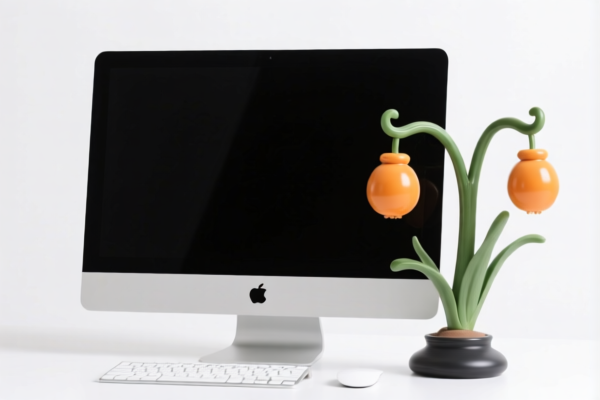

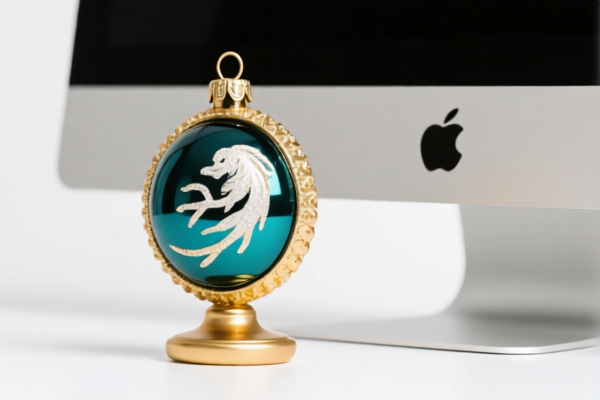

AI Analysis
🏺 Desktop Ornament (Decorative Display Items)
🌐 HS Code Reference & Customs Clearance Guide | 2026 Latest Tariff Breakdown | Professional Entry Strategy
📌 I. Product Definition & Classification: Do You Really Understand "Decorative Ornaments"?
"Desktop Ornament" is a broad commercial term referring to small decorative items placed on tables, shelves, or desks for aesthetic purposes. In international trade, classification strictly depends on material composition. Since the input "Desktop Ornament" lacks specific material details, customs authorities rely on common sense inference based on typical manufacturing materials (Ceramic, Wood, Glass).
⚠️ Critical Distinction Point:
- If made of Ceramic → Classify under Chapter 69 (Ceramic Products)
- If made of Wood → Classify under Chapter 44 (Wood and Articles of Wood)
- If made of Glass → Classify under Chapter 70 (Glass and Glassware)
- No material specified? Customs may infer based on common usage, leading to different tax liabilities. Misclassification can result in severe penalties.
📦 II. HS Code Classification Details (2026 Latest Tariff Authority Comparison)
Based on the provided data, here are the five most likely HS Codes for "Desktop Ornament," ranging from lowest to highest tax burden.
| HS Code | Product Description | Inferred Material | Key Classification Logic |
|---|---|---|---|
6913.10.50.00 |
Ceramic Statuettes & Other Ornamental Ceramic Articles | Ceramic | Matches "ornamental ceramic products"; no material conflict. |
6913.90.50.00 |
Other Ceramic Statuettes & Ornamental Articles | Ceramic | Matches form/usage; inferred as ceramic or decorative material. |
4420.19.00.00 |
Other Wooden Ornaments | Wood | Inferred as wooden based on common sense; no conflict with "other" category. |
4420.90.80.00 |
Other Wooden Ornaments | Wood | Matches "ornaments" category; inferred as wooden. |
7018.90.50.00 |
Lampworked Glass Statuettes & Other Decorative Glass | Glass | Inferred as glass; matches "lampworked glass" decorative use. |
🔍 Key Reminder:
- Ceramic vs. Wood vs. Glass: The tax rate difference is massive (from 17.5% to 41.6%).
- Misclassification Risk: Declaring a ceramic ornament as "wooden" (4420.19.00.00) to save tax is considered fraud. Evidence (photos, specs) must match the declared material.
- "Other" Categories: Codes ending in.90or.50often catch items that don’t fit specific primary definitions but still fall under the chapter.
💰 III. 2026 Latest Tariff Rate Breakdown (Including Surcharges & Policy Add-ons)
✅ Applicable Country: United States (US)
✅ Origin: China (CN)
✅ Effective Date: 2025/2026 (Based on current 301/IEEPA tariffs)
🎯 1. 6913.10.50.00 — Ceramic Ornamental Statuettes (Lowest Tax)
| Item | Content |
|---|---|
| Base Tariff | 0.0% |
| 301 Additional Tariff | 7.5% |
| IEEPA Tariff (Section 122) | 10% |
| Total Rate | 17.5% |
| Tax Calculation | CIF Value × 17.5% |
| De Minimis Exemption? | ❌ No (High duty rate usually blocks Section 321 de minimis for commercial shipments) |
| Legal Basis Path | Base: 0% → USITC Footnote 9903.88.01 (7.5%) → IEEPA 10% |
📌 Explanation:
- This is the most tax-efficient classification for ceramic items.
- The 7.5% is from the Section 301 List 4A (or similar updated list).
- The 10% is a fixed IEEPA surcharge on Chinese goods.
- Total Cost Impact: Low. Ideal for high-margin, low-weight ceramic decor.
🎯 2. 6913.90.50.00 — Other Ceramic Ornamental Articles
| Item | Content |
|---|---|
| Base Tariff | 6.0% |
| 301 Additional Tariff | 7.5% |
| IEEPA Tariff (Section 122) | 10% |
| Total Rate | 23.5% |
| Tax Calculation | CIF Value × 23.5% |
| De Minimis Exemption? | ❌ No |
| Legal Basis Path | Base: 6.0% → USITC Footnote 9903.88.01 (7.5%) → IEEPA 10% |
📌 Note:
- Slightly higher due to the 6% base tariff for "other" ceramic statuettes.
- Still relatively competitive compared to wood/glass options.
🎯 3. 4420.19.00.00 — Wooden Ornaments (Lowest Wood Tax)
| Item | Content |
|---|---|
| Base Tariff | 3.2% |
| 301 Additional Tariff | 0.0% |
| IEEPA Tariff (Section 122) | 10% |
| Total Rate | 13.2% |
| Tax Calculation | CIF Value × 13.2% |
| De Minimis Exemption? | ❌ No (Check specific trade war status; 0% 301 is rare for China) |
| Legal Basis Path | Base: 3.2% → USITC: 0% → IEEPA 10% |
📌 Explanation:
- Surprisingly Low Total Rate (13.2%) because the 301 Additional Tariff is 0% in this specific subheading (if confirmed in latest updates).
- High Risk: If customs determines the item is not wood (e.g., it’s resin painted to look like wood), this declaration is fraudulent.
- Best Option for Wood: If confirmed wooden, this is the cheapest classification overall.
🎯 4. 4420.90.80.00 — Other Wooden Ornaments
| Item | Content |
|---|---|
| Base Tariff | 3.2% |
| 301 Additional Tariff | 25.0% |
| IEEPA Tariff (Section 122) | 10% |
| Total Rate | 38.2% |
| Tax Calculation | CIF Value × 38.2% |
| De Minimis Exemption? | ❌ No |
| Legal Basis Path | Base: 3.2% → USITC Footnote 9903.88.01 (25%) → IEEPA 10% |
📌 Warning:
- The 25% 301 Tariff significantly increases costs.
- This rate applies to "other" wooden ornaments that don’t fit the specific4420.19definition but are still wooden.
- Avoid if possible unless the item specifically fits this "other" category.
🎯 5. 7018.90.50.00 — Lampworked Glass Decorations (Highest Tax)
| Item | Content |
|---|---|
| Base Tariff | 6.6% |
| 301 Additional Tariff | 25.0% |
| IEEPA Tariff (Section 122) | 10% |
| Total Rate | 41.6% |
| Tax Calculation | CIF Value × 41.6% |
| De Minimis Exemption? | ❌ No |
| Legal Basis Path | Base: 6.6% → USITC Footnote 9903.88.01 (25%) → IEEPA 10% |
📌 Note:
- Highest Tax Burden (41.6%).
- Glass items, especially handcrafted or lampworked, attract high base duties and full 301 tariffs.
- Only choose this if the item is definitively glass and no other classification applies.
🛠️ IV. Customs Clearance Practical Advice (实战避坑指南)
✅ 1. Preparation Checklist (Non-Negotiable)
| Document | Required | Purpose |
|---|---|---|
| ✅ Product Photos | ✔️ | Must clearly show material (glaze for ceramic, grain for wood, transparency for glass). |
| ✅ Material Specification | ✔️ | e.g., "Porcelain," "Oak Wood," "Lead-Free Glass." |
| ✅ Commercial Invoice | ✔️ | Describe as "Ceramic Decorative Figurine," not just "Desktop Ornament." |
| ✅ Packing List | ✔️ | Weight and dimensions must match HS Code duty calculations. |
| ✅ Pre-Ruling Request | ✔️ | Strongly Recommended for ambiguous items. |
✅ 2. Declaration Strategy (Key Mantra)
🔥 “Material First, Name Second, 301 Check Third!”
| Scenario | Correct Declaration | Wrong Practice | Consequence |
|---|---|---|---|
| Ceramic Item | 6913.10.50.00 + "Ceramic Ornament" |
Declared as Wood | Penalty + Back Duties (23.5% vs 17.5%) |
| Wooden Item | 4420.19.00.00 + "Wooden Ornament" |
Declared as Ceramic | Penalty + Back Duties (13.2% vs 17.5%) |
| Glass Item | 7018.90.50.00 + "Glass Ornament" |
Declared as Resin | Severe Fraud Charges |
| Resin/Plastic Item | Not in provided data (Likely Ch. 39/32) | Forced into Wood/Ceramic | Misclassification |
✅ 3. Special Cases Handling
| Situation | Advice |
|---|---|
| Multi-Material Items (e.g., Ceramic body + Wood base) | Classify by essential character (usually the main material, i.e., Ceramic). |
| Mixed Containers (Some ceramic, some wood) | Split the declaration. Do not combine. Each HS Code has a different rate. |
| "Unknown Material" | If origin documentation is missing, customs may default to the highest taxable category or seize the goods. Always specify material. |
| De Minimis (Section 321) | Most of these HS Codes have high tariffs (>8%), so they do NOT qualify for the $800 de minimis exemption for commercial shipments. Full entry is required. |
🌍 V. Global Market Comparison (2026 Latest)
| Market | Recommended HS Code | Est. Total Duty | Key Certification | Note |
|---|---|---|---|---|
| 🇺🇸 USA | 6913.10.50.00 (Ceramic) |
17.5% | None specific for decor | Cheapest option for ceramic. |
| 🇺🇸 USA | 4420.19.00.00 (Wood) |
13.2% | None specific | Cheapest overall IF verified wood. |
| 🇪🇺 EU | 6913.10.50.00 |
~0-6% | CE (if applicable) | No 301/IEEPA surcharges. |
| 🇨🇳 China | 6913.10.50.00 |
~5-10% | CCC (if applicable) | Low base duty. |
📌 Conclusion:
- USA is the most complex market due to IEEPA + 301 tariffs.
- Ceramic (6913.10.50.00) and Wood (4420.19.00.00) are the most tax-efficient for Chinese exports.
- Glass (7018.90.50.00) is the most expensive to import into the US.
📌 VI. Common Mistakes & Pitfalls (Blood & Tears Lessons)
❌ Mistake 1: Declaring a Ceramic item as "Wood" to save tax.
👉 Consequence: Customs inspects, finds ceramic glaze, demands 13.2% - 17.5% refund + penalties.
❌ Mistake 2: Using "Desktop Ornament" as the only description.
👉 Consequence: Customs cannot determine material, may assign worst-case HS Code (e.g., 7018.90.50.00 at 41.6%).
❌ Mistake 3: Ignoring IEEPA 10% surcharge.
👉 Consequence: Budgeting errors. All Chinese-origin goods in these chapters face the 10% add-on.
❌ Mistake 4: Assuming De Minimis applies.
👉 Consequence: If duty rate > 3% (most do), Section 321 does not apply. You need a formal entry bond.
✅ Correct Practice:
"Ceramic Decorative Statue, Hand-Painted, Glazed, Model #123, Material: Porcelain"
"Wooden Carved Figurine, Oak, Model #456, Material: Solid Wood"
🎯 VII. Conclusion: Precision Classification, Cost Optimization!
🎯 Remember the Mantra:
🔹 "Material is King! Ceramic (17.5%), Wood (13.2%), Glass (41.6%)!"
🔹 "Don’t guess the HS Code! Verify the material first!"
🔹 "301 + IEEPA = High Taxes! Plan your supply chain accordingly!"
📌 Pro Tip:
If your product is Resin or Plastic (common for cheap ornaments), it is NOT in this data set. It likely falls under Chapter 39 or Chapter 32, with different duties. Always clarify material.
📣 Immediate Action:
📞 Contact your customs broker with clear photos and material specs.
📄 Request an Advance Ruling (Ruling Letter) from CBP for high-volume items.
🚀 Optimize for4420.19.00.00(13.2%) or6913.10.50.00(17.5%) if possible.
✨ Professional Clearance Starts with Accurate Classification!
💼 Every percentage point of duty matters to your profit margin!
Customer Reviews
About HS Code Classification
The Harmonized System (HS) is an internationally standardized nomenclature developed by the World Customs Organization (WCO) to classify traded products. Over 200 countries use the HS system as the basis for customs tariffs, trade statistics, and import/export regulations.
Each HS code follows a hierarchical structure:
- Chapter (2 digits) — Broad category of goods (e.g., Chapter 84: Machinery and Mechanical Appliances)
- Heading (4 digits) — More specific grouping within the chapter
- Subheading (6 digits) — Internationally standardized breakdown, used by all WCO member countries
- National subdivisions (8-10 digits) — Country-specific extensions for further classification, such as US HTSUS 10-digit codes
Correct HS code classification is essential for smooth customs clearance, accurate duty payment, and compliance with trade regulations. Misclassification can lead to customs delays, overpayment of duties, or penalties.
When importing from CN to US, the applicable tariff rates may include:
- Most-Favored-Nation (MFN) rate — The standard duty rate applied to WTO members
- General rate — Applied to countries without trade agreements
- Trade remedy duties — Additional tariffs such as Section 301 (anti-dumping), Section 232 (national security), or countervailing duties
The information provided on this page is for reference purposes only. For official classification, please consult with your local customs authority or a licensed customs broker.