Desktop Storage Box 1 Layer Flat Style
CN → US| HS Code | Tariff Rate | Origin | Destination | Doc |
|---|---|---|---|---|
| 3926909989 | 22.8% | CN | US | Official Doc |
| 3926100000 | 15.3% | CN | US | Official Doc |
| 4421999880 | 38.3% | CN | US | Official Doc |
| 7326903500 | 92.8% | CN | US | Official Doc |
| 3926909989 | 22.8% | CN | US | Official Doc |
Product Images
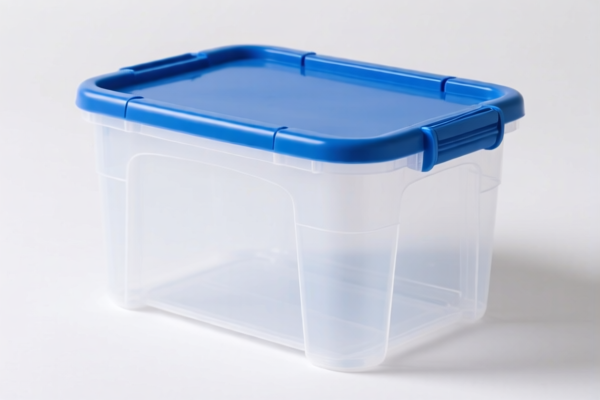
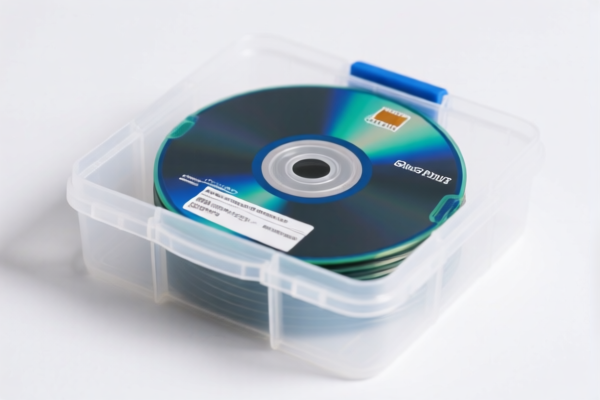


AI Analysis
🖥️ Desktop Storage Box 1 Layer Flat Style
🌐 HS Code Reference & Customs Clearance Guide | 2026 Latest Tariff Breakdown | Professional Strategy
📌 I. Product Definition & Classification: What is a "Desktop Storage Box"?
A 1-Layer Flat Style Desktop Storage Box is a non-electronic organizational accessory used on desks, countertops, or shelves. Its primary function is the containment and organization of small office items (pens, clips, paperclips), personal effects (keys, cards), or industrial components.
In international trade, the classification strictly depends on the material of construction. The "flat style" and "1-layer" design indicate it is not a complex assembly but a simple container.
Critical Distinctions: * Wood/Bamboo Boxes: If made of solid wood, laminated wood, or bamboo, it falls under Chapter 44 (Wood). * Plastic Boxes: If made of synthetic polymers (ABS, PP, PVC, etc.), it falls under Chapter 39 (Plastics). * Metal Boxes: If made of iron or steel, it falls under Chapter 73 (Iron/Steel). * Containers Carried on Person: Crucial Exception: If the box is small enough to be a "pocket" or "handbag" style container, it falls under Chapter 73 (Iron/Steel) specifically for 7326.90.35.00.
⚠️ Key Differentiator for Classification:
- Wood/Bamboo + General Use:4421.99.98.80(Other articles of wood) OR4421.91.98.80(Of bamboo).
- Iron/Steel + "Carried on Person" style:7326.90.35.00(Specific for small containers).
- Iron/Steel + General Desktop Use:7326.90.86.88(Other articles).
- Plastic + Office/General Use:3926.10.00.00(Office supplies) OR3926.90.99.89(Other plastics).
📦 II. HS Code Classification Details (2026 Official Tariff Matching)
Based on your input data, here are the exact classifications and tax implications for the Desktop Storage Box:
| HS Code | Material & Description | Applicable Scenario | Tax Logic |
|---|---|---|---|
4421.99.98.80 |
Wood: Other articles of wood (Other) | Desktop organizers made of solid wood, MDF, or laminated wood. | Total Tax: 28.3% (Base 3.3% + Add-on 25.0%) |
4421.91.98.80 |
Bamboo: Of bamboo (Other) | Eco-friendly organizers made of bamboo strips or processed bamboo. | Total Tax: 28.3% (Base 3.3% + Add-on 25.0%) |
7326.90.35.00 |
Iron/Steel: Containers normally carried on person | Small flat metal boxes designed to be kept in a pocket or handbag. | Total Tax: 50.0% (Base 0% + Steel/Alum/Cu Add-on 50%) |
7326.90.86.88 |
Iron/Steel: Other (Desktop/General) | Larger desktop boxes made of iron/steel not intended for pocket carry. | Total Tax: 77.9% (Base 2.9% + Add-on 25% + Steel Add-on 50%) |
3926.10.00.00 |
Plastic: Office or school supplies | Plastic organizers specifically categorized as "Office Supplies". | Total Tax: 0.0% (Base 0% + Add-on 0%) ✅ Lowest Tax |
3926.90.99.89 |
Plastic: Other | Plastic organizers that do not fit the "Office Supplies" specific category. | Total Tax: 12.8% (Base 5.3% + Add-on 7.5%) |
🔍 Critical Tax Insight:
- Plastic Office Supplies (3926.10.00.00) offer a 0% tax rate, making them the most cost-effective option if the design fits the "Office/Supplies" definition. - Iron/Steel Desktop Boxes (7326.90.86.88) face a massive 77.9% tax burden due to the叠加 (stacking) of the 25% add-on and the 50% Steel/Aluminum/Copper surcharge. This is the highest risk category. - Wood/Bamboo (4421.xxxxxx) faces a moderate 28.3% tax (Base 3.3% + 25% Add-on).
💰 III. 2026 Tariff Rate Breakdown (Detailed Analysis)
✅ Applicable Market: USA (US)
✅ Origin: China (CN)
✅ Context: Includes Section 301 Tariffs and Steel/Aluminum Surcharge (232)
🎯 1. Wood & Bamboo Cases (4421.99.98.80 / 4421.91.98.80)
- Base Duty: 3.3%
- Section 301 Surcharge: 25.0%
- Total Tax: 28.3%
- Calculation: CIF Value × 28.3%
- Status: High Risk due to 25% add-on.
- Note: No additional Steel/Aluminum surcharge applies here.
🎯 2. Iron/Steel "Pocket" Containers (7326.90.35.00)
- Base Duty: 0.0%
- Section 301 Surcharge: 0.0%
- Steel/Aluminum/Cu Surcharge (232): 50.0%
- Total Tax: 50.0%
- Calculation: CIF Value × 50.0%
- Status: Very High Risk. The 50% surcharge alone destroys margins.
- Note: This category is for small containers meant for carrying on person. If your box is a standard desktop organizer, it likely falls under the 77.9% category.
🎯 3. Iron/Steel "Desktop" Containers (7326.90.86.88)
- Base Duty: 2.9%
- Section 301 Surcharge: 25.0%
- Steel/Aluminum/Cu Surcharge (232): 50.0%
- Total Tax: 77.9%
- Calculation: CIF Value × 77.9%
- Status: Catastrophic. This is the worst-case scenario for steel boxes.
- Warning: Do not import steel desktop organizers without a massive budget increase.
🎯 4. Plastic Office Supplies (3926.10.00.00)
- Base Duty: 0.0%
- Section 301 Surcharge: 0.0%
- Total Tax: 0.0%
- Calculation: CIF Value × 0%
- Status: Zero Risk / Best Option.
- Strategy: Ensure the box is marketed and described as "Office Supplies" or "School Supplies" to qualify.
🎯 5. Other Plastic Articles (3926.90.99.89)
- Base Duty: 5.3%
- Section 301 Surcharge: 7.5%
- Total Tax: 12.8%
- Status: Moderate Risk.
- Strategy: Avoid this if possible; try to qualify for
3926.10.00.00(Office Supplies) to get 0%.
🛠️ IV. Customs Clearance Practical Advice (Avoiding Pitfalls)
✅ 1. Material Verification (The Most Critical Step)
- Rule: You cannot declare a plastic box as wood or vice versa.
- Action:
- If the box is Wood/Bamboo: Declare as
4421.99.98.80(or Bamboo code). Expect 28.3%. - If the box is Plastic: Crucial! Define it as "Office Supplies". Declare as
3926.10.00.00for 0% tax. If declared as "Other Plastic," tax jumps to 12.8%. - If the box is Steel: AVOID unless you have a special tariff exclusion. The 77.9% tax makes it unprofitable. If it is small enough to be a "pocket container," the tax is still 50%.
- If the box is Wood/Bamboo: Declare as
✅ 2. Description & Declaration Strategy
- Do NOT say: "Iron Storage Container" (Triggers 77.9% tax).
- DO SAY (for Plastic): "Desktop Organizer, 1 Layer Flat Style, Plastic, for Office Use."
- Why? This targets
3926.10.00.00(Office Supplies).
- Why? This targets
- Do NOT say: "Pocket Container" (unless it truly is).
- Why? Declaring a large desktop box as a "pocket container" (
7326.90.35.00) is considered misclassification fraud and leads to severe penalties.
- Why? Declaring a large desktop box as a "pocket container" (
✅ 3. Special "Steel" Warning
- Scenario: You have a steel box.
- Problem: Even the lowest steel classification (
7326.90.35.00) is 50%. The standard desktop steel box is 77.9%. - Recommendation: Switch to Plastic or Wood/Bamboo for the US market. Steel is currently a "tariff trap" for this product type.
✅ 4. Documentation Checklist
| Document | Requirement |
|---|---|
| Product Material Report | Must explicitly state "100% Plastic" or "Solid Wood" to avoid misclassification. |
| Photos | Clear images showing it is a desktop organizer, not a pocket item. |
| HS Code Declaration | Must match the material (Plastic -> 3926, Wood -> 4421). |
| Marketing Description | Use terms like "Office Supply," "Desk Accessory," "School Organizer" to support 3926.10.00.00. |
🌍 V. Global Market Comparison (2026 Estimate)
| Market | Recommended HS Code | Est. Tax (China Origin) | Strategy |
|---|---|---|---|
| 🇺🇸 USA | 3926.10.00.00 (Plastic) |
0% | Best Option. Steel is 77.9%. |
| 🇺🇸 USA | 4421.99.98.80 (Wood) |
28.3% | Moderate risk. |
| 🇪🇺 EU | 3926.90.99 (Plastic) |
~6-12% | Lower steel surcharges than US. |
| 🇨🇳 China (Export) | Varies | Base Duty Only | No Section 301 or 232 surcharges. |
📌 VI. Common Mistakes & "Blood and Tears" Lessons
❌ Mistake 1: Declaring Plastic as "Other Plastics" * Consequence: Tax jumps from 0% to 12.8%. * Fix: Ensure the commercial invoice lists "Office Supplies" or "School Supplies."
❌ Mistake 2: Importing Steel Boxes * Consequence: Tax 77.9% makes the product unprofitable. * Fix: Switch to Plastic or Wood immediately.
❌ Mistake 3: Declaring Desktop Boxes as "Pocket Containers" * Consequence: Customs rejects the declaration as "False Declaration." * Fix: Be honest about the size. If it sits on a desk, it is a desktop organizer.
❌ Mistake 4: Ignoring Material Composition * Consequence: If a "Wood" box has metal hinges, it might still be classified as wood, but mixed materials can trigger complex rules. * Fix: Keep materials simple.
🎯 VII. Conclusion: Professional Strategy
🚀 The Golden Rule for 2026:
Use Plastic (Office Supplies) for 0% Tax. Avoid Steel at all costs.
Action Plan:
1. Material Switch: If you currently sell steel boxes, pivot to Plastic (for 0% tax) or Bamboo/Wood (for 28.3% tax).
2. Labeling: On your invoices, strictly use "Plastic Office Organizer" to qualify for 3926.10.00.00.
3. Avoid Steel: The 77.9% tax is a dealbreaker for most desktop storage items.
💡 Pro Tip:
"A plastic box for $5 with 0% tax is better than a steel box for $10 with 77.9% tax. Materials are your profit margin!"
✨ Professional Clearance Starts with the Right Material!
💼 Calculate your tax before you ship!
Customer Reviews
About HS Code Classification
The Harmonized System (HS) is an internationally standardized nomenclature developed by the World Customs Organization (WCO) to classify traded products. Over 200 countries use the HS system as the basis for customs tariffs, trade statistics, and import/export regulations.
Each HS code follows a hierarchical structure:
- Chapter (2 digits) — Broad category of goods (e.g., Chapter 84: Machinery and Mechanical Appliances)
- Heading (4 digits) — More specific grouping within the chapter
- Subheading (6 digits) — Internationally standardized breakdown, used by all WCO member countries
- National subdivisions (8-10 digits) — Country-specific extensions for further classification, such as US HTSUS 10-digit codes
Correct HS code classification is essential for smooth customs clearance, accurate duty payment, and compliance with trade regulations. Misclassification can lead to customs delays, overpayment of duties, or penalties.
When importing from CN to US, the applicable tariff rates may include:
- Most-Favored-Nation (MFN) rate — The standard duty rate applied to WTO members
- General rate — Applied to countries without trade agreements
- Trade remedy duties — Additional tariffs such as Section 301 (anti-dumping), Section 232 (national security), or countervailing duties
The information provided on this page is for reference purposes only. For official classification, please consult with your local customs authority or a licensed customs broker.