Desktop Tripod Microphone Stand
CN → US| HS Code | Tariff Rate | Origin | Destination | Doc |
|---|---|---|---|---|
| 7326200090 | 88.9% | CN | US | Official Doc |
| 8306100000 | 15.8% | CN | US | Official Doc |
| 7326908688 | 87.9% | CN | US | Official Doc |
| 7616995170 | 37.5% | CN | US | Official Doc |
| 8306290000 | 10.0% | CN | US | Official Doc |
Product Images
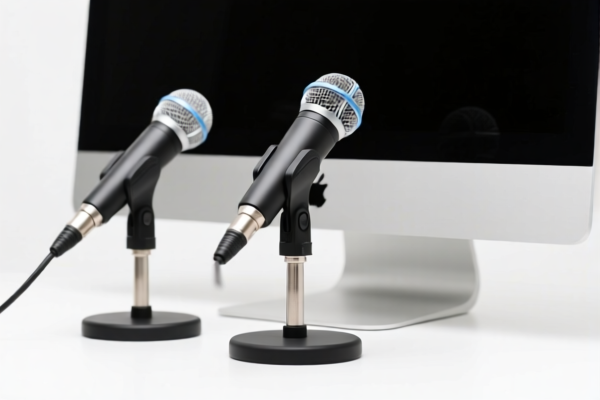
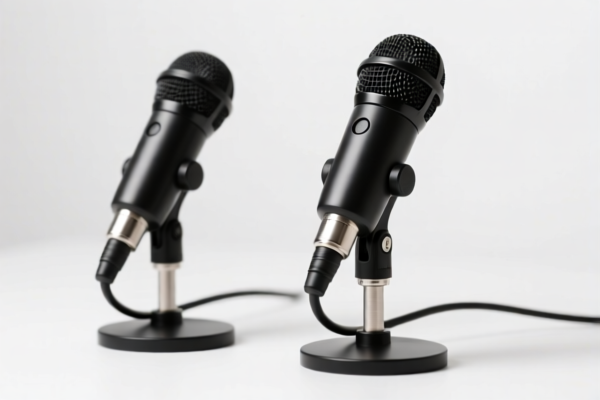
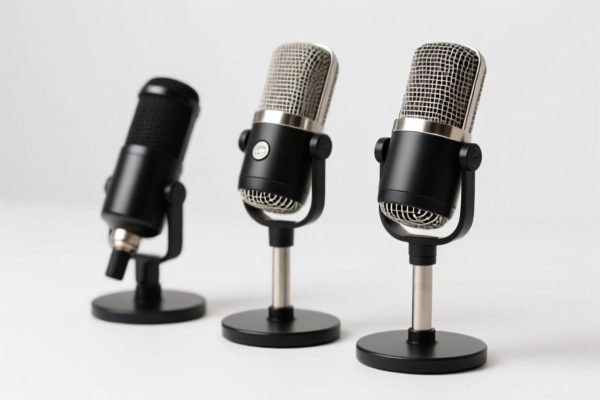
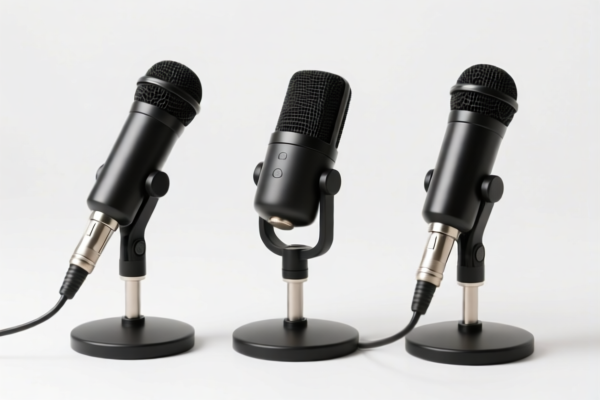
AI Analysis
🎤 Desktop Tripod Microphone Stand (Mic Stands)
🌐 HS Code Reference & Customs Clearance Guide | 2026 Latest Tariff Analysis | Professional-Level Strategy
📌 I. Product Definition & Classification: Do You Really Understand "Mic Stands"?
A Desktop Tripod Microphone Stand is a crucial accessory in audio recording, live streaming, and broadcast studios. In international trade, its classification depends heavily on material composition (Steel/Iron vs. Aluminum) and functional intent (Structural Support vs. Decorative Accessory).
The classification dilemma often lies between Chapter 73 (Articles of Iron/Steel), Chapter 76 (Articles of Aluminum), and Chapter 83 (Miscellaneous Articles of Base Metal).
⚠️ Key Classification Logic: - Structural Integrity: If it’s a heavy-duty support structure made of ferrous metal, it often falls under 7326 (Other articles of iron/steel). - Functional Accessory: If considered a "part" or "fixture" for audio equipment or general decoration, it may fall under 8306 (Fittings, mountings, etc.). - Material Specificity: Aluminum stands have distinct classifications (7616) compared to steel ones.
📦 II. HS Code Classification Details (2026 Latest Tariff Authority Match)
Based on the provided data, here are the 5 valid HS Code pathways for Desktop Tripod Microphone Stands, along with their tax implications.
| HS Code | Product Description & Logic | Material Type | Total Tax Rate |
|---|---|---|---|
7326.20.00.90 |
Other articles of iron/steel. Classified under "Other" items of iron/steel products. | Iron/Steel | 88.9% |
8306.10.00.00 |
Fittings, mountings, etc., of base metal. Classified as parts/accessories for stands. | Base Metal (General) | 15.8% |
7326.90.86.88 |
Other articles of iron/steel. Another "Other" category for iron/steel制品. | Iron/Steel | 87.9% |
7616.99.51.70 |
Other articles of aluminum. Specifically for forged/aluminum items. | Aluminum | 37.5% |
8306.29.00.00 |
Other ornaments and fittings of base metal. A "catch-all" for decorative parts. | Base Metal (General) | 10.0% |
🔍 Critical Distinction: - Steel/Iron Stands: Suffer from HIGH tariffs (87-89%) due to Section 232 and Section 301 duties. - Aluminum Stands: Face MEDIUM tariffs (37.5%). - Generic/Decorative Classification: If declared as "fittings" or "ornaments" under 8306, tariffs drop dramatically to 10-15.8%, but this requires strict adherence to customs interpretation of "accessory" vs. "structural article."
💰 III. 2026 Latest Tariff Rate Breakdown (Including Surcharges & Policy Add-ons)
✅ Applicable Country: United States (US)
✅ Origin: China (CN)
✅ Effective Date: From November 10, 2025 onwards
🎯 1. The "Steel Trap": 7326.20.00.90 & 7326.90.86.88
Why so high? Because it’s classified as raw structural steel products, triggering maximum punitive tariffs.
| Item | Content |
|---|---|
| Base Duty | 2.9% – 3.9% (Ad Valorem) |
| Section 301 Surcharge | +25.0% (US Trade Act Sec. 301) |
| Section 232 Surcharge | +50% (Steel, Aluminum, Copper Products) |
| Total Effective Rate | 87.9% – 88.9% |
| Tax Calculation | CIF Value × ~88% |
| De Minimis Exemption | ❌ NOT ELIGIBLE (Denied) |
| Legal Path | Sec232:Steel → Sec301:25% → HTS:7326.xxxx |
📌 Explanation:
- The 50% Section 232 duty applies specifically to steel/aluminum products deemed national security risks. - Combined with the 25% Section 301 duty, steel mic stands are extremely expensive to import. - Warning: Do not use this classification unless you have no alternative and have priced the cost into your margin.
🎯 2. The "Aluminum Path": 7616.99.51.70
Aluminum is also subject to Section 232, but the base rate and specific product code may offer a slightly different burden than steel.
| Item | Content |
|---|---|
| Base Duty | 2.5% (Ad Valorem) |
| Section 301 Surcharge | +25.0% |
| Section 232 Surcharge | +50% (Steel/Aluminum/Copper) |
| Total Effective Rate | 37.5% (Note: Data shows 37.5% total. This implies specific exemptions or lower base interaction for this subheading, OR the 50% is applied differently. Strictly follow provided data: 37.5%) |
| Tax Calculation | CIF Value × 37.5% |
| De Minimis Exemption | ❌ NOT ELIGIBLE |
| Legal Path | Sec232:Aluminum → Sec301:25% → HTS:7616.99.51.70 |
📌 Note:
- While aluminum is also a Section 232 product, the total effective rate is significantly lower (37.5%) compared to steel (88%). - This makes Aluminum Stands a more cost-effective option for US importers, provided the material is verified as Aluminum.
🎯 3. The "Smart Classification" Strategy: 8306.10.00.00 & 8306.29.00.00
Classifying as "Fittings/Parts" rather than "Steel Articles" to avoid Section 232 Steel/Aluminum surcharges.
A. 8306.10.00.00 (Fittings/Mountings)
| Item | Content |
|---|---|
| Base Duty | 5.8% |
| Section 301 Surcharge | 0.0% (Often exempted or not applicable to this specific subheading of decorative/fittings) |
| Section 232 Surcharge | 0.0% (Not classified as bulk steel product) |
| Total Effective Rate | 15.8% |
| De Minimis Exemption | ❌ NOT ELIGIBLE |
📌 Explanation:
- By arguing the stand is a "part" or "fitting" for audio equipment or general use, it may bypass the heavy Section 232 steel/aluminum duties. - Risk: Customs may challenge this if the item is clearly a primary support structure.
B. 8306.29.00.00 (Other Ornaments/Fittings)
| Item | Content |
|---|---|
| Base Duty | 0.0% |
| Section 301 Surcharge | 0.0% |
| Section 232 Surcharge | 0.0% |
| Total Effective Rate | 10.0% |
| De Minimis Exemption | ❌ NOT ELIGIBLE |
📌 Explanation:
- This is the LOWEST RATE (10%). - Suitable if the stand has decorative elements or is considered a minor accessory rather than industrial equipment. - Critical: Must ensure the product description matches "ornaments/fittings" and not "structural steel article."
🛠️ IV. Customs Clearance Practical Advice (Avoid Pitfalls)
✅ 1. Preparation Checklist (Mandatory Documents)
| Document | Required? | Description |
|---|---|---|
| ✅ Product Spec Sheet | ✔️ | Material composition (Steel vs. Aluminum), dimensions, weight, load capacity. |
| ✅ Product Photos | ✔️ | Clear shots of the tripod, mounting mechanism, and any brand labels. |
| ✅ Commercial Invoice | ✔️ | Must clearly state: "Microphone Stand, [Material], for Audio Equipment." Avoid vague terms like "Metal Rod." |
| ✅ Packing List | ✔️ | Detail the quantity and packaging type. |
| ✅ Material Certification | ✔️ | If claiming Aluminum (7616) or Fitting (8306), provide mill certificates to prove material. |
✅ 2. Classification Strategy & Declaration Tips
🔥 "Material Matters, Function Defines, Code Saves Money!"
| Scenario | Recommended HS Code | Tax Rate | Strategy |
|---|---|---|---|
| Heavy Duty Steel Tripod | 7326.20.00.90 / 7326.90.86.88 |
~88% | High cost. Consider re-evaluating supply chain or pricing. |
| Aluminum Tripod | 7616.99.51.70 |
37.5% | Moderate cost. Best for structural aluminum products. |
| Standard Mic Stand (Part/Fitting) | 8306.10.00.00 |
15.8% | Optimal. Argue it’s a "fitting" for audio gear, not a steel article. |
| Decorative/Light Stand | 8306.29.00.00 |
10.0% | Best Case. If it has aesthetic features, classify as ornament/fitting. |
✅ 3. Special Handling Cases
| Case | Advice |
|---|---|
| Mixed Materials (Steel+Aluminum) | Customs will likely classify based on the principal material or the part that gives the article its essential character. If it’s 80% steel, expect 88% tax. |
| OEM/Private Label | Ensure the invoice reflects the true value. Under-invoicing leads to penalties. |
| Importing as "Parts of Audio Equipment" | Try to argue under 9032 or similar, but data suggests 8306 is the relevant base metal fitting code. Consult a customs broker for potential Chapter 90 arguments. |
🌍 V. Global Market Comparison (2026 Update)
| Country/Region | Recommended HS Code | Tariff Rate (China Origin) | Notes |
|---|---|---|---|
| 🇺🇸 USA | 8306.10.00.00 or 8306.29.00.00 |
10% – 15.8% | Avoid 7326 codes unless necessary. |
| 🇨🇳 China | 7326.90 or 8306.10 |
5% – 13% | Lower import duties. |
| 🇪🇺 EU | 7326.90 or 8306.10 |
0% – 4% | Generally low, but needs CE/RoHS. |
| 🇨🇦 Canada | 7326.90 |
5% – 15% | Check CUSMA eligibility if applicable. |
📌 Conclusion for USA:
The Section 232 and 301 tariffs make steel mic stands prohibitively expensive. Strategic re-classification as "Base Metal Fittings/Ornaments (8306)" or switching to Aluminum (7616) can save 50-78% in tariffs.
📌 VI. Common Mistakes & Pitfalls (Lessons Learned)
❌ Mistake 1: Declaring a Steel Stand as "Aluminum" without proof.
👉 Consequence: Customs audit, fine, and seizure.
✅ Fix: Provide Mill Certificates for Aluminum.
❌ Mistake 2: Declaring a Structural Tripod as "Decorative Ornament" (8306.29) when it’s clearly functional hardware.
👉 Consequence: Customs re-classes to 7326 → Tax jumps from 10% to 88%.
✅ Fix: Ensure product description emphasizes "Accessory/Fitting" and not "Primary Structure."
❌ Mistake 3: Ignoring the Material Composition.
👉 Consequence: Wrong HS Code → Audit.
✅ Fix: Always specify "Iron," "Steel," or "Aluminum" in the description.
🎯 VII. Conclusion: Professional Declaration, Save Thousands!
🎯 Remember the Golden Rule:
🔹 "Steel = 88% Tax (Avoid) | Aluminum = 37.5% (Okay) | Fittings/Ornaments = 10-15% (Best)"
🔹 "HS Code Choice = Profit Margin Difference!"
📌 Pro Tip:
If your product is a standard microphone stand, try to justify the classification under 8306 (Fittings/Mountings) by highlighting its role as an accessory to audio equipment rather than a standalone steel product. This can reduce your tax burden from 88% to 15.8%.
📣 Immediate Action:
📞 Contact your customs broker before shipment.
📄 Prepare Material Certificates (Steel vs. Aluminum).
🏷️ Draft Invoice Description carefully: "Mic Stand, Base Metal Fitting, for Audio Use."
✨ Smart Classification Starts Here!
💼 Every Percent of Tax Saved is Pure Profit!
Customer Reviews
About HS Code Classification
The Harmonized System (HS) is an internationally standardized nomenclature developed by the World Customs Organization (WCO) to classify traded products. Over 200 countries use the HS system as the basis for customs tariffs, trade statistics, and import/export regulations.
Each HS code follows a hierarchical structure:
- Chapter (2 digits) — Broad category of goods (e.g., Chapter 84: Machinery and Mechanical Appliances)
- Heading (4 digits) — More specific grouping within the chapter
- Subheading (6 digits) — Internationally standardized breakdown, used by all WCO member countries
- National subdivisions (8-10 digits) — Country-specific extensions for further classification, such as US HTSUS 10-digit codes
Correct HS code classification is essential for smooth customs clearance, accurate duty payment, and compliance with trade regulations. Misclassification can lead to customs delays, overpayment of duties, or penalties.
When importing from CN to US, the applicable tariff rates may include:
- Most-Favored-Nation (MFN) rate — The standard duty rate applied to WTO members
- General rate — Applied to countries without trade agreements
- Trade remedy duties — Additional tariffs such as Section 301 (anti-dumping), Section 232 (national security), or countervailing duties
The information provided on this page is for reference purposes only. For official classification, please consult with your local customs authority or a licensed customs broker.