Diagnostic Equipment
CN → US| HS Code | Tariff Rate | Origin | Destination | Doc |
|---|---|---|---|---|
| 9018199550 | 35.0% | CN | US | Official Doc |
| 9027894530 | 35.0% | CN | US | Official Doc |
| 9018194000 | 35.0% | CN | US | Official Doc |
| 9018195500 | 35.0% | CN | US | Official Doc |
Product Images
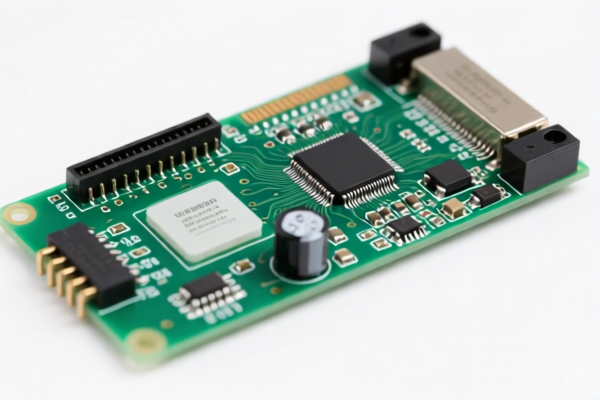
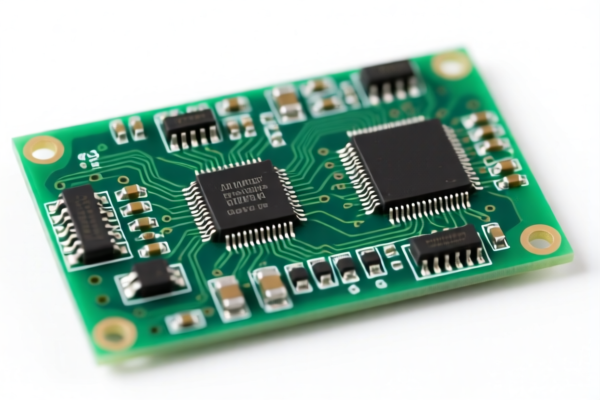
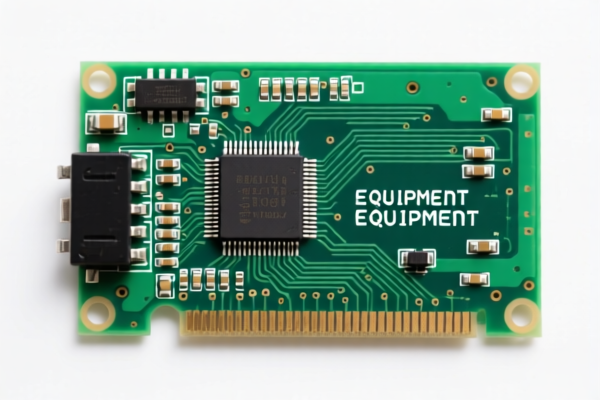
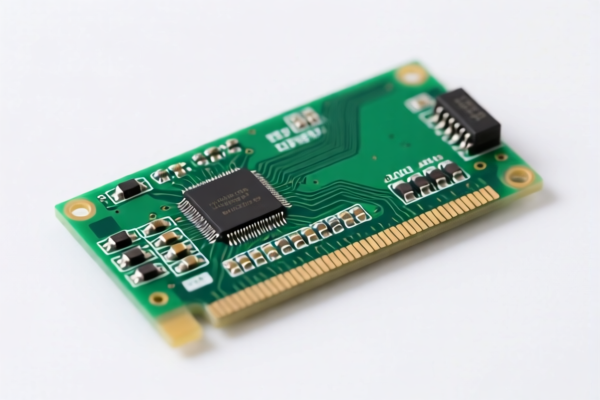
AI Analysis
🏥 Diagnostic Equipment (Medical Diagnostics)
🌐 HS Code Reference & Customs Clearance Guide | 2026 Latest Tariff Analysis | Professional Strategy
📌 Part I: Product Definition & Classification: What is "Diagnostic Equipment"?
Diagnostic Equipment refers to instruments used for functional exploration or physiological parameter examination. In international trade, these devices are critical for medical diagnosis, laboratory analysis, and physiological monitoring. However, the classification depends heavily on the technology used (electrical vs. chemical/physical) and the specific purpose (clinical diagnosis vs. laboratory analysis).
⚠️ Key Distinction Points:
- Electrical Diagnosis (9018.19.xxxx): Devices that explore bodily functions or check physiological parameters using electrical currents, voltages, or magnetic fields (e.g., ECG, EEG, EMG).
- Chemical/Physical Analysis (9027.89.xxxx): Instruments used for chemical analysis, physical testing, or measuring viscosity, surface tension, etc., often in a lab setting rather than direct patient monitoring.
📦 Part II: HS Code Classification Details (2026 Latest Tariff Authority)
Based on the provided data, the following HS Codes are applicable for Diagnostic Equipment imported into the USA from China.
| HS Code | Product Description | Applicable Scenario | Classification Logic |
|---|---|---|---|
9018.19.95.50 |
Other electro-diagnostic apparatus | Devices used for functional exploration or checking physiological parameters via electrical means | ✅ Electrical Diagnosis |
9018.19.40.00 |
Other electro-diagnostic apparatus | Devices for exploratory functional examination or checking physiological parameters | ✅ Electrical Diagnosis |
9018.19.55.00 |
Other electro-diagnostic apparatus | Devices consistent with electro-diagnostic equipment; no conflict in material or form | ✅ Electrical Diagnosis |
9027.89.45.30 |
Other instruments and apparatus for physical or chemical analysis | Instruments falling under medical or chemical testing categories, fitting the logic of chemical analysis apparatus | ✅ Chemical/Physical Analysis |
🔍 Critical Note:
- Electro-diagnostic codes (9018 series) are used when the device interacts with the body's electrical signals (like heartbeats, brain waves, muscle activity).
- Analysis codes (9027 series) are used when the device performs chemical tests or physical property measurements (e.g., blood gas analyzers, immunoassay analyzers) that do not rely on direct electrical physiological monitoring in the same way.
- All listed HS codes in the provided data carry the same tax burden.
💰 Part III: 2026 Latest Tariff Rate Breakdown (Including Surcharges & Policy Add-ons)
✅ Applicable Country: USA (US)
✅ Country of Origin: China (CN)
✅ Effective Date: 2025/2026 (Current Trade War Context)
🎯 1. All Listed HS Codes (9018.19.95.50, 9018.19.40.00, 9018.19.55.00, 9027.89.45.30)
| Item | Detail |
|---|---|
| Base Tariff | 0.0% (Most-favored-nation rate for these specific subheadings) |
| Section 301 Additional Tariff | +25.0% (Added by USITC under Section 301 of the Trade Act) |
| Section 122 Tariff (IEEPA) | +10.0% (Added under International Emergency Economic Powers Act, specific to certain Chinese medical/diagnostic goods) |
| Total Tariff Rate | 35.0% |
| Tax Calculation | CIF Value × 35% |
| De Minimis Eligibility | ❌ Not Eligible (Goods subject to Section 301 and Section 122 tariffs are excluded from de minimis exemptions, i.e., $800 threshold) |
| Legal Basis Path | Section 301: USITC Footnote → Section 122: IEEPA Authority → HS Code Specifics |
📌 Interpretation:
- The 0% base rate is misleading; the effective cost is driven by the 25% Section 301 tariff and 10% Section 122 tariff.
- Section 122 Tariff (10%) is particularly important for diagnostic equipment, as it targets specific categories of Chinese-manufactured goods under national emergency powers.
- Total 35% is a significant cost factor. Importers must factor this into their landed cost calculations.
🛠️ Part IV: Customs Clearance Practical Advice (Pitfall Avoidance Guide)
✅ 1. Required Documentation Checklist
| Document | Mandatory? | Explanation |
|---|---|---|
| ✅ Product Specification Sheet | ✔️ | Must detail technical parameters, power supply, and intended use (e.g., "ECG Monitor" vs. "Blood Gas Analyzer"). |
| ✅ Clinical/Laboratory Use Statement | ✔️ | Clarifies whether the device is for electro-diagnostic (9018) or chemical analysis (9027). |
| ✅ Product Photos (Including Label) | ✔️ | Clear view of model number, brand, and input/output ports. |
| ✅ FDA Registration/E510(k) | ✔️ | For medical devices, FDA clearance is often required for importation. Provide FDA 510(k) number if applicable. |
| ✅ Commercial Invoice | ✔️ | Must explicitly state "Diagnostic Equipment" and specify the HS Code. |
| ✅ Packing List | ✔️ | Detailed list of contents to avoid misclassification of accessories. |
✅ 2. Declaration Tips (Key Mantras)
🔥 "Accurate Function, Correct HS Code, Avoid 35% Shock!"
| Scenario | Correct Declaration | Wrong Practice |
|---|---|---|
| ECG/EEG/EMG Device | Use 9018.19.xxxx |
Misdeclare as general electronics → Risk of penalty |
| Blood Analyzer/Gas Analyzer | Use 9027.89.45.30 |
Misdeclare as 9018 → Customs may reclassify & charge |
| Mixed Bundle (Device + Software) | Declare Device as main item | Split software into separate line item → Risk of misclassification |
| Accessories (Cables, Electrodes) | Include in same shipment | Declare separately → May attract different duties or delays |
✅ 3. Special Situations Handling
| Situation | Handling Advice |
|---|---|
| Medical Device vs. Consumer Wellness | If it’s for clinical diagnosis (medical device), it falls under 9018/9027. If for general wellness (e.g., smartwatch heart rate), it might be under different HTS. Ensure clear distinction. |
| Software-Only Updates | Do not declare software alone if imported with hardware. Combine with hardware value. |
| FDA 510(k) Required? | Check if the device is Class II or III. If yes, provide FDA registration number to avoid holds at US port. |
| Section 122 Applicability | Confirm with your supplier if the product is specifically listed under Section 122 exclusions. Most diagnostic equipment from China is not excluded. |
🌍 Part V: Global Market Comparison (2026 Latest)
| Country/Region | Recommended HS Code | Tariff (China Origin) | Certification Required | Notes |
|---|---|---|---|---|
| 🇺🇸 USA | 9018.19.xxxx or 9027.89.45.30 |
35% (0% + 25% + 10%) | FDA + FCC (if electrical) | Highest cost due to Section 301 & 122 |
| 🇨🇳 China | Same HS Code | ~6-10% | NMPA (National Medical Products Admin) | Lower tariff, but strict regulatory approval |
| 🇪🇺 EU | Same HS Code | 0% (if under GSP or FTA) | CE Marking + MDR/IVDR | No Section 301/122 tariffs |
| 🇬🇧 UK | Same HS Code | 0-2% | UKCA Marking | Post-Brexit regulations apply |
| 🇦🇺 Australia | Same HS Code | 0-5% | TGA (Therapeutic Goods Admin) | No major tariffs, but strict health approvals |
📌 Conclusion:
- USA is the most expensive market for Chinese diagnostic equipment due to 35% effective tariff.
- EU, UK, and Australia offer more favorable tariff environments but require strict medical device compliance (CE, UKCA, TGA).
- Importers to the US must budget for 35% duty and ensure FDA compliance to avoid shipment delays.
📌 Part VI: Common Errors & Pitfall Guide (Lessons Learned)
❌ Error 1: Declaring "Diagnostic Equipment" without specifying type (Electro vs. Chemical)
👉 Consequence: Customs may reclassify to highest duty rate or request additional documentation → Delay + Storage Fees
❌ Error 2: Ignoring Section 122 Tariff (10%)
👉 Consequence: Underpayment of duty → Penalties + Interest
❌ Error 3: Splitting Hardware and Software Costs
👉 Consequence: Software may be duty-free, but hardware is 35%. Splitting incorrectly can lead to audit risks.
❌ Error 4: Using "Medical Device" without FDA Reference
👉 Consequence: CBP may hold shipment for FDA review → 3-6 weeks delay
✅ Correct Practice:
"Electro-Diagnostic Apparatus, Model XYZ, for ECG Monitoring, FDA Cleared, HS Code: 9018.19.95.50"
🎯 Part VII: Conclusion: Precision Saves Money!
🎯 Remember the Mantra:
🔹 "Function Determines HS Code, 35% Tax is the Reality, FDA Approval is the Key!"
🔹 "Don't Guess the Code, Confirm with Customs Broker!"
📌 Pro Tip:
- For USA imports, consider Supply Chain Diversification if possible, to mitigate the 35% tariff impact.
- Always apply for an Advance Ruling from US CBP if you are unsure about the classification (9018 vs 9027).
- Ensure your FDA registration is active and linked to the importer of record.
📣 Immediate Action:
📞 Contact a Licensed Customs Broker
📋 Provide Product Specs + FDA 510(k) Number
🚀 Ensure Accurate HS Code Classification to Avoid 35% Surprises!
✨ Professional Clearance Starts with Accurate Classification!
💼 Every Dollar Saved is a Dollar Earned!
Customer Reviews
About HS Code Classification
The Harmonized System (HS) is an internationally standardized nomenclature developed by the World Customs Organization (WCO) to classify traded products. Over 200 countries use the HS system as the basis for customs tariffs, trade statistics, and import/export regulations.
Each HS code follows a hierarchical structure:
- Chapter (2 digits) — Broad category of goods (e.g., Chapter 84: Machinery and Mechanical Appliances)
- Heading (4 digits) — More specific grouping within the chapter
- Subheading (6 digits) — Internationally standardized breakdown, used by all WCO member countries
- National subdivisions (8-10 digits) — Country-specific extensions for further classification, such as US HTSUS 10-digit codes
Correct HS code classification is essential for smooth customs clearance, accurate duty payment, and compliance with trade regulations. Misclassification can lead to customs delays, overpayment of duties, or penalties.
When importing from CN to US, the applicable tariff rates may include:
- Most-Favored-Nation (MFN) rate — The standard duty rate applied to WTO members
- General rate — Applied to countries without trade agreements
- Trade remedy duties — Additional tariffs such as Section 301 (anti-dumping), Section 232 (national security), or countervailing duties
The information provided on this page is for reference purposes only. For official classification, please consult with your local customs authority or a licensed customs broker.