Diagnostic Tool
CN → US| HS Code | Tariff Rate | Origin | Destination | Doc |
|---|---|---|---|---|
| 9031808085 | 10.0% | CN | US | Official Doc |
| 9031200000 | 36.7% | CN | US | Official Doc |
| 9028900080 | 35.0% | CN | US | Official Doc |
| 9027504060 | 35.0% | CN | US | Official Doc |
| 9027504060 | 35.0% | CN | US | Official Doc |
Product Images
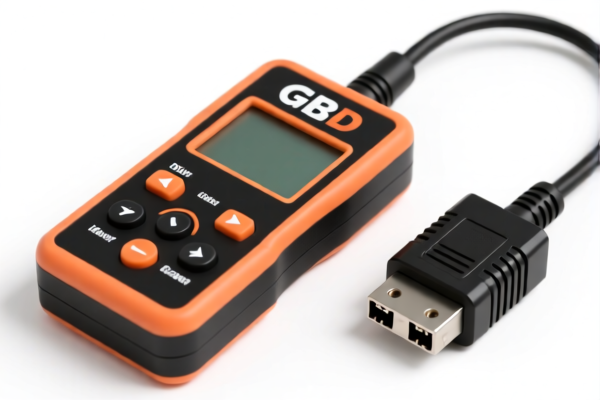
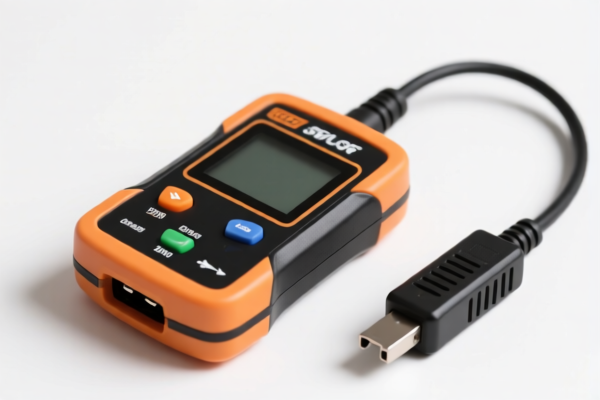
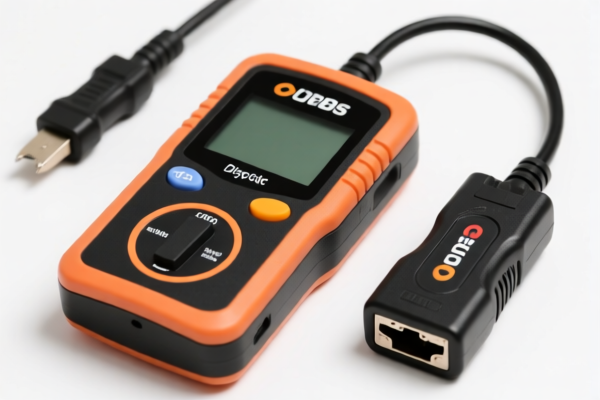
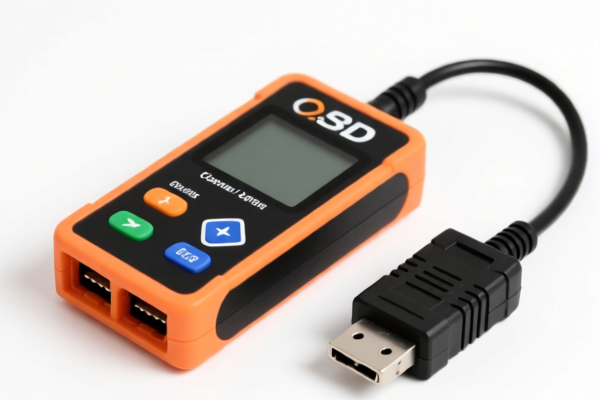
AI Analysis
🔧 Diagnostic Tools (Medical & Industrial Equipment)
🌐 HS Code Reference & Customs Clearance Guide | 2026 Latest Tariff Analysis | Professional Clearance Strategy
📌 I. Product Definition & Classification: What Exactly is a "Diagnostic Tool"?
In international trade, "Diagnostic Tools" is a broad category that lacks a single, specific HS Code. The classification depends entirely on the specific function, technology, and intended use of the device.
Generally, these tools fall into two main categories: 1. Medical Diagnostic Equipment: Devices used to diagnose diseases in humans or animals (e.g., ECG machines, endoscopes, blood analyzers). These typically fall under Chapter 90 (Optical, Photographic, Cinematographic, Measuring, Checking, Precision, Medical or Surgical Instruments). 2. Industrial/Automotive Diagnostic Equipment: Devices used to test machinery, vehicles, or electronics (e.g., OBD scanners, circuit testers). These may fall under Chapter 90 (if measuring/analyzing) or Chapter 85 (if purely electrical testing equipment).
⚠️ Critical Distinction:
- If the device measures physical/chemical parameters (like blood glucose, radiation, or gas composition) → Likely 9027 or 9028.
- If the device is a general-purpose measurement/inspection instrument not specified elsewhere → Likely 9031.
- If it is a test bench or analyzer for specific chemical/physical analysis → Likely 9027.50.
📦 II. HS Code Classification Details (2026 Authoritative Reference)
Based on the provided data, here are the possible HS Codes for "Diagnostic Tools," each with a specific rationale and tax implication.
| HS Code | Product Description & Rationale | Tax Rate (Total) | Tax Detail Breakdown |
|---|---|---|---|
| 9031.80.80.85 | General Measurement/Inspection Instrument: Classified as "Other instruments and appliances for measuring or checking" because it does not fit specific medical or chemical analyzer categories. | 10.0% | Base Tariff: 0.0% Additional Tariff: 0.0% Section 122 Tariff: 10% |
| 9031.20.00.00 | Test Bench/Diagnostic Station: Classified as a diagnostic tool used for testing/inspection functions, specifically fitting the "Test Bench" usage category. | 36.7% | Base Tariff: 1.7% Additional Tariff: 25.0% Section 122 Tariff: 10% |
| 9028.90.00.80 | Meter/Instrument Accessory: Classified under "Meters and Flow, Level, Pressure, etc." after excluding specific categories. It falls under "Other" meters and their accessories. | 35.0% | Base Tariff: 0.0% Additional Tariff: 25.0% Section 122 Tariff: 10% |
| 9027.50.40.60 | Physical/Chemical Analyzer: Classified as an analyzing instrument based on its function of measuring physical or chemical properties (e.g., radiation, chemical composition). | 35.0% | Base Tariff: 0.0% Additional Tariff: 25.0% Section 122 Tariff: 10% |
| 9027.50.40.60 | Optical/Radiation Analyzer: Specifically classified for tools using optical radiation or physical/chemical analysis methods. High functional match with analytical devices. | 35.0% | Base Tariff: 0.0% Additional Tariff: 25.0% Section 122 Tariff: 10% |
🔍 Key Insight:
- 9031.80.80.85 offers the lowest tariff (10%) but requires proving the tool is a general "measurement/inspection" instrument and not a specialized medical or chemical analyzer.
- 9027 and 9031.20 codes carry high tariffs (35-36.7%) due to the combination of base duties, 25% Additional Tariffs (likely Section 301/Trade War tariffs), and 10% Section 122 Tariffs.
💰 III. 2026 Latest Tariff Rate Breakdown (Including Surcharges)
✅ Applicable Country: United States (US)
✅ Origin: China (CN) (Assumed based on "122 Section Tariff" and "Additional Tariff 25%" which are typical US-China trade policy markers)
✅ Effective Date: Post-2025 Policies (Current 2026 Status)
🎯 1. 9031.80.80.85 – General Measurement/Inspection Instrument (Best Case Scenario)
| Item | Content |
|---|---|
| Base Tariff | 0% |
| Additional Tariff (USITC/Section 301) | 0% |
| Section 122 Tariff | +10% |
| Total Tax Rate | 10.0% |
| Tax Calculation | CIF Value × 10% |
| De Minimis Exemption | ❌ No (Diagnostic tools are typically high-value, not de minimis) |
| Legal Basis Path | USITC:9031.80.80.85 → Section 122 Tariff |
📌 Explanation:
- This is the most favorable classification if the tool can be argued as a general-purpose inspection device rather than a specialized medical or chemical analyzer.
- No 25% Additional Tariff applies here, which is a significant saving.
🎯 2. 9031.20.00.00 – Test Bench/Diagnostic Station
| Item | Content |
|---|---|
| Base Tariff | 1.7% |
| Additional Tariff (USITC/Section 301) | +25.0% |
| Section 122 Tariff | +10% |
| Total Tax Rate | 36.7% |
| Tax Calculation | CIF Value × 36.7% |
| De Minimis Exemption | ❌ No |
| Legal Basis Path | USITC:9031.20.00.00 → Section 301 → Section 122 |
📌 Note:
- The 25% Additional Tariff is the main cost driver.
- This code is used if the diagnostic tool is a stationary test bench or specialized diagnostic setup.
🎯 3. 9027.50.40.60 – Physical/Chemical Analyzer or Optical Analyzer
| Item | Content |
|---|---|
| Base Tariff | 0.0% |
| Additional Tariff (USITC/Section 301) | +25.0% |
| Section 122 Tariff | +10% |
| Total Tax Rate | 35.0% |
| Tax Calculation | CIF Value × 35.0% |
| De Minimis Exemption | ❌ No |
| Legal Basis Path | USITC:9027.50.40.60 → Section 301 → Section 122 |
📌 Note:
- This code is highly specific for analytical instruments.
- If your diagnostic tool measures chemical composition, gas levels, radiation, or physical properties, this is the likely classification.
- Identical tax burden to the test bench code.
🎯 4. 9028.90.00.80 – Meter/Instrument Accessory
| Item | Content |
|---|---|
| Base Tariff | 0.0% |
| Additional Tariff (USITC/Section 301) | +25.0% |
| Section 122 Tariff | +10% |
| Total Tax Rate | 35.0% |
| Tax Calculation | CIF Value × 35.0% |
| De Minimis Exemption | ❌ No |
| Legal Basis Path | USITC:9028.90.00.80 → Section 301 → Section 122 |
📌 Note:
- This code is for meters and flow/pressure/level instruments or their accessories.
- Only applicable if the diagnostic tool is primarily a metering device (e.g., flow rate diagnostic, pressure testing) and not an analyzer.
🛠️ IV. Customs Clearance Practical Advice (Avoid Pitfalls)
✅ 1. Preparation Checklist (Essential Documents)
| Document | Required? | Purpose |
|---|---|---|
| ✅ Product Specification Sheet | ✔️ | Must detail: Measurement range, accuracy, technology (optical, chemical, electrical), and intended use. |
| ✅ Operation Manual | ✔️ | Proves the device is for "diagnostic" purposes and explains its function clearly. |
| ✅ Circuit Diagram/Technical Schematics | ✔️ | Critical for distinguishing between 9031 (general measurement) and 9027 (analytical instrument). |
| ✅ Product Photos (Front/Back/Internal) | ✔️ | Shows branding, ports, and internal components. |
| ✅ Third-Party Certification | ✔️ | FDA (if medical), CE, FCC, ISO 13485 (if medical device). |
| ✅ Commercial Invoice | ✔️ | Must clearly state the HS Code and Product Description. |
| ✅ Certificate of Origin (CO) | ✔️ | If applicable for tariff exemptions (though unlikely for China origin in this context). |
✅ 2. Declaration Tips (Key Strategies)
🔥 “Function Defines Code, Code Determines Cost!”
| Scenario | Recommended HS Code | Why? |
|---|---|---|
| General Inspection Device (e.g., vibration analyzer, general multimeter for diagnostics) | 9031.80.80.85 |
Lowest tax (10%). Argue it’s a general "check" instrument. |
| Automotive OBD Scanner | 9031.80.80.85 or 9031.20.00.00 |
If handheld, 9031.80. If part of a bench system, 9031.20. |
| Blood/Gas Analyzer | 9027.50.40.60 |
It’s a physical/chemical analyzer. Expect 35% tax. |
| Industrial Test Bench | 9031.20.00.00 |
Explicitly a test bench for diagnostics. Expect 36.7% tax. |
| Flow/Pressure Diagnostic Meter | 9028.90.00.80 |
It’s a metering device. Expect 35% tax. |
📌 Critical Warning:
- Do not misdeclare a9027analyzer as9031to save 25% tax. Customs can seize goods and impose heavy fines if the function doesn’t match the code.
- Do not combine accessories with the main device under a lower tax code unless explicitly allowed.
✅ 3. Special Situations
| Situation | Handling Advice |
|---|---|
| Medical Diagnostic Tool | Must provide FDA 510(k) clearance or equivalent. Failure to do so will result in refusal of entry, regardless of HS code. |
| OEM/White Label Device | Provide the original manufacturer’s tech spec. Customs may look up the device in their database. |
| Device with Multiple Functions | Declare based on the primary function. If it analyzes blood, it’s 9027, even if it has a screen (9031). |
| Software-Defined Diagnostic Tool | If the hardware is simple but the diagnostic power comes from software, argue for 9031 (general instrument) if possible, but this is risky and requires legal consultation. |
🌍 V. Global Market Comparison (2026)
| Country/Region | Recommended HS Code (for Analyzer) | Tariff (China Origin) | Key Certification |
|---|---|---|---|
| 🇺🇸 USA | 9027.50.40.60 or 9031.80.80.85 |
35% - 36.7% | FDA, FCC, UL |
| 🇨🇳 China | 9027.50.40.60 or 9031.80.80.85 |
~7% - 10% | CCC (if applicable) |
| 🇪🇺 EU | 9027.80 or 9031.80 |
0% - 4.5% | CE, MDR (if medical) |
| 🇯🇵 Japan | 9027.80 or 9031.80 |
0% - 3% | PSE, PMDA (if medical) |
📌 Conclusion:
- The USA is the most expensive market for diagnostic tools due to Section 301 (25%) and Section 122 (10%) tariffs.
- Strategy: If possible, structure the product as a general measurement instrument (9031.80) to reduce the tariff from 35-36.7% to 10%. This requires strong technical justification.
📌 VI. Common Mistakes & Pitfalls (Learn from Others)
❌ Mistake 1: Declaring a Chemical Analyzer as 9031.80 to save 25% tax.
👉 Consequence: Customs audit → Classification error → Back taxes + Penalties.
❌ Mistake 2: Ignoring Medical Device Regulations (FDA).
👉 Consequence: Product seized and destroyed at the port. HS code is irrelevant if it’s an unapproved medical device.
❌ Mistake 3: Using a vague description like "Diagnostic Tool" on the invoice.
👉 Consequence: Customs request for more information (DMI) → Delays → Demurrage fees.
❌ Mistake 4: Assuming all diagnostic tools have the same tariff.
👉 Consequence: Financial loss due to incorrect duty calculation.
✅ Correct Approach:
"Analyze the Function, Select the Code, Justify the Choice."
Example Description:
"Handheld Vibration Diagnostic Analyzer, Model XYZ, Used for Industrial Machinery Inspection, Not for Medical Use, FCC Certified."
🎯 VII. Conclusion: Smart Classification for Lower Costs
🎯 Remember the Mantra:
🔹 "Medical? Check FDA."
🔹 "Analyzer? Expect 35%."
🔹 "General Instrument? Aim for 10%."
🔹 "Test Bench? Prepare for 36.7%."
📌 Pro Tip:
If your diagnostic tool can be marketed as a general-purpose inspection device (e.g., multi-function meter for electrical/mechanical checks), pursue the 9031.80.80.85 classification. It offers the lowest risk and lowest cost in the US market.
For specialized medical or chemical analyzers, budget for 35-36.7% and ensure all regulatory approvals (FDA/CE) are in place before shipping.
📣 Immediate Action:
📞 Consult a Customs Broker with your Technical Specs to confirm the best HS Code.
📝 Prepare Detailed Product Descriptions that highlight the "general measurement" aspect if applicable.
🚀 Optimize Your Supply Chain to handle potential duty costs in the US market.
✨ Precision Classification Saves Money!
💼 Every Dollar in Duties is a Dollar in Profit Lost!
Customer Reviews
About HS Code Classification
The Harmonized System (HS) is an internationally standardized nomenclature developed by the World Customs Organization (WCO) to classify traded products. Over 200 countries use the HS system as the basis for customs tariffs, trade statistics, and import/export regulations.
Each HS code follows a hierarchical structure:
- Chapter (2 digits) — Broad category of goods (e.g., Chapter 84: Machinery and Mechanical Appliances)
- Heading (4 digits) — More specific grouping within the chapter
- Subheading (6 digits) — Internationally standardized breakdown, used by all WCO member countries
- National subdivisions (8-10 digits) — Country-specific extensions for further classification, such as US HTSUS 10-digit codes
Correct HS code classification is essential for smooth customs clearance, accurate duty payment, and compliance with trade regulations. Misclassification can lead to customs delays, overpayment of duties, or penalties.
When importing from CN to US, the applicable tariff rates may include:
- Most-Favored-Nation (MFN) rate — The standard duty rate applied to WTO members
- General rate — Applied to countries without trade agreements
- Trade remedy duties — Additional tariffs such as Section 301 (anti-dumping), Section 232 (national security), or countervailing duties
The information provided on this page is for reference purposes only. For official classification, please consult with your local customs authority or a licensed customs broker.