Diamond Fabric Patch
CN → US| HS Code | Tariff Rate | Origin | Destination | Doc |
|---|---|---|---|---|
| 3926903500 | 24.0% | CN | US | Official Doc |
| 4823908680 | 35.0% | CN | US | Official Doc |
| 4823906700 | 35.0% | CN | US | Official Doc |
| 3926400090 | 15.3% | CN | US | Official Doc |
Product Images


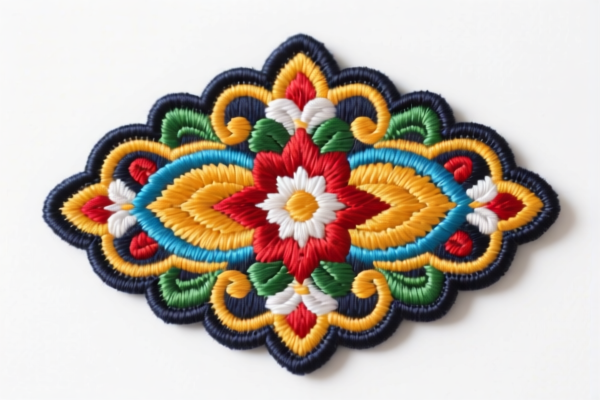
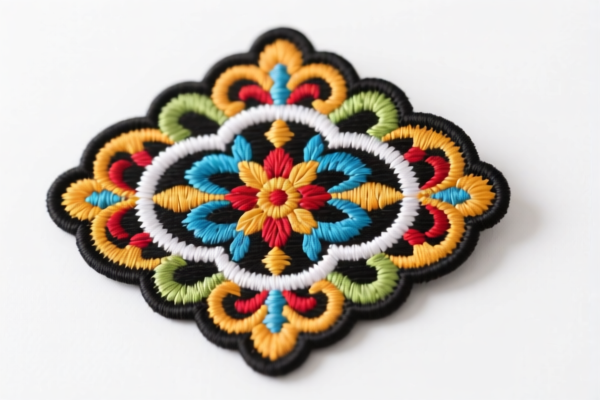
AI Analysis
💎 Diamond Fabric Patch (Diamond Art Stickers)
🌐 HS Code Reference & Customs Clearance Guide | 2026 Latest Tariff Analysis | Professional Clearance Strategy
📌 I. Product Definition & Classification: Do You Really Understand "Diamond Patches"?
Diamond Fabric Patches (often referred to as "Diamond Paint Stickers" or "Full Drill/Mosaic Art Kits") are decorative crafts composed of small, resin-based "diamonds" (acrylic/PMMA) attached to a pre-printed adhesive backing.
In international trade, they are typically classified into two distinct categories based on material composition and physical form:
- Plastic/Resin Components: The "diamonds" themselves are small plastic pieces. If they are unstrung beads or sequins, they fall under plastic articles.
- Paper/Cardboard Substrate: The backing sheet is usually paper or cellulose-based, coated with adhesive. If classified as a whole unit by material, the substrate (paper) often dictates the classification under "paper products."
⚠️ Key Distinction Point:
- If customs focuses on the decorative plastic elements (beads/sequins) → It may fall under Chapter 39 (Plastics).
- If customs focuses on the base material (the sticky sheet) → It may fall under Chapter 48 (Paper/Cardboard).
- Conflict Check: There is no material conflict, but the primary characteristic determines the HS Code.
📦 II. HS Code Classification Details (2026 Latest Tariff Authority Comparison)
| HS Code | Product Description | Application Scenario | Primary Material |
|---|---|---|---|
3926.90.35.00 |
Plastic beads, sequins, and articles thereof (unstrung) | Focuses on the diamond particles as plastic decorative items | ✅ Plastic/Resin |
4823.90.86.80 |
Other paper articles, cut to size/shape | Focuses on the paper backing as a cut paper product | ✅ Paper/Cellulose |
4823.90.67.00 |
Coated paper or paperboard articles (other) | Focuses on the coated adhesive sheet | ✅ Paper/Coated |
3926.40.00.90 |
Other plastic articles (decorative items) | Focuses on the finished decorative item as a plastic good | ✅ Plastic/Resin |
🔍 Key Reminder:
-3926.90.35.00: Best if you emphasize the value/quantity of the plastic diamonds.
-4823.90.86.80/4823.90.67.00: Best if you emphasize the paper substrate as the main carrier.
-3926.40.00.90: A broader category for plastic decorative goods.
💰 III. 2026 Latest Tariff Rate Details (Including Surcharges & Policy Add-ons)
✅ Applicable Country: United States (US)
✅ Origin: China (CN)
✅ Effective Time: November 10, 2025 onwards (includes subsequent imports)
🎯 1. 3926.90.35.00 — Plastic Beads/Sequins (Unstrung)
| Item | Content |
|---|---|
| Base Tariff | 6.5% (ad valorem) |
| Section 301 Surcharge | +7.5% |
| Section 122 Tariff | +10% |
| Total Rate | 24.0% |
| Tax Calculation | CIF Value × 24% |
| De Minimis Exemption | ❌ Not Eligible (High tariff) |
| Legal Basis Path | USITC:3926.90.35.00 → USITC:3926.90.35.00:01 |
📌 Explanation:
- This classification views the product as plastic decorative beads/sequins.
- Total 24%: Base (6.5%) + 301 (7.5%) + 122 (10%).
- Warning: This is the lowest total tax rate among the options, making it potentially the most cost-effective if defensible.
🎯 2. 4823.90.86.80 — Other Paper Articles (Cut/Shape)
| Item | Content |
|---|---|
| Base Tariff | 0.0% |
| Section 301 Surcharge | +25.0% |
| Section 122 Tariff | +10% |
| Total Rate | 35.0% |
| Tax Calculation | CIF Value × 35% |
| De Minimis Exemption | ❌ Not Eligible |
| Legal Basis Path | USITC:4823.90.86.80 → USITC:4823.90.86.80:01 |
📌 Explanation:
- This classification views the product as a paper product with the plastic diamonds as an accessory.
- Total 35%: Base (0%) + 301 (25%) + 122 (10%).
- Higher Cost: Although base is 0%, the 301 surcharge is much higher than in the plastic category.
🎯 3. 4823.90.67.00 — Coated Paper Articles
| Item | Content |
|---|---|
| Base Tariff | 0.0% |
| Section 301 Surcharge | +25.0% |
| Section 122 Tariff | +10% |
| Total Rate | 35.0% |
| Tax Calculation | CIF Value × 35% |
| De Minimis Exemption | ❌ Not Eligible |
| Legal Basis Path | USITC:4823.90.67.00 → USITC:4823.90.67.00:01 |
📌 Explanation:
- Similar to4823.90.86.80, this focuses on the coated adhesive paper.
- Same High Cost: 35% total.
- Use Case: Preferred if the product is heavily coated or processed paper, but less favorable for cost.
🎯 4. 3926.40.00.90 — Other Plastic Decorative Articles
| Item | Content |
|---|---|
| Base Tariff | 5.3% |
| Section 301 Surcharge | 0.0% |
| Section 122 Tariff | +10% |
| Total Rate | 15.3% |
| Tax Calculation | CIF Value × 15.3% |
| De Minimis Exemption | ❌ Not Eligible |
| Legal Basis Path | USITC:3926.40.00.90 → USITC:3926.40.00.90:01 |
📌 Explanation:
- Best Rate Option: This classifies the entire item as a plastic decorative item.
- Total 15.3%: Base (5.3%) + 122 (10%).
- Crucial Note: Section 301 (25% or 7.5%) does not apply here, resulting in the lowest overall tax burden.
- Risk: Must prove the product is primarily a "plastic decorative article" rather than paper with plastic bits.
🛠️ IV. Customs Clearance Practical Advice (Avoiding Pitfalls)
✅ 1. Recommended HS Code Strategy
| HS Code | Total Tax | Pros | Cons |
|---|---|---|---|
3926.40.00.90 |
15.3% | ✅ Lowest Tax ✅ No 301 Surcharge |
❌ Requires strong justification that it's a "plastic article" |
3926.90.35.00 |
24.0% | ✅ Moderate Tax ✅ Accurate for beads |
❌ Higher than 3926.40.00.90 |
4823.90.86.80 |
35.0% | ✅ Safe if paper-focused | ❌ Highest Tax due to 25% 301 surcharge |
4823.90.67.00 |
35.0% | ✅ Safe if coated paper-focused | ❌ Highest Tax due to 25% 301 surcharge |
📌 Strategic Recommendation:
- Prioritize3926.40.00.90if you can legally justify the product as a "plastic decorative item." This saves 19.7% compared to the paper classifications.
- If customs rejects the plastic classification,3926.90.35.00is the safer backup (24% vs 35%).
- Avoid Paper Classifications (4823...) unless necessary, as the 25% Section 301 tariff makes them significantly more expensive.
✅ 2. Declaration Tips (Key Mantras)
🔥 "Plastic Decor, Not Paper, Low Tax!"
| Situation | Correct Declaration | Wrong Practice |
|---|---|---|
| Emphasize Plastic | "Plastic Decorative Art Patch, Unstrung Resin Diamonds on Adhesive Backing" | "Paper Sticker with Plastic Bits" |
| Emphasize Beads | "Unstrung Plastic Beads/Sequins (Diamond Paint)" | "Craft Kit" (Vague) |
| Emphasize Paper | "Coated Paper Cutout" | Use this for Diamond Patches → 35% Tax |
✅ 3. Special Cases Handling
| Situation | Handling Advice |
|---|---|
| OEM/Custom Design | Provide design files to prove it's a "decorative article" rather than generic paper. |
| Mixed Materials | Argue that the decorative value (plastic) dominates over the substrate (paper). |
| Kit vs. Single Patch | If it's a "kit" (canvas + diamonds + pen), consider classifying as "arts/crafts kits" under different codes, but for patches/stickers, stick to material-based codes. |
| Section 122 Applicability | Note that Section 122 (10%) applies to all these codes for China-origin goods. Ensure it's included in calculation. |
🌍 V. Global Main Market Customs Comparison (2026 Latest)
| Country/Region | Recommended HS Code | Tariff | Certification | Notes |
|---|---|---|---|---|
| 🇺🇸 USA | 3926.40.00.90 |
15.3% | No special cert | Best for cost savings |
| 🇺🇸 USA | 4823.90.86.80 |
35.0% | No special cert | High tax due to 301 |
| 🇪🇺 EU | 4823.90 |
~0-5% | CE/RoHS | Lower tariffs, focus on paper |
| 🇨🇳 China | 4823 |
~5-10% | None | Domestic trade |
📌 Conclusion:
- USA Market: The difference between 15.3% and 35% is massive. Proactive classification as Plastic Decor (3926.40.00.90) is critical.
- EU/China: Paper classification is more acceptable due to lower/no 301-style surcharges.
📌 VI. Common Errors & Pitfalls (Blood & Tears Lessons)
❌ Error 1: Declaring as "Paper Sticker" (4823...)
👉 Result: 35% Tax → Overpaying 20%+ unnecessarily!
❌ Error 2: Using "Arts and Crafts" (Vague)
👉 Result: Customs may assign a default code with high tariffs → Delays + Penalties
❌ Error 3: Ignoring Section 122 (10%)
👉 Result: Incorrect total tax calculation → Underpayment & Audits
❌ Error 4: Claiming "De Minimis" Exemption
👉 Result: Denied for these codes → Full Tax + Interest
✅ Correct Approach:
"Plastic Decorative Patch, Unstrung Resin Beads, Adhesive Backing, Model DP-001, US Origin: China"
🎯 VII. Conclusion: Professional Classification Saves Money!
🎯 Remember the Mantra:
🔹 "Plastic Decor, Not Paper, Low Tax!"
🔹 "15.3% vs 35%, Don't Pay Extra!"
🔹 "Section 122 Applies, Calculate Total!"
📌 Pro Tip:
If your product is primarily plastic (e.g., high-value resin diamonds), fight for
3926.40.00.90.
If it's primarily paper (e.g., large paper sheet with few beads), you may be forced into4823..., but try to argue for plastic dominance.
Pre-ruling (Advance Ruling): Highly recommended to avoid disputes at US borders.
📣 Immediate Action:
📞 Contact Customs Broker + Provide Product Photos + Request HS Code Pre-ruling for
3926.40.00.90
🚀 Clear Customs Smoothly, Maximize Profit!
✨ Professional Customs Clearance Starts with Accurate Classification!
💼 Every Percentage Point Saved is Pure Profit!
Customer Reviews
About HS Code Classification
The Harmonized System (HS) is an internationally standardized nomenclature developed by the World Customs Organization (WCO) to classify traded products. Over 200 countries use the HS system as the basis for customs tariffs, trade statistics, and import/export regulations.
Each HS code follows a hierarchical structure:
- Chapter (2 digits) — Broad category of goods (e.g., Chapter 84: Machinery and Mechanical Appliances)
- Heading (4 digits) — More specific grouping within the chapter
- Subheading (6 digits) — Internationally standardized breakdown, used by all WCO member countries
- National subdivisions (8-10 digits) — Country-specific extensions for further classification, such as US HTSUS 10-digit codes
Correct HS code classification is essential for smooth customs clearance, accurate duty payment, and compliance with trade regulations. Misclassification can lead to customs delays, overpayment of duties, or penalties.
When importing from CN to US, the applicable tariff rates may include:
- Most-Favored-Nation (MFN) rate — The standard duty rate applied to WTO members
- General rate — Applied to countries without trade agreements
- Trade remedy duties — Additional tariffs such as Section 301 (anti-dumping), Section 232 (national security), or countervailing duties
The information provided on this page is for reference purposes only. For official classification, please consult with your local customs authority or a licensed customs broker.