Die
CN → US| HS Code | Tariff Rate | Origin | Destination | Doc |
|---|---|---|---|---|
| 9503000090 | 10.0% | CN | US | Official Doc |
| 3926909989 | 22.8% | CN | US | Official Doc |
| 3926909905 | 22.8% | CN | US | Official Doc |
| 9504906000 | 10.0% | CN | US | Official Doc |
| 9504909080 | 17.5% | CN | US | Official Doc |
Product Images
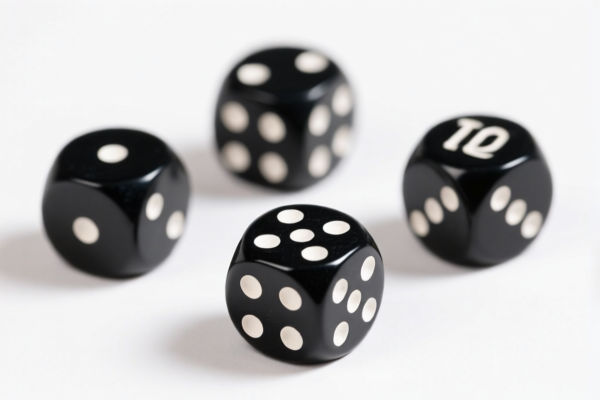
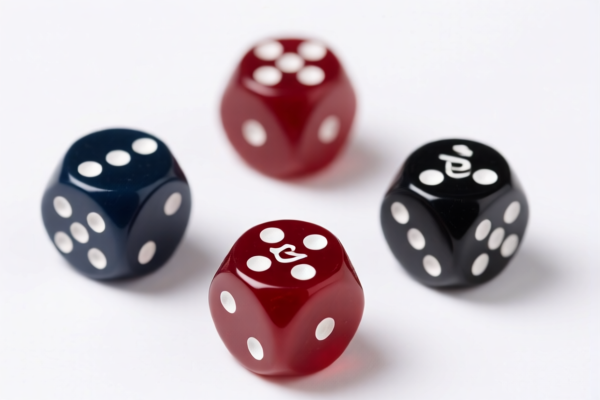
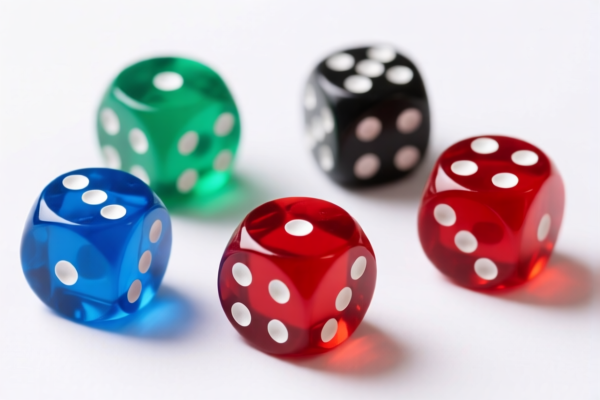
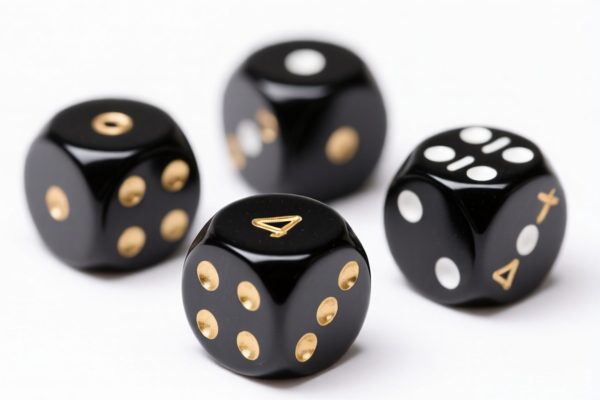
AI Analysis
🎲 Dice (Plastic/Die)
🌐 HS Code Reference & Customs Clearance Guide | 2026 Latest Tariff Analysis | Professional Clearance Strategy
📌 I. Product Definition & Classification: What Exactly Are "Dice"?
Dice are small cubical or polyhedral objects with marked sides, used in games of chance or gambling. In international trade, plastic dice can be classified in several ways depending on their specific characteristics and intended use. The classification can significantly impact customs duties, especially under current US-China trade policies.
⚠️ Key Distinction Points:
- If classified as toys (general play items) → Lower tariffs (10.0%)
- If classified as plastic articles → Higher tariffs (22.8%)
- If classified as gaming equipment → Moderate to high tariffs (10.0%-17.5%)
- Color/Design Variations: Red dice may have different sub-classifications but similar tax rates
📦 II. HS Code Classification Details (2026 Latest Tariff Authority Comparison)
| HS Code | Product Description | Application Scenario | Total Tax Rate | Tax Breakdown |
|---|---|---|---|---|
9503.00.00.90 |
Plastic dice classified as toys, plastic material, under unspecified toy categories | General toy dice, children's play items | 10.0% | Base: 0%, Additional: 0%, Section 122: 10% |
3926.90.99.89 |
Plastic dice classified as plastic articles, under other plastic articles category | Industrial plastic dice, bulk manufacturing | 22.8% | Base: 5.3%, Additional: 7.5%, Section 122: 10% |
3926.90.99.05 |
Plastic dice classified as fully plastic articles, under major plastic article category | Pure plastic dice, industrial use | 22.8% | Base: 5.3%, Additional: 7.5%, Section 122: 10% |
9504.90.60.00 |
Plastic dice classified as gaming equipment, containing dice categories | Casino-style dice, gaming accessories | 10.0% | Base: 0%, Additional: 0%, Section 122: 10% |
9504.90.90.80 |
Plastic dice classified as gaming equipment, excluding bowling equipment | General gaming dice, recreational use | 17.5% | Base: 0%, Additional: 7.5%, Section 122: 10% |
9504.90.90.40 |
Red dice classified as gaming equipment, matching 9504.90 gaming equipment features | Color-specific gaming dice (red) | 17.5% | Base: 0%, Additional: 7.5%, Section 122: 10% |
🔍 Key Reminder:
- Toy classification (9503.00.00.90) offers the lowest tariff (10.0%);
- Plastic article classification (3926.90.99.89/.05) has the highest tariff (22.8%);
- Gaming equipment classification (9504.90.xxxxxx) ranges from 10.0% to 17.5%;
- Color specifications (e.g., red dice) may trigger different sub-classifications but similar tax rates.
💰 III. 2026 Latest Tariff Rate Details (Including Additional Taxes & Policy Surcharges)
✅ Applicable Country: United States (US)
✅ Country of Origin: China (CN)
✅ Effective Date: From November 10, 2025 (including subsequent imports)
🎯 1. 9503.00.00.90 —— Plastic Dice Classified as Toys
| Item | Content |
|---|---|
| Base Tax Rate | 0% (ad valorem) |
| USITC Additional Tax | +0% |
| Section 122 Tax | +10% (targeting Chinese products) |
| Total Tax Rate | 10.0% |
| Tax Calculation | CIF Value × 10.0% |
| De Minimis Eligibility | ❌ Not Eligible (deny_de_minimis) |
| Legal Basis Path | Section 122:9903.01.25 → USITC:9503.00.00.90 |
📌 Explanation:
- The 10.0% total tariff consists of 0% base rate + 0% USITC additional tax + 10.0% Section 122 tax;
- This is the most favorable classification for plastic dice, as it falls under "toys" with minimal additional surcharges;
- Total cost impact: For a $1,000 CIF value, tax payable = $100.
🎯 2. 3926.90.99.89 —— Plastic Dice Classified as Plastic Articles
| Item | Content |
|---|---|
| Base Tax Rate | 5.3% |
| USITC Additional Tax | +7.5% |
| Section 122 Tax | +10.0% |
| Total Tax Rate | 22.8% |
| Tax Calculation | CIF Value × 22.8% |
| De Minimis Eligibility | ❌ Not Eligible (deny_de_minimis) |
| Legal Basis Path | Section 122:9903.01.25 → USITC:3926.90.99.89 |
📌 Explanation:
- The 22.8% total tariff consists of 5.3% base rate + 7.5% USITC additional tax + 10.0% Section 122 tax;
- This is the highest tariff classification for plastic dice, as it falls under "plastic articles" with significant additional surcharges;
- Total cost impact: For a $1,000 CIF value, tax payable = $228.
🎯 3. 3926.90.99.05 —— Fully Plastic Dice Articles
| Item | Content |
|---|---|
| Base Tax Rate | 5.3% |
| USITC Additional Tax | +7.5% |
| Section 122 Tax | +10.0% |
| Total Tax Rate | 22.8% |
| Tax Calculation | CIF Value × 22.8% |
| De Minimis Eligibility | ❌ Not Eligible (deny_de_minimis) |
| Legal Basis Path | Section 122:9903.01.25 → USITC:3926.90.99.05 |
📌 Note:
- Identical tax structure to3926.90.99.89;
- Applies to fully plastic dice with no other material components;
- Total cost impact: For a $1,000 CIF value, tax payable = $228.
🎯 4. 9504.90.60.00 —— Plastic Dice as Gaming Equipment
| Item | Content |
|---|---|
| Base Tax Rate | 0% |
| USITC Additional Tax | +0% |
| Section 122 Tax | +10.0% |
| Total Tax Rate | 10.0% |
| Tax Calculation | CIF Value × 10.0% |
| De Minimis Eligibility | ❌ Not Eligible (deny_de_minimis) |
| Legal Basis Path | Section 122:9903.01.25 → USITC:9504.90.60.00 |
📌 Explanation:
- The 10.0% total tariff consists of 0% base rate + 0% USITC additional tax + 10.0% Section 122 tax;
- This classification applies to dice specifically marketed as gaming equipment;
- Total cost impact: For a $1,000 CIF value, tax payable = $100.
🎯 5. 9504.90.90.80 —— Plastic Dice as Gaming Equipment (Excluding Bowling)
| Item | Content |
|---|---|
| Base Tax Rate | 0% |
| USITC Additional Tax | +7.5% |
| Section 122 Tax | +10.0% |
| Total Tax Rate | 17.5% |
| Tax Calculation | CIF Value × 17.5% |
| De Minimis Eligibility | ❌ Not Eligible (deny_de_minimis) |
| Legal Basis Path | Section 122:9903.01.25 → USITC:9504.90.90.80 |
📌 Note:
- The 17.5% total tariff consists of 0% base rate + 7.5% USITC additional tax + 10.0% Section 122 tax;
- Applies to general gaming dice excluding bowling equipment;
- Total cost impact: For a $1,000 CIF value, tax payable = $175.
🎯 6. 9504.90.90.40 —— Red Dice as Gaming Equipment
| Item | Content |
|---|---|
| Base Tax Rate | 0% |
| USITC Additional Tax | +7.5% |
| Section 122 Tax | +10.0% |
| Total Tax Rate | 17.5% |
| Tax Calculation | CIF Value × 17.5% |
| De Minimis Eligibility | ❌ Not Eligible (deny_de_minimis) |
| Legal Basis Path | Section 122:9903.01.25 → USITC:9504.90.90.40 |
📌 Note:
- Identical tax structure to9504.90.90.80;
- Specifically applies to red-colored dice under gaming equipment category;
- Total cost impact: For a $1,000 CIF value, tax payable = $175.
🛠️ IV. Customs Clearance Practical Advice (Real-World Pitfall Avoidance Guide)
✅ 1. Required Documentation Checklist (No Exceptions)
| Document | Must Provide | Explanation |
|---|---|---|
| ✅ Product Specifications | ✔️ | Dimensions, material composition, number of sides, weight |
| ✅ Product Photos (Including Label) | ✔️ | Clear images showing color, markings, and packaging |
| ✅ Commercial Invoice | ✔️ | Must specify "Plastic Dice" or "Gaming Equipment" |
| ✅ Packing List | ✔️ | Detail contents per box to avoid misdeclaration |
| ✅ Certificate of Origin (CO) | ✔️ | If non-Chinese origin, may qualify for preferential rates |
| ✅ Third-Party Test Report | ✔️ | CPSIA (for toys), RoHS, REACH (if applicable) |
✅ 2. Declaration Tips (Key Mnemonic)
🔥 "Toy vs. Game vs. Plastic: Choose Wisely!"
| Scenario | Correct Declaration | Wrong Practice |
|---|---|---|
| General plastic dice for children | 9503.00.00.90 (Toys) |
Misdeclare as "Plastic Articles" → 22.8% |
| Casino-style gaming dice | 9504.90.60.00 (Gaming) |
Misdeclare as "Toys" → Potential compliance issues |
| Red dice for board games | 9504.90.90.40 (Gaming) |
Misdeclare as "Plastic Articles" → 22.8% |
| Bulk plastic dice for manufacturing | 3926.90.99.89 (Plastic Articles) |
Misdeclare as "Toys" → Undervaluation risk |
✅ 3. Special Cases Handling
| Situation | Handling Advice |
|---|---|
| OEM Custom Dice | Provide customer orders + design drawings to avoid "non-standard" classification |
| Dice with Custom Markings | Still classified under gaming/toy, not "specialty items" |
| Dice for Medical/Gambling Use | If specialized, may require additional permits; consult customs broker |
| Mixed Material Dice | If containing metal/plastic mix, may fall under "plastic articles" → 22.8% |
🌍 V. Global Major Market Customs Clearance Comparison (2026 Latest)
| Country/Region | Recommended HS Code | Tariff | Certification Requirements | Notes |
|---|---|---|---|---|
| 🇺🇸 United States | 9503.00.00.90 (Toys) |
10.0% (China Origin) | CPSIA + RoHS | Highest for plastic articles: 22.8% |
| 🇨🇳 China | 9503.00.00.90 (Toys) |
5.0% | CCC + RoHS | No additional surcharges |
| 🇪🇺 European Union | 9503.00.00.00 (Toys) |
0% (if CE certified) | CE + EN71 | No additional surcharges |
| 🇬🇧 United Kingdom | 9503.00.00.00 (Toys) |
0% (if UKCA certified) | UKCA + BS EN71 | No additional surcharges |
| 🇯🇵 Japan | 9503.00.00.00 (Toys) |
0% | PSE + JIS | No additional surcharges |
📌 Conclusion:
- The United States imposes the highest additional surcharges on Chinese-origin goods;
- Toy classification (9503.00.00.90) offers the lowest tariff (10.0%) for plastic dice;
- Plastic article classification (3926.90.99.89) results in highest tariff (22.8%);
- Gaming equipment classification (9504.90.xxxxxx) ranges from 10.0% to 17.5%;
- China and EU markets offer significantly lower tariff burdens.
📌 VI. Common Mistakes & Pitfall Avoidance Guide (Lessons Learned)
❌ Mistake 1: Declaring "plastic dice" as "toy" when intended for casino/gaming use
👉 Consequence: Compliance issues + potential penalties → Use gaming classification
❌ Mistake 2: Declaring "gaming dice" as "plastic articles"
👉 Consequence: Tariff increases from 10.0%-17.5% to 22.8% → Higher costs
❌ Mistake 3: Not providing color/material details
👉 Consequence: Customs cannot verify classification → Delay in release or return
❌ Mistake 4: Using "dice" without specifying "plastic" or "gaming"
👉 Consequence: Misclassification risk → Audit exposure
✅ Correct Approach:
"Plastic Gaming Dice, 16mm, 6-Sided, Red, For Board Games, Non-Toxic, CPSIA Certified, Model XYZ"
🎯 VII. Conclusion: Professional Declaration, Time-Saving, Cost-Effective!
🎯 Remember the Mnemonic:
🔹 "Toy 10%, Gaming 17.5%, Plastic 22.8%: Choose Wisely!"
🔹 "HS Code Determines Fate, 12.8% Difference, One Step Error, Hundreds of Dollars Lost!"
📌 Pro Tip:
If your dice originate from Vietnam, Mexico, Thailand, or Malaysia, you may apply for Section 122 exemptions, reducing tariffs to 0%~5%;
Recommend applying for Advance Rulings to avoid clearance risks.
📣 Immediate Action:
📞 Contact Professional Customs Broker + Provide Product Photos + Apply for HS Code Advance Ruling
🚀 Let your dice pass customs smoothly, export efficiently, and double profits!
✨ Professional Clearance Starts with Accurate Classification!
💼 Every Dollar of Your Cost Deserves Precise Calculation!
Customer Reviews
About HS Code Classification
The Harmonized System (HS) is an internationally standardized nomenclature developed by the World Customs Organization (WCO) to classify traded products. Over 200 countries use the HS system as the basis for customs tariffs, trade statistics, and import/export regulations.
Each HS code follows a hierarchical structure:
- Chapter (2 digits) — Broad category of goods (e.g., Chapter 84: Machinery and Mechanical Appliances)
- Heading (4 digits) — More specific grouping within the chapter
- Subheading (6 digits) — Internationally standardized breakdown, used by all WCO member countries
- National subdivisions (8-10 digits) — Country-specific extensions for further classification, such as US HTSUS 10-digit codes
Correct HS code classification is essential for smooth customs clearance, accurate duty payment, and compliance with trade regulations. Misclassification can lead to customs delays, overpayment of duties, or penalties.
When importing from CN to US, the applicable tariff rates may include:
- Most-Favored-Nation (MFN) rate — The standard duty rate applied to WTO members
- General rate — Applied to countries without trade agreements
- Trade remedy duties — Additional tariffs such as Section 301 (anti-dumping), Section 232 (national security), or countervailing duties
The information provided on this page is for reference purposes only. For official classification, please consult with your local customs authority or a licensed customs broker.