Diesel Additive Pack
CN → US| HS Code | Tariff Rate | Origin | Destination | Doc |
|---|---|---|---|---|
| 3811210000 | 41.5% | CN | US | Official Doc |
| 3811290000 | 41.5% | CN | US | Official Doc |
Product Images
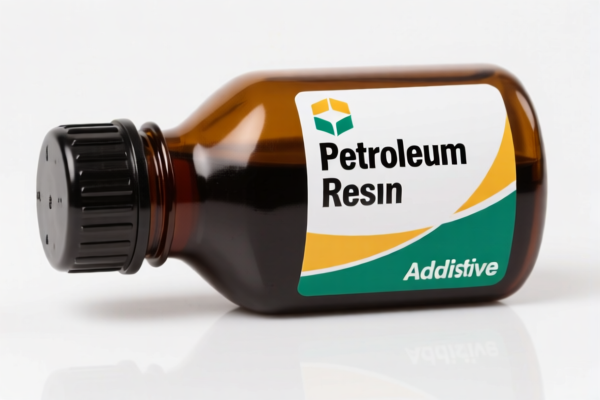

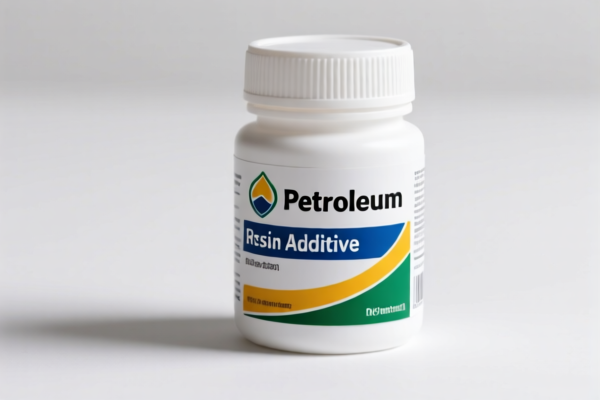
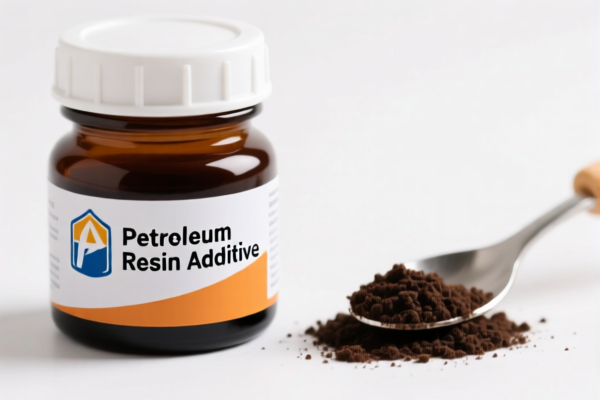
AI Analysis
🛢️ Diesel Additive Pack (Lubricating Oil Additives)
🌐 HS Code Reference & Customs Clearance Guide | 2026 Latest Tariff Analysis | Professional通关 Strategy for Petrochemical Products
📌 I. Product Definition & Classification: What Exactly is a "Diesel Additive Pack"?
A "Diesel Additive Pack" in the context of international trade and HS Code classification usually refers to prepared additives for lubricating oils or mineral oils, specifically designed to enhance performance, prevent oxidation, or improve viscosity. It is not a fuel additive for combustion engines in the sense of octane boosters (which might fall under different subheadings), but rather an additive for the lubrication system or mineral oil preparations.
In the provided data, these are explicitly classified under Heading 3811: Antiknock preparations, oxidation inhibitors, gum inhibitors, viscosity improvers, anti-corrosive preparations and other prepared additives, for mineral oils (including gasoline) or for other liquids used for the same purposes as mineral oils.
⚠️ Key Distinction:
- If the product is a lubricating oil additive (e.g., pour point depressants, anti-wear agents, viscosity index improvers for diesel engines' oil systems), it falls under 3811.21 or 3811.29.
- If it is a fuel additive (e.g., cetane improvers, cold flow pour point depressants for the fuel tank), it may still fall under 3811, but the specific subheading depends on whether it is classified as a "lubricating oil additive" or "other".
- Crucially, the provided data only lists Lubricating Oil Additives. Therefore, we must assume the "Diesel Additive Pack" in this context refers to additives for the lubrication system of diesel engines or additives for mineral oils used in diesel machinery.
📦 2. HS Code Classification Details (Based on Provided Data)
| HS Code | Product Description | Applicable Scenario | Content |
|---|---|---|---|
3811.21.00.00 |
Additives for lubricating oils: Containing petroleum oils or oils obtained from bituminous minerals | Lubricating oil additive packs where the base carrier or active ingredient includes petroleum-derived oils | ✅ Contains Petroleum Oils |
3811.29.00.00 |
Additives for lubricating oils: Other | Lubricating oil additive packs that do not contain petroleum oils or bituminous mineral oils (e.g., synthetic-based, bio-based, or non-petroleum carrier systems) | ❌ No Petroleum Oils |
🔍 Key Note:
- The distinction between3811.21.00.00and3811.29.00.00hinges on the presence of petroleum oils.
- If your "Diesel Additive Pack" contains mineral oil-based carriers (common in many heavy-duty diesel lubricant additives), it goes to 3811.21.00.00.
- If it is synthetic or non-petroleum-based, it goes to 3811.29.00.00.
- Do not confuse with fuel additives for combustion (e.g., cetane boosters) unless they are explicitly labeled as "additives for mineral oils" or "lubricating oil additives."
💰 3. 2026 Latest Tariff Rate Details (Including Additional Taxes)
✅ Applicable Country: United States (US)
✅ Origin: China (CN)
✅ Effective Date: 2025+ (Including subsequent imports)
🎯 1. 3811.21.00.00 —— Lubricating Oil Additives Containing Petroleum Oils
| Item | Content |
|---|---|
| Base Tariff Rate | 6.5% |
| Section 301 Additional Tariff | 25.0% |
| Total Tax Rate | 31.5% |
| Tax Calculation | CIF Value × 31.5% |
| De Minimis Exemption | ❌ Not Applicable (High value, specific chemical classification) |
| Legal Basis Path | HTSUS:3811.21.00.00 → USITC Footnote 9903.88.01 (Section 301) |
📌 Explanation:
- The 6.5% is the standard Most Favored Nation (MFN) duty rate for this HS code.
- The 25% is a Section 301 tariff applied to Chinese-origin goods under the US Trade Representative’s list of additional duties.
- Total: 31.5%. This is a high tariff, significantly impacting cost competitiveness.
🎯 2. 3811.29.00.00 —— Lubricating Oil Additives: Other
| Item | Content |
|---|---|
| Base Tariff Rate | 6.5% |
| Section 301 Additional Tariff | 25.0% |
| Total Tax Rate | 31.5% |
| Tax Calculation | CIF Value × 31.5% |
| De Minimis Exemption | ❌ Not Applicable |
| Legal Basis Path | HTSUS:3811.29.00.00 → USITC Footnote 9903.88.01 (Section 301) |
📌 Note:
- The tariff rate is identical to3811.21.00.00.
- Even if the product is non-petroleum-based, it still faces the 31.5% total duty.
- Classification depends on the composition, not the tax rate.
🛠️ 4. Customs Clearance Practical Advice (Battle-Tested Pitfall Avoidance)
✅ 1. Required Documentation Checklist (Non-Negotiable)
| Document | Required? | Explanation |
|---|---|---|
| ✅ Product Specification Sheet | ✔️ | Must detail composition, including % of petroleum oils, active ingredients, and carrier base. |
| ✅ Safety Data Sheet (SDS/MSDS) | ✔️ | Critical for chemical classification and hazardous goods determination. |
| ✅ Certificate of Origin (CO) | ✔️ | To confirm Chinese origin and apply correct Section 301 rates. |
| ✅ Commercial Invoice | ✔️ | Must clearly state: "Additives for Lubricating Oils, HS Code 3811.21/29". Avoid vague terms like "Chemical Mix". |
| ✅ Packing List | ✔️ | Detail net/gross weight, package count, and dimensions. |
| ✅ Import License (if applicable) | ✔️ | Some chemical additives may require EPA or other regulatory approvals. |
✅ 2. Declaration Tips (Key Mnemonics)
🔥 "Petroleum Content Determines Subheading, Section 301 Adds 25%, Never Split!"
| Scenario | Correct Declaration | Wrong Practice |
|---|---|---|
| Additive contains mineral oil | 3811.21.00.00 |
Declare as "Other Chemicals" → Misclassification Penalty |
| Additive is synthetic/solvent-based (no mineral oil) | 3811.29.00.00 |
Declare as 3811.21 → Overpay or Audit Risk |
| Fuel Cetane Improver (for diesel fuel tank) | Check HTSUS 3811.30/3811.90 | Forcing into 3811.2x → Potential Rejection |
| Multi-component Kit (Oil + Additive) | Declare as Whole Unit if primarily additive | Split into Oil (25%) + Additive (6.5%) → High Risk |
✅ 3. Special Handling Notes
| Situation | Recommendation |
|---|---|
| OEM Private Label | Provide brand authorization and technical specs to avoid "unbranded" classification issues. |
| Mixed Shipments | If shipping lubricating oil additives with bulk diesel fuel, declare separately. Fuel has different tax rules. |
| EPA Regulations | Lubricating oil additives may be exempt from some EPA fuel regulations, but must comply with lubricant additive standards. Provide EPA exemption letters if available. |
| Hazardous Goods | If the additive is flammable (common for solvent-based packs), declare as Hazmat (UN Number, Class 3). This adds handling fees but is mandatory. |
🌍 5. Global Market Comparison (2026)
| Country/Region | Recommended HS Code | Tariff (China Origin) | Certification | Notes |
|---|---|---|---|---|
| 🇺🇸 USA | 3811.21.00.00 / 3811.29.00.00 |
31.5% (6.5% + 25%) | EPA (if applicable) | High Tariff. Section 301 applies. |
| 🇨🇳 China | 3811.21.00.00 / 3811.29.00.00 |
6.5% | GB Standards | No additional tariffs. |
| 🇪🇺 EU | 3811.21.00 / 3811.29.00 |
~6.5% | REACH Registration | REACH Compliance is Mandatory for chemical imports. |
| 🇯🇵 Japan | 3811.21.00 / 3811.29.00 |
6.0% | JIS Standards | Low tariff, but strict chemical safety reviews. |
| 🇦🇺 Australia | 3811.21.00 / 3811.29.00 |
5.0% | AICIS Registration | AICIS (Australian Industrial Chemicals Introduction Scheme) required. |
📌 Conclusion:
- USA is the most expensive market due to the 25% Section 301 tariff.
- EU requires REACH registration, which can be costly and time-consuming.
- Australia and Japan have moderate tariffs but strict chemical safety regulations.
📌 6. Common Mistakes & Pitfall Guide (Blood & Tears Lessons)
❌ Mistake 1: Declaring as "Petroleum Oil" instead of "Additive"
👉 Consequence: Misclassification → Penalties + Back Taxes. Additives are prepared, not base oil.
❌ Mistake 2: Ignoring Section 301 Tariff in Cost Calculation
👉 Consequence: Profit margin wiped out by 25% unexpected tax. Always budget for 31.5% total duty.
❌ Mistake 3: Vague Description ("Chemical for Diesel")
👉 Consequence: Customs Request for Information (RFI) → Delays + Demurrage Fees. Be specific: "Lubricating Oil Additive Pack, HS 3811.21.00.00".
❌ Mistake 4: Failing to Declare Hazmat (if applicable)
👉 Consequence: Shipment Rejection or Return. Solvent-based additives are often flammable.
✅ Correct Practice:
"Diesel Engine Lubricating Oil Additive Pack, Containing Petroleum-Based Carrier, HS Code 3811.21.00.00, SDS Available, EPA Compliant"
🎯 7. Conclusion: Precision Classification Saves Money!
🎯 Remember the Mantra:
🔹 "Petroleum? Yes → 3811.21. No → 3811.29. Both → 31.5% Duty!"
🔹 "Section 301 is Non-Negotiable for China Origin. Budget 31.5%!"
🔹 "Specify 'Lubricating Oil Additive', not 'Fuel Additive', to Avoid Rejection!"
📌 Pro Tip:
If your product is non-petroleum-based (3811.29.00.00), ensure your SDS clearly states "Contains no petroleum oils" to avoid unnecessary audits. For petroleum-based (3811.21.00.00), provide a composition breakdown to prove classification.
📣 Action Item:
📞 Consult a Customs Broker to verify your specific formulation.
📄 Prepare SDS and Composition Sheet before shipping.
💰 Calculate Landed Cost with 31.5% Duty to ensure profitability.
✨ Professional Customs Clearance Starts with Precise Classification!
💼 Every Percent of Duty Counts in the Petrochemical Trade!
Customer Reviews
About HS Code Classification
The Harmonized System (HS) is an internationally standardized nomenclature developed by the World Customs Organization (WCO) to classify traded products. Over 200 countries use the HS system as the basis for customs tariffs, trade statistics, and import/export regulations.
Each HS code follows a hierarchical structure:
- Chapter (2 digits) — Broad category of goods (e.g., Chapter 84: Machinery and Mechanical Appliances)
- Heading (4 digits) — More specific grouping within the chapter
- Subheading (6 digits) — Internationally standardized breakdown, used by all WCO member countries
- National subdivisions (8-10 digits) — Country-specific extensions for further classification, such as US HTSUS 10-digit codes
Correct HS code classification is essential for smooth customs clearance, accurate duty payment, and compliance with trade regulations. Misclassification can lead to customs delays, overpayment of duties, or penalties.
When importing from CN to US, the applicable tariff rates may include:
- Most-Favored-Nation (MFN) rate — The standard duty rate applied to WTO members
- General rate — Applied to countries without trade agreements
- Trade remedy duties — Additional tariffs such as Section 301 (anti-dumping), Section 232 (national security), or countervailing duties
The information provided on this page is for reference purposes only. For official classification, please consult with your local customs authority or a licensed customs broker.