Digital Display Cooling Lid
CN → US| HS Code | Tariff Rate | Origin | Destination | Doc |
|---|---|---|---|---|
| 8543908500 | 35.0% | CN | US | Official Doc |
| 8543906800 | 35.0% | CN | US | Official Doc |
| 8419899520 | 39.2% | CN | US | Official Doc |
| 8419899560 | 39.2% | CN | US | Official Doc |
Product Images
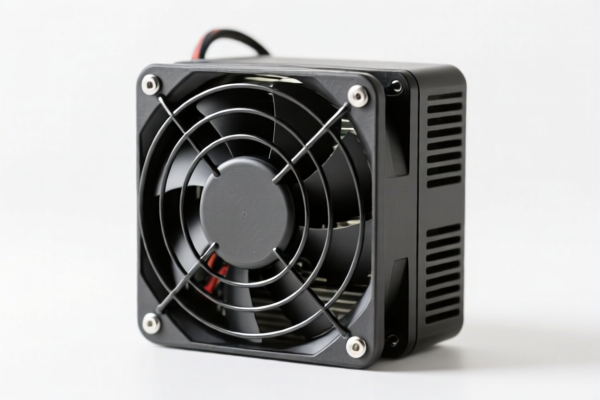
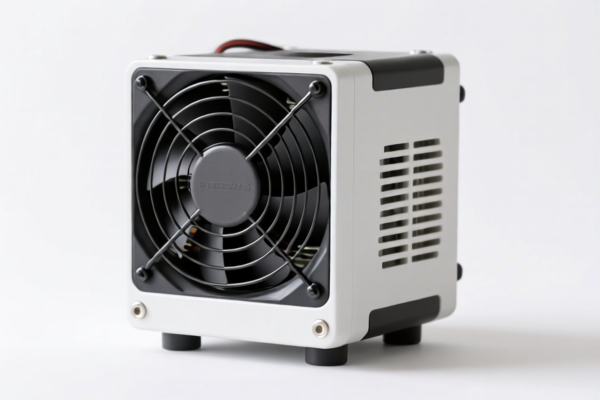
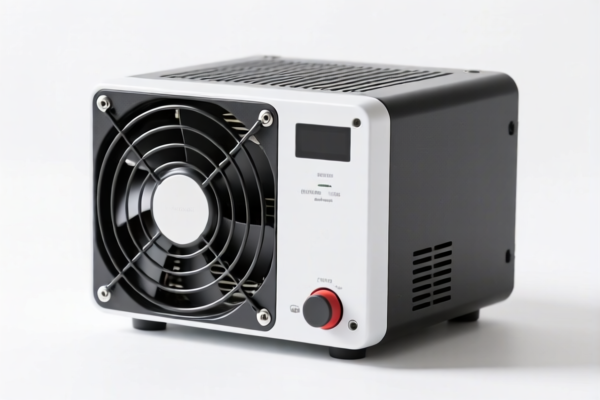
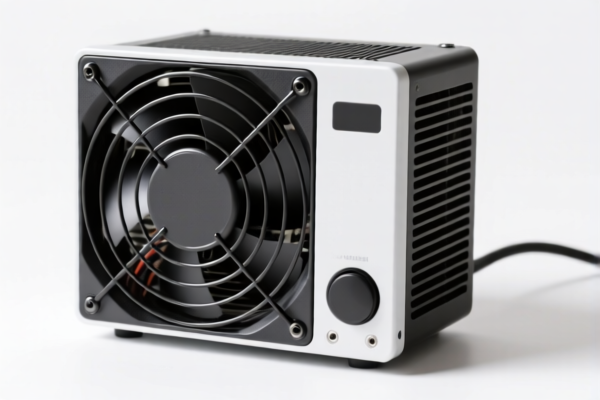
AI Analysis
🥤 Smart Cooling Lid with Digital Display (Electronic Kitchen Appliance Parts)
🌐 HS Code Reference & Customs Clearance Guide | 2026 Latest Tariff Analysis | Professional Clearance Strategy
📌 I. Product Definition & Classification: What is a "Digital Display Cooling Lid"?
A "Digital Display Cooling Lid" is typically an electronic component or accessory designed for beverage dispensers, smart drinkware, or specialized industrial mixing containers. It integrates two distinct functional modules: 1. Thermal Management Module: A cooling system (Peltier cooler, compressor, or fan-based) to lower the temperature of the liquid. 2. User Interface Module: A digital display (LED/LCD) and control panel for setting temperatures or monitoring status.
In international trade, classification depends on whether the item is viewed as a standalone machine or a part/accessory of a larger apparatus. Given the specific HS codes provided in the data, these items are classified under Chapter 84 (Nuclear reactors, boilers, machinery) or Chapter 85 (Electrical machinery) based on their primary function and component structure.
⚠️ Key Distinction:
- If the device is a self-contained unit that cools beverages via electricity/hardware → It falls under 8419 (Machinery for treatment by change of temperature).
- If it is a circuit board assembly or a non-specific electrical component not performing the cooling function itself but supporting another device → It falls under 8543 (Electrical machines having individual functions).
📦 II. HS Code Classification Details (2026 Latest Tariff Authority Comparison)
Based on the provided data, there are four relevant HS codes. Here is the detailed breakdown:
| HS Code | Product Description | Application Scenario | Primary Function |
|---|---|---|---|
8419.89.95.20 |
Other machinery, plant or equipment: Other: Other: Other Designed for cooling: For food and beverages | Smart drinkware lids, beverage cooling stations, commercial drink coolers with digital controls | ❄️ Active Cooling (Temperature reduction for consumables) |
8419.89.95.60 |
Other machinery, plant or equipment: Other: Other: Other Other: For food and beverages | Temperature control units for food processing, heating/cooling plates for kitchen equipment | 🌡️ Temperature Treatment (General food/bev processing) |
8543.90.68.00 |
Electrical machines and apparatus; parts thereof: Parts: Other: Printed circuit assemblies: Other | Control boards, display drivers, sensor modules extracted from or sold as parts of cooling devices | ⚙️ Electronic Control (Circuitry/Parts only) |
8543.90.85.00 |
Electrical machines and apparatus; parts thereof: Parts: Other: Other: Of flat panel displays... | Display modules, screen assemblies (excluding standard TV/Monitor subheadings) | 🖥️ Display Component (Visual output only) |
🔍 Critical Analysis:
-8419Codes (0% Total Tax): If the "Cooling Lid" is a functional unit that actually cools the liquid (using Peltier elements, fans, or compressors), it is primarily a temperature-treatment machine. The digital display is incidental to the cooling function. This is the most favorable classification for a functional cooling device. -8543Codes (25% Total Tax): If the item is shipped as a loose circuit board, a standalone display screen without cooling hardware, or a control kit, it falls here. Note that8543.90.85.00specifically excludes standard monitors (8528) but captures specialized displays. The8543.90.68.00captures the PCB/assembly.
💰 III. 2026 Latest Tariff Rate Detailed Explanation (Including Surtaxes)
✅ Applicable Country: United States (US)
✅ Origin: China (CN)
✅ Effective Time: 2025/2026 (Based on current trade policies)
🎯 1. 8419.89.95.20 & 8419.89.95.60 — Cooling/Temperature Treatment Machinery (Food & Beverage)
| Item | Content |
|---|---|
| Base Tariff | 0.0% (Ad valorem) |
| Section 301 Surtax | 0.0% |
| IEEPA Surtax | 0.0% |
| Total Tax Rate | 0.0% |
| Tax Calculation | CIF Value × 0% = $0 |
| De Minimis Eligibility | ✅ Yes (For small shipments under $800, though less relevant for B2B machinery parts) |
| Legal Basis | HTSUS Chapter 84 Headings; Excluded from high-surtax lists for specific machinery |
📌 Explanation:
- These subheadings are specifically for machinery used in the food and beverage industry.
- Unlike consumer electronics or generic electrical parts, specific temperature-control machinery for food/bev often enjoys lower or zero additional duties.
- Crucial Advantage: You avoid the steep 25%+ tariffs associated with standard electrical components.
🎯 2. 8543.90.68.00 — Printed Circuit Assemblies (Parts)
| Item | Content |
|---|---|
| Base Tariff | 0.0% |
| Section 301 Surtax | +25.0% |
| IEEPA Surtax | (Included in the 25% or added depending on specific footnote; Data states Total 25%) |
| Total Tax Rate | 25.0% |
| Tax Calculation | CIF Value × 25% |
| De Minimis Eligibility | ❌ No (Denied for surtaxed items in many contexts, check specific CBP rulings) |
| Legal Basis | USITC:8543.90.68.00 → Section 301 Footnote |
📌 Explanation:
- This code classifies the electronic control board or display assembly as a standalone electrical part.
- It triggers the standard 25% additional tariff on Chinese-origin electrical goods.
- Risk: If you classify a functional cooling lid as just a "circuit assembly," you pay 25%. If you classify it as "cooling machinery," you pay 0%. Classification strategy is key.
🎯 3. 8543.90.85.00 — Parts of Flat Panel Displays (Non-Monitor)
| Item | Content |
|---|---|
| Base Tariff | 0.0% |
| Section 301 Surtax | +25.0% |
| Total Tax Rate | 25.0% |
| Tax Calculation | CIF Value × 25% |
| De Minimis Eligibility | ❌ No |
| Legal Basis | USITC:8543.90.85.00 → Section 301 Footnote |
📌 Explanation:
- Used if the product is sold only as a display screen/module (e.g., selling just the LCD part of the lid).
- Also subject to the 25% surtax.
- Note: This explicitly excludes monitors of heading 8528 (TVs/Monitors), capturing specialized industrial/consumer displays.
🛠️ IV. Customs Clearance Practical Advice (Pitfall Avoidance Guide)
✅ 1. Documentation Checklist (Non-negotiable)
| Document | Mandatory? | Description |
|---|---|---|
| ✅ Product Specification Sheet | ✔️ | Must detail: Voltage, Power Consumption, Cooling Capacity (BTU/Watts), Display Type (LED/LCD), and Primary Function (Cooling vs. Display). |
| ✅ Circuit Diagram / Block Diagram | ✔️ | Crucial to prove the device is an integrated "cooling machine" (8419) rather than just a "display" (8543). Show the Peltier/cooler connected to the controller. |
| ✅ Product Photos (Labeled) | ✔️ | Show the "Digital Display" AND the "Cooling Element" (fans/heatsinks) clearly. |
| ✅ Commercial Invoice | ✔️ | Description must read: "Smart Cooling Lid with Digital Temp Display for Beverage Containers, Model XYZ" (Not just "Electrical Part"). |
| ✅ FCC Certification | ✔️ | Required for any device emitting radio frequencies or digital displays in the US. |
✅ 2. Declaration Strategy (Key Mnemonic)
🔥 "Function First, Display Second! Cooling Machine Wins Over Electrical Part!"
| Scenario | Recommended HS Code | Why? |
|---|---|---|
| Integrated Unit (Lid has cooler + screen) | 8419.89.95.20 |
Primary function is cooling beverages. Display is secondary. Tax: 0%. |
| Spare Control Board Only (No cooler, just PCB) | 8543.90.68.00 |
It is an electrical part. Tax: 25%. |
| Spare Display Screen Only (LCD panel) | 8543.90.85.00 |
It is a display part. Tax: 25%. |
| Heating/Cooling Plate (General Food Use) | 8419.89.95.60 |
For food processing equipment. Tax: 0%. |
⚠️ Warning: Do NOT declare an integrated cooling lid as "Parts of Display" (
8543.90.85.00) just because it has a screen. Customs will look at the principal function. If it cools, it is8419. Misclassification leads to retroactive 25% taxes + penalties.
✅ 3. Special Case Handling
| Situation | Recommendation |
|---|---|
| OEM/ODM Custom Lids | Provide the client’s design spec showing the cooling mechanism. Emphasize "Temperature Control" in the invoice description. |
| Batteries Included | If the lid has a built-in battery, ensure IATA/UN38.3 compliance for shipping. This does not change HS Code but adds regulatory steps. |
| Imported as "Set" | If imported with multiple lids or boxes, declare as a set. The principal function (cooling) dictates the classification of the whole set. |
🌍 V. Global Market Customs Comparison (2026 Update)
| Country/Region | Recommended HS Code | Tariff Rate | Certification | Note |
|---|---|---|---|---|
| 🇺🇸 USA | 8419.89.95.20 |
0.0% | FCC + UL | Best outcome. Avoid 8543 codes to save 25%. |
| 🇨🇳 China | 8419.89.95.20 |
~10-15% | CCC | Import duties apply, but standard. |
| 🇪🇺 EU | 8419.89.95 |
0-2.7% | CE + RoHS | Generally low duties for machinery parts. |
| 🇬🇧 UK | 8419.89.95 |
0-2.7% | UKCA | Post-Brexit rules similar to EU. |
📌 Conclusion:
- The US market is the most critical for HS Code precision.
- Classifying a "Digital Display Cooling Lid" as8419(Machinery) instead of8543(Electrical Parts) results in a 25% cost saving.
- Always prove the cooling function is primary.
📌 VI. Common Errors & Pitfalls (Lessons Learned)
❌ Error 1: Describing the product as "Electronic Display Component"
👉 Consequence: Customs classifies it as 8543.90.85.00 → 25% Tax.
👉 Fix: Use "Cooling Lid" or "Temperature Control Device" in the name.
❌ Error 2: Shipping the cooler and the display separately in one package, declaring them differently
👉 Consequence: Complexity, potential for separate scrutiny.
👉 Fix: Declare as a single assembly if sold together.
❌ Error 3: Ignoring the "Food and Beverage" restriction in 8419
👉 Consequence: If used for industrial chemical cooling, 8419 might not apply.
👉 Fix: Ensure the end-use is food/beverage-related (or use other 8419 subheadings if industrial, but check tax rates).
✅ Correct Declaration Example:
"Smart Insulated Lid with Integrated Peltier Cooling System and Digital LED Temperature Display for Commercial Beverage Dispensers, Model: CoolLid Pro"
🎯 VII. Conclusion: Professional Declaration, Maximize Profit!
🎯 Remember the Rule:
🔹 "If it Cools, it's 8419 (0% Tax)! If it's Just a Board, it's 8543 (25% Tax)!"
🔹 "Describe the Function, Not Just the Screen!"
📌 Pro Tip:
If you are unsure, apply for a Binding Tariff Information (BTI) or US CBP Ruling before shipment. The cost of a ruling is minimal compared to the 25% tariff hit.
📣 Immediate Action:
📞 Contact your freight forwarder to verify the "Principal Function" clause.
📄 Prepare specs highlighting the cooling mechanism.
🚀 Ship with confidence using8419.89.95.20to unlock 0% Duty.
✨ Precision Classification Saves Money!
💼 Don't let the "Digital Display" distract you from the "Cooling" reality!
Customer Reviews
About HS Code Classification
The Harmonized System (HS) is an internationally standardized nomenclature developed by the World Customs Organization (WCO) to classify traded products. Over 200 countries use the HS system as the basis for customs tariffs, trade statistics, and import/export regulations.
Each HS code follows a hierarchical structure:
- Chapter (2 digits) — Broad category of goods (e.g., Chapter 84: Machinery and Mechanical Appliances)
- Heading (4 digits) — More specific grouping within the chapter
- Subheading (6 digits) — Internationally standardized breakdown, used by all WCO member countries
- National subdivisions (8-10 digits) — Country-specific extensions for further classification, such as US HTSUS 10-digit codes
Correct HS code classification is essential for smooth customs clearance, accurate duty payment, and compliance with trade regulations. Misclassification can lead to customs delays, overpayment of duties, or penalties.
When importing from CN to US, the applicable tariff rates may include:
- Most-Favored-Nation (MFN) rate — The standard duty rate applied to WTO members
- General rate — Applied to countries without trade agreements
- Trade remedy duties — Additional tariffs such as Section 301 (anti-dumping), Section 232 (national security), or countervailing duties
The information provided on this page is for reference purposes only. For official classification, please consult with your local customs authority or a licensed customs broker.