Digital Photosensitive Paper
CN → US| HS Code | Tariff Rate | Origin | Destination | Doc |
|---|---|---|---|---|
| 3703103060 | 38.7% | CN | US | Official Doc |
| 4816900100 | 35.0% | CN | US | Official Doc |
| 3703103090 | 38.7% | CN | US | Official Doc |
| 4816200000 | 35.0% | CN | US | Official Doc |
| 4803004000 | 35.0% | CN | US | Official Doc |
Product Images
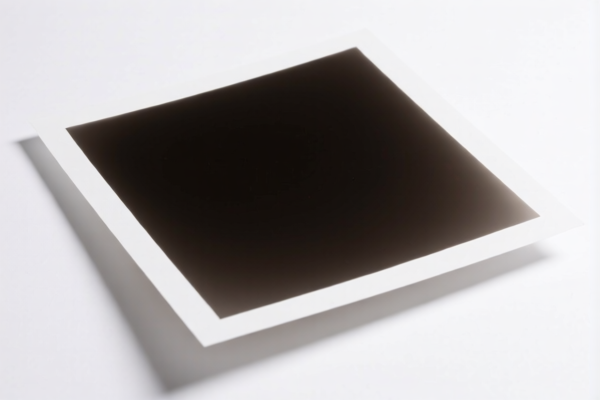
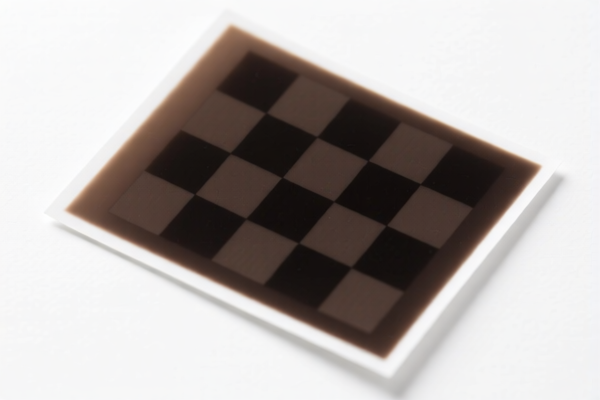
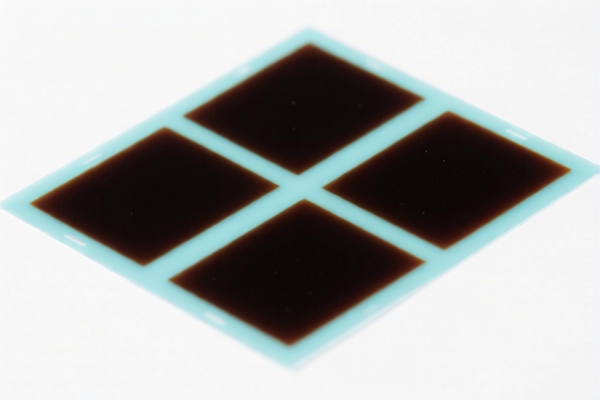
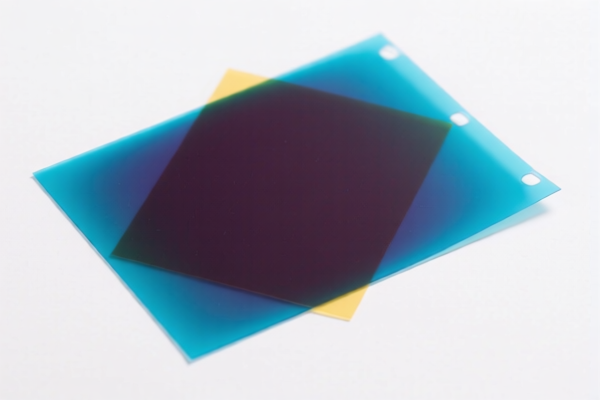
AI Analysis
📸 Digital Photosensitive Paper (Halogen Silver & Transfer Media)
🌐 HS Code Reference & Customs Clearance Guide | 2026 Latest Tariff Analysis | Professional Compliance Strategy
📌 1. Product Definition: What is "Digital Photosensitive Paper"?
Digital Photosensitive Paper refers to paper-based materials coated with light-sensitive emulsions (typically halogen silver) or transfer chemicals used for creating images, copies, or prints. In international trade, these materials are often ambiguous because they straddle the line between photographic chemicals/materials and standard paper products.
The classification depends entirely on the primary characteristic deemed by customs: * Is it a "Photographic Material"? (High tax due to chemical nature/specific HS chapter 37) * Is it a "Processed Paper"? (Lower base tax, but subject to heavy trade remedies)
⚠️ Critical Distinction Point:
- If classified under Chapter 37 (Photographic Goods): Subject to higher base duties + Trade Remedies.
- If classified under Chapter 48 (Paper Goods): Subject to lower base duties + Identical Trade Remedies.
Note: Regardless of the HS Code chosen, additional US tariffs (Section 301 & IEEPA) apply heavily, making the total effective tax rate very similar across most classifications.
📦 2. HS Code Classification Details (2026 Latest Tariff Authority Match)
Based on the provided data, there are 5 potential HS Codes for Digital Photosensitive Paper. Below is the breakdown of why it fits each code and the resulting tax implications.
| HS Code | Product Description & Classification Logic | Total Tax Rate | Tax Breakdown (US Import from CN) |
|---|---|---|---|
3703.10.30.60 |
Core Photographic Material: Classified as photosensitive paper based on its core material (photosensitive/halogen silver). It belongs to the category of photosensitive materials. | 38.7% | Base: 3.7% + Add. Tariff: 25.0% + Section 122 Tariff: 10% |
4816.90.01.00 |
Paper Material / Carbonless: Classified as paper-based material fitting the physical form of carbon copy paper, transfer paper, or wax paper. Focuses on the paper substrate attribute. | 35.0% | Base: 0.0% + Add. Tariff: 25.0% + Section 122 Tariff: 10% |
3703.10.30.90 |
Default Halogen Silver Paper: Classified as photosensitive material with consistent halogen silver characteristics. This is the default classification for silver-halide photographic paper. | 38.7% | Base: 3.7% + Add. Tariff: 25.0% + Section 122 Tariff: 10% |
4816.20.00.00 |
Copying/Transfer Paper: Classified as paper material fitting attributes for reproduction, transfer, and image processing papers (e.g., carbonless copy paper). | 35.0% | Base: 0.0% + Add. Tariff: 25.0% + Section 122 Tariff: 10% |
4803.00.40.00 |
Base Paper/Substrate: Classified as raw paper material (basis paper) before final chemical coating or processing steps are fully considered as "photosensitive goods." Fits the basis paper category. | 35.0% | Base: 0.0% + Add. Tariff: 25.0% + Section 122 Tariff: 10% |
🔍 Key Insight:
- Chapter 37 Codes (3703.10.30.60/90): Treat the product as chemical/photographic goods. Higher base duty (3.7%).
- Chapter 48 Codes (4816.20/4816.90/4803): Treat the product as processed paper. Lower base duty (0%).
- Trade Remedies are Identical: Both categories face 25% Section 301 Tariff + 10% Section 122 Tariff (if applicable to the specific trade context provided).
- Total Cost Difference: Only 3.7% difference in total tax rate between Chapter 37 and Chapter 48 classifications.
💰 3. 2026 Latest Tariff Rate Breakdown (Detailed Policy Analysis)
✅ Applicable Country: United States (US)
✅ Country of Origin: China (CN)
✅ Effective Date: Current Trade Policy (Post-2025 Adjustments)
🎯 Scenario A: Classified as Photographic Material (Chapter 37)
HS Codes: 3703.10.30.60 or 3703.10.30.90
| Item | Detail |
|---|---|
| Product Logic | "Matches core material (photosensitive/halogen silver) characteristics." |
| Base Tariff | 3.7% |
| Section 301 Tariff | +25.0% (Additional Tariff) |
| Section 122 Tariff | +10.0% |
| Total Effective Rate | 38.7% |
| Calculation | CIF Value × 38.7% |
| De Minimis Exemption | ❌ Not Eligible (High tariff thresholds usually exclude de minimis) |
📌 Explanation:
- Customs views the chemical emulsion as the defining feature.
- Subject to Section 301 (Trade Act of 1974) due to Chinese origin.
- Subject to Section 122 (often associated with specific trade enforcement actions).
🎯 Scenario B: Classified as Paper Material (Chapter 48)
HS Codes: 4816.90.01.00, 4816.20.00.00, or 4803.00.40.00
| Item | Detail |
|---|---|
| Product Logic | "Matches paper material characteristics (copying, transfer, base paper)." |
| Base Tariff | 0.0% |
| Section 301 Tariff | +25.0% (Additional Tariff) |
| Section 122 Tariff | +10.0% |
| Total Effective Rate | 35.0% |
| Calculation | CIF Value × 35.0% |
| De Minimis Exemption | ❌ Not Eligible |
📌 Explanation:
- Customs views the paper substrate as the defining feature.
- Lower base duty makes it slightly cheaper, but trade remedies dominate the cost.
🛠️ 4. Customs Clearance Practical Advice (Pitfall Avoidance Guide)
✅ 1. Document Preparation Checklist (Mandatory)
| Document | Required | Purpose |
|---|---|---|
| ✅ Product Specification Sheet | ✔️ | Must specify: Coating type (Halogen Silver vs. Dye-Transfer vs. Plain Base), Weight, Dimensions. |
| ✅ Ingredient/Composition List | ✔️ | To prove if the "core" is chemical (Chapter 37) or primarily paper (Chapter 48). |
| ✅ Product Photos | ✔️ | Show packaging, labeling, and physical appearance. |
| ✅ Commercial Invoice | ✔️ | Clearly state: "Photosensitive Paper for Imaging" or "Transfer Paper". Avoid vague terms like "Paper". |
| ✅ Packing List | ✔️ | Detail weights and quantities. |
| ✅ Certificate of Origin | ✔️ | Essential for determining Section 301 applicability. |
✅ 2. Classification Strategy & Declaration Tips
🔥 Key Mantra:
"Define the Core: Chemical Emulsion = Ch 37; Paper Substrate = Ch 48. Trade Remedies Hit Both!"
| Scenario | Recommended HS Code | Reasoning | Risk if Misclassified |
|---|---|---|---|
| High-End Photographic Paper (Silver Halide) | 3703.10.30.60 or 3703.10.30.90 |
Strong chemical emulsion; intended for professional photography. | If declared as paper (4816), risk of penalty for undervaluation if customs argues chemical value is dominant. |
| Carbonless Copy Paper / Transfer Paper | 4816.20.00.00 or 4816.90.01.00 |
Primarily paper; chemical transfer is secondary/mechanical. | If declared as photographic (3703), might lead to administrative delays for unnecessary chemical inspection. |
| Raw Sensitized Paper Base | 4803.00.40.00 |
Minimal processing; base paper only. | Low risk, but ensure "photosensitive" nature is disclosed if it arrives at a port of entry for final processing. |
✅ 3. Special Circumstances Handling
| Situation | Handling Advice |
|---|---|
| Mixed Shipment | If a shipment contains both photographic paper and plain paper, declare separately. Do not mix HS Codes. |
| Small Samples (De Minimis) | Be aware that Section 301/122 tariffs often negate de minimis benefits for Chinese goods. Consult a broker. |
| Labeling | Ensure labels clearly state the chemical nature (e.g., "Halogen Silver") if claiming Chapter 37, to justify the higher base duty classification. |
🌍 5. Global Market Comparison (2026 Outlook)
| Market | Recommended HS Code | Base Tariff | Additional Tariffs | Total Est. Rate | Notes |
|---|---|---|---|---|---|
| 🇺🇸 USA | 3703.10.30.60 / 4816.20.00.00 |
0% - 3.7% | +35% (301+122) | 35% - 38.7% | High barriers. Trade remedies are the main cost driver. |
| 🇪🇺 EU | 3703.10 / 4816.90 |
Varies (0-5%) | None (Generally) | ~5% | No Section 301. Much more favorable if not classified as sensitive chemical goods. |
| 🇨🇳 China | 3703.10 / 4816.90 |
3.7% - 0% | None | 3.7% | Low duty. Focus on VAT (13%). |
| 🇯🇵 Japan | 3703.10 / 4816.90 |
Varies | None | ~0-5% | Favorable trade relations. |
📌 Conclusion:
- The USA market is the most challenging due to the 25% + 10%叠加 tariffs.
- Chapter 48 (Paper) offers a slight 3.7% savings over Chapter 37, but only if the product qualifies as "transfer/copy paper" or "base paper" rather than active photographic emulsion.
- For non-US markets, standard HS classification applies without the punitive US trade tariffs.
📌 6. Common Errors & Pitfalls (Lessons Learned)
❌ Error 1: Classifying all photosensitive paper as 4816 to save 3.7%.
👉 Consequence: If customs determines the product is primarily "photographic material" due to high chemical content/value, they may reclassify it to 3703 and assess penalties for incorrect declaration.
❌ Error 2: Ignoring Section 122 Tariffs.
👉 Consequence: Many importers only account for the 25% Section 301 tariff. Missing the additional 10% leads to cash flow shortages at customs.
❌ Error 3: Vague Description ("Paper").
👉 Consequence: Customs will likely seize the goods for lack of identification or apply the highest possible duty rate due to ambiguity.
❌ Error 4: Assuming De Minimis applies.
👉 Consequence: For Chinese origin goods, small packages may still be subject to full duties if not explicitly exempted under current executive orders.
✅ Correct Approach:
"Digital Photosensitive Paper, Halogen Silver Coated, 200gsm, For Professional Printing, Model XYZ"
(Choose3703if chemical value is high; Choose4816if it's technically "transfer/copy paper" and you want the 0% base rate, but be prepared to justify the paper-centric classification).
🎯 7. Conclusion: Precision Classification, Cost Optimization!
🎯 Remember the Mantra:
🔹 "Chemical Core = Ch 37 (38.7%)"; "Paper Form = Ch 48 (35.0%)"
🔹 "Trade Remedies Hit Both; Don't Forget the 10%!"
📌 Pro Tip:
- If you are exporting to the US, perform a pre-classification ruling with CBP if the product sits in a gray area between "Photographic" and "Paper".
- For non-US markets, prioritize the Chapter 37 classification if the product is actively used for photography, as it may offer better regulatory compliance for chemical goods.
📣 Immediate Action:
📞 Contact a Licensed Customs Broker
📄 Provide Full Product Spec Sheet
🚀 Optimize Your HS Code Choice to Save 3.7% or Avoid Penalties!
✨ Professional Clearance Starts with Accurate Classification!
💼 Every Dollar Saved in Duties is Pure Profit!
Customer Reviews
About HS Code Classification
The Harmonized System (HS) is an internationally standardized nomenclature developed by the World Customs Organization (WCO) to classify traded products. Over 200 countries use the HS system as the basis for customs tariffs, trade statistics, and import/export regulations.
Each HS code follows a hierarchical structure:
- Chapter (2 digits) — Broad category of goods (e.g., Chapter 84: Machinery and Mechanical Appliances)
- Heading (4 digits) — More specific grouping within the chapter
- Subheading (6 digits) — Internationally standardized breakdown, used by all WCO member countries
- National subdivisions (8-10 digits) — Country-specific extensions for further classification, such as US HTSUS 10-digit codes
Correct HS code classification is essential for smooth customs clearance, accurate duty payment, and compliance with trade regulations. Misclassification can lead to customs delays, overpayment of duties, or penalties.
When importing from CN to US, the applicable tariff rates may include:
- Most-Favored-Nation (MFN) rate — The standard duty rate applied to WTO members
- General rate — Applied to countries without trade agreements
- Trade remedy duties — Additional tariffs such as Section 301 (anti-dumping), Section 232 (national security), or countervailing duties
The information provided on this page is for reference purposes only. For official classification, please consult with your local customs authority or a licensed customs broker.