Dining Chair Booster Seat
CN → US| HS Code | Tariff Rate | Origin | Destination | Doc |
|---|---|---|---|---|
| 9401790001 | 35.0% | CN | US | Official Doc |
| 9401804001 | 35.0% | CN | US | Official Doc |
| 9503000073 | 10.0% | CN | US | Official Doc |
| 6212900030 | 24.1% | CN | US | Official Doc |
| 3926909989 | 22.8% | CN | US | Official Doc |
Product Images
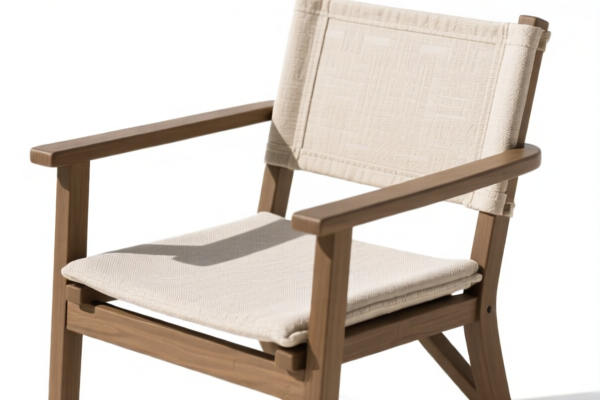
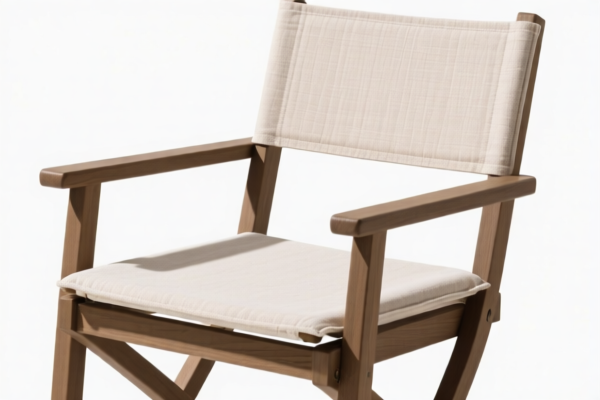
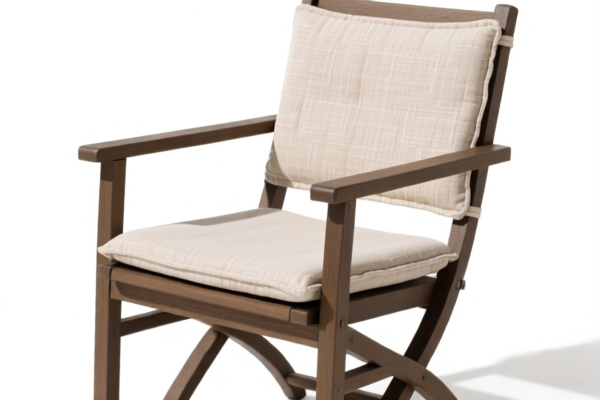
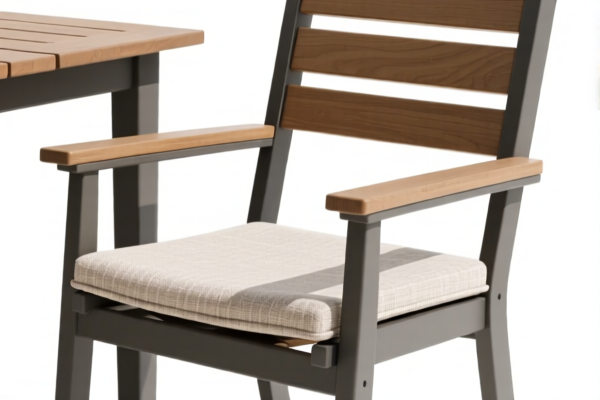
AI Analysis
🍽️ Dining Chair Booster Seat: The Ultimate Guide to HS Classification & US Customs Clearance (2026 Update)
🌐 HS Code Reference & Customs Strategy | Latest 2026 Tariff Analysis | Professional Clearance Protocol
📌 I. Product Definition & Classification: What Exactly is a "Dining Chair Booster Seat"?
A Dining Chair Booster Seat is a portable device designed to elevate a young child to table height for feeding or play. Unlike high chairs, these are typically clip-on or strap-on devices that attach to standard adult dining chairs.
In international trade, classification depends heavily on function and material composition. Are you importing a sturdy metal/plastic frame? A soft cushioned pad? Or a toy-like accessory?
⚠️ Key Distinction for Customs:
- If it is primarily a structural support (metal/plastic frame) → Likely Furniture (Chapter 94).
- If it is primarily a soft accessory/cushion (fabric/foam) → Likely Textiles/Apparel (Chapter 62) or Plastics (Chapter 39).
- If it is considered a toy accessory (e.g., for play kitchens) → Likely Toys (Chapter 95).
📦 II. HS Code Classification Matrix (Based on Provided Data)
The following 5 HS Codes are the primary candidates for "Dining Chair Booster Seat" imports from China to the US, based on material and functional interpretation.
| HS Code | Product Description & Summary | Material/Structure Inference | Primary Use Case |
|---|---|---|---|
9401.79.00.01 |
Auxiliary Seat Structure | Metal or Plastic Frame | Rigid booster seats with frames that clip onto chairs. |
9401.80.40.01 |
Child Seat/Pad Category | Plastic or Rubber | Soft-sided or molded plastic booster pads/cushions. |
9503.00.00.73 |
Toy/Entertainment Accessory | Mixed (Plastic/Fabric) | Booster seats marketed as "toy accessories" or for play kitchens. |
6212.90.00.30 |
Garment/Accessory Item | Man-made Fibers, Rubber, Plastic | Soft, fabric-based booster pads worn or attached like an accessory. |
3926.90.99.89 |
Unspecified Plastic Article | Plastic or Rubber | Generic plastic booster components not elsewhere specified. |
💰 III. 2026 Tariff Rate Breakdown (US Import from China)
✅ Applicable Country: United States (US)
✅ Origin: China (CN)
✅ Effective Date: Rates include Section 301 (25%) and Section 122 (10%) tariffs.
🎯 1. 9401.79.00.01 & 9401.80.40.01 — The "Furniture" Route
Most common for standard rigid or semi-rigid booster seats.
| Item | Detail |
|---|---|
| Base Tariff | 0.0% |
| Section 301 (Additional) | +25.0% |
| Section 122 (Additional) | +10.0% |
| Total Effective Rate | 35.0% |
| Legal Basis | High tariff burden. No de minimis exemption. |
| Risk Level | 🔴 High. Clear classification required. |
📌 Explanation:
- These codes fall under Chapter 94 (Furniture).
- The 35% total tax is significant.
- Customs will look for rigid structure. If you send a soft cloth seat as "9401," expect delays.
🎯 2. 9503.00.00.73 — The "Toy" Route (Lowest Tax)
Only applicable if marketed strictly as a toy accessory.
| Item | Detail |
|---|---|
| Base Tariff | 0.0% |
| Section 301 (Additional) | 0.0% |
| Section 122 (Additional) | +10.0% |
| Total Effective Rate | 10.0% |
| Legal Basis | Chapter 95 (Toys). |
| Risk Level | 🟡 Medium. High scrutiny on "Toy" vs. "Safety Equipment." |
📌 Explanation:
- 10% total tax is the cheapest option.
- CRITICAL WARNING: US Customs (CBP) is extremely strict on booster seats. If you import a product designed for actual child safety/feeding under "Toy" code, it may be deemed misclassified. Toys are not safety-certified equipment.
- Only use this if the product is clearly a plastic play accessory (e.g., for a child's toy kitchen), NOT for real-life dining.
🎯 3. 6212.90.00.30 — The "Textile/Accessory" Route
For soft, fabric-based booster pads.
| Item | Detail |
|---|---|
| Base Tariff | 6.6% |
| Section 301 (Additional) | +7.5% |
| Section 122 (Additional) | +10.0% |
| Total Effective Rate | 24.1% |
| Legal Basis | Chapter 62 (Articles of Apparel/Accessories). |
| Risk Level | 🟠 Medium-High. Must prove textile dominance. |
📌 Explanation:
- If the booster seat is primarily fabric/foam with minimal plastic, this code may apply.
- 24.1% total tax is better than the 35% furniture rate.
- Ensure the product is described as an "accessory" rather than "furniture."
🎯 4. 3926.90.99.89 — The "Generic Plastic" Route
For plastic-only components or molded plastic seats.
| Item | Detail |
|---|---|
| Base Tariff | 5.3% |
| Section 301 (Additional) | +7.5% |
| Section 122 (Additional) | +10.0% |
| Total Effective Rate | 22.8% |
| Legal Basis | Chapter 39 (Plastics). |
| Risk Level | 🟠 Medium. Must prove plastic substance. |
📌 Explanation:
- If the product is mostly plastic (no fabric, no metal frame), this is a strong candidate.
- 22.8% total tax is competitive.
- Avoid if the product has significant metal parts or is marketed as "furniture."
🛠️ IV. Customs Clearance Recommendations (Practical Pitfall Avoidance)
✅ 1. Documentation Checklist (Must-Haves)
| Document | Requirement | Notes |
|---|---|---|
| Product Photos | ✔️ Front, Side, Rear, Label | Must show structure (frame vs. soft) and attachment method. |
| Spec Sheet | ✔️ Material Breakdown | e.g., "60% Plastic, 40% Polyester Fabric." Critical for 6212 vs 3926 vs 9401. |
| Commercial Invoice | ✔️ Detailed Description | Avoid vague terms like "Child Seat." Use "Plastic Booster Pad" or "Fabric Dining Helper." |
| Material Safety Report | ✔️ CPSIA/ASTM F405 | Mandatory if classified as a child product (not toy). Proof of safety certification. |
| Origin Certificate | ✔️ If applicable | For potential tariff engineering (though limited for China-US). |
✅ 2. Classification Strategy (How to Choose)
🔥 "Material Dictates Tax, Function Dictates Legality"
| Scenario | Recommended HS Code | Total Tax | Why? |
|---|---|---|---|
| Rigid Frame Booster (Metal/Plastic clips) | 9401.79.00.01 |
35.0% | It is structurally furniture. |
| Molded Plastic Booster (No fabric, no metal) | 3926.90.99.89 |
22.8% | Primary material is plastic. |
| Soft Fabric Booster (Foam + Cloth) | 6212.90.00.30 |
24.1% | Textile accessory. |
| Toy Kitchen Accessory (Play only, not for real food) | 9503.00.00.73 |
10.0% | Lowest tax, but risky if used for actual dining. |
⚠️ Critical Warning:
Do NOT use9503(Toy) for a product intended for actual child feeding. US CPSC (Consumer Product Safety Commission) requires booster seats to meet ASTM F405 safety standards. Misclassifying as a toy to save taxes can lead to seizure, fines, and safety recalls.
✅ 3. Clearance Tips for Low Tariff Codes
- For
3926(Plastic): Ensure the product has no metal springs or fabric straps. If it does, CBP may reclassify to9401or6212. - For
6212(Textile): Ensure the fabric weight and coverage are dominant. If it's a thin plastic sheet with a small cloth cover, it stays3926. - For
9401(Furniture): Prepare for the 35% hit. Factor this into your pricing. This is the "safest" classification for safety-compliant products.
🌍 V. Global Market Comparison (2026)
| Market | Likely HS Code | Base Rate | Additional (China) | Total Rate | Notes |
|---|---|---|---|---|---|
| 🇺🇸 USA | 9401.79.00.01 |
0% | 35% (301+122) | 35% | Highest burden. Safety certs mandatory. |
| 🇪🇺 EU | 9401.79 |
4.7% | 0% | 4.7% | No Section 301/122. CE Mark required. |
| 🇨🇦 Canada | 9401.79 |
0% | 0% | 0% | Low tariff, but strict safety rules. |
| 🇬🇧 UK | 9401.79 |
0% | 0% | 0% | Post-Brexit tariff-free for many goods. |
📌 Conclusion:
- The US market is the most expensive due to Section 301 and Section 122 tariffs.
- Tax Optimization: If your product is 100% plastic, consider3926(22.8%) instead of9401(35.0%).
- Compliance First: Never sacrifice safety compliance for tax savings. Booster seats are high-liability products.
📌 VI. Common Errors & Pitfalls (Learn from Others' Mistakes)
❌ Error 1: Classifying a fabric booster as 9401 (Furniture).
👉 Result: Overpayment of tax (35% vs 24.1%).
👉 Fix: Use 6212 if fabric is primary.
❌ Error 2: Classifying a real booster seat as 9503 (Toy) to save taxes.
👉 Result: Seizure by CBP. Product deemed unsafe for import under toy classification.
👉 Fix: Use correct safety category (9401 or 3926).
❌ Error 3: Missing ASTM F405 certification.
👉 Result: Goods held at port, returned, or destroyed.
👉 Fix: Ensure supplier provides test reports from CPSC-accepted labs.
✅ Correct Declaration Example:
"Plastic Booster Seat for Dining Chair, Model XYZ, ASTM F405 Certified, No Fabric Components"
→ Use3926.90.99.89(22.8% Tax)
🎯 VII. Conclusion: Smart Classification, Safe Clearance
🎯 Key Takeaways:
🔹 Structure = Furniture (
9401): 35% Tax. Safest for real-use products.
🔹 Plastic = Plastic (3926): 22.8% Tax. Good for molded plastic seats.
🔹 Fabric = Textile (6212): 24.1% Tax. Good for soft pads.
🔹 Toy (9503): 10% Tax. Only for play accessories, not real dining. High risk of refusal.
📌 Pro Tip:
If your product is hybrid (e.g., plastic frame with fabric cushion), consult a customs broker to determine principal character. Often, the structural component (plastic/metal) dictates the code, pushing you toward 9401 or 3926.
📣 Immediate Action:
📞 Engage a licensed customs broker for a Pre-Classification Ruling.
📄 Obtain ASTM F405 test reports before shipping.
💰 Budget for 22-35% tariffs for the US market.
✨ Precision in Classification, Peace of Mind in Clearance!
💼 Your Child’s Safety & Your Business’s Profitability Depend on Accurate HS Codes!
Customer Reviews
About HS Code Classification
The Harmonized System (HS) is an internationally standardized nomenclature developed by the World Customs Organization (WCO) to classify traded products. Over 200 countries use the HS system as the basis for customs tariffs, trade statistics, and import/export regulations.
Each HS code follows a hierarchical structure:
- Chapter (2 digits) — Broad category of goods (e.g., Chapter 84: Machinery and Mechanical Appliances)
- Heading (4 digits) — More specific grouping within the chapter
- Subheading (6 digits) — Internationally standardized breakdown, used by all WCO member countries
- National subdivisions (8-10 digits) — Country-specific extensions for further classification, such as US HTSUS 10-digit codes
Correct HS code classification is essential for smooth customs clearance, accurate duty payment, and compliance with trade regulations. Misclassification can lead to customs delays, overpayment of duties, or penalties.
When importing from CN to US, the applicable tariff rates may include:
- Most-Favored-Nation (MFN) rate — The standard duty rate applied to WTO members
- General rate — Applied to countries without trade agreements
- Trade remedy duties — Additional tariffs such as Section 301 (anti-dumping), Section 232 (national security), or countervailing duties
The information provided on this page is for reference purposes only. For official classification, please consult with your local customs authority or a licensed customs broker.