Dining Chair Cushion
CN → US| HS Code | Tariff Rate | Origin | Destination | Doc |
|---|---|---|---|---|
| 6307909891 | 24.5% | CN | US | Official Doc |
| 9404909670 | 17.3% | CN | US | Official Doc |
| 6307909885 | 24.5% | CN | US | Official Doc |
| 3926305000 | 22.8% | CN | US | Official Doc |
| 3926909989 | 22.8% | CN | US | Official Doc |
Product Images
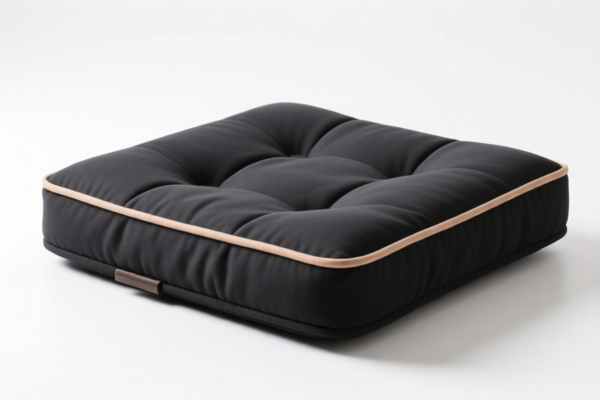
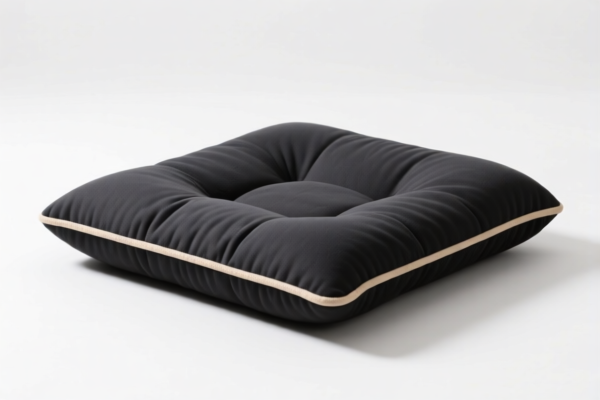
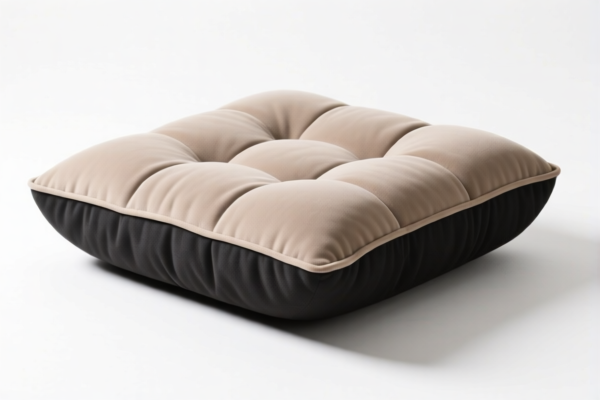
AI Analysis
🛋️ Dining Chair Cushions: HS Code Classification & US Customs Clearance Guide 2026
🌐 HS Code Reference & Clearance Strategy | 2026 Latest Tariff Analysis | Professional-Level Compliance
📌 I. Product Definition & Classification: Do You Really Understand "Dining Chair Cushions"?
Dining chair cushions are essential components of home and restaurant furniture, designed to provide comfort and aesthetic appeal. In international trade, classification is critical because the HS Code determines not just the base duty, but potentially massive "Section 301" and "Section 122" tariffs depending on the material and perceived use.
They are generally categorized into two main streams based on their construction and material priority:
Textile/Fabric Upholstery (Soft Goods): Cushions where the textile material is the essential character (e.g., cotton, synthetic fiber, silk fillings). These fall under Chapter 63 (Other made-up textile articles) or Chapter 94 (Furniture parts).
Plastic/Non-Textile Composites: Cushions constructed primarily of plastic, foam, or other non-textile materials that do not fit standard textile definitions. These fall under Chapter 39 (Plastics and articles thereof).
⚠️ Key Classification Point:
- If the cushion is seen as a generic "made-up textile article" without specific furniture-part intent → Chapter 63
- If the cushion is viewed as a specific "part of furniture" (upholstery) → Chapter 94
- If the material is predominantly plastic/rubber/foam and doesn't fit textile rules → Chapter 39
📦 II. HS Code Classification Details (2026 Latest Tariff Authority Cross-Reference)
Based on the provided data, here are the 5 specific HS Codes identified for Dining Chair Cushions, along with their logical classification reasoning and tax implications.
| HS Code | Product Description | Classification Logic (Why this code?) | Est. Total Tax Rate |
|---|---|---|---|
6307.90.98.91 |
Other Made-up Textile Articles | Logic: Classified as a "Made-up" article. No specific exclusion for chair cushions exists in this generic "other" category, assuming no material conflict. | 24.5% |
9404.90.96.70 |
Parts of Furniture (Cushions/Seats) | Logic: Classified specifically as a "Cushion/Seat" part of furniture. Material inferred as non-cotton, non-silk, non-synthetic fiber (generic other). | 17.3% |
6307.90.98.85 |
Other Made-up Articles (Furniture Accessory) | Logic: Treated as a "Made-up" good AND a furniture accessory. Assumes material is likely cotton or synthetic fiber, falling into the "other made-up" catch-all. | 24.5% |
3926.30.50.00 |
Articles of Plastic (Furniture Accessories) | Logic: Material inferred as Plastic or plastic-based. Classified under "Other articles of plastics" for furniture connectors/accessories. | 22.8% |
3926.90.99.89 |
Other Plastic Articles (Accessories) | Logic: Broad plastic classification. Assumes material is Plastic, Sponge, or Fabric composite, categorized as a general plastic accessory/accessory part. | 22.8% |
🔍 Critical Insight:
- The lowest tax burden among the options is9404.90.96.70at 17.3%.
- The highest tax burden is6307.90.98.91and6307.90.98.85at 24.5%.
- Plastic-based classifications (3926) sit in the middle at 22.8%.
- Note: Tax rates include Base Duty, Section 301 (Add-on), and Section 122 Tariffs.
💰 III. 2026 Latest Tariff Rate Breakdown (Including Surcharges & Policy Add-ons)
✅ Applicable Country: United States (US)
✅ Origin: China (CN) (Implied by "122 Clause" and specific add-on tariffs)
✅ Effective Time: 2026 Analysis
🎯 1. 6307.90.98.91 & 6307.90.98.85 —— Textile "Made-up" Articles
These two codes share the same tax structure, though their summary descriptions vary slightly by material inference.
| Item | Content |
|---|---|
| Base Duty | 7.0% |
| Section 301 Add-on | 7.5% |
| Section 122 Tariff | 10.0% |
| Total Effective Rate | 24.5% |
| Calculation Basis | CIF Value × 24.5% |
| De Minimis Eligibility | ❌ NO (High value/importance category) |
| Legal Path | HTSUS 6307.90 → Footnote 122 → Section 301 List 4 |
📌 Explanation:
- These codes classify the cushion as a generic textile accessory.
- The 10% Section 122 tariff is a significant add-on for textiles/apparel-related goods from specific origins.
- Risk: Customs may scrutinize if it should instead be classified as a furniture part (Chapter 94) for a lower rate.
🎯 2. 9404.90.96.70 —— RECOMMENDED: Parts of Furniture (Cushions)
This code offers the most competitive tax rate among the options provided.
| Item | Content |
|---|---|
| Base Duty | 7.3% |
| Section 301 Add-on | 0.0% |
| Section 122 Tariff | 10.0% |
| Total Effective Rate | 17.3% |
| Calculation Basis | CIF Value × 17.3% |
| De Minimis Eligibility | ❌ NO |
| Legal Path | HTSUS 9404.90 → Section 122 Application |
📌 Explanation:
- Key Advantage: 0% Section 301 Add-on. Most furniture parts are subject to 25% 301 duties, but specific subheadings like this may be exempt or have different treatments depending on the exact 2026 list.
- The 10% Section 122 tariff still applies.
- Strategy: If your cushion can be definitively described as a "part of furniture" rather than a "textile good," this is the best cost-saving option.
🎯 3. 3926.30.50.00 & 3926.90.99.89 —— Plastic/Composite Articles
For cushions made primarily of plastic, foam, or non-textile composites.
| Item | Content |
|---|---|
| Base Duty | 5.3% |
| Section 301 Add-on | 7.5% |
| Section 122 Tariff | 10.0% |
| Total Effective Rate | 22.8% |
| Calculation Basis | CIF Value × 22.8% |
| De Minimis Eligibility | ❌ NO |
| Legal Path | HTSUS 3926 → Section 301 List 3/4 → Section 122 |
📌 Explanation:
- Plastics have a lower base duty (5.3%) compared to textiles (7.0%-7.3%).
- However, the Section 301 Add-on is 7.5% (unlike the 0% in9404.90.96.70).
- Use Case: Only use these codes if the product is NOT fabric-upholstered but rather a molded plastic seat pad or foam-only item without textile covering.
🛠️ IV. Practical Customs Clearance Advice (Battle-Tested Pitfall Guide)
✅ 1. Required Documentation Checklist (Non-Negotiable)
| Document | Must Provide? | Description |
|---|---|---|
| ✅ Product Specification Sheet | ✔️ | Must detail: Material composition (e.g., "Cotton cover, Polyurethane foam fill"), Dimensions, Weight. |
| ✅ Material Breakdown | ✔️ | Critical for distinguishing between 6307 (Textile) vs 3926 (Plastic) vs 9404 (Furniture Part). |
| ✅ Product Photos | ✔️ | Clear shots of the cushion, label, and any tags showing material content. |
| ✅ Commercial Invoice | ✔️ | Description must be precise: "Dining Chair Cushion, 18x18 inch, Cotton Cover with Foam Insert, Part of Furniture" |
| ✅ Packing List | ✔️ | Confirm no unrelated items are mixed in. |
| ✅ Proof of Origin | ✔️ | If claiming any preferential treatment (unlikely for China in this category, but standard practice). |
✅ 2. Declaration Strategy (The Golden Rules)
🔥 "Describe the Function, Not Just the Material!"
| Scenario | Correct Declaration | Wrong Declaration |
|---|---|---|
| Fabric Cushion with Foam | "Cushion, upholstered, for dining chairs" → 9404.90.96.70 (17.3%) |
"Textile Pillow" → 6307.90.98.91 (24.5%) |
| Pure Plastic Seat Pad | "Plastic seat pad for restaurant chairs" → 3926.30.50.00 (22.8%) |
"Furniture Part" (if not plastic) → Misclassification Risk |
| Mixed Material (Fabric + Plastic backing) | Prioritize the essential character. If fabric covers it, likely Textile/Furniture. If plastic is structural, consider Plastic codes. | Vague term like "Chair Accessory" → High Risk of Audit |
📌 Key Advice:
- To achieve the 17.3% rate (9404.90.96.70), you must argue that the cushion is a specific part of furniture.
- Avoid calling it a "Pillow" or "Textile Article" in the commercial invoice, as this pushes it toward the 24.5% textile classification.
- Consistency is Key: Ensure the HS Code on the Commercial Invoice matches the Packing List and the actual product.
✅ 3. Special Situations & Mitigation
| Situation | Handling Suggestion |
|---|---|
Customs Queries on 9404 vs 6307 |
Provide a diagram showing the cushion is detachable but specifically designed for that chair model. Emphasize "Furniture Part" function. |
| Sample vs. Bulk Shipment | Both are subject to the same rates. Do not attempt to declare samples under De Minimis if the value per piece is high; it may trigger audits. |
| New Material (e.g., Eco-friendly Bamboo Fiber) | If classified as textile, it may fall under 6307 (24.5%). If it meets specific plastic-like polymer definitions, 3926 (22.8%) might apply. Consult a customs broker for new materials. |
🌍 V. Global Market Comparison (2026 Context)
| Market | Recommended HS Code | Est. Duty (China Origin) | Notes |
|---|---|---|---|
| 🇺🇸 United States | 9404.90.96.70 |
17.3% (Lowest Available) | Avoid 6307 (24.5%) unless necessary. Section 122 applies. |
| 🇨🇳 China | 9404.90.00.00 |
~10% | Standard import duty. |
| 🇪🇺 EU | 9404.90 |
~15-18% | VAT applies on top. No Section 122 equivalent. |
| 🇨🇦 Canada | 9404.90 |
~15% | FTA may apply if manufactured in eligible regions. |
📌 Conclusion:
- The US market is the most complex due to the layered tariffs (Base + 301 + 122).
- Optimization Strategy: Aim for9404.90.96.70to save 7.2% compared to the textile codes.
- Risk: If Customs rejects9404and reclassifies to6307, you will owe the difference + penalties. Pre-emptive clarity in documentation is essential.
📌 VI. Common Mistakes & Pitfalls (Blood Lessons)
❌ Mistake 1: Calling the product "Cushion" but declaring it under 6307 (Textile) when it is clearly a furniture part.
👉 Consequence: You pay 24.5% instead of 17.3%. Loss of 7.2% profit margin.
❌ Mistake 2: Declaring a plastic cushion as "Textile" to avoid plastic duties.
👉 Consequence: Customs inspection reveals plastic content. Penalties + Back Duties.
❌ Mistake 3: Ignoring the "Section 122" tariff.
👉 Consequence: All 5 codes listed include a 10% Section 122 tariff. If you miss this in your cost calculation, your landed cost estimate will be wrong by 10%.
❌ Mistake 4: Using "Accessory" as a catch-all without specifying "Furniture Accessory."
👉 Consequence: Ambiguity leads to Hold for Inspection, delaying your shipment by 2-4 weeks.
✅ Correct Action:
"Dining Chair Seat Cushion, Removable, Cotton Fabric Cover with Foam Insert, for Indoor/Outdoor Use."
HS Code:9404.90.96.70
Total Duty: 17.3%
🎯 VII. Conclusion: Precision in Classification Saves Money
🎯 Remember the Key Takeaway:
🔹 "Furniture Part (
9404) is Cheaper than Textile (6307) for Cushions!"
🔹 17.3% vs 24.5% = Significant Margin Difference.
🔹 "Section 122 is Always On" (10%) for these categories.
📌 Pro Tip:
If your cushion is a new or unusual material (e.g., memory foam, gel-infused, recycled plastic), consider applying for a Binding Tariff Information (BTI) or Pre-Ruling from US Customs before shipping large volumes. This locks in your classification and protects you from retroactive audits.
📣 Immediate Action Required:
📞 Review your Product Specifications: Does it clearly state "Furniture Part" or "Cushion for Chairs"?
📄 Update Commercial Invoice: Use the exact description aligned with9404.90.96.70.
🚀 Calculate Landed Cost: Use the 17.3% rate for accurate profit planning.
✨ Professional Customs Compliance Starts with Accurate Classification!
💼 Your Margin Depends on Your HS Code Choice!
Customer Reviews
About HS Code Classification
The Harmonized System (HS) is an internationally standardized nomenclature developed by the World Customs Organization (WCO) to classify traded products. Over 200 countries use the HS system as the basis for customs tariffs, trade statistics, and import/export regulations.
Each HS code follows a hierarchical structure:
- Chapter (2 digits) — Broad category of goods (e.g., Chapter 84: Machinery and Mechanical Appliances)
- Heading (4 digits) — More specific grouping within the chapter
- Subheading (6 digits) — Internationally standardized breakdown, used by all WCO member countries
- National subdivisions (8-10 digits) — Country-specific extensions for further classification, such as US HTSUS 10-digit codes
Correct HS code classification is essential for smooth customs clearance, accurate duty payment, and compliance with trade regulations. Misclassification can lead to customs delays, overpayment of duties, or penalties.
When importing from CN to US, the applicable tariff rates may include:
- Most-Favored-Nation (MFN) rate — The standard duty rate applied to WTO members
- General rate — Applied to countries without trade agreements
- Trade remedy duties — Additional tariffs such as Section 301 (anti-dumping), Section 232 (national security), or countervailing duties
The information provided on this page is for reference purposes only. For official classification, please consult with your local customs authority or a licensed customs broker.