Dining Chair Mat
CN → US| HS Code | Tariff Rate | Origin | Destination | Doc |
|---|---|---|---|---|
| 6307909891 | 24.5% | CN | US | Official Doc |
| 9404909670 | 17.3% | CN | US | Official Doc |
| 6307909885 | 24.5% | CN | US | Official Doc |
| 3926305000 | 22.8% | CN | US | Official Doc |
| 3926909989 | 22.8% | CN | US | Official Doc |
Product Images
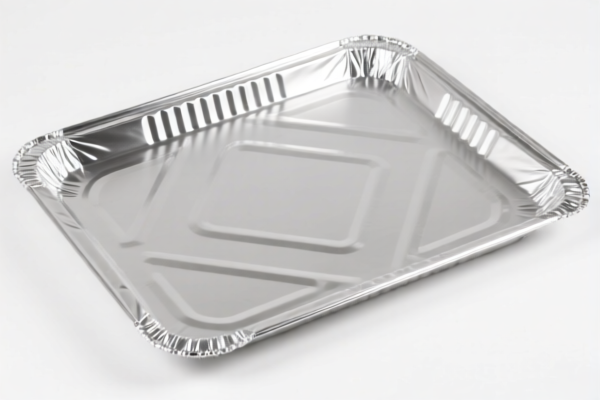
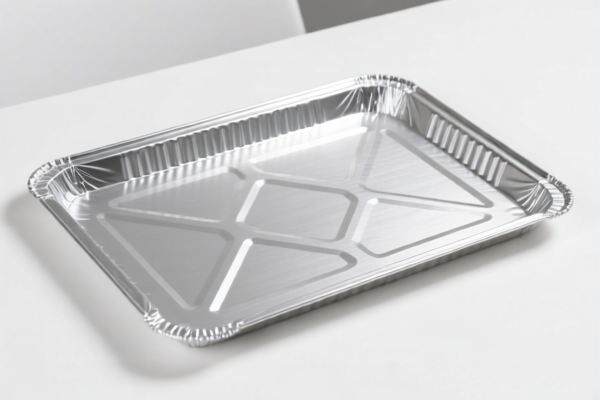
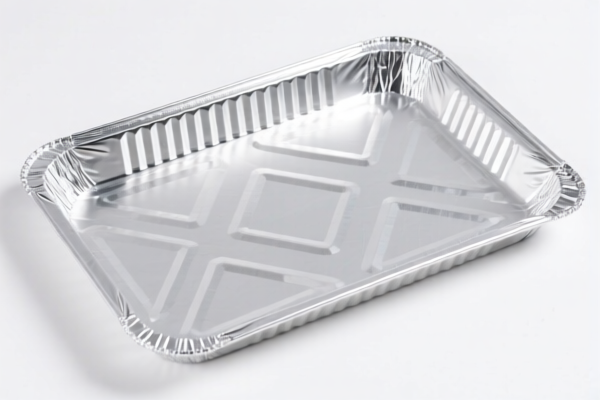
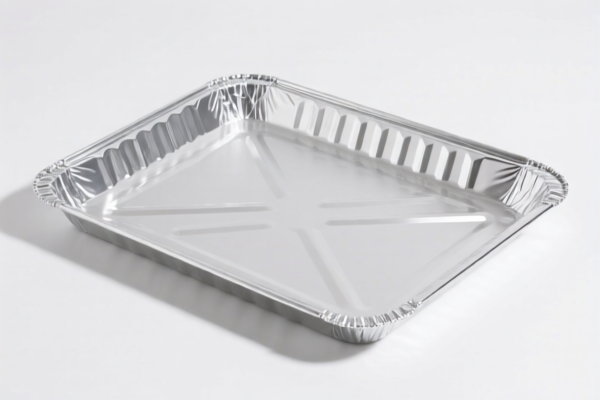
AI Analysis
🪑 Dining Chair Mats (Floor Protectors for Chairs)
🌐 HS Code Reference & Clearance Guide | 2026 Latest Tariff Analysis | Professional Clearance Strategy
📌 I. Product Definition & Classification: What Exactly is a "Dining Chair Mat"?
A Dining Chair Mat is a protective floor covering designed to prevent scratches, dents, and wear on floors (hardwood, laminate, tile, or carpet) caused by the frequent movement of dining chair legs. In international trade, these products are not always classified uniformly; their Harmonized System (HS) Code depends heavily on material composition and functional intent.
They are generally categorized into two main types:
1. Textile/Furniture Accessories: If viewed as an accessory to furniture or a textile product.
2. Floor Coverings/Padding: If viewed primarily as a pad or cushion for flooring.
3. Plastic Products: If made primarily of PVC, vinyl, or other plastics.
⚠️ Key Distinction Point:
- If the mat is textile-based (e.g., felt, wool blends) or acts as a furniture accessory → It leans towards Chapter 63 (Other Made Up Articles).
- If the mat is primarily for floor protection/padding → It leans towards Chapter 94 (Furniture Accessories) or Chapter 39 (Plastics).
- If the mat is a rigid or semi-rigid plastic sheet → It leans towards Chapter 39 (Plastics and Articles Thereof).
📦 II. HS Code Classification Details (2026 Latest Tariff Authority Comparison)
| HS Code | Product Description | Application Scenario | Material Type |
|---|---|---|---|
6307.90.98.91 |
Other made up articles, incl. dress patterns, other | Furniture accessories, textile mats, "Other made up articles" | Textile/Felt |
9404.90.96.70 |
Other articles of bedding, sleeping bags, etc. | Pads, cushions, floor pads, furniture parts | Textile/Foam/Composite |
6307.90.98.85 |
Other made up articles, incl. dress patterns, other | Furniture accessories, generic mats | Mixed/Textile |
3926.30.50.00 |
Other articles of plastics, incl. furniture fittings | Plastic mats, rigid plastic protectors | Plastic |
3926.90.99.89 |
Other articles of plastics, n.e.s. | Generic plastic floor mats, non-specific plastic items | Plastic |
🔍 Key Reminder:
- Textile/Mixed Mats: Often misclassified. If the primary function is seen as a "pad" for furniture,9404.90.96.70may apply. If seen as a general textile product,6307.90.98.91or6307.90.98.85may be used.
- Plastic Mats: Must be declared as plastic articles. Rigid plastic mats often fall under3926.30.50.00(furniture fittings) or3926.90.99.89(other plastics).
- Do Not Split: Do not separate the mat from its packaging or accessories if sold as a set.
💰 III. 2026 Latest Tariff Rate Breakdown (Including Additional Duties & Policy Surcharges)
✅ Applicable Country: USA (US)
✅ Origin: China (CN)
✅ Effective Date: From Nov 10, 2025 onwards (for subsequent imports)
🎯 1. 6307.90.98.91 & 6307.90.98.85 —— Textile/Furniture Accessory Mats
| Item | Content |
|---|---|
| Base Tariff | 7.0% (ad valorem) |
| Section 301 Additional Duty | +7.5% |
| Section 122 Duty (China Specific) | +10.0% |
| Total Tariff Rate | 24.5% |
| Tax Calculation | CIF Value × 24.5% |
| De Minimis Exemption? | ❌ No (deny_de_minimis) |
| Legal Basis Path | USITC:6307.90.98.91 → FOOTNOTE:Section 122 → Section 301 |
📌 Explanation:
- These codes classify the mat as a "made up article" (textile/fabric).
- The Section 122 duty (+10%) is a specific additional tax imposed on certain Chinese goods.
- Combined with Section 301 (+7.5%), the total rate is high.
- Risk: Misclassification as a lower-tariff item can lead to penalties.
🎯 2. 9404.90.96.70 —— Pad/Cushion Category Mats
| Item | Content |
|---|---|
| Base Tariff | 7.3% (ad valorem) |
| Section 301 Additional Duty | +0.0% (Note: Check latest updates; currently listed as 0.0% in data) |
| Section 122 Duty (China Specific) | +10.0% |
| Total Tariff Rate | 17.3% |
| Tax Calculation | CIF Value × 17.3% |
| De Minimis Exemption? | ❌ No (deny_de_minimis) |
| Legal Basis Path | USITC:9404.90.96.70 → FOOTNOTE:Section 122 |
📌 Note:
- This code views the mat as a "pad" or "cushion" (Chapter 94, Furniture).
- It benefits from a 0% Section 301 rate (in this specific dataset), making it 17.3% total.
- This is the lowest tariff option among the provided codes, IF the product can be legitimately classified as a "pad/cushion" rather than a textile or plastic article.
- Strategy: If the mat is soft, padded, or fabric-covered, argue for this classification.
🎯 3. 3926.30.50.00 & 3926.90.99.89 —— Plastic Mats
| Item | Content |
|---|---|
| Base Tariff | 5.3% (ad valorem) |
| Section 301 Additional Duty | +7.5% |
| Section 122 Duty (China Specific) | +10.0% |
| Total Tariff Rate | 22.8% |
| Tax Calculation | CIF Value × 22.8% |
| De Minimis Exemption? | ❌ No (deny_de_minimis) |
| Legal Basis Path | USITC:3926.xx.xx → FOOTNOTE:Section 122 → Section 301 |
📌 Explanation:
- Plastic mats fall under Chapter 39.
- While the base tariff is lower (5.3%), the Section 301 (+7.5%) and Section 122 (+10%) apply, resulting in 22.8%.
- Comparison: This is cheaper than the textile category (24.5%) but more expensive than the "pad" category (17.3%).
- Risk: If a plastic mat is declared as textile, customs may reclassify and charge 24.5% + penalties.
🛠️ IV. Clearance Practical Advice (Real-World Pitfall Guide)
✅ 1. Required Documentation Checklist (Non-Negotiable)
| Document | Mandatory | Description |
|---|---|---|
| ✅ Product Specification Sheet | ✔️ | Material composition (e.g., 100% PVC, Felt backing), thickness, size |
| ✅ Product Photos | ✔️ | Clear images showing front, back, and any packaging labels |
| ✅ Commercial Invoice | ✔️ | Must clearly state "Dining Chair Mat" or "Floor Protector" |
| ✅ Packing List | ✔️ | Weight, dimensions, number of pieces |
| ✅ Material Declaration | ✔️ | Explicitly state if made of Plastic, Textile, or Composite |
| ✅ Certificate of Origin (CO) | ✔️ | If applicable, to verify origin and potential duty exemptions |
✅ 2. Declaration Strategy (Key Mantra)
🔥 “Material Defines Code, Pad is Cheapest, Plastic is Mid, Textile is Highest!”
| Scenario | Correct HS Code | Incorrect Approach | Consequence |
|---|---|---|---|
| Soft, Fabric-Covered, Padded Mat | 9404.90.96.70 (17.3%) |
Declare as "Plastic" → 22.8% | Overpaid duties |
| Rigid PVC Plastic Mat | 3926.30.50.00 (22.8%) |
Declare as "Textile" → 24.5% | Overpaid duties + Risk of Audit |
| Felt/Textile Mat (No Plastic Core) | 6307.90.98.91 (24.5%) |
Declare as "Pad" → 17.3% | Customs Rejection & Penalties (Misclassification) |
⚠️ Critical Warning:
- Do not misclassify. If your mat is PVC-backed felt, it may still be classified as textile or plastic depending on the dominant feature.
- Section 122 Duty (+10%) applies to all codes listed above for Chinese origin. There is no avoidance here.
- Section 301 Duty (+7.5%) applies to Textile (6307) and Plastic (3926) codes, but not to the Pad code (9404) in this dataset.
✅ 3. Special Handling Cases
| Scenario | Recommendation |
|---|---|
| Composite Material (e.g., Plastic Base + Felt Top) | Argue for 9404.90.96.70 (Pad) if the padding function is dominant. Provide engineering diagrams showing the padding structure. |
| OEM Custom Mats | Provide design files and material breakdown. Specify "Chair Mat" in invoice, not generic "Plastic Sheet". |
| Bulk Import (Palletized) | Ensure HS Code matches the primary item. Do not mix HS Codes on one BL without clear separation. |
| Small Samples (De Minimis) | ❌ No De Minimis Exemption. All values are subject to duty due to Section 122 & 301. |
🌍 V. Global Market Clearance Comparison (2026 Latest)
| Country/Region | Recommended HS Code | Tariff (China Origin) | Certification | Remarks |
|---|---|---|---|---|
| 🇺🇸 USA | 9404.90.96.70 |
17.3% (Best Rate) | No specific cert | Section 122 (+10%) & Sec 301 (0% for 9404) |
| 🇨🇳 China | 9404.90.96.70 |
5% (Approx.) | No specific cert | No additional duties |
| 🇪🇺 EU | 3926.90 or 6307.90 |
0% - 3.7% | CE/RoHS (if plastic) | Lower base rates, no Section 122/301 |
| 🇬🇧 UK | 3926.90 or 6307.90 |
0% - 3.7% | UKCA | Post-Brexit rules apply |
📌 Conclusion:
- USA is the most complex market due to Section 122 (+10%) and Section 301 variations.
- Strategic Tip: If your mat is padded or has a textile top layer, strive to classify under9404.90.96.70to save 5.2% - 7.5% in tariffs compared to plastic/textile-only classifications.
- If it’s pure plastic,3926.30.50.00(22.8%) is unavoidable unless re-engineered.
📌 VI. Common Mistakes & Pitfall Guide (Lessons Learned)
❌ Mistake 1: Calling all mats "Plastic Mats" to simplify inventory
👉 Result: If it has a fabric top, customs may reject and charge 24.5% + penalties.
❌ Mistake 2: Assuming "De Minimis" ($800) exemption applies
👉 Result: False. Section 122 duties negate de minimis exemptions. All shipments are taxed.
❌ Mistake 3: Not declaring "Section 122" duty in internal cost models
👉 Result: Profit margins eroded by the unexpected +10% tax.
❌ Mistake 4: Misidentifying the "Pad" classification
👉 Result: If you claim 9404.90.96.70 for a rigid plastic sheet, customs will reclassify and charge 22.8% + back taxes.
✅ Correct Action:
"PVC Chair Mat, Clear, 36x48 inches, Anti-Slip Backing, Model XYZ"
Use precise material description to support the chosen HS Code.
🎯 VII. Conclusion: Precise Classification for Maximum Savings
🎯 Remember the Mantra:
🔹 "Pad is King (17.3%), Plastic is Queen (22.8%), Textile is Noble (24.5%)."
🔹 "Section 122 hits everyone (+10%), but Section 301 spares the Pad (0%)."
🔹 "Declare Material, Not Just Function!"
📌 Pro Tip:
- If your product is 100% plastic, consider modifying the design to include a textile/padding layer to potentially qualify for the lower 17.3% rate under
9404.90.96.70.- Always consult a licensed customs broker for Advance Rulings if unsure.
📣 Immediate Action:
📞 Contact your freight forwarder + Provide Material Breakdown + Request HS Code Pre-Ruling
🚀 Ensure Compliance, Avoid Penalties, Maximize Profit!
✨ Professional Clearance Starts with Accurate Classification!
💼 Every Percentage Point of Tariff Saved is Pure Profit!
Customer Reviews
About HS Code Classification
The Harmonized System (HS) is an internationally standardized nomenclature developed by the World Customs Organization (WCO) to classify traded products. Over 200 countries use the HS system as the basis for customs tariffs, trade statistics, and import/export regulations.
Each HS code follows a hierarchical structure:
- Chapter (2 digits) — Broad category of goods (e.g., Chapter 84: Machinery and Mechanical Appliances)
- Heading (4 digits) — More specific grouping within the chapter
- Subheading (6 digits) — Internationally standardized breakdown, used by all WCO member countries
- National subdivisions (8-10 digits) — Country-specific extensions for further classification, such as US HTSUS 10-digit codes
Correct HS code classification is essential for smooth customs clearance, accurate duty payment, and compliance with trade regulations. Misclassification can lead to customs delays, overpayment of duties, or penalties.
When importing from CN to US, the applicable tariff rates may include:
- Most-Favored-Nation (MFN) rate — The standard duty rate applied to WTO members
- General rate — Applied to countries without trade agreements
- Trade remedy duties — Additional tariffs such as Section 301 (anti-dumping), Section 232 (national security), or countervailing duties
The information provided on this page is for reference purposes only. For official classification, please consult with your local customs authority or a licensed customs broker.