Dining Table Glassware
CN → US| HS Code | Tariff Rate | Origin | Destination | Doc |
|---|---|---|---|---|
| 7020006000 | 40.0% | CN | US | Official Doc |
| 7020004000 | 41.6% | CN | US | Official Doc |
| 7013495090 | 25.0% | CN | US | Official Doc |
| 7013995090 | 40.0% | CN | US | Official Doc |
Product Images
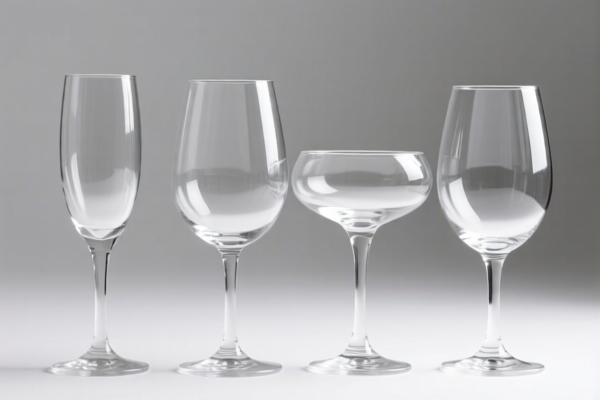
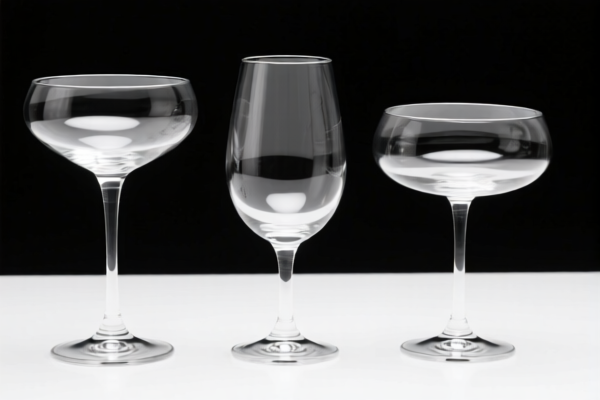
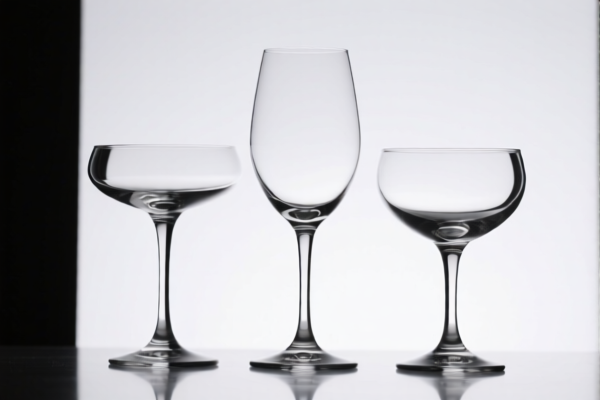

AI Analysis
🥂 Dining Table Glassware (Glassware for Table, Kitchen, or Household Use)
🌐 HS Code Reference & Customs Clearance Guide | 2026 Latest Tariff Analysis | Professional Clearance Strategy
📌 I. Product Definition & Classification: Do You Really Know "Dining Table Glassware"?
"Dining Table Glassware" refers to glass items specifically designed for use in dining, kitchen, or household settings. These include wine glasses, water goblets, beer mugs, juice glasses, and other serving ware.
In international trade, the classification depends heavily on: 1. Material: Must be glass. 2. Use: Specifically for table, kitchen, or household use. 3. Form: Whether it is a finished article or a semi-finished part.
⚠️ Key Distinction Point:
- If the item is a finished glass vessel intended for direct use (e.g., a wine glass), it falls under Chapter 7013.
- If the item is a generic glass article not specifically for tableware (e.g., decorative glass pieces, or generic containers not primarily for food/drink service), it may fall under Chapter 7020.
- Note: Classification errors here can lead to significant tariff differences due to "Section 301" and "Section 122" additional duties.
📦 II. HS Code Classification Details (2026 Latest Tariff Authority Comparison)
Based on the provided data, the following HS Codes are matched for "Dining Table Glassware."
| HS Code | Summary / Match Logic | Total Tax Rate | Tax Detail Breakdown |
|---|---|---|---|
7013.49.50.90 |
Highly Recommended for Tableware. Marks: "Dining table, kitchen" usage matches category use perfectly. "Glassware" confirms material. Fits definition of glass articles for table/kitchen use. |
25.0% | Base: 15.0% + Section 301: 0.0% + Section 122: 10.0% |
7013.99.50.90 |
Alternative for Other Tableware. Marks: Usage (table, kitchen, household) matches category use. Material (glass) is confirmed. Fits definition of other glass articles for table use. |
40.0% | Base: 30.0% + Section 301: 0.0% + Section 122: 10.0% |
7020.00.60.00 |
Generic Glass Articles. Marks: Matches material (glass) and general household use. Fits category "Other glass articles." Less specific than 7013. |
40.0% | Base: 5.0% + Section 301: 25.0% + Section 122: 10.0% |
7020.00.40.00 |
Other Generic Glass Articles. Marks: Matches material (glass) and use (articles/vessels). Fits definition of other glass articles. |
41.6% | Base: 6.6% + Section 301: 25.0% + Section 122: 10.0% |
🔍 Key Insight:
-7013.49.50.90offers the lowest total tax rate (25.0%) because it has a 0% Section 301 duty. This is likely because these specific glass articles may be excluded from certain Section 301 lists or have a specific duty-free status for base tariffs in this subheading.
-7020codes attract the full 25% Section 301 surcharge, making them significantly more expensive despite lower base tariffs in some cases.
-7013.99.50.90has a high base tariff (30%) but no Section 301, totaling 40%.
💰 III. 2026 Latest Tariff Rate Details (Including Additional Taxes & Policy Surcharges)
✅ Applicable Country: United States (US)
✅ Origin: China (CN) (Implied by the structure of Section 301/122 taxes)
✅ Effective Time: Current as per provided data
🎯 1. 7013.49.50.90 —— Glass Articles for Table, Kitchen, or Other Household Use
| Item | Content |
|---|---|
| Base Tariff | 15.0% (ad valorem) |
| Section 301 Additional Duty | 0.0% |
| Section 122 Additional Duty | 10.0% |
| Total Tariff Rate | 25.0% |
| Tax Calculation | CIF Value × 25% |
| De Minimis Eligibility | ❌ Not Eligible (Section 301/122 goods typically deny de minimis under current enforcement trends) |
| Legal Basis Path | HTSUS:7013.49.50.90 → Section 301 Exclusion/Status → Section 122:10% |
📌 Explanation:
- This is the most cost-effective classification for dining table glassware.
- The 0% Section 301 rate is critical. It suggests that this specific subheading (7013.49) may be excluded from the 25% Section 301 list, or the product type qualifies for an exception.
- Section 122 (10%) still applies, likely related to specific trade remedy actions or anti-dumping/countervailing duties depending on the exact product type.
🎯 2. 7013.99.50.90 —— Other Glass Articles for Table, Kitchen, or Household Use
| Item | Content |
|---|---|
| Base Tariff | 30.0% |
| Section 301 Additional Duty | 0.0% |
| Section 122 Additional Duty | 10.0% |
| Total Tariff Rate | 40.0% |
| Tax Calculation | CIF Value × 40% |
| De Minimis Eligibility | ❌ Not Eligible |
| Legal Basis Path | HTSUS:7013.99.50.90 → Section 122:10% |
📌 Note:
- Higher base tariff (30%) compared to 7013.49.
- Also enjoys 0% Section 301, but the total is higher due to base rates.
🎯 3. 7020.00.60.00 —— Other Glass Articles (General)
| Item | Content |
|---|---|
| Base Tariff | 5.0% |
| Section 301 Additional Duty | 25.0% |
| Section 122 Additional Duty | 10.0% |
| Total Tariff Rate | 40.0% |
| Tax Calculation | CIF Value × 40% |
| De Minimis Eligibility | ❌ Not Eligible |
| Legal Basis Path | HTSUS:7020.00.60.00 → Section 301:9903.88.01 → Section 122:10% |
📌 Explanation:
- Low base tariff (5%) but hit hard by 25% Section 301.
- Total is 40%, same as 7013.99 but with higher Section 301 burden.
🎯 4. 7020.00.40.00 —— Other Glass Articles
| Item | Content |
|---|---|
| Base Tariff | 6.6% |
| Section 301 Additional Duty | 25.0% |
| Section 122 Additional Duty | 10.0% |
| Total Tariff Rate | 41.6% |
| Tax Calculation | CIF Value × 41.6% |
| De Minimis Eligibility | ❌ Not Eligible |
| Legal Basis Path | HTSUS:7020.00.40.00 → Section 301:9903.88.01 → Section 122:10% |
📌 Note:
- Highest total rate (41.6%).
- Avoid this classification if possible due to high Section 301 impact.
🛠️ IV. Customs Clearance Practical Advice (Real-World Pitfall Avoidance Guide)
✅ 1. Documentation Checklist (Must-Haves)
| Document | Required | Description |
|---|---|---|
| ✅ Product Specification Sheet | ✔️ | Detail shape, capacity, material composition (e.g., soda-lime glass, borosilicate). |
| ✅ Product Photos | ✔️ | Clear images showing the item as a finished tableware piece (not raw glass). |
| ✅ Commercial Invoice | ✔️ | Must state: "Glass Tableware," "For Household Use," avoid vague terms like "Glass Products." |
| ✅ Packing List | ✔️ | Itemize quantities, weights, and dimensions. |
| ✅ Certificate of Origin (CO) | ✔️ | If applicable, to verify origin (China triggers Section 301/122). |
| ✅ FCC/CE/RoHS Certs | ❓ | Not usually required for glass, but good for compliance proof if mixed with other materials. |
✅ 2. Declaration Tips (Key Mnemonic)
🔥 "Be Specific: Use 'Glass Tableware' Not 'Glass Articles'!"
| Scenario | Correct Declaration | Wrong Declaration | Consequence |
|---|---|---|---|
| Finished Wine Glasses | 7013.49.50.90 (Glass Tableware) |
7020.00.60.00 (Other Glass Articles) |
Save 15% tax (25% vs 40%) |
| Kitchen Serving Bowls | 7013.49.50.90 or 7013.99.50.90 |
7020.00.40.00 |
Save 1.6% tax (40% vs 41.6%) |
| Decorative Glass Statues | 7020.00.60.00 |
7013... |
Avoid Misclassification → Penalties! |
| Raw Glass Sheets | 7005/7007 |
7013 |
Major Error → Rejection/Fines |
📌 Critical Advice:
- Use "7013" codes whenever possible. They represent "Table, Kitchen, or Other Household Glassware."
- Avoid "7020" codes for dining table items unless they are clearly decorative or not for food/drink contact.
- Section 301 Impact: By choosing 7013 codes, you may benefit from 0% Section 301 duties, saving 25% on the CIF value. This is a huge cost saver.
✅ 3. Special Case Handling
| Case | Handling Advice |
|---|---|
| Mixed Packaging | If glassware is packed with plastic cutlery, declare them separately. Glassware goes to 7013; cutlery to 8215. |
| OEM Custom Designs | Provide design drawings to prove the item is "tableware" and not a "novelty" item. |
| Lead-Free Crystal | Still classified under 7013 if for table use. Ensure "Lead-Free" is stated for health compliance, but HTSUS remains the same. |
| Breakage During Transit | Not a classification issue, but ensure insurance covers the higher value if tax is calculated on CIF. |
🌍 V. Global Market Clearance Comparison (2026 Latest)
| Country/Region | Recommended HS Code | Tariff Rate | Certification | Notes |
|---|---|---|---|---|
| 🇺🇸 USA | 7013.49.50.90 |
25.0% | None specific for glass | Best Rate due to 0% Sec 301 |
| 🇺🇸 USA | 7020.00.60.00 |
40.0% | None | High due to 25% Sec 301 |
| 🇨🇳 China | 7013.49.50.90 |
~15% | None | Low base rate, no additional US taxes |
| 🇪🇺 EU | 7013.37.00 |
6.5% | CE (if mixed) | Standard EU duty for glass tableware |
| 🇯🇵 Japan | 7013.39.00 |
15.0% | None | Standard Japanese duty |
📌 Conclusion:
- USA is the most critical market for tariff optimization.
- Choose7013over7020to avoid the 25% Section 301 surcharge.
- This can save 15-16.6% on total landed cost.
📌 VI. Common Errors & Pitfall Guide (Lessons Learned)
❌ Mistake 1: Classifying dining glasses as "Other Glass Articles" (7020).
👉 Result: Pay 25% more tax due to Section 301.
✅ Fix: Use 7013.49.50.90 for tableware.
❌ Mistake 2: Using vague descriptions like "Glass Items" on the invoice.
👉 Result: Customs may classify under the highest duty rate (7020.00.40.00 at 41.6%) or hold goods for inspection.
✅ Fix: Use precise terms: "Soda-Lime Glass Wine Glasses for Household Use."
❌ Mistake 3: Assuming all glass goods are subject to Section 301.
👉 Result: Overpaying if the correct 7013 code has 0% Sec 301.
✅ Fix: Verify the specific HTSUS section for Sec 301 status. In this data, 7013 codes have 0% Sec 301.
🎯 VII. Conclusion: Precise Classification Saves Money!
🎯 Remember the Mantra:
🔹 "Tableware is 7013, Avoid 7020, Save 25% Sec 301!"
🔹 "25% vs 40% is a huge difference. Pick the right code!"
📌 Pro Tip:
If your glassware is originally from Vietnam, Thailand, or Mexico, you may be eligible for IEEPA Exemptions or FTA benefits, potentially reducing taxes to 0-5%.
For China-origin goods, 7013.49.50.90 is your best bet at 25% total duty.
📣 Immediate Action:
📞 Contact a professional customs broker.
📄 Provide clear product photos and specifications.
🚀 Get an Advance Ruling if importing large volumes to lock in the 25% rate.
✨ Professional Clearance Starts with Accurate Classification!
💼 Every Percent Saved is Pure Profit!
Customer Reviews
About HS Code Classification
The Harmonized System (HS) is an internationally standardized nomenclature developed by the World Customs Organization (WCO) to classify traded products. Over 200 countries use the HS system as the basis for customs tariffs, trade statistics, and import/export regulations.
Each HS code follows a hierarchical structure:
- Chapter (2 digits) — Broad category of goods (e.g., Chapter 84: Machinery and Mechanical Appliances)
- Heading (4 digits) — More specific grouping within the chapter
- Subheading (6 digits) — Internationally standardized breakdown, used by all WCO member countries
- National subdivisions (8-10 digits) — Country-specific extensions for further classification, such as US HTSUS 10-digit codes
Correct HS code classification is essential for smooth customs clearance, accurate duty payment, and compliance with trade regulations. Misclassification can lead to customs delays, overpayment of duties, or penalties.
When importing from CN to US, the applicable tariff rates may include:
- Most-Favored-Nation (MFN) rate — The standard duty rate applied to WTO members
- General rate — Applied to countries without trade agreements
- Trade remedy duties — Additional tariffs such as Section 301 (anti-dumping), Section 232 (national security), or countervailing duties
The information provided on this page is for reference purposes only. For official classification, please consult with your local customs authority or a licensed customs broker.