Dinner Knife and Meat Knife
CN → US| HS Code | Tariff Rate | Origin | Destination | Doc |
|---|---|---|---|---|
| 8215995000 | 15.3% | CN | US | Official Doc |
| 8215990500 | 0.0% | CN | US | Official Doc |
Product Images
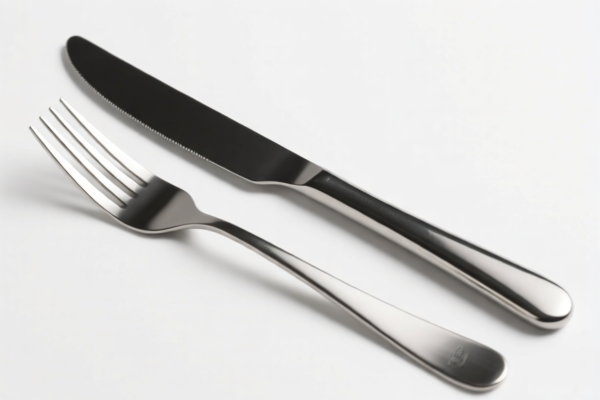
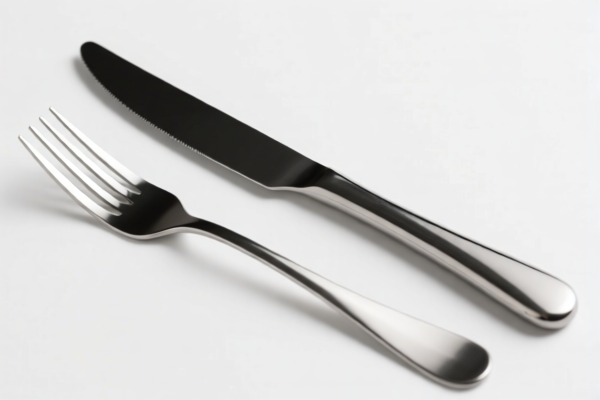
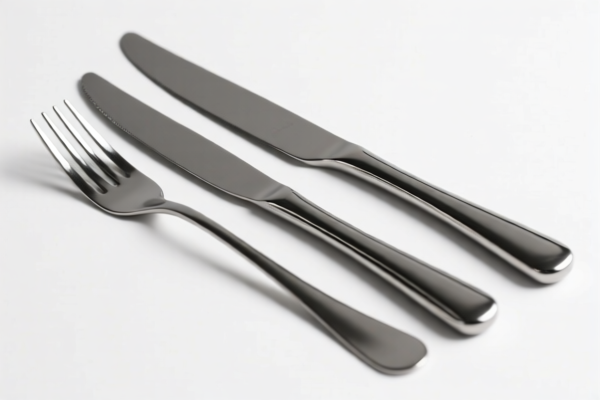
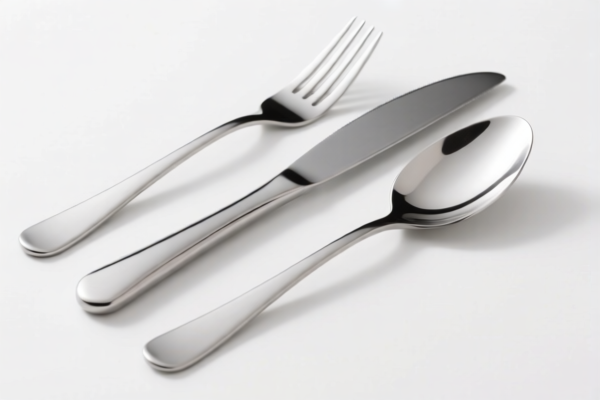
AI Analysis
🍴 Dinner Knife & Meat Knife (Kitchen/Tableware Cutlery)
🌐 HS Code Reference & Customs Clearance Guide | 2026 Latest Tariff Analysis | Professional Strategy for Base Metal Cutlery
📌 I. Product Definition & Classification: What Exactly Are We Importing?
"Dinner Knife" and "Meat Knife" fall under the broad category of Kitchen or Tableware Cutlery. However, in international trade, the critical distinction lies in the material and the intended use.
- Dinner Knives: General-purpose table knives used at the dining table.
- Meat Knives: Specialized kitchen knives used for carving meat.
⚠️ Key Distinction:
- If the item is made of Base Metal (non-precious metals like stainless steel, iron, aluminum, etc.), it falls under Chapter 82 (Articles of Iron or Steel; Base Metal Cutlery).
- If the item is made of Precious Metal (silver, gold), it falls under Chapter 71.
- If the item is made of Stainless Steel but is considered "cutlery" with specific handle materials, the HS code varies significantly.
📦 II. HS Code Classification Details (2026 Latest Tariff Authority Comparison)
Based on the provided data, there are two distinct HS Codes for base metal cutlery items. It is crucial to select the correct one based on the handle composition and specific type.
| HS Code | Product Description | Applicable Scenario | Handle Material/Type |
|---|---|---|---|
8215.99.50.00 |
Other Kitchen/Tableware Items (Sporns, forks, ladles, skimmers, cake-servers, fish-knives, butter-knives, sugar tongs, and similar items; base metal parts thereof: Other: Other: Other (including parts)) | General base metal cutlery that does not fit the specific "fork with stainless steel handle" category. Includes general dinner knives, butter knives, fish knives, etc., where the handle is not specifically defined as stainless steel with high nickel/manganese content in the "fork" subcategory. | Generic Base Metal |
8215.99.05.00 |
Forks: With stainless steel handles: With handles containing nickel or containing over 10 percent by weight of manganese: Other | Specifically for Forks. This code is for forks with stainless steel handles that contain nickel or >10% manganese. | Stainless Steel (High Ni/Mn) |
🔍 Critical Analysis: - Dinner Knife: Since
8215.99.05.00explicitly mentions Forks, a standard Dinner Knife (unless it is a special fork-shaped dinner knife, which is rare) would likely fall under the broader "Other" category. Therefore,8215.99.50.00is the most appropriate HS Code for a standard Dinner Knife made of base metal. - Meat Knife: Similar to the Dinner Knife, a Meat Knife is not a fork. It is a "similar kitchen or tableware" item. Therefore,8215.99.50.00applies here as well. - Why not8215.99.05.00? This code is strictly for Forks. Applying it to knives would be a classification error.
💰 III. 2026 Latest Tariff Rate Details (Including Additional Taxes)
✅ Applicable Country: United States (US)
✅ Origin: China (CN)
✅ Effective Time: Current (2025-2026)
🎯 1. 8215.99.50.00 —— Base Metal Cutlery (Dinner Knife, Meat Knife, etc.)
| Item | Content |
|---|---|
| Base Tariff | 5.3% (Ad Valorem) |
| Additional Tariff (Section 301) | 0.0% (Note: As per provided data, no additional tariff is listed for this specific subheading in the source, unlike electronics or some other goods. However, always verify current USITC lists as Section 301 tariffs are subject to change.) |
| Total Tax Rate | 5.3% |
| Tax Calculation | CIF Value × 5.3% |
| De Minimis Eligibility | ❌ Not Applicable (For imports >$800, full duty applies; for < $800, de minimis may apply, but duty rate remains 5.3%) |
| Legal Basis Path | HTSUS:8215.99.50.00 |
📌 Explanation:
- This code captures general base metal cutlery items not specifically exempted or categorized elsewhere.
- The tax rate is relatively low compared to high-tech goods.
- Crucial Note: If the cutlery is made of stainless steel and is considered a "knife" with a handle containing specific alloys, it still falls under "Other" if it doesn't match the fork-specific code.
🎯 2. 8215.99.05.00 —— Forks with Stainless Steel Handles (High Ni/Mn)
| Item | Content |
|---|---|
| Base Tariff | 0.0% |
| Additional Tariff (Section 301) | 0.0% |
| Total Tax Rate | 0.0% |
| Tax Calculation | No Duty |
| De Minimis Eligibility | ✅ Yes (if under $800 per shipment) |
| Legal Basis Path | HTSUS:8215.99.05.00 |
📌 Explanation:
- This code does NOT apply to Dinner Knives or Meat Knives unless they are misclassified as forks.
- If you are importing Forks with high-nickel or high-manganese stainless steel handles, this is the correct code.
- Warning: Misclassifying a Dinner Knife as this code to avoid the 5.3% tariff is a compliance risk.
🛠️ IV. Customs Clearance Practical Advice (Avoiding Pitfalls)
✅ 1. Documentation Checklist (Non-Negotiable)
| Document | Required? | Notes |
|---|---|---|
| ✅ Product Specification Sheet | ✔️ | Must detail: Material (e.g., 420 Stainless Steel), Handle Material, Weight, Dimensions |
| ✅ Commercial Invoice | ✔️ | Clearly state "Base Metal Dinner Knife" or "Meat Knife", not just "Cutlery" |
| ✅ Material Certificate | ✔️ | Proves the alloy composition (especially if claiming 0% tariff for forks, ensure it matches the fork description) |
| ✅ Product Photos | ✔️ | Show the item from multiple angles, including the handle and blade |
| ✅ Packing List | ✔️ | Accurate count and weight |
✅ 2. Classification Strategy (Key Mnemonic)
🔥 “Knives and Forks, Check the Material and Type!
Forks with Special Steel, 0% Rate, So Sweet!
Knives and Other Cutlery, 5.3%, Be Aware!”
| Scenario | Correct HS Code | Tariff | Why? |
|---|---|---|---|
| Dinner Knife (Base Metal) | 8215.99.50.00 |
5.3% | Not a fork; falls under "Other" |
| Meat Knife (Base Metal) | 8215.99.50.00 |
5.3% | Not a fork; falls under "Other" |
| Fork (Stainless Steel Handle, High Ni/Mn) | 8215.99.05.00 |
0.0% | Specific fork category |
| Silver Dinner Knife | 7114.11.00.00 |
Varies | Precious metal, not base metal |
✅ 3. Special Considerations
| Situation | Handling Advice |
|---|---|
| Mixed Shipments (Knives + Forks) | Split the HS Codes! Do not lump them under one code. Declare Forks under 8215.99.05.00 and Knives under 8215.99.50.00 to ensure accuracy and potential savings on forks. |
| Stainless Steel vs. Base Metal | If the item is made of precious metal (silver), it is NOT base metal. It will be classified under Chapter 71. Ensure the declaration specifies "Base Metal" (e.g., stainless steel, iron, aluminum) to qualify for Chapter 82. |
| Packaging | If knives are packaged with forks, ensure the invoice clearly separates the quantities and descriptions to avoid customs confusion. |
🌍 V. Global Market Comparison (2026 Latest)
| Country/Region | Recommended HS Code (Knives) | Tariff | Certification | Notes |
|---|---|---|---|---|
| 🇺🇸 USA | 8215.99.50.00 |
5.3% | None (Base Metal) | Low tariff, but strict on material declaration |
| 🇨🇳 China | 8215.99.50.00 |
8.0% | None | Import duty may differ; check current Chinese HS |
| 🇪🇺 EU | 8215.99.90 |
4.5% | CE (if applicable) | EU classification is broader |
| 🇬🇧 UK | 8215.99.90 |
4.5% | UKCA | Post-Brexit rules apply |
📌 Conclusion:
- The US has a relatively low tariff (5.3%) for base metal cutlery.
- Misclassification as forks (8215.99.05.00) for knives is a common error that can lead to penalties.
- Always provide material certifications to prove the item is "base metal" and not precious metal.
📌 VI. Common Errors & Pitfalls (Lessons Learned)
❌ Error 1: Declaring all cutlery as "Forks" to get 0% tariff.
👉 Consequence: Customs inspection reveals knives → Penalty + Back Taxes + Possible Seizure.
❌ Error 2: Not specifying the handle material.
👉 Consequence: Customs may classify as "other base metal" with a higher default rate if not properly documented.
❌ Error 3: Using "Silverware" as the description for stainless steel items.
👉 Consequence: May be misclassified as precious metal → Higher tariff and different regulatory requirements.
✅ Correct Description Example:
"Stainless Steel Base Metal Dinner Knife, Handle: Stainless Steel, Blade: Stainless Steel, Model: DK-100, HS Code: 8215.99.50.00"
🎯 VII. Conclusion: Precise Classification Saves Money!
🎯 Remember:
🔹 Knives & Non-Fork Cutlery → 8215.99.50.00 → 5.3% Duty
🔹 Special Forks → 8215.99.05.00 → 0.0% Duty
🔹 Never Mix Categories → Always split declarations for accuracy.
📌 Pro Tip:
If you are importing large volumes, consider pre-classification rulings from CBP (U.S. Customs and Border Protection) to confirm the HS Code for your specific product design. This provides legal certainty and protects against future audit issues.
📣 Action Required:
📞 Consult with a licensed customs broker to verify the exact material composition of your cutlery.
🚀 Ensure your commercial invoice clearly states "Base Metal" and "Not Precious Metal" to avoid delays.
✨ Accurate Classification, Smooth Customs, Maximum Profit!
💼 Your cutlery import deserves the right HS Code!
Customer Reviews
About HS Code Classification
The Harmonized System (HS) is an internationally standardized nomenclature developed by the World Customs Organization (WCO) to classify traded products. Over 200 countries use the HS system as the basis for customs tariffs, trade statistics, and import/export regulations.
Each HS code follows a hierarchical structure:
- Chapter (2 digits) — Broad category of goods (e.g., Chapter 84: Machinery and Mechanical Appliances)
- Heading (4 digits) — More specific grouping within the chapter
- Subheading (6 digits) — Internationally standardized breakdown, used by all WCO member countries
- National subdivisions (8-10 digits) — Country-specific extensions for further classification, such as US HTSUS 10-digit codes
Correct HS code classification is essential for smooth customs clearance, accurate duty payment, and compliance with trade regulations. Misclassification can lead to customs delays, overpayment of duties, or penalties.
When importing from CN to US, the applicable tariff rates may include:
- Most-Favored-Nation (MFN) rate — The standard duty rate applied to WTO members
- General rate — Applied to countries without trade agreements
- Trade remedy duties — Additional tariffs such as Section 301 (anti-dumping), Section 232 (national security), or countervailing duties
The information provided on this page is for reference purposes only. For official classification, please consult with your local customs authority or a licensed customs broker.