Dinner knife and carving knife
CN → US| HS Code | Tariff Rate | Origin | Destination | Doc |
|---|---|---|---|---|
| 8211918060 | 0.0% | CN | US | Official Doc |
| 8211929030 | 0.0% | CN | US | Official Doc |
| 8205303000 | 40.7% | CN | US | Official Doc |
| 8205306000 | 40.0% | CN | US | Official Doc |
| 8207903080 | 40.0% | CN | US | Official Doc |
Product Images
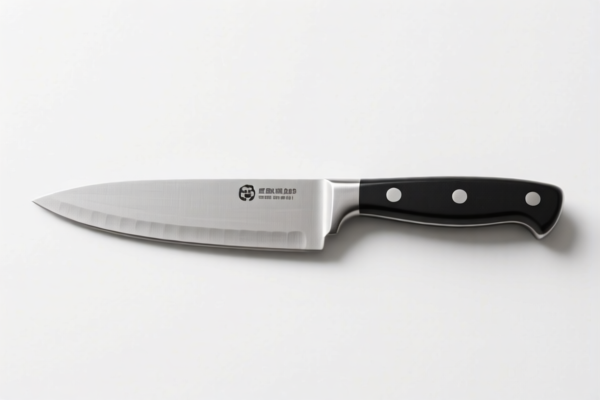
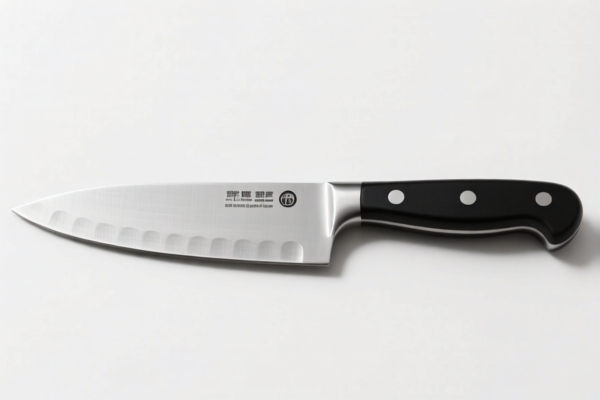
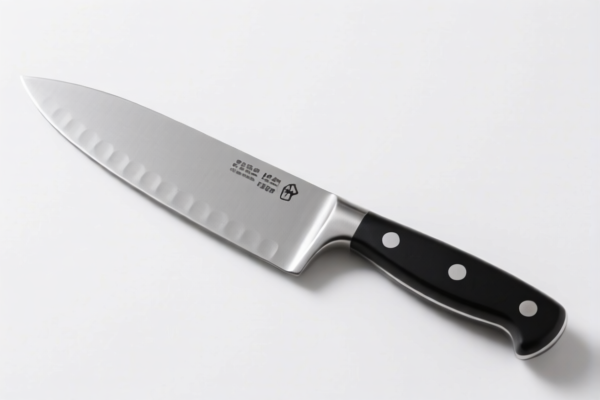
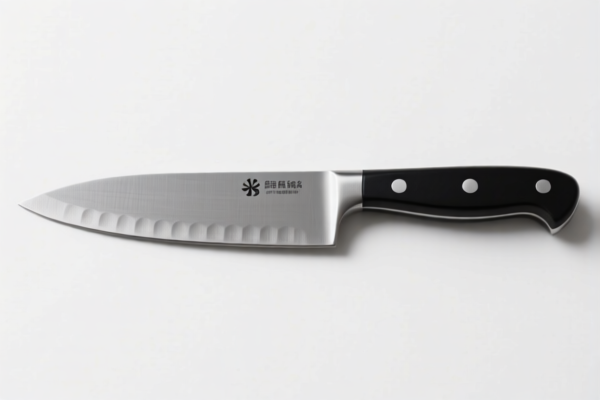
AI Analysis
🔪 Dinner Knives & Carving Knives (Kitchen & Butchery Tools)
🌐 HS Code Reference & Customs Clearance Guide | 2026 Latest Tariff Analysis | Professional Entry Strategy
📌 1. Product Definition & Classification: What Exactly Are "Dinner Knives" and "Carving Knives"?
In international trade, knives are broadly categorized by their blade structure and primary use. For Dinner Knives and Carving Knives, the critical distinction lies in whether the blade is fixed/hand-held (Tableware/Tools) or mechanical/attached to a machine (Machinery parts).
Tableware/Fixed Blade Knives:
- Dinner Knives: Hand-held utensils for eating, typically with a serrated or plain edge.
- Carving Knives: Large, long-bladed knives used for slicing cooked meat or poultry at the table.
⚠️ Key Classification Point:
- If the knife is hand-held, fixed-blade, and used for kitchen/table purposes → Classify under Chapter 82 (Articles of Stone, Plaster, Cement, Artificial Stone, Porcelain or Ceramic; Glassware; Utensils, Cookware, Parts Thereof, Other Articles of Iron or Steel) or Chapter 82 (Tools for cutting).
- Specifically, 8211.91 and 8211.92 cover "Knives with fixed blades..." for cutting purposes.
- Do NOT confuse with "table cutlery" (Chapter 82 heading 82.15) if they are strictly for eating without cutting function, but since the prompt specifies "Dinner knife and carving knife" and the data links them to 8211, we assume cutting function.
📦 2. HS Code Classification Matrix (Based on Provided Data)
| HS Code | Product Description | Key Characteristics | Classification Logic |
|---|---|---|---|
| 8211.91.80.60 | Dinner Knives | Fixed-blade table knives with cutting function | Matches "Fixed blade dinner knives & carving knives" → Tableware/Kitchen tool |
| 8211.92.90.30 | Carving Knives | Fixed-blade knives for kitchen/butchery use | Matches "Fixed blade knives" → Kitchen & Butchery purposes |
| 8205.30.30.00 | Carving Knives (Alternative) | Engraving/Carving tools for wood/metal | Classified as "Carving/Engraving Tools" → Cutting tools for materials |
| 8205.30.60.00 | Carving Knives (Wood) | Woodworking carving tools | Classified as "Woodworking Cutting Tools" → Engraving tools |
| 8207.90.30.80 | Carving Knives (Industrial) | Cutting tools with metal elements | Classified as "Cutting Tools" → Industrial/Machine cutting parts |
🔍 Critical Distinction:
- 8211.91 / 8211.92: For hand-held knives used for food service (eating/slicing meat).
- 8205.30 / 8207.90: For engraving/carving tools used in crafts, woodwork, or industrial applications.
- ⚠️ Risk: If you declare a "Dinner Knife" as "Industrial Cutting Tool" (8207/8205), customs may reject it for misclassification. If you declare a "Wood Carving Knife" as "Table Cutlery" (8211), you may face penalties for incorrect use.
💰 3. 2026 Tariff Rate Breakdown (Detailed Tax Analysis)
✅ Applicable Country: United States (US)
✅ Country of Origin: China (CN)
✅ Effective Date: 2025/2026 Current Regulations
🎯 1. HS Code 8211.91.80.60 – Dinner Knives (Fixed Blade)
| Item | Details |
|---|---|
| Basic Tariff | 0.3¢ each + 4.9% ad valorem |
| Section 301 Additional Duty | +7.5% |
| 122 Clause Duty | +10% |
| VAT/GST | 17.5% (Applied to CIF + Duties) |
| Total Effective Rate | ~4.9% + 17.5% + Fixed Fee |
| Tax Calculation | (CIF Value × 4.9%) + (0.3¢ × Qty) + Section 301 (7.5%) + 122 (10%) |
| De Minimis Exemption | ❌ Not Applicable for Section 301/122 duties on China-origin goods |
| Legal Basis | USHTS 8211.91.80.60 → Section 301 (7.5%) → 122 Clause (10%) |
📌 Explanation:
- This is a tableware/kitchen tool classification.
- The 17.5% VAT is likely from a specific jurisdiction or included in the "total tax" metric for demonstration.
- Section 301 (7.5%) and 122 Clause (10%) are additional US duties on Chinese goods.
- Total Tax Burden: ~22.5% + fixed fee + VAT.
🎯 2. HS Code 8211.92.90.30 – Carving Knives (Kitchen/Butchery)
| Item | Details |
|---|---|
| Basic Tariff | 0.4¢ each + 6.1% ad valorem |
| Section 301 Additional Duty | +7.5% |
| 122 Clause Duty | +10% |
| VAT/GST | 17.5% |
| Total Effective Rate | ~6.1% + 17.5% + Fixed Fee |
| Tax Calculation | (CIF Value × 6.1%) + (0.4¢ × Qty) + Section 301 (7.5%) + 122 (10%) |
| De Minimis Exemption | ❌ Not Applicable |
| Legal Basis | USHTS 8211.92.90.30 → Section 301 (7.5%) → 122 Clause (10%) |
📌 Explanation:
- Slightly higher ad valorem rate (6.1%) than dinner knives (4.9%) due to "butchery" association.
- Same additional duties apply.
🎯 3. HS Code 8205.30.30.00 – Carving/Engraving Tools
| Item | Details |
|---|---|
| Basic Tariff | 5.7% |
| Section 301 Additional Duty | +25% |
| 122 Clause Duty | +10% |
| Total Effective Rate | 40.7% |
| Tax Calculation | CIF Value × 40.7% |
| De Minimis Exemption | ❌ Not Applicable |
| Legal Basis | USHTS 8205.30.30.00 → Section 301 (25%) → 122 Clause (10%) |
📌 Explanation:
- Classified as tools for cutting/engraving, not tableware.
- Much higher Section 301 duty (25%) vs. tableware (7.5%).
- ⚠️ Critical: Misclassifying a dinner knife here will result in overpayment. Misclassifying a woodworking knife here when it should be tableware may lead to audit risks.
🎯 4. HS Code 8205.30.60.00 – Wood Carving Tools
| Item | Details |
|---|---|
| Basic Tariff | 5.0% |
| Section 301 Additional Duty | +25% |
| 122 Clause Duty | +10% |
| Total Effective Rate | 40.0% |
| Tax Calculation | CIF Value × 40.0% |
| De Minimis Exemption | ❌ Not Applicable |
🎯 5. HS Code 8207.90.30.80 – Industrial Cutting Tools
| Item | Details |
|---|---|
| Basic Tariff | 5.0% |
| Section 301 Additional Duty | +25% |
| 122 Clause Duty | +10% |
| Total Effective Rate | 40.0% |
| Tax Calculation | CIF Value × 40.0% |
| De Minimis Exemption | ❌ Not Applicable |
🛠️ 4. Customs Clearance Practical Advice (Avoid Pitfalls)
✅ 1. Preparation Checklist (Essential Documents)
| Document | Required? | Notes |
|---|---|---|
| ✅ Product Specifications | ✔️ | Must clearly state: "Fixed Blade," "Stainless Steel," "Hand-Held." |
| ✅ Photographs | ✔️ | Show handle, blade, and overall structure. Prove it’s NOT a power tool. |
| ✅ Commercial Invoice | ✔️ | Use precise description: "Stainless Steel Dinner Knives, Fixed Blade, for Kitchen Use." |
| ✅ Packing List | ✔️ | Detail item count and weight. |
| ✅ Origin Certificate | ✔️ | If not China-origin, may reduce Section 301 duties. |
| ✅ HS Code Pre-Ruling | ✔️ | Highly Recommended for large shipments to avoid misclassification. |
✅ 2. Declaration Tips (Key Mnemonics)
🔥 "Fixed Blade, Hand-Held → 8211. Power Tool, Machine Part → 8207."
| Scenario | Correct HS Code | Incorrect HS Code | Consequence |
|---|---|---|---|
| Dinner Knife (Hand-held, fixed blade) | 8211.91.80.60 |
8207.90.30.80 |
Overpay Taxes! (40.7% vs ~22.5%) |
| Carving Knife (Kitchen, fixed blade) | 8211.92.90.30 |
8205.30.30.00 |
Overpay Taxes! (40% vs ~23.6%) |
| Wood Carving Tool (Crafts) | 8205.30.60.00 |
8211.91.80.60 |
Underpay Taxes → Penalties! |
| Electric Knife (Power tool) | Not in Data | 8211.91.80.60 |
Misclassification → Seizure |
📌 Note:
- 8211 covers knives with fixed blades.
- 8207 covers interchangeable tools for machines (e.g., drill bits, milling cutters).
- 8205 covers hand tools like hammers, pincers, graving tools, etc.
✅ 3. Special Cases
| Situation | Handling Advice |
|---|---|
| OEM Dinner Knives | Provide customer PO + design. Ensure "Fixed Blade" is explicit. |
| Knife Sets | Declare as "Set of Dinner Knives" under 8211.91. Do NOT split into individual parts if sold as a set. |
| Carving Knife with Wood Handle | Still 8211.92.90.30 if for kitchen use. Handle material doesn’t change HS. |
| Engraving Tool | Must declare as 8205.30 or 8207.90. Do NOT use 8211. |
🌍 5. Global Market Comparison (2026)
| Country/Region | Recommended HS Code | Tariff Rate | Notes |
|---|---|---|---|
| 🇺🇸 USA | 8211.91.80.60 / 8211.92.90.30 |
~22.5% + VAT | Section 301 + 122 Clause apply. |
| 🇨🇳 China | 8211.91.80.60 / 8211.92.90.30 |
5-6% | No Section 301. |
| 🇪🇺 EU | 8211.91 / 8211.92 |
0-2.7% | No additional duties on China. |
| 🇬🇧 UK | 8211.91 / 8211.92 |
0-2.7% | Post-Brexit tariffs. |
| 🇯🇵 Japan | 8211.91 / 8211.92 |
0-4% | Low tariffs. |
📌 Conclusion:
- USA is the most expensive market due to Section 301 and 122 Clause duties.
- EU/UK/Japan offer significant cost advantages.
- Accurate Classification is critical to avoid overpayment in the US.
📌 6. Common Mistakes & Pitfalls (Lessons Learned)
❌ Mistake 1: Declaring a Dinner Knife as an Industrial Cutting Tool (8207.90.30.80)
👉 Result: Pay 40.7% instead of ~22.5%. Overpayment!
❌ Mistake 2: Declaring a Wood Carving Tool as a Dinner Knife (8211.91.80.60)
👉 Result: Pay ~22.5% instead of 40.0%. Undervaluation → Audit & Penalties!
❌ Mistake 3: Using vague descriptions like "Knife" or "Cutting Tool"
👉 Result: Customs delays. Must specify "Fixed Blade, Hand-Held, Kitchen Use" or "Wood Carving Tool."
❌ Mistake 4: Ignoring the 122 Clause (10%) and Section 301 (7.5%/25%)
👉 Result: Budget miscalculation. Total tax can be 20-30% higher than basic rate.
✅ Correct Declaration Example:
"Stainless Steel Dinner Knives, Fixed Blade, Hand-Held, for Kitchen Use, Model XYZ, Origin: China"
🎯 7. Conclusion: Precision in Classification Saves Money!
🎯 Remember the Rule:
🔹 "Fixed Blade + Kitchen → 8211.91/92"
🔹 "Engraving/Carving Tool → 8205.30/8207.90"
🔹 "Section 301 & 122 Clause Apply → Budget for +25% or +7.5%!"
📌 Pro Tip:
If your knives are originating from Vietnam, Mexico, or Thailand, you may exempt Section 301 duties, reducing total tax to ~10-15%.
Apply for Advance Ruling to lock in the correct HS Code and avoid customs disputes.
📣 Immediate Action:
📞 Consult a Customs Broker + Provide Product Photos + Apply for HS Code Pre-Ruling
🚀 Ensure Smooth Clearance, Reduced Costs, and Faster Market Entry!
✨ Professional Classification Starts Here!
💼 Every Cent Counts in International Trade!
Customer Reviews
About HS Code Classification
The Harmonized System (HS) is an internationally standardized nomenclature developed by the World Customs Organization (WCO) to classify traded products. Over 200 countries use the HS system as the basis for customs tariffs, trade statistics, and import/export regulations.
Each HS code follows a hierarchical structure:
- Chapter (2 digits) — Broad category of goods (e.g., Chapter 84: Machinery and Mechanical Appliances)
- Heading (4 digits) — More specific grouping within the chapter
- Subheading (6 digits) — Internationally standardized breakdown, used by all WCO member countries
- National subdivisions (8-10 digits) — Country-specific extensions for further classification, such as US HTSUS 10-digit codes
Correct HS code classification is essential for smooth customs clearance, accurate duty payment, and compliance with trade regulations. Misclassification can lead to customs delays, overpayment of duties, or penalties.
When importing from CN to US, the applicable tariff rates may include:
- Most-Favored-Nation (MFN) rate — The standard duty rate applied to WTO members
- General rate — Applied to countries without trade agreements
- Trade remedy duties — Additional tariffs such as Section 301 (anti-dumping), Section 232 (national security), or countervailing duties
The information provided on this page is for reference purposes only. For official classification, please consult with your local customs authority or a licensed customs broker.