Diodes, Transistors and Similar Semiconductor Devices
CN → US| HS Code | Tariff Rate | Origin | Destination | Doc |
|---|---|---|---|---|
| 8543906800 | 35.0% | CN | US | Official Doc |
| 8543908885 | 85.0% | CN | US | Official Doc |
| 8542390090 | 60.0% | CN | US | Official Doc |
| 8542900000 | 60.0% | CN | US | Official Doc |
| 8541100080 | 60.0% | CN | US | Official Doc |
| 8541210095 | 60.0% | CN | US | Official Doc |
Product Images
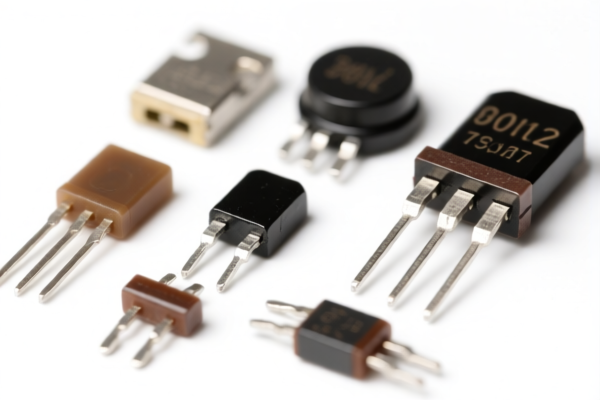
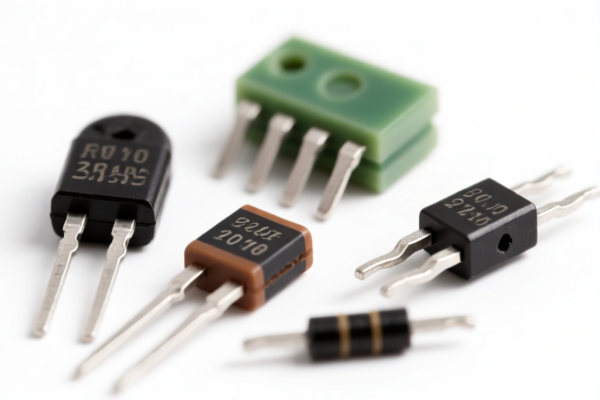
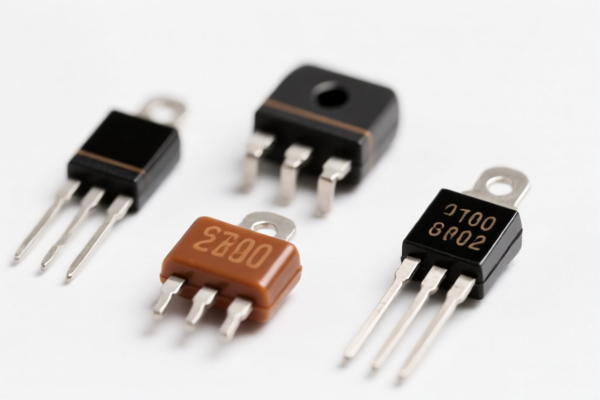
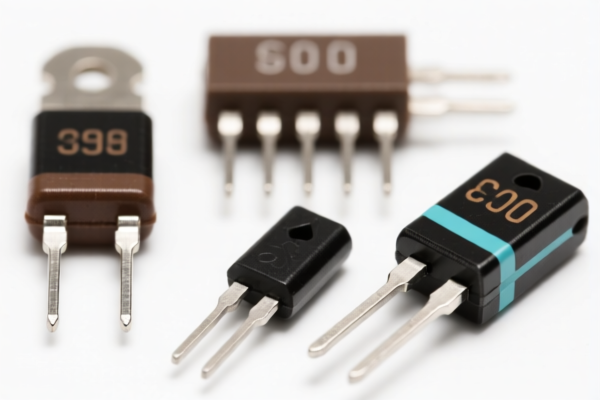
AI Analysis
🌐 HS Code Reference & Customs Clearance Guide | 2026 Latest Tariff Analysis | Professional Clearance Strategy for Semiconductors
📌 I. Product Definition & Classification: Do You Really Understand "Diodes, Transistors, and Similar Semiconductor Devices"?
In international trade, semiconductor devices are not just "chips." They are the fundamental building blocks of modern electronics. Incorrect classification leads to severe penalties, especially given the current high tariff environment for Chinese-origin electronics.
1. Discrete Semiconductor Devices (8541 Series) * Diodes: Unidirectional current flow devices. * Transistors: Amplification or switching devices. * Photosensitive/LEDs: Light-emitting or light-sensing devices. * Piezo-electric Crystals: Frequency control devices.
2. Integrated Circuits (8542 Series) * Electronic Integrated Circuits (ICs): Miniaturized circuits containing both active (transistors) and passive components. * Parts of ICs: Specific components used within IC manufacturing or assembly.
⚠️ Critical Distinction: - Discrete Components (8541): Individual, standalone devices (e.g., a single transistor on a lead). - Integrated Circuits (8542): Complex, multi-component chips (e.g., CPU, GPU, memory). - Assemblies (8543): If components are mounted on a Printed Circuit Assembly (PCA), they may move out of 8541/8542 into 8543.
📦 II. HS Code Classification Details (2026 Latest Tariff Authority Comparison)
Based on the provided data, here are the specific HS Codes, descriptions, and applicable tariffs for Chinese-origin goods imported into the USA.
| HS Code | Product Description | Applicable Scenario | Key Classification Criteria |
|---|---|---|---|
8542.39.00.90 |
Electronic integrated circuits; parts thereof: Electronic integrated circuits: Other: Other | Complex ICs not specified elsewhere (e.g., generic microprocessors, memory chips) | Must be a fully functional IC, not a discrete component. |
8542.90.00.00 |
Electronic integrated circuits; parts thereof: Parts | Specific parts used in the manufacture of ICs (e.g., bare silicon wafers, specific substrates) | Parts of ICs, not the IC itself. |
8543.90.68.00 |
Electrical machines... parts thereof: Other: Printed circuit assemblies: Other | PCAs (Printed Circuit Assemblies) containing semiconductor devices | Crucial: If the diodes/transistors are mounted on a PCB, this code often applies instead of 8541/8542. |
8543.90.88.85 |
Electrical machines... parts thereof: Other: Other: Other: Other Other | Other electrical machines/parts, including Steel, Aluminum, Copper Products | Applies to specific metal-based electrical components or mixed assemblies. |
8541.10.00.80 |
Semiconductor devices... Diodes, other than photosensitive or LEDs: Other: Other: Other | Standard Diodes (Rectifiers, Zeners, etc.) not used for light/photovoltaics | Standalone diode components. |
8541.21.00.95 |
Semiconductor devices... Transistors...: With dissipation rate < 1W: Other: Other | Small Signal Transistors (Power dissipation < 1 Watt) | Standalone transistor components with low power rating. |
🔍 Key Reminder: - Mounting Status Matters: A bare diode/transistor is
8541. If it is soldered onto a PCB, it may be classified as a Printed Circuit Assembly (PCA) under8543.90.68.00. - Power Rating: Transistors with dissipation < 1W fall under8541.21. Those > 1W fall under different sub-headings (not in this data, but important for broader classification).
💰 III. 2026 Latest Tariff Rate Breakdown (Detailed)
✅ Applicable Country: United States (US)
✅ Country of Origin: China (CN)
✅ Effective Date: 2025/2026 (As per data provided)
🎯 1. 8542.39.00.90 & 8542.90.00.00 (Integrated Circuits)
| Item | Content |
|---|---|
| Base Tariff | 0.0% (Ad Valorem) |
| Additional Tariff (Section 301 / USITC) | +50.0% |
| Total Tax Rate | 50.0% |
| Tax Calculation | CIF Value × 50.0% |
| De Minimis Exemption? | ❌ NO (High-value electronics do not qualify for Section 321 de minimis) |
| Legal Basis | High tariff rate for strategic semiconductor components. |
📌 Explanation: - ICs are subject to a 50% total tariff. This is extremely high and significantly impacts profit margins. - No base tariff, but the additional duty is substantial.
🎯 2. 8541.10.00.80 & 8541.21.00.95 (Discrete Diodes & Transistors)
| Item | Content |
|---|---|
| Base Tariff | 0.0% (Ad Valorem) |
| Additional Tariff (Section 301 / USITC) | +50.0% |
| Total Tax Rate | 50.0% |
| Tax Calculation | CIF Value × 50.0% |
| De Minimis Exemption? | ❌ NO |
| Legal Basis | Discrete semiconductor components are equally subject to high additional duties. |
📌 Explanation: - Bare diodes and transistors also face a 50% total tariff. - Common misconception: "Discrete components are cheaper." False. In the current trade environment, they are taxed equally with complex ICs.
🎯 3. 8543.90.68.00 (Printed Circuit Assemblies - PCAs)
| Item | Content |
|---|---|
| Base Tariff | 0.0% |
| Additional Tariff | +25.0% |
| Total Tax Rate | 25.0% |
| Tax Calculation | CIF Value × 25.0% |
| De Minimis Exemption? | ❌ NO (Usually, PCAs are considered substantial transformations, but check specific value thresholds) |
📌 Explanation: - Strategic Opportunity: If you can structure your product as a Printed Circuit Assembly (PCA) rather than just shipping bare chips, the tariff drops from 50% to 25%. - Condition: The PCB must contain other components or be considered an "article having individual functions" under Chapter 8543.
🎯 4. 8543.90.88.85 (Other Electrical Parts / Metal Products)
| Item | Content |
|---|---|
| Base Tariff | 0.0% |
| Additional Tariff (General) | +25.0% |
| Additional Tariff (Steel, Aluminum, Copper) | +50.0% |
| Total Tax Rate | 25.0% (General) or 75.0% (Metal Components) |
| Tax Calculation | CIF Value × 25.0% or 75.0% |
| De Minimis Exemption? | ❌ NO |
📌 Explanation: - This code is a "catch-all" for other electrical parts. - Warning: If your part contains significant Steel, Aluminum, or Copper, the tariff jumps to 75% (25% base + 50% metal surcharge). Avoid this code unless necessary.
🛠️ IV. Customs Clearance Practical Advice (Avoiding Pitfalls)
✅ 1. Preparation Checklist (Essential Documents)
| Document | Required? | Purpose |
|---|---|---|
| ✅ Product Specification Sheet | ✔️ | Must detail: Electrical parameters (Voltage, Current, Dissipation Rate), Material composition. |
| ✅ Circuit Diagram / Schematic | ✔️ | Critical. Proves whether the item is a Discrete Component (8541) or a PCA (8543). |
| ✅ High-Resolution Photos | ✔️ | Show leads, packaging, and any markings. Helps customs distinguish between a "chip" and a "module." |
| ✅ Third-Party Test Report | ✔️ | FCC, RoHS, UL certifications. |
| ✅ Commercial Invoice | ✔️ | Must clearly state: "Discrete Semiconductor Device" OR "Printed Circuit Assembly." Do not use vague terms like "Electronics." |
| ✅ Packing List | ✔️ | Detail items. If mixing bare chips and PCBs, declare separately to avoid confusion. |
✅ 2. Declaration Strategy (Key Tips)
🔥 Golden Rule: "Bare Chips = 50%; PCB Assemblies = 25% (if eligible); Metal Parts = 75%!"
| Scenario | Correct Declaration | Incorrect Declaration | Consequence |
|---|---|---|---|
| Bare Transistor | 8541.21.00.95 - "Discrete Transistor, <1W" |
"Computer Chip" | Misclassification risk; potential 50% duty. |
| Diode on PCB | 8543.90.68.00 - "Printed Circuit Assembly" |
"Diode" | Under-declaration of duty if PCA is deemed primary function. |
| PCB with Discrete Components | 8543.90.68.00 - "PCA" |
"Parts of IC" | Avoids the 50% IC tariff if it qualifies as PCA. |
| Metal Encased Component | 8543.90.88.85 |
"Electronic Part" | If misidentified as non-metal, may face 75% retroactively. |
✅ 3. Special Situation Handling
| Situation | Recommendation |
|---|---|
| OEM Custom Components | Provide customer design specs. If it’s a standard discrete device, use 8541. If it’s a custom PCB, use 8543. |
| Mixed Shipments | Split Declaration. Do not mix bare diodes (8541) with PCAs (8543) on the same line item. Declare separately to apply correct tariffs. |
| "De Minimis" Strategy | Do NOT rely on Section 321 for Semiconductors. The value and nature of these goods usually exceed the threshold, and customs aggressively targets this for evasion. |
| Country of Origin | Ensure the "Country of Origin" label is accurate. If assembled in Vietnam/Malaysia from Chinese parts, rules of origin must be met to avoid US tariffs. |
🌍 V. Global Market Comparison (2026 Latest)
| Market | Recommended HS Code | Tariff (China Origin) | Certification Requirements | Notes |
|---|---|---|---|---|
| 🇺🇸 USA | 8541 / 8542 / 8543 |
25% - 75% | FCC, RoHS | Highest Risk. 50% is standard for ICs/Discretes. PCA route saves 25%. |
| 🇨🇳 China | Same HS Codes | 0% - 5% | CCC (if applicable) | Low tariff, but focus on domestic market demand. |
| 🇪🇺 EU | Same HS Codes | 0% - 4% | CE, RoHS, REACH | No Section 301-style tariffs. Much more favorable. |
| 🇬🇧 UK | Same HS Codes | 0% - 4% | UKCA, RoHS | Post-Brexit, generally similar to EU. |
| 🇯🇵 Japan | Same HS Codes | 0% - 4% | PSE, JEITA | Favorable for high-tech components. |
📌 Conclusion: - The US market is the most expensive for Chinese semiconductor products due to the 50% additional duty. - PCA Strategy: If feasible, designing your product as a Printed Circuit Assembly (8543.90.68.00) can halve the tariff burden from 50% to 25%. - Avoid Metal Codes: Do not use
8543.90.88.85unless necessary, as metal-containing parts face 75%.
📌 VI. Common Errors & Pitfalls (Lessons Learned)
❌ Error 1: Declaring a PCB with chips as "Integrated Circuits" (8542)
👉 Result: You pay 50%.
👉 Correction: If it’s a PCA, declare as 8543.90.68.00 to pay 25%.
❌ Error 2: Declaring Discrete Transistors as "Parts of Computers"
👉 Result: Misclassification; potential audit and penalties.
👉 Correction: Use specific 8541 codes (e.g., 8541.21.00.95).
❌ Error 3: Ignoring Material Composition in 8543.90.88.85
👉 Result: If the part is 40% Copper, you may be hit with the +50% metal surcharge on top of the 25%, totaling 75%.
👉 Correction: Provide detailed Bill of Materials (BOM) to prove material ratios.
❌ Error 4: Using "De Minimis" for Small Batches of Semiconductors
👉 Result: Customs holds shipment for "suspicious value" or "high-risk goods" and demands formal entry.
👉 Correction: Plan for formal customs brokerage for all semiconductor shipments to the US.
✅ Correct Practice:
"Printed Circuit Assembly, Model XYZ, with Soldered Discrete Components, FCC Certified, China Origin"
🎯 VII. Conclusion: Professional Declaration Saves Money!
🎯 Remember This Rule:
🔹 "Bare Discretes = 50% | ICs = 50% | PCAs = 25% | Metal Parts = 75%"
🔹 "Structure as PCA to Cut Tariffs in Half!"
🔹 "Accurate Description is Your Best Defense Against Audits!"
📌 Tips:
- If your semiconductors are assembled in third countries (e.g., Vietnam, Malaysia) with sufficient substantial transformation, you may avoid US tariffs. Consult a trade compliance expert.
- Pre-Ruling: Apply for an Advance Ruling (CBP Form 5558) for high-value or complex PCA shipments to confirm the correct HS Code and tariff rate before shipment.
📣 Immediate Action:
📞 Contact a Licensed Customs Broker + Provide Schematics + Request Advance Ruling
🚀 Optimize your HS Code strategy to save up to 50% in tariffs!
✨ Professional Clearance Starts with Accurate Classification!
💼 Every Percent Saved is Pure Profit!
Customer Reviews
About HS Code Classification
The Harmonized System (HS) is an internationally standardized nomenclature developed by the World Customs Organization (WCO) to classify traded products. Over 200 countries use the HS system as the basis for customs tariffs, trade statistics, and import/export regulations.
Each HS code follows a hierarchical structure:
- Chapter (2 digits) — Broad category of goods (e.g., Chapter 84: Machinery and Mechanical Appliances)
- Heading (4 digits) — More specific grouping within the chapter
- Subheading (6 digits) — Internationally standardized breakdown, used by all WCO member countries
- National subdivisions (8-10 digits) — Country-specific extensions for further classification, such as US HTSUS 10-digit codes
Correct HS code classification is essential for smooth customs clearance, accurate duty payment, and compliance with trade regulations. Misclassification can lead to customs delays, overpayment of duties, or penalties.
When importing from CN to US, the applicable tariff rates may include:
- Most-Favored-Nation (MFN) rate — The standard duty rate applied to WTO members
- General rate — Applied to countries without trade agreements
- Trade remedy duties — Additional tariffs such as Section 301 (anti-dumping), Section 232 (national security), or countervailing duties
The information provided on this page is for reference purposes only. For official classification, please consult with your local customs authority or a licensed customs broker.