Dipping Powder + Liquid
CN → US| HS Code | Tariff Rate | Origin | Destination | Doc |
|---|---|---|---|---|
| 3208200000 | 38.6% | CN | US | Official Doc |
| 3208100000 | 38.7% | CN | US | Official Doc |
| 3304910050 | 35.0% | CN | US | Official Doc |
| 3906905000 | 39.2% | CN | US | Official Doc |
| 3906902000 | 41.3% | CN | US | Official Doc |
Product Images
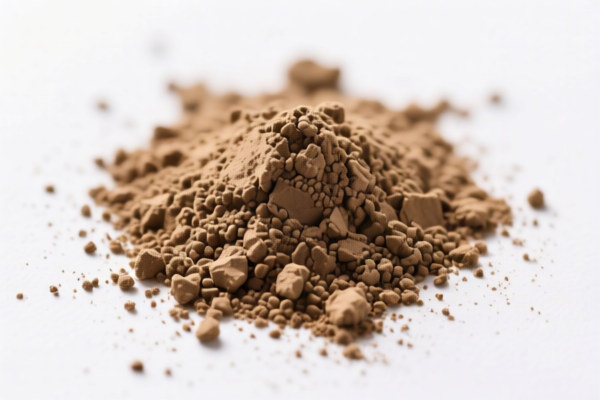
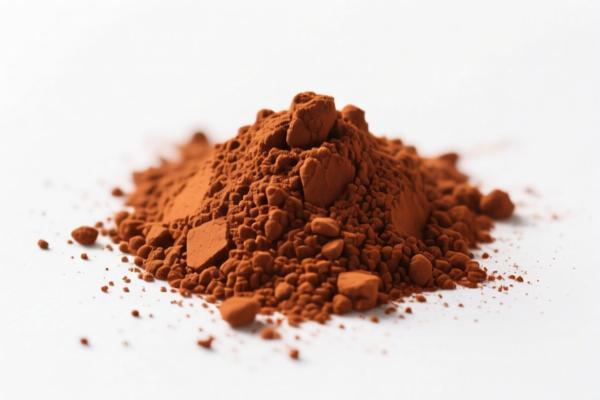
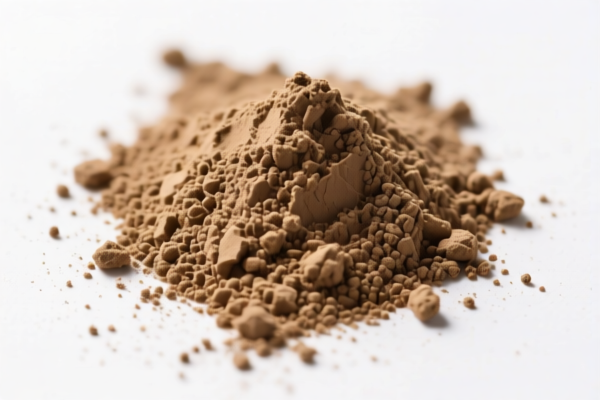
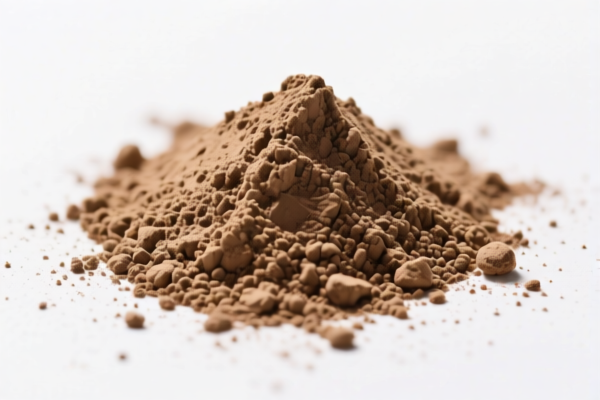
AI Analysis
💅 Dipping Powder + Liquid (SNS / Dip System)
🌐 HS Code Reference & Customs Clearance Guide | 2024/2025 Latest Tariff Analysis | Professional Compliance Strategy
📌 I. Product Definition: What Exactly Is "Dipping Powder + Liquid"?
"Dipping Powder + Liquid" refers to the Dip Powder Manicure System, a popular alternative to acrylic nails and gel polish. It typically consists of two main components sold together or separately:
- Dipping Powder: Fine polymer pigments (usually acrylic-based) that provide color and structure.
- Dipping Liquid: A mixture of monomers, primers, and sealers (often cyanoacrylate-based or acrylic monomers) that activates the powder.
⚠️ Critical Customs Distinction:
The classification depends heavily on the physical state and chemical composition of each item, as well as how they are presented (bundled vs. separate).
- Powders generally fall under Chapter 32 (Paints/Varnishes) or Chapter 33 (Perfumery/Cosmetics) depending on function.
- Liquids may be classified as paints/varnishes (if acrylic-based) or cosmetic preparations (if primarily for nail care without medicinal properties).
📦 II. HS Code Classification Matrix (Based on Provided Data)
The following HS Codes are derived strictly from the provided <DATA> set. Note that real-world customs may require more specific sub-headings, but we must adhere to the available options.
| HS Code | Product Description | Key Classification Logic | Tax Rate (Total) |
|---|---|---|---|
3208.10.00.00 |
Paints/varnishes based on polyesters | Liquid Component: If the "Liquid" is a polyester-based resin/dispersant. Often used in industrial or high-durability dip systems. | 0.0% |
3208.20.00.00 |
Paints/varnishes based on acrylic or vinyl polymers | Liquid Component: Most common dip liquids are acrylic monomers/resins. If declared as a "paint/varnish based on acrylic polymers," this code applies. | 0.0% |
3906.90.20.00 |
Acrylic polymers in primary forms: Plastics | Powder Component: If the powder is declared as "Acrylic Polymers in Primary Forms" (raw material), not yet a cosmetic. High risk of misclassification if sold as finished cosmetic. | 0.0% |
3906.90.50.00 |
Acrylic polymers in primary forms: Other | Powder Component: Other acrylic polymers not fitting "Plastics." | 29.2% (Base 4.2% + Add. 25%) |
3304.91.00.50 |
Beauty preparations: Powders (compressed or otherwise) | Powder Component: If the powder is finished cosmetic nail powder (pigment + binder) and fits "Manicure preparations." | 0.0% |
3304.99.50.00 |
Beauty preparations: Other (Liquids/Creams) | Liquid Component: If the liquid/sealer is considered a "preparation for the care of the skin/nails" (manicure preparation) and doesn't fit other specific cosmetic codes. | 25.0% (Add. 25% only, Base 0%) |
🔍 Key Insight:
- Powders have two potential paths:3304.91.00.50(Cosmetic, 0% tax) or3906.90.20.00(Raw Polymer, 0% tax) or3906.90.50.00(Other Polymer, 29.2% tax).
- Liquids have two potential paths:3208.20.00.00(Acrylic Paint/Varnish, 0% tax) or3304.99.50.00(Cosmetic Prep, 25% tax).
- Strategic Goal: Aim for the 0.0% total tax categories by correctly characterizing the product as either "Acrylic Polymers in Primary Forms" (if raw) or "Cosmetic Paints/Varnishes" (if finished). Avoid3906.90.50.00(29.2%) and3304.99.50.00(25%) if possible.
💰 III. Detailed Tariff Breakdown & Legal Basis
🎯 1. 3208.20.00.00 – Acrylic-Based Liquid Dip System
| Item | Detail |
|---|---|
| Description | Paints/varnishes based on acrylic/vinyl polymers, dispersed/dissolved in non-aqueous medium. |
| Base Tax | 0.0% |
| Additional Tax | 0.0% |
| Total Tax | 0.0% |
| Logic | Most dip liquids are acrylic monomers (like ethyl methacrylate) or acrylic resins. Customs often view these as "paints/varnishes" due to the application method (brush-on or dip-coat). |
| Risk | Low, if the product is clearly an acrylic resin solution. High if argued as a "cosmetic." |
🎯 2. 3304.91.00.50 – Cosmetic Dipping Powder (0% Tax)
| Item | Detail |
|---|---|
| Description | Beauty/make-up preparations: Powders (manicure/pedicure). |
| Base Tax | 0.0% |
| Additional Tax | 0.0% |
| Total Tax | 0.0% |
| Logic | If the powder is a finished cosmetic product (mixed with pigments, ready for consumer use), it falls under Chapter 33. |
| Risk | Moderate. Must prove it is a "preparation" and not a raw polymer. |
🎯 3. 3906.90.20.00 – Acrylic Polymer Powder (Raw Material)
| Item | Detail |
|---|---|
| Description | Acrylic polymers in primary forms: Other -> Plastics. |
| Base Tax | 0.0% |
| Additional Tax | 0.0% |
| Total Tax | 0.0% |
| Logic | If importing bulk powder as a raw material for manufacturing, it may be classified as a plastic polymer. |
| Risk | High for finished consumer goods. Customs may reject this if the product is clearly a cosmetic end-use item. |
🚫 4. 3304.99.50.00 – Other Cosmetic Preparations (Liquid) – AVOID IF POSSIBLE
| Item | Detail |
|---|---|
| Description | Beauty preparations: Other. |
| Base Tax | 0.0% |
| Additional Tax | 25.0% |
| Total Tax | 25.0% |
| Logic | If the liquid is classified as a "manicure preparation" but doesn't fit the paint code, it hits the 25% surcharge. |
| Why Avoid? | Unnecessary tax burden. Try to classify as 3208.20.00.00 instead. |
🚫 5. 3906.90.50.00 – Other Acrylic Polymers – HIGH RISK
| Item | Detail |
|---|---|
| Description | Acrylic polymers in primary forms: Other. |
| Base Tax | 4.2% |
| Additional Tax | 25.0% |
| Total Tax | 29.2% |
| Logic | This is the "default" if it doesn't fit "Plastics" (3906.90.20.00). |
| Why Avoid? | Highest effective tax rate in the list. |
🛠️ IV. Customs Clearance Best Practices
✅ 1. Documentation Strategy
| Document | Requirement | Tip |
|---|---|---|
| Commercial Invoice | Must specify "Dip Powder System" or "Nail Art Supplies" | Do not use vague terms like "Chemicals" or "Powder." |
| Product Labeling | Clearly state ingredients: "Acrylic Polymer," "Methacrylate," "Pigment." | Helps justify 3208.20.00.00 (Acrylic) or 3304.91.00.50 (Cosmetic). |
| Safety Data Sheet (SDS) | Required for liquids (flammable/hazardous). | SDS must match the declared HS Code (e.g., if 3208, SDS should reference acrylic resins). |
| Ingredients List | Breakdown of powder vs. liquid composition. | If liquid is >50% acrylic monomer, argue for 3208.20.00.00. |
✅ 2. Classification Arguments
Scenario A: Selling Finished Consumer Sets (Powder + Liquid + Primer)
- Recommended Code for Liquid:
3208.20.00.00(Acrylic Paint/Varnish) – 0% Tax - Recommended Code for Powder:
3304.91.00.50(Cosmetic Powder) – 0% Tax - Reasoning: The liquid functions like a varnish (dissolves acrylic), and the powder is a cosmetic pigment. Both enjoy 0% additional tax.
Scenario B: Bulk Raw Materials for Manufacturers
- Recommended Code for Liquid:
3208.20.00.00– 0% Tax - Recommended Code for Powder:
3906.90.20.00(Plastics/Acrylic Polymer) – 0% Tax - Reasoning: If sold B2B, emphasize "Primary Form" and "Non-Cosmetic Use."
Scenario C: Mixed Bundles
- Strategy: Declare separately if possible.
- If bundled as a single SKU, consider declaring the principal component.
- If the liquid is the activator,
3208.20.00.00is often accepted for the whole kit if the powder is minor. - Warning: If declared as
3304.99.50.00(Other Cosmetic), you pay 25%. Always try to split or use3208/3304.91first.
✅ 3. Red Flags & Pitfalls
| Pitfall | Consequence | Prevention |
|---|---|---|
Misclassifying Liquid as 3304.99.50.00 |
25% Tax | Argue that acrylic-based liquids are "paints/varnishes" (3208.20.00.00). |
Declaring Powder as 3906.90.50.00 |
29.2% Tax | Use 3906.90.20.00 (Plastics) or 3304.91.00.50 (Cosmetic Powder). |
| Vague Description "Cosmetic Mix" | Customs Audit | Provide detailed ingredient breakdowns and SDS. |
| Ignoring Flammability | Shipment Delay/Rejection | Ensure liquids are marked "Flammable Liquid" (Class 3) if required by transport. |
🌍 V. Global Market Comparison (Snapshot)
| Market | Preferred HS Code (Liquid) | Preferred HS Code (Powder) | Notes |
|---|---|---|---|
| USA | 3208.20.00.00 (0%) |
3304.91.00.50 (0%) |
Strict FDA/CPSC rules for cosmetics. Ensure no "drug claims" (e.g., "strengthens nails" may classify as drug). |
| EU | 3208.10 or 3208.20 |
3203.00 or 3304 |
CPNP notification required. |
| China | 3208.20 |
3304.91 |
CCC certification may apply for certain cosmetic lines. |
📌 Note: The provided
<DATA>reflects US import duties (likely under USITC/Section 301 tariffs). Always verify local regulations for export/import countries.
🎯 VI. Conclusion: Optimize for 0% Tax
🎯 Key Takeaway:
Liquid: Classify as "Acrylic-based Paints/Varnishes" (
3208.20.00.00) to achieve 0% total tax. Avoid "Other Cosmetic" (3304.99.50.00) which carries a 25% surcharge.
Powder: Classify as "Cosmetic Powders" (3304.91.00.50) or "Acrylic Plastics" (3906.90.20.00) to achieve 0% total tax. Avoid "Other Acrylic Polymers" (3906.90.50.00) which carries 29.2%.
✅ Action Plan: 1. Draft Invoice with precise descriptions: "Acrylic Polymer Dip Liquid" and "Cosmetic Nail Powder." 2. Attach SDS supporting the acrylic composition. 3. Declare Separately if possible to maximize 0% rates. 4. Avoid any language implying "medicinal" or "pharmaceutical" use to keep it in Chapter 32/33.
✨ Professional Customs Clearance Starts with Precision!
💼 Save 25-29% in taxes by choosing the right HS Code.
Customer Reviews
About HS Code Classification
The Harmonized System (HS) is an internationally standardized nomenclature developed by the World Customs Organization (WCO) to classify traded products. Over 200 countries use the HS system as the basis for customs tariffs, trade statistics, and import/export regulations.
Each HS code follows a hierarchical structure:
- Chapter (2 digits) — Broad category of goods (e.g., Chapter 84: Machinery and Mechanical Appliances)
- Heading (4 digits) — More specific grouping within the chapter
- Subheading (6 digits) — Internationally standardized breakdown, used by all WCO member countries
- National subdivisions (8-10 digits) — Country-specific extensions for further classification, such as US HTSUS 10-digit codes
Correct HS code classification is essential for smooth customs clearance, accurate duty payment, and compliance with trade regulations. Misclassification can lead to customs delays, overpayment of duties, or penalties.
When importing from CN to US, the applicable tariff rates may include:
- Most-Favored-Nation (MFN) rate — The standard duty rate applied to WTO members
- General rate — Applied to countries without trade agreements
- Trade remedy duties — Additional tariffs such as Section 301 (anti-dumping), Section 232 (national security), or countervailing duties
The information provided on this page is for reference purposes only. For official classification, please consult with your local customs authority or a licensed customs broker.