Dishes
CN → US| HS Code | Tariff Rate | Origin | Destination | Doc |
|---|---|---|---|---|
| 8215995000 | 15.3% | CN | US | Official Doc |
| 3924102000 | 24.0% | CN | US | Official Doc |
| 6911108090 | 38.3% | CN | US | Official Doc |
| 3924104000 | 13.4% | CN | US | Official Doc |
| 8215200000 | 0.0% | CN | US | Official Doc |
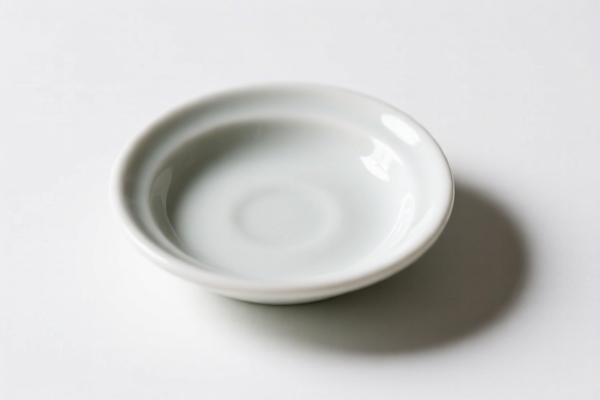
Product Images


AI Analysis
🍽️ Portable Dining Sets & Tableware (Dishes)
🌐 HS Code Reference & Customs Clearance Guide | 2026 Tariff Breakdown | Professional Strategy
📌 I. Product Definition & Classification: Are You Sure You Know "Dishes"?
"Portable Dishes" are not a single product but a category encompassing various materials and forms intended for serving food. In international trade, classification depends heavily on material composition and form.
The 4 Key Categories:
- Metal Cutlery & Sets (Stainless Steel/Ferrum): Forks, knives, spoons, often in portable cases.
- Plastic Tableware: Durable, lightweight plates, cups, and bowls.
- Ceramic & Porcelain: High-value, fragile plates and cups (often considered "tableware" rather than just dishes).
- Mixed Material Sets: Combinations of metal and plastic components in a single set.
⚠️ Critical Distinction:
- A single plastic plate is classified differently from a plastic cutlery set.
- Ceramic dishes face much higher tariffs than plastic or metal counterparts.
- Sets containing different materials are often taxed based on the primary constituent material or the duty rate of the most valuable component.
📦 II. HS Code Classification Details (2026 Tariff Reference)
| HS Code | Product Description | Material Inference | Form/Usage |
|---|---|---|---|
8215.99.50.00 |
Portable Cutlery (Spoons, Forks, Knives) | Ferrous Metals / Non-conflicting materials | Cutlery tools only |
3924.10.20.00 |
Plastic Tableware (Plates, Cups) | Plastic | Dishes, Cups, Bowls |
6911.10.80.90 |
Ceramic/Porcelain Tableware | Porcelain or Pottery | Plates, Bowls, Cups |
3924.10.40.00 |
Plastic Tableware (Other Household Items) | Plastic | Miscellaneous plastic dishware |
8215.20.00.00 |
Cutlery Sets (Mixed Metal/Plastic) | Metal + Plastic Combination | Full dining sets |
🔍 Key Reminder:
- Plastic vs. Ceramic: Ceramic (6911...) attracts significantly higher duties than Plastic (3924...).
- Sets: If a set contains both metal cutlery and a plastic plate, it may fall under8215.20.00.00(Sets) or the dominant material's code, depending on the "essential character."
- Material Accuracy: Misdeclaring ceramic as plastic to avoid taxes is illegal and leads to severe penalties.
💰 III. 2026 Tariff Rate Breakdown (Including Additional Duties)
✅ Applicable Market: USA
✅ Origin: China (CN)
✅ Effective Time: 2025+ (Including latest Section 301 & 122 Measures)
🎯 1. 8215.99.50.00 — Portable Metal Cutlery
| Item | Content |
|---|---|
| Base Duty | 5.3% |
| Section 301 (Add-on) | 0.0% |
| Section 122 (China Add-on) | 10.0% |
| Total Rate | 15.3% |
| Calculation | CIF Value × 15.3% |
| Legal Reference | Base Tariff + Section 122 Rule |
📌 Explanation:
- Standard metal cutlery is relatively low duty. The 10% Section 122 is the main cost driver here.
- No additional Section 301 duties apply to this specific subheading.
🎯 2. 3924.10.20.00 — Plastic Plates & Cups
| Item | Content |
|---|---|
| Base Duty | 6.5% |
| Section 301 (Add-on) | 7.5% |
| Section 122 (China Add-on) | 10.0% |
| Total Rate | 24.0% |
| Calculation | CIF Value × 24.0% |
| Legal Reference | Base Tariff + Section 301 + Section 122 |
📌 Explanation:
- Plastic tableware faces a dual hit: Section 301 (7.5%) AND Section 122 (10%).
- This makes plastic dishes 25% more expensive than basic metal cutlery in the US market.
🎯 3. 6911.10.80.90 — Ceramic Tableware
| Item | Content |
|---|---|
| Base Duty | 20.8% |
| Section 301 (Add-on) | 7.5% |
| Section 122 (China Add-on) | 10.0% |
| Total Rate | 38.3% |
| Calculation | CIF Value × 38.3% |
| Legal Reference | Base Tariff + Section 301 + Section 122 |
📌 Explanation:
- Highest Risk Category! Ceramic dishes have a high Base Duty (20.8%) already, plus the full Section 301 and 122 surcharges.
- Total 38.3% can destroy profit margins for low-cost ceramic imports.
🎯 4. 3924.10.40.00 — Other Plastic Household Items
| Item | Content |
|---|---|
| Base Duty | 3.4% |
| Section 301 (Add-on) | 0.0% |
| Section 122 (China Add-on) | 10.0% |
| Total Rate | 13.4% |
| Calculation | CIF Value × 13.4% |
| Legal Reference | Base Tariff + Section 122 Only |
📌 Explanation:
- A "lucky" category for plastics! This code has NO Section 301 duty, only the 10% Section 122 and a low base rate.
- Ideal for generic plastic containers or non-standard dishware.
🎯 5. 8215.20.00.00 — Cutlery Sets (Mixed Materials)
| Item | Content |
|---|---|
| Base Duty | Variable (Duty rate of the article in the set subject to) |
| Section 301 (Add-on) | 25.0% |
| Section 122 (China Add-on) | 10.0% |
| Total Rate | Highly Variable + 35.0% (Min) |
| Calculation | Depends on primary component + 35% Minimum Add-ons |
| Legal Reference | GRI 3(b) for Sets + Section 301/122 |
📌 Explanation:
- Sets are tricky. If the set contains a high-tariff component, the whole set is taxed at that rate.
- Crucial: This code attracts a massive 25% Section 301 add-on, making mixed sets extremely expensive to import.
- Strategy: Avoid classifying mixed sets under8215.20.00.00if possible; consider declaring components separately if allowed.
🛠️ IV. Customs Clearance Practical Advice (Avoid Pitfalls)
✅ 1. Preparation Checklist (Non-negotiable)
| Document | Requirement | Why? |
|---|---|---|
| Detailed Commercial Invoice | ✔️ | Must specify Material (e.g., "100% Stainless Steel", "Polypropylene Plastic"). |
| Product Photos | ✔️ | Must show material texture (glaze for ceramics, matte for plastic, metallic sheen). |
| Material Composition Cert | ✔️ | Crucial for distinguishing Plastic vs. Ceramic vs. Metal. |
| Packaging List | ✔️ | Separate sets if possible to avoid "Set" classification (8215.20). |
| Origin Certificate | ✔️ | Required for Section 122 application (China). |
✅ 2. Strategic Declaration Tips
🔥 "Material First, Form Second, Set Avoidance!"
| Scenario | Correct Declaration | Wrong Practice |
|---|---|---|
| Plastic Plate + Metal Fork (Separate) | Declare separately: 3924.10.20 + 8215.99.50 |
Combine into "Dish Set" → 8215.20 (35%+ rate) |
| Ceramic Mug | Declare as 6911.10.80.90 |
Declare as Plastic 3924 → Illegal Fraud |
| Plastic Container (Not a Dish) | Try 3924.10.40.00 |
Declare as 3924.10.20 (Higher tax) |
| Mixed Metal/Plastic Set | If possible, separate components | Declare as Set → 35%+ Tax |
✅ 3. Special Scenarios
| Situation | Strategy |
|---|---|
| Low-Value Gifts (De Minimis) | Check if < $800 (US); if eligible, may bypass duty (but check Section 301 exclusions). |
| Material Dispute | If customs questions "Plastic," provide Spectroscopic Analysis or supplier lab reports. |
| Set Classification | Under GRI 3(b), sets are classified by the material giving "essential character." If the plate is plastic and cutlery is metal, the set might be classified by the plate (Plastic) if it dominates value/usage. Consult a broker! |
| Section 301 Exclusions | Check if your specific HS Code has an active Exclusion (e.g., specific types of plastic or metal items). |
🌍 V. Global Market Comparison (2026)
| Region | Recommended HS Code | Est. Duty | Notes |
|---|---|---|---|
| 🇺🇸 USA | 6911.10.80.90 (Ceramic) |
38.3% | Highest barrier. |
| 🇺🇸 USA | 3924.10.20.00 (Plastic) |
24.0% | Moderate barrier. |
| 🇺🇸 USA | 8215.99.50.00 (Metal) |
15.3% | Most competitive. |
| 🇪🇺 EU | 6911.10.80.90 |
~6% | No Section 301/122. |
| 🇨🇳 China | 3924.10.20.00 |
0-5% | Low tariff for export. |
📌 Conclusion:
- USA is the most punitive market due to Section 301 (7.5%) and Section 122 (10%)叠加 (stacking).
- Ceramic is the most expensive to import due to high base duty.
- Plastic varies wildly between codes (24%vs13.4%). Precision in coding saves money.
📌 VI. Common Errors & Pitfalls (Lessons Learned)
❌ Error 1: Declaring "Ceramic" as "Plastic" to save tax.
👉 Consequence: Customs audit, seizure, fines up to 200% of evaded duty.
❌ Error 2: Declaring mixed sets as 8215.20.00.00.
👉 Consequence: 35%+ duty on the entire shipment instead of component-level rates.
❌ Error 3: Ignoring "Section 122" in total cost calculation.
👉 Consequence: Profit margins evaporated; 10% unexpected cost.
✅ Correct Practice:
"100% Stainless Steel Forks, Packaged in Polypropylene Case, Model X100, Origin China."
(Separate declaration for fork and case if legally permissible).
🎯 VII. Final Verdict: Strategy for Success
🎯 Remember the Rules:
🔹 "Material is King" — Get the material right or pay the penalty.
🔹 "Set is Evil" — Separate components to avoid the 35%+ set tax.
🔹 "Ceramic is Costly" — Expect nearly 40% duty in the US.
🔹 "Plastic is Variable" — Check3924.10.40for a 13.4% escape route!
📌 Pro Tip:
If you are importing large volumes of plastic dishes, consider re-routing through Vietnam or Mexico (if rules of origin allow) to mitigate US Section 301/122 duties.
Always apply for an Advance Ruling (Binding Tariff Information) before shipping!
📣 Act Now:
📞 Contact your Customs Broker immediately.
📄 Prepare Material Certificates.
🚀 Optimize your HS Codes to minimize tax exposure.
✨ Precision Classification = Profit Protection!
💼 Every percent of duty saved is profit earned!
Customer Reviews
About HS Code Classification
The Harmonized System (HS) is an internationally standardized nomenclature developed by the World Customs Organization (WCO) to classify traded products. Over 200 countries use the HS system as the basis for customs tariffs, trade statistics, and import/export regulations.
Each HS code follows a hierarchical structure:
- Chapter (2 digits) — Broad category of goods (e.g., Chapter 84: Machinery and Mechanical Appliances)
- Heading (4 digits) — More specific grouping within the chapter
- Subheading (6 digits) — Internationally standardized breakdown, used by all WCO member countries
- National subdivisions (8-10 digits) — Country-specific extensions for further classification, such as US HTSUS 10-digit codes
Correct HS code classification is essential for smooth customs clearance, accurate duty payment, and compliance with trade regulations. Misclassification can lead to customs delays, overpayment of duties, or penalties.
When importing from CN to US, the applicable tariff rates may include:
- Most-Favored-Nation (MFN) rate — The standard duty rate applied to WTO members
- General rate — Applied to countries without trade agreements
- Trade remedy duties — Additional tariffs such as Section 301 (anti-dumping), Section 232 (national security), or countervailing duties
The information provided on this page is for reference purposes only. For official classification, please consult with your local customs authority or a licensed customs broker.