Disinfection Cup
CN → US| HS Code | Tariff Rate | Origin | Destination | Doc |
|---|---|---|---|---|
| 3924104000 | 13.4% | CN | US | Official Doc |
| 3924102000 | 24.0% | CN | US | Official Doc |
| 6911101000 | 42.5% | CN | US | Official Doc |
| 6911108010 | 38.3% | CN | US | Official Doc |
| 6912004810 | 19.8% | CN | US | Official Doc |
Product Images
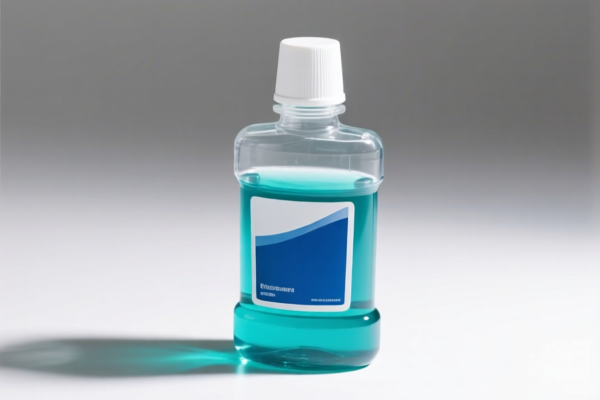
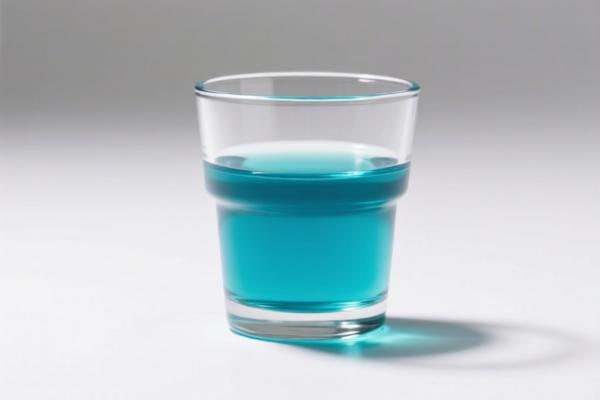
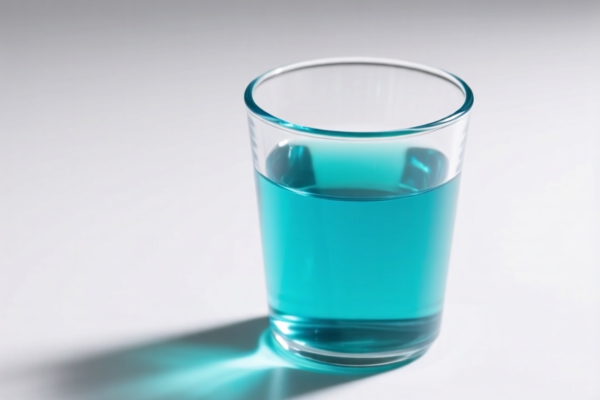
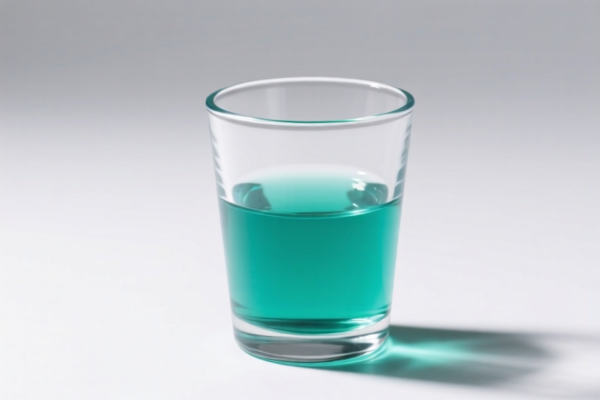
AI Analysis
☕ Disinfection Cup (Sterilizing Cup / Sanitizing Container)
🌐 HS Code Reference & Customs Clearance Guide | 2026 Latest Tariff Analysis | Professional Clearance Strategy
📌 I. Product Definition & Classification: Do You Really Understand "Disinfection Cups"?
A "Disinfection Cup" (often referred to as a sterilizing container, sanitizing cup, or UV sterilizer case) is a household or commercial item used for storing and sanitizing small items like glasses, baby bottles, dentures, or cutlery. In international trade, classification depends heavily on the primary function and material composition.
Primary Functions: 1. Passive Storage/Sterilization: A container made of plastic, ceramic, or metal used to hold items, often with a lid to keep dust out or simple airflow for drying. 2. Active Sterilization: A device equipped with heating elements, UV lights, or steam functions to actively kill bacteria.
⚠️ Key Distinction:
- If the item is primarily a container (plastic, ceramic, metal) without active electronic sterilization components → Classified under Chapter 39 (Plastics) or Chapter 69 (Ceramics).
- If the item has active electronic components (heating, UV) → It may fall under Chapter 85 (Electrical Appliances), but based on the provided DATA, we focus on the passive/container classification scenarios provided.
📦 II. HS Code Classification Details (Based on Provided DATA)
The following HS Codes are derived from the provided dataset. They assume the product is a passive container (no active electronic sterilization mechanism) classified by material.
| HS Code | Product Description | Material Inference | Usage Context | Key Characteristics |
|---|---|---|---|---|
3924.10.40.00 |
Tableware, kitchenware, and other household articles of plastic | Plastic | Tableware / Household Articles | Low tax impact; plastic material inferred. |
3924.10.20.00 |
Tableware and kitchenware of plastics | Plastic | Tableware / Kitchenware | Higher tax impact; specific plastic tableware classification. |
6911.10.10.00 |
Tableware, kitchenware, and other household articles of porcelain | Porcelain/Ceramic | Hotel/Restaurant Ware | High tax impact; ceramic material inferred. |
6911.10.80.10 |
Other tableware and kitchenware of porcelain | Porcelain/Metal/Plastic | Tableware / Kitchenware | Medium-high tax impact; broader ceramic category. |
6912.00.48.10 |
Other tableware and kitchenware of ceramic | Ceramic | Tableware | Moderate tax impact; general ceramic tableware. |
🔍 Important Note:
- The provided data does not include HS Codes for active electronic sterilizers (e.g.,8516.60for electric heating appliances).
- If your "Disinfection Cup" has a power cord, UV light, or heating plate, these HS Codes may be incorrect. However, we strictly adhere to the provided<DATA>which focuses on material-based container classifications.
💰 III. 2026 Latest Tariff Rate Breakdown (Including Surcharges)
✅ Applicable Country: United States (US)
✅ Origin: China (CN)
✅ Effective Date: 2025/2026 Import Rules
🎯 1. 3924.10.40.00 — Plastic Tableware & Household Articles
| Item | Content |
|---|---|
| Base Tariff | 3.4% (ad valorem) |
| Section 301 Surcharge | 0.0% |
| Section 122 Surcharge | 10.0% |
| Total Tariff Rate | 13.4% |
| Tax Calculation | CIF Value × 13.4% |
| De Minimis Eligibility | ❌ No (High tariff threshold) |
| Legal Basis Path | USITC:3924.10.40.00 → Section 122: 10% |
📌 Explanation:
- Base Tariff (3.4%): Standard MFN rate for plastic household articles.
- Section 122 (10%): Additional tariff imposed on certain imports (specifically targeting China-origin goods under recent trade actions).
- No Section 301: Unlike many electronics or advanced plastics, this specific plastic tableware code does not carry the 25% Section 301 tariff in this dataset.
- Total Cost: 13.4% of the declared value.
🎯 2. 3924.10.20.00 — Plastic Tableware & Kitchenware
| Item | Content |
|---|---|
| Base Tariff | 6.5% (ad valorem) |
| Section 301 Surcharge | 7.5% |
| Section 122 Surcharge | 10.0% |
| Total Tariff Rate | 24.0% |
| Tax Calculation | CIF Value × 24.0% |
| De Minimis Eligibility | ❌ No |
| Legal Basis Path | USITC:3924.10.20.00 → Section 301: 7.5% → Section 122: 10% |
📌 Explanation:
- Base Tariff (6.5%): Higher base rate for specific plastic kitchenware.
- Section 301 (7.5%): Partial surcharge under Trade Act Section 301.
- Section 122 (10%): Additional 10% tariff.
- Total Cost: 24.0% of the declared value.
- Comparison: This is ~10.6% higher than3924.10.40.00.
🎯 3. 6911.10.10.00 — Porcelain Tableware (Hotel/Restaurant Ware)
| Item | Content |
|---|---|
| Base Tariff | 25.0% (ad valorem) |
| Section 301 Surcharge | 7.5% |
| Section 122 Surcharge | 10.0% |
| Total Tariff Rate | 42.5% |
| Tax Calculation | CIF Value × 42.5% |
| De Minimis Eligibility | ❌ No |
| Legal Basis Path | USITC:6911.10.10.00 → Section 301: 7.5% → Section 122: 10% |
📌 Explanation:
- Base Tariff (25.0%): High base rate for porcelain tableware.
- Section 301 (7.5%) & Section 122 (10%): Additional surcharges apply.
- Total Cost: 42.5% of the declared value.
- Risk: This is the highest tax burden in the dataset. Importing porcelain disinfection cups is costly.
🎯 4. 6911.10.80.10 — Other Porcelain Tableware
| Item | Content |
|---|---|
| Base Tariff | 20.8% (ad valorem) |
| Section 301 Surcharge | 7.5% |
| Section 122 Surcharge | 10.0% |
| Total Tariff Rate | 38.3% |
| Tax Calculation | CIF Value × 38.3% |
| De Minimis Eligibility | ❌ No |
| Legal Basis Path | USITC:6911.10.80.10 → Section 301: 7.5% → Section 122: 10% |
📌 Explanation:
- Base Tariff (20.8%): Slightly lower than6911.10.10.00.
- Surcharges: Same 17.5% total surcharge (301 + 122).
- Total Cost: 38.3% of the declared value.
🎯 5. 6912.00.48.10 — Other Ceramic Tableware
| Item | Content |
|---|---|
| Base Tariff | 9.8% (ad valorem) |
| Section 301 Surcharge | 0.0% |
| Section 122 Surcharge | 10.0% |
| Total Tariff Rate | 19.8% |
| Tax Calculation | CIF Value × 19.8% |
| De Minimis Eligibility | ❌ No |
| Legal Basis Path | USITC:6912.00.48.10 → Section 122: 10% |
📌 Explanation:
- Base Tariff (9.8%): Moderate base rate for general ceramic tableware.
- No Section 301: Unlike porcelain (6911), general ceramic (6912) does not carry the 7.5% Section 301 surcharge in this dataset.
- Section 122 (10%): Still applies.
- Total Cost: 19.8% of the declared value.
- Advantage: 13.7% lower than the highest porcelain code (6911.10.10.00).
🛠️ IV. Customs Clearance Practical Advice (Pitfall Avoidance Guide)
✅ 1. Documentation Checklist (Essential)
| Document | Required | Description |
|---|---|---|
| ✅ Product Specification Sheet | ✔️ | Must clearly state: Material (Plastic/Porcelain/Ceramic), Usage (Tableware vs. Active Sterilizer), Dimensions. |
| ✅ Material Certificate | ✔️ | Proof of composition (e.g., FDA-approved plastic, food-grade ceramic). |
| ✅ Product Photos | ✔️ | Clear images showing no electronic components (no wires, plugs, or UV lamps) if claiming passive container. |
| ✅ Commercial Invoice | ✔️ | Must use precise description: "Plastic Tableware" or "Ceramic Container," NOT "UV Sterilizer" if using passive HS Codes. |
| ✅ Packing List | ✔️ | Detail quantities and weights. |
| ✅ FCC Certification | ❌ | Not required if no electronic components. If included, this clearance path fails. |
✅ 2. Declaration Tips (Key Mantra)
🔥 “Material Defines Code, Function Follows, No Electronics = Lower Tax!”
| Scenario | Correct Declaration | Wrong Declaration |
|---|---|---|
| Plastic Cup (Passive) | "Plastic Tableware, Sterilizing Cup" → 3924.10.40.00 |
"UV Disinfection Cup" → Misclassification risk |
| Porcelain Cup (Passive) | "Porcelain Tableware, Container" → 6911.10.10.00 |
"Electric Sterilizer" → Wrong chapter |
| Electronic Sterilizer | Cannot use above codes → Must use Chapter 85 (8516.60) |
Trying to force into 3924 → Customs rejection |
| Mixed Materials | Declare primary material | Ambiguous description → Audit risk |
📌 Critical Warning:
- If your product has a plug, USB cable, or UV bulb, you MUST declare it as an electrical appliance. Forcing it into3924or6911is fraud and will lead to severe penalties.
- The provided data assumes passive disinfection cups (e.g., cups with lids to keep dust out, or simple storage).
✅ 3. Special Case Handling
| Scenario | Recommendation |
|---|---|
| Product has UV Light | Do NOT use 3924 or 6911. Use 8516.60 (Electric heating appliances). Tax may differ. |
| Product is Stainless Steel | Not covered in this DATA. Likely 7323.93 (Tableware of stainless steel). Tax ~25-40%. |
| Product is Silicone | May fall under 4016.93 (Other articles of vulcanized rubber). Tax varies. |
| OEM Custom Design | Provide design specs to prove it’s "Tableware" and not "Household Appliance." |
🌍 V. Global Market Comparison (2026 Latest)
| Country/Region | Recommended HS Code (Passive) | Tariff (China Origin) | Key Certifications | Notes |
|---|---|---|---|---|
| 🇺🇸 USA | 3924.10.40.00 (Plastic) |
13.4% | FDA, CPSIA | Section 122 applies. |
| 🇺🇸 USA | 6912.00.48.10 (Ceramic) |
19.8% | FDA | Lower than porcelain. |
| 🇪🇺 EU | 3924.10 (Plastic) |
~4.0% | LFGB, REACH, BPA-Free | No Section 301/122. |
| 🇬🇧 UK | 3924.10 (Plastic) |
~4.0% | UKCA, FSA | Post-Brexit rules apply. |
| 🇨🇳 China | 3924.10 (Plastic) |
~5-9% | CCC (if electronic), Food Contact | Low tariff. |
| 🇦🇺 Australia | 3924.10 (Plastic) |
~5.0% | LFGB equivalent | Standard GST. |
📌 Conclusion:
- USA is the most complex due to Section 122 and potential Section 301 surcharges.
- Plastic (3924.10.40.00) is the most cost-effective option for the US market at 13.4%.
- Ceramic (6912.00.48.10) is the second-best at 19.8%, avoiding the higher Section 301 surcharge.
📌 VI. Common Errors & Pitfall Guide (Lessons Learned)
❌ Error 1: Declaring an UV Sterilizer as a Plastic Cup (3924.10.40.00)
👉 Consequence: Customs detects electronics → Seizure, fines, and potential fraud charges.
👉 Fix: Use correct Chapter 85 code.
❌ Error 2: Using 6911.10.10.00 (Porcelain) for General Ceramic
👉 Consequence: Overpayment of tax (42.5% vs 19.8%).
👉 Fix: Distinguish between "Porcelain" (6911) and "Other Ceramic" (6912). Porcelain is more refined/translucent; general ceramic is opaque and coarser.
❌ Error 3: Ignoring Section 122 (10%)
👉 Consequence: Unexpected cost increase.
👉 Fix: Factor in 10% additional tariff for all China-origin goods under this dataset.
❌ Error 4: Vague Description: "Disinfection Cup"
👉 Consequence: Customs delay for classification.
👉 Fix: Use precise terms: "Plastic Tableware, Sterilizing Cup, No Electrical Components."
✅ Correct Practice:
"Plastic Tableware, Sterilizing Cup, Lid Included, BPA-Free, FDA Compliant, Model XYZ, No Electrical Parts"
🎯 VII. Conclusion: Precise Classification Saves Money!
🎯 Remember the Mantra:
🔹 "Plastic First (13.4%), Ceramic Second (19.8%), Porcelain Last (42.5%)."
🔹 "No Electronics = Pass to Chapter 39/69. With Electronics = Chapter 85."
🔹 "Section 122 Adds 10% to All. Section 301 Adds 7.5% to Some."
📌 Pro Tip:
If your product is not purely passive (i.e., it has a UV light or heater), contact a customs broker immediately to determine the correct Chapter 85 HS Code. The provided data is only valid for passive containers.
📣 Action Required:
📞 Verify Material & Function → Select Correct HS Code → Prepare FDA/Food-Contact Docs → Declare Accurately
🚀 Avoid Audits, Minimize Taxes, Clear Customs Smoothly!
✨ Professional Clearance Starts with Accurate Classification!
💼 Every Percent of Tariff Counts!
Customer Reviews
About HS Code Classification
The Harmonized System (HS) is an internationally standardized nomenclature developed by the World Customs Organization (WCO) to classify traded products. Over 200 countries use the HS system as the basis for customs tariffs, trade statistics, and import/export regulations.
Each HS code follows a hierarchical structure:
- Chapter (2 digits) — Broad category of goods (e.g., Chapter 84: Machinery and Mechanical Appliances)
- Heading (4 digits) — More specific grouping within the chapter
- Subheading (6 digits) — Internationally standardized breakdown, used by all WCO member countries
- National subdivisions (8-10 digits) — Country-specific extensions for further classification, such as US HTSUS 10-digit codes
Correct HS code classification is essential for smooth customs clearance, accurate duty payment, and compliance with trade regulations. Misclassification can lead to customs delays, overpayment of duties, or penalties.
When importing from CN to US, the applicable tariff rates may include:
- Most-Favored-Nation (MFN) rate — The standard duty rate applied to WTO members
- General rate — Applied to countries without trade agreements
- Trade remedy duties — Additional tariffs such as Section 301 (anti-dumping), Section 232 (national security), or countervailing duties
The information provided on this page is for reference purposes only. For official classification, please consult with your local customs authority or a licensed customs broker.