Disposable Cleaning Gloves
CN → US| HS Code | Tariff Rate | Origin | Destination | Doc |
|---|---|---|---|---|
| 3926204010 | 16.5% | CN | US | Official Doc |
| 3926201020 | 10.0% | CN | US | Official Doc |
| 4015191110 | 38.0% | CN | US | Official Doc |
Product Images
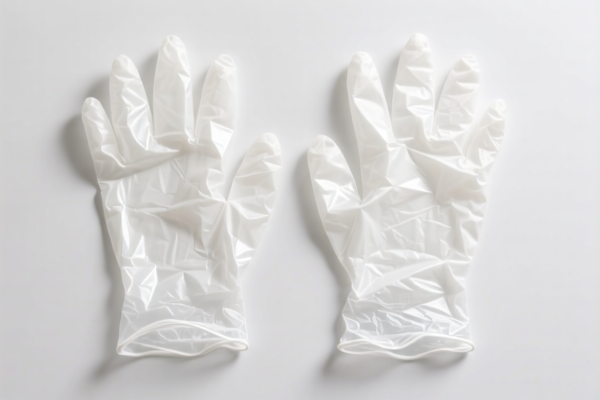
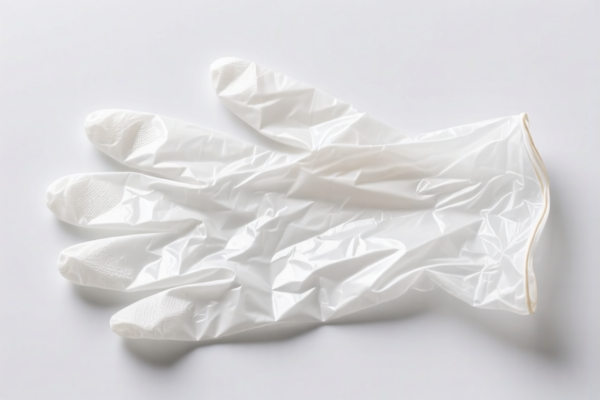


AI Analysis
🧤 Disposable Cleaning Gloves (一次性塑料清洁手套)
🌐 HS Code Reference & Customs Clearance Guide | 2026 Latest Tariff Analysis | Professional Clearance Strategy
📌 I. Product Definition & Classification: Do You Really Understand "Cleaning Gloves"?
Disposable cleaning gloves are essential protective gear for household chores, industrial cleaning, and food handling. In international trade, they are primarily classified under Chapter 39 (Plastics) or Chapter 40 (Rubber), depending on the material composition and specific use case.
Key Distinction Points: * Plastic Gloves (PE/PP): Thin, transparent or colored, often used for hygiene, food prep, or light cleaning. → HS Code 3926.20 * Rubber Gloves (Nitrile/Latex): Thicker, elastic, used for heavy-duty cleaning, chemicals, or medical purposes. → HS Code 4015.19
⚠️ Critical Classification Logic: - If made of Plastic (e.g., Polyethylene PE, Polypropylene PP): Classify under 3926.20. - If made of Vulcanized Rubber (e.g., Nitrile, Latex): Classify under 4015.19. - "Disposable" is a usage descriptor, but Material determines the Chapter.
📦 II. HS Code Classification Details (2026 Latest Tariff Authority Reference)
Based on the provided data, here are the exact HS Codes, summaries, and tax implications for Disposable Cleaning Gloves.
| HS Code | Product Summary | Material | Total Tax Rate | Key Tax Components |
|---|---|---|---|---|
3926.20.40.10 |
Disposable plastic gloves, matching one-time use & plastic material | Plastic | 16.5% | Base: 6.5% Section 301: 0.0% Section 122: 10% |
3926.20.10.20 |
Disposable plastic cleaning gloves, meeting one-time use & plastic material requirements | Plastic | 10.0% | Base: 0.0% Section 301: 0.0% Section 122: 10% |
4015.19.11.10 |
Disposable vulcanized rubber gloves, matching one-time use & rubber material | Rubber | 38.0% | Base: 3.0% Section 301: 25.0% Section 122: 10% |
3926.20.40.10 |
Food-grade disposable plastic gloves, matching one-time use & plastic attributes | Plastic | 16.5% | Base: 6.5% Section 301: 0.0% Section 122: 10% |
🔍 Important Note:
-3926.20.10.20and3926.20.40.10both fall under Plastic Gloves, but have different base tariffs (0% vs 6.5%), likely due to specific sub-classifications (e.g., specific thickness, brand, or application nuances like "food-grade").
-4015.19.11.10is for Rubber gloves and carries a significantly higher tariff due to the 25% Section 301 duty.
💰 III. 2026 Latest Tariff Rate Details (Including Additional Taxes & Policy Surcharges)
✅ Applicable Country: United States (US)
✅ Origin: China (CN)
✅ Effective Time: Current as of 2025/2026 Trade Policies
🎯 1. 3926.20.10.20 —— Disposable Plastic Cleaning Gloves (Lowest Tax Option)
| Item | Content |
|---|---|
| Base Tariff | 0.0% (ad valorem) |
| Section 301 Surcharge | 0.0% (Waived/Not applicable for this subheading) |
| Section 122 Surcharge | +10.0% (Targeted at China/Global imports under specific trade measures) |
| Total Effective Tax Rate | 10.0% |
| Tax Calculation | CIF Value × 10% |
| De Minimis Eligibility | ❌ Not Eligible (Section 122 duties typically apply to all imports above $800 threshold if not exempted, but generally de minimis doesn't apply to Section 301/122 surcharges in many contexts; verify with customs broker) |
| Legal Basis Path | HTS:3926.20.10.20 → Section 122: 10% |
📌 Explanation:
- This is the most cost-effective option for plastic cleaning gloves.
- The Base Tariff is 0%, which is rare and advantageous.
- Only the 10% Section 122 duty applies.
🎯 2. 3926.20.40.10 —— Disposable Plastic Gloves (Standard Food/General Grade)
| Item | Content |
|---|---|
| Base Tariff | 6.5% (ad valorem) |
| Section 301 Surcharge | 0.0% |
| Section 122 Surcharge | +10.0% |
| Total Effective Tax Rate | 16.5% |
| Tax Calculation | CIF Value × 16.5% |
| De Minimis Eligibility | ❌ Not Eligible |
| Legal Basis Path | HTS:3926.20.40.10 → Section 122: 10% |
📌 Explanation:
- Slightly higher than the 0% base tariff option.
- Likely applies to food-grade or specific high-specification plastic gloves.
- Still significantly cheaper than rubber gloves.
🎯 3. 4015.19.11.10 —— Disposable Vulcanized Rubber Gloves (High Tax)
| Item | Content |
|---|---|
| Base Tariff | 3.0% (ad valorem) |
| Section 301 Surcharge | +25.0% (High punitive duty) |
| Section 122 Surcharge | +10.0% |
| Total Effective Tax Rate | 38.0% |
| Tax Calculation | CIF Value × 38% |
| De Minimis Eligibility | ❌ Not Eligible |
| Legal Basis Path | HTS:4015.19.11.10 → Section 301: 25% → Section 122: 10% |
📌 Explanation:
- Highest tax burden in the list.
- The 25% Section 301 duty is the main driver of cost.
- Only consider this if the product is strictly rubber-based (Nitrile/Latex) and cannot be classified under plastic.
🛠️ IV. Customs Clearance Practical Advice (Battle-Tested Pitfall Avoidance)
✅ 1. Preparation Checklist (Non-Negotiable)
| Document | Mandatory? | Description |
|---|---|---|
| ✅ Product Specifications | ✔️ | Must state Material (Plastic vs. Rubber), Thickness, Type (Disposable). |
| ✅ Material Safety Data Sheet (MSDS) | ✔️ | Especially for rubber gloves; confirm vulcanization status. |
| ✅ Product Photos | ✔️ | Clear images showing packaging, labeling, and product texture. |
| ✅ Commercial Invoice | ✔️ | Must accurately describe goods as "Disposable Plastic/Rubber Cleaning Gloves." |
| ✅ Packing List | ✔️ | Include weight, dimensions, and quantity. |
✅ 2. Declaration Tips (Key Mnemonics)
🔥 "Material First, Usage Second, Section 122 Always On!"
| Scenario | Correct Declaration | Wrong Practice |
|---|---|---|
| Plastic Gloves | Use 3926.20.xxxxxx |
Misdeclare as 4015 (Rubber) → 38% tax |
| Rubber Gloves | Use 4015.19.11.10 |
Misdeclare as 3926 (Plastic) → 10-16% tax (Penalty risk) |
| Food-Grade Plastic | Specify "Food-Grade" in description | Vague term "Cleaning Gloves" → May fall to 3926.20.40.10 (16.5%) |
| Mixed Bag (Plastic + Rubber) | Separate HS Codes | Mixed declaration → Customs seizure & fines |
✅ 3. Special Case Handling
| Scenario | Recommendation |
|---|---|
| "Food-Grade" Plastic Gloves | Likely falls under 3926.20.40.10 (16.5%). Ensure FDA compliance docs are ready. |
| Nitrile/Butyl Rubber Gloves | Must use 4015.19.11.10 (38%). No way around the 25% Section 301 duty. |
| PE/PP Thin Gloves | Aim for 3926.20.10.20 (10%) if possible. Verify with customs broker on specific subheading criteria. |
| Non-Disposable/Reusable | These HS Codes are for Disposable gloves. Reusable gloves may have different codes. |
🌍 V. Global Market Comparison (2026 Latest)
| Country/Region | Recommended HS Code | Tariff (China Origin) | Certification | Notes |
|---|---|---|---|---|
| 🇺🇸 USA | 3926.20.10.20 (Plastic) |
10% (Best) | None specific for plastic | 4015 Rubber = 38% |
| 🇨🇳 China | 3926.20.40.10 |
5% (Import) | GB Standard | No Section 122/301 |
| 🇪🇺 EU | 3926.20.90 |
4% (MFN) | CE (if medical) | Standard plastic glove duty |
| 🇬🇧 UK | 3926.20.90 |
4% (MFN) | UKCA | Post-Brexit rules apply |
| 🇯🇵 Japan | 3926.20.90 |
5% | JIS Standard | No Section 122/301 |
📌 Conclusion:
- USA is the most complex market due to Section 122 and Section 301 duties.
- Plastic gloves are significantly cheaper to import into the US than rubber gloves.
- Material declaration is critical to avoid misclassification penalties.
📌 VI. Common Errors & Pitfall Avoidance (Blood-Teaching Lessons)
❌ Error 1: Declaring Nitrile Gloves as Plastic Gloves
👉 Consequence: Underpayment of 28% (38% vs 10%) → Seizure, Fines, and Audit
❌ Error 2: Not specifying "Disposable" in the description
👉 Consequence: Customs may classify as reusable gloves → Wrong HS Code & Delay
❌ Error 3: Ignoring Section 122 duties
👉 Consequence: Budget miscalculation → Profit Margin Erosion
❌ Error 4: Using generic terms like "Gloves" without material
👉 Consequence: Customs assigns worst-case scenario → Higher Duty Rate
✅ Correct Declaration Example:
"Disposable Polyethylene (PE) Plastic Cleaning Gloves, Non-Sterile, Clear, 500 Count/Box, HTS 3926.20.10.20"
🎯 VII. Conclusion: Professional Declaration, Cost Optimization!
🎯 Remember the Mnemonics:
🔹 "Plastic is Cheap (10-16%), Rubber is Expensive (38%)"
🔹 "Material First, Section 122 Always On, Section 301 Kills Rubber!"
🔹 "HS Code Saves Money, Misclassification Costs Everything!"
📌 Pro Tip:
- If you can switch from Nitrile/Rubber to Plastic (PE/PP) gloves for cleaning purposes, you can save up to 28% in tariffs.
- For plastic gloves, try to qualify for 3926.20.10.20 (10%) instead of 3926.20.40.10 (16.5%) by verifying the exact subheading criteria with a customs broker.
📣 Immediate Action:
📞 Contact your customs broker with material specs + product photos.
🚀 Optimize your HS Code to save thousands in duties!
✨ Professional Customs Clearance Starts with Accurate Classification!
💼 Every Dollar Saved in Tariffs is Pure Profit!
Customer Reviews
About HS Code Classification
The Harmonized System (HS) is an internationally standardized nomenclature developed by the World Customs Organization (WCO) to classify traded products. Over 200 countries use the HS system as the basis for customs tariffs, trade statistics, and import/export regulations.
Each HS code follows a hierarchical structure:
- Chapter (2 digits) — Broad category of goods (e.g., Chapter 84: Machinery and Mechanical Appliances)
- Heading (4 digits) — More specific grouping within the chapter
- Subheading (6 digits) — Internationally standardized breakdown, used by all WCO member countries
- National subdivisions (8-10 digits) — Country-specific extensions for further classification, such as US HTSUS 10-digit codes
Correct HS code classification is essential for smooth customs clearance, accurate duty payment, and compliance with trade regulations. Misclassification can lead to customs delays, overpayment of duties, or penalties.
When importing from CN to US, the applicable tariff rates may include:
- Most-Favored-Nation (MFN) rate — The standard duty rate applied to WTO members
- General rate — Applied to countries without trade agreements
- Trade remedy duties — Additional tariffs such as Section 301 (anti-dumping), Section 232 (national security), or countervailing duties
The information provided on this page is for reference purposes only. For official classification, please consult with your local customs authority or a licensed customs broker.