Disposable Paper Bowl
CN → US| HS Code | Tariff Rate | Origin | Destination | Doc |
|---|---|---|---|---|
| 4823690020 | 35.0% | CN | US | Official Doc |
| 4823700020 | 35.0% | CN | US | Official Doc |
| 4819502000 | 35.0% | CN | US | Official Doc |
| 4419901100 | 15.3% | CN | US | Official Doc |
| 3924102000 | 24.0% | CN | US | Official Doc |
Product Images
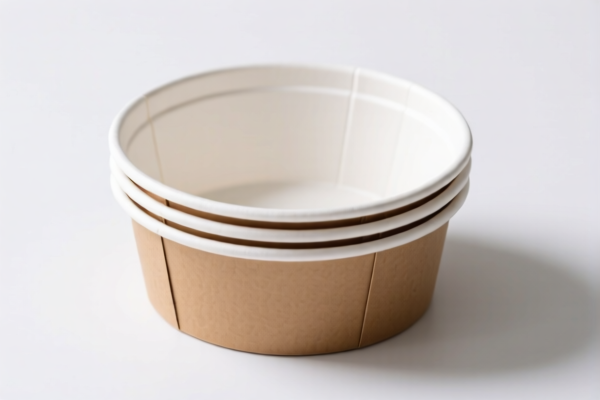
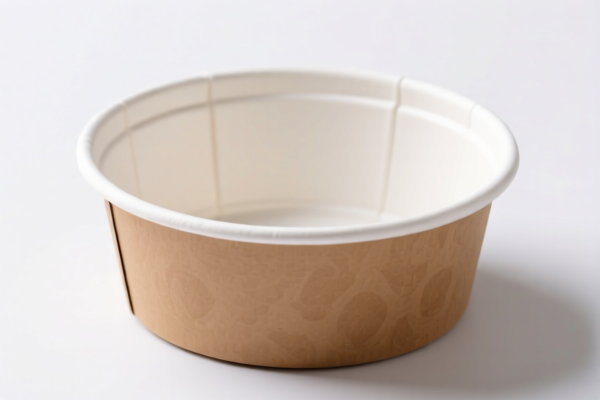
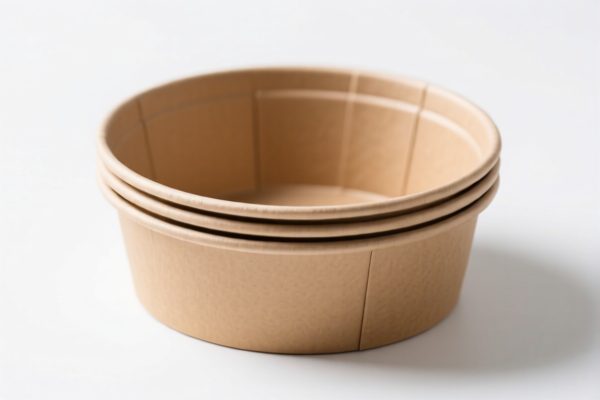
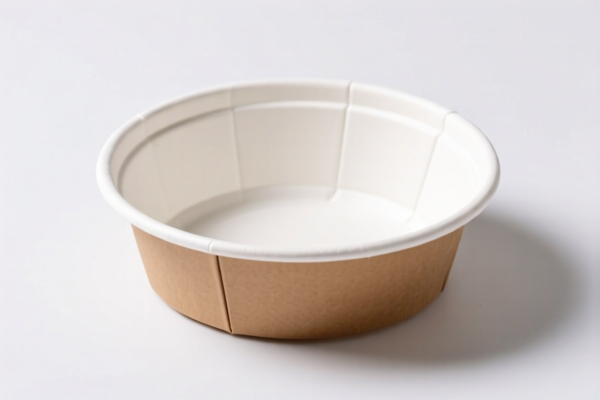
AI Analysis
🥣 Disposable Paper Bowls (Paper Containers for Food Service)
🌐 HS Code Reference & Customs Clearance Guide | 2026 Latest Tariff Analysis | Professional Entry Strategy
📌 I. Product Definition & Classification: Do You Really Understand "Paper Bowls"?
Disposable paper bowls are essential single-use containers in the global food service industry, ranging from fast food and takeout to catering and home dining. In international trade, they are primarily classified based on their material composition, manufacturing process (molded pulp vs. cut-and-formed), and specific use case.
Because "paper bowl" is a functional description rather than a strict technical definition, customs authorities require precise classification based on whether the bowl is molded pulp or sheet-fed paper/paperboard. Misclassification can lead to significant duty discrepancies due to the high附加 tariffs (Section 301 and 122) currently applied to Chinese-origin goods entering the US.
⚠️ Key Distinction Points:
- Molded Pulp/Pressed Fibre: Made from recycled paper pulp, formed into shape under heat and pressure. Often looks textured or matte. → Likely 4823.70 or 4823.69.
- Laminated/Coated Sheet Paper: Made from flat sheets of paper or paperboard, often coated with PE (polyethylene) or PLA for liquid resistance. Smooth, shiny appearance. → Likely 4819.50 or 4823.69.
- Composite Materials: If the bowl has a significant plastic lining (>50% by weight/value in some jurisdictions), it might be misclassified, but typically still falls under paper chapter if paper is the essential character.
📦 II. HS Code Classification Details (2026 Latest Tariff Authority Cross-Reference)
Based on the provided data, here are the three potential HS Codes for Disposable Paper Bowls, along with their specific definitions and tax implications.
| HS Code | Product Description | Applicable Scenario | Key Characteristics |
|---|---|---|---|
4823.69.00.20 |
Paper bowls, paper material, bowl shape, classified as paper containers | General paper bowls (cut & formed, laminated) | Smooth surface, often PE/PLA coated, made from paper sheets |
4823.70.00.20 |
Paper bowls, paper material, bowl shape, fits definition of molded pulp/pressed products | Molded pulp bowls (recycled fibre) | Textured surface, no lamination required (inherently formed), eco-friendly feel |
4819.50.20.00 |
Paper bowls, paper material, bowl shape, classified as packaging containers | General packaging classification | Broad category, used when specific subheading doesn't fit perfectly, but still paper |
🔍 Important Reminder:
- All three codes listed in the data share the same total tax rate of 35% for Chinese-origin goods entering the US.
- However, the technical justification for selection differs:
-4823.70is for molded pulp (common for compostable, uncoated bowls).
-4823.69and4819.50are for sheet-fed/coated bowls (common for greasy/soupy foods requiring liquid barrier).
- Do not split shipments into different HS codes unless the products are physically distinct (e.g., molded vs. coated).
💰 III. 2026 Latest Tariff Rate Breakdown (Including Additional Taxes & Policy Surcharges)
✅ Applicable Country: United States (US)
✅ Origin: China (CN)
✅ Effective Time: Current as of 2025/2026 (Including all active surcharges)
🎯 1. Universal Tax Structure for All Three HS Codes
| Item | Content |
|---|---|
| Base Tariff Rate | 0.0% (Most paper products have low base duties under HTSUS) |
| Section 301 Additional Tariff | +25.0% (Retaliatory tariffs on Chinese goods under US Trade Law Section 301) |
| Section 122 Tariff | +10.0% (Additional tariff on specific Chinese imports, often overlapping with Section 301 items) |
| Total Effective Tax Rate | 35.0% |
| Tax Calculation | CIF Value × 35% |
| De Minimis Exemption Eligible? | ❌ NO (Section 301 and 122 tariffs explicitly deny de minimis relief for shipments from China) |
| Legal Basis Path | USITC: 4823/4819 → Section 301: Footnote 9903 → Section 122: Specific Subheading Notes → Total 35% |
📌 Explanation:
- The 0% base rate reflects that paper packaging is generally not restricted.
- The 35% total is purely driven by trade policy surcharges (301 + 122).
- Critical Warning: Even if the shipment is under $800 (de minimis), these tariffs WILL be applied if the goods are of Chinese origin and properly declared. Do not assume de minimis applies.
🛠️ IV. Customs Clearance Operational Advice (Practical Pitfall Guide)
✅ 1. Required Documentation Checklist (Essential for Smooth Clearance)
| Document | Must Provide | Description |
|---|---|---|
| ✅ Product Specification Sheet | ✔️ | Material composition (e.g., "100% recycled pulp" vs. "Paper + PE coating"), dimensions, capacity |
| ✅ Composition Declaration | ✔️ | Clarify if the bowl is molded pulp (4823.70) or coated/sheet-fed (4823.69/4819.50) |
| ✅ Product Photos (Front & Side) | ✔️ | Show texture (matte for pulp, shiny for coated) and any logos/coatings |
| ✅ Commercial Invoice | ✔️ | Must clearly state "Disposable Paper Bowls" and specify HS Code |
| ✅ Packing List | ✔️ | Include gross/net weight, number of units, carton dimensions |
| ✅ Country of Origin Certificate | ✔️ | Confirm China origin; if transshipped, ensure no origin fraud |
✅ 2. Declaration Strategy (Key Mantras)
🔥 “Match the Material, Declare the Code, Don’t Split, Don’t Hide!”
| Scenario | Correct Declaration | Incorrect Action |
|---|---|---|
| Molded Pulp Bowls (Recycled, uncoated) | 4823.70.00.20 |
Misdeclaring as "plastic" or "paperboard" → Audit risk |
| Coated/Souproof Bowls (PE/PLA lined) | 4823.69.00.20 or 4819.50.20.00 |
Using 4823.70 → Misclassification penalty |
| Mixed Shipment (Pulp + Coated) | Split Declaration | Combining into one line item → Ambiguity, potential 100% duty assessment |
| Small Sample Shipment (<$800) | Still Declare 35% | Assuming de minimis → Seizure or penalty |
✅ 3. Special Case Handling
| Case | Handling Advice |
|---|---|
| Biodegradable/Compostable Labels | Still subject to 35% tax. "Eco-friendly" does not exempt from tariffs. |
| Private Label (OEM) | Provide authorization letter from brand owner to prevent IP issues at US CBP. |
| Plastic Lining > 50% | If the plastic content is dominant, customs may reclassify under Chapter 39 (Plastics), which could have different duties. Stick to paper classification if paper is the essential character. |
| Stacked/Nested Packaging | Declare as one unit if packaged for retail; otherwise, declare by individual unit count. |
🌍 V. Global Market Clearance Comparison (2026 Latest)
| Country/Region | Recommended HS Code | Tariff (China Origin) | Certification Requirements | Notes |
|---|---|---|---|---|
| 🇺🇸 USA | 4823.69/4823.70/4819.50 |
35% (Total) | FDA Compliance (Food Contact) | High Tariff – 301+122 apply |
| 🇨🇳 China | 4823.69 or 4823.70 |
0-5% | CCC (if applicable) | Low duty for domestic sale |
| 🇪🇺 EU | 4823.70 or 4823.69 |
0-6.5% | CE, LFGB (Germany), Food Contact Norms | No US-style surcharges |
| 🇬🇧 UK | 4823.70 |
0-5% | UKCA, Food Contact Standards | Post-Brexit tariff regime |
| 🇦🇺 Australia | 4823.70 |
5% | SFI (Standard for Food Contact) | No major surcharges |
📌 Conclusion:
- The US market is uniquely expensive for Chinese paper bowls due to the 35% combined surcharge.
- EU/UK/AU markets remain competitive with low or zero base duties.
- For US imports, consider supply chain diversification (e.g., Vietnam, Thailand) if volume is high, as these origins may be exempt from Section 301.
📌 VI. Common Mistakes & Pitfall Guide (Lessons Learned)
❌ Mistake 1: Assuming de minimis ($800) applies to paper bowls from China
👉 Consequence: 35% tax + penalty + seizure. Section 301 explicitly excludes these goods from de minimis.
❌ Mistake 2: Mixing molded pulp and coated bowls in one HS Code line
👉 Consequence: Customs may reject the declaration, leading to delayed clearance or audits with back-tariff calculations.
❌ Mistake 3: Failing to disclose PE/PLA lining
👉 Consequence: If customs tests the product and finds significant plastic, they may reclassify under Chapter 39, potentially altering duty rates and violating FDA food contact regulations.
❌ Mistake 4: Using generic terms like "Paper Containers" without HS Code
👉 Consequence: CBP may assign a provisional code with higher duties or hold the shipment for technical review.
✅ Correct Approach:
"Disposible Paper Bowls, 16oz, Molded Pulp, Uncoated, Compostable, Made in China. HS Code: 4823.70.00.20. Value: $X.XX."
🎯 VII. Conclusion: Professional Declaration, Cost Control, Efficiency!
🎯 Remember These Key Points:
🔹 "China Origin + Paper Bowls = 35% Total Tax"
🔹 "No De Minimis Exemption for Section 301/122 Goods"
🔹 "Match Material to HS Code: Pulp=4823.70, Coated=4823.69/4819.50"
🔹 "Declare Accurately to Avoid Delays and Penalties"
📌 Pro Tip:
If you are importing large volumes to the US, consider Advance Rulings from CBP to confirm the exact HS Code and tariff engineering strategies (e.g., separate packaging vs. product) to potentially optimize costs. Also, explore supply chain shifts to non-China origins if tariffs erode your margin.
📣 Immediate Action Required:
📞 Engage a licensed customs broker to verify HS Code based on actual product samples.
📄 Ensure your commercial invoice explicitly states "Made in China" and the correct HS Code.
🚀 Clear your bowls smoothly, avoid costly delays, and maximize your profit margins!
✨ Professional Customs Clearance Starts with Precise Classification!
💼 Every dollar of duty saved is a dollar of profit earned!
Customer Reviews
About HS Code Classification
The Harmonized System (HS) is an internationally standardized nomenclature developed by the World Customs Organization (WCO) to classify traded products. Over 200 countries use the HS system as the basis for customs tariffs, trade statistics, and import/export regulations.
Each HS code follows a hierarchical structure:
- Chapter (2 digits) — Broad category of goods (e.g., Chapter 84: Machinery and Mechanical Appliances)
- Heading (4 digits) — More specific grouping within the chapter
- Subheading (6 digits) — Internationally standardized breakdown, used by all WCO member countries
- National subdivisions (8-10 digits) — Country-specific extensions for further classification, such as US HTSUS 10-digit codes
Correct HS code classification is essential for smooth customs clearance, accurate duty payment, and compliance with trade regulations. Misclassification can lead to customs delays, overpayment of duties, or penalties.
When importing from CN to US, the applicable tariff rates may include:
- Most-Favored-Nation (MFN) rate — The standard duty rate applied to WTO members
- General rate — Applied to countries without trade agreements
- Trade remedy duties — Additional tariffs such as Section 301 (anti-dumping), Section 232 (national security), or countervailing duties
The information provided on this page is for reference purposes only. For official classification, please consult with your local customs authority or a licensed customs broker.