Disposable Pillowcase
CN → US| HS Code | Tariff Rate | Origin | Destination | Doc |
|---|---|---|---|---|
| 6307909891 | 24.5% | CN | US | Official Doc |
| 5603920070 | 35.0% | CN | US | Official Doc |
| 4823908680 | 35.0% | CN | US | Official Doc |
| 4818500080 | 35.0% | CN | US | Official Doc |
| 4818900080 | 17.5% | CN | US | Official Doc |
Product Images
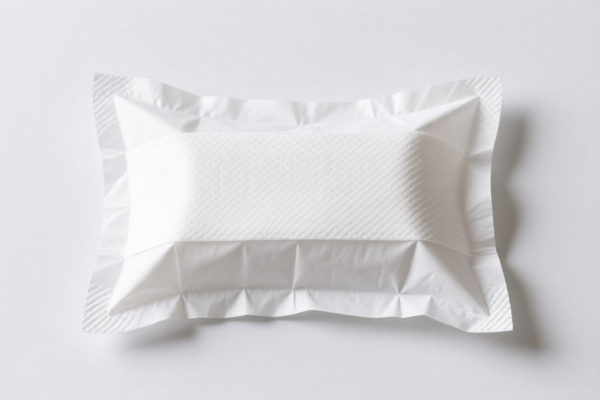
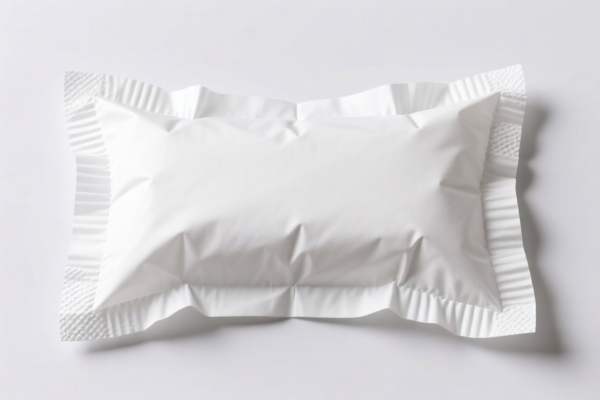
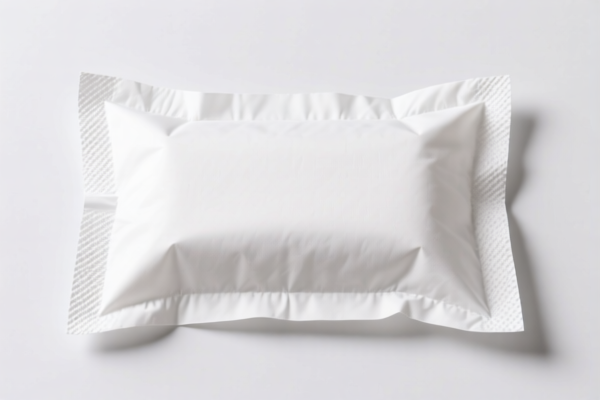
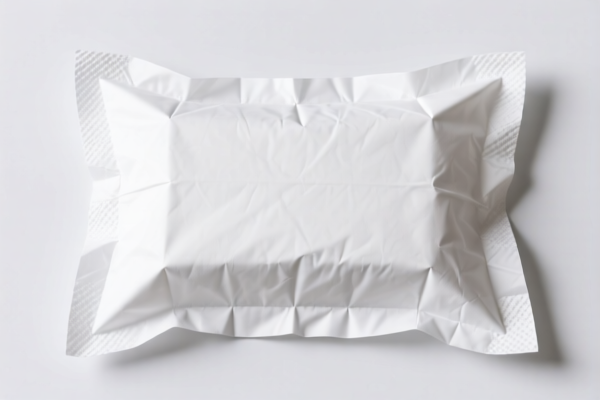
AI Analysis
🛏️ Disposable Pillowcases: The Ultimate HS Code Guide & Customs Clearance Strategy
🌐 HS Code Reference & Customs Clearance Guide | 2026 Latest Tariff Analysis | Professional-Grade Clearance Strategy
📌 I. Product Definition & Classification: Do You Really Know "Disposable Pillowcases"?
Disposable pillowcases are single-use hygiene products widely used in hotels, hospitals, salons, and home care. In international trade, their classification depends strictly on material composition and manufacturing method. They are not a monolithic category; rather, they fall into distinct chapters based on whether they are textile-based, non-woven, or paper-based.
⚠️ Key Distinction Points:
- Textile/Other Materials: If the pillowcase is made of woven or knitted fabrics (other than non-woven) or other textile materials → Classified under Chapter 63.
- Non-Woven Fabrics: If made of non-woven material (e.g., SMS, Spunbond) → Classified under Chapter 56.
- Paper-Based: If made of paper or paperboard → Classified under Chapter 48.
📦 II. HS Code Classification Details (2026 Latest Tariff Authority Cross-Reference)
| HS Code | Product Description | Application Scenario | Material Type |
|---|---|---|---|
6307.90.98.91 |
Other made-up textile articles, specifically for disposable pillowcases as a "fallback" classification | General disposable pillowcases not meeting non-woven/paper specs | ✅ Textile/Other Fabric |
5603.92.00.70 |
Disposable pillowcases made of non-woven fabric, meeting non-woven product attributes | Hotel/Salon disposable covers, medical hygiene use | ✅ Non-Woven |
4823.90.86.80 |
Paper-based disposable pillowcases, meeting other paper product material requirements | Eco-friendly paper covers, food-service related | ✅ Paper |
4818.50.00.80 |
Paper-based disposable pillowcases, classified as paper articles for clothing accessories | Paper covers used as protective accessories | ✅ Paper |
4818.90.00.80 |
Paper-based disposable pillowcases, sanitary or household use paper articles | Household hygiene paper covers | ✅ Paper |
🔍 Key Reminder:
- Non-woven vs. Textile: This is the most common confusion. If it feels like "felt" or "fabric" but is not woven/knitted, it is Non-Woven (5603). If it is woven/knitted, it is Textile (6307). - Paper Products: All paper-based pillowcases fall under Chapter 48, but specific subheadings depend on whether they are for sanitary/household use (4818.90) or other uses.
💰 III. 2026 Latest Tariff Rate Details (Including Surtaxes & Policy Add-ons)
✅ Applicable Country: United States (US)
✅ Origin: China (CN)
✅ Effective Date: Post-November 10, 2025 (including subsequent imports)
🎯 1. 6307.90.98.91 – Made-up Textile Articles (Fallback Classification)
| Item | Content |
|---|---|
| Base Tariff Rate | 7.0% (ad valorem) |
| Section 301 Surtax | +7.5% (Specific additional tariff) |
| Section 122 Tariff | +10.0% (New 122-clause tariff) |
| Total Tariff Rate | 24.5% |
| Tax Calculation | CIF Value × 24.5% |
| De Minimis Exemption | ❌ Not Applicable (High tariff volume exceeds threshold) |
| Legal Basis Path | Base: 6307.90.98 → Surtax: 7.5% → 122 Clause: 10% |
📌 Explanation:
- This is the "fallback" category for textile-based disposable pillowcases that don't fit into specific non-woven or paper categories. - Total cost impact is significant at 24.5%. Must be factored into pricing models.
🎯 2. 5603.92.00.70 – Non-Woven Disposable Pillowcases
| Item | Content |
|---|---|
| Base Tariff Rate | 0.0% (Free) |
| Section 301 Surtax | +25.0% (USITC Footnote) |
| Section 122 Tariff | +10.0% (New 122-clause tariff) |
| Total Tariff Rate | 35.0% |
| Tax Calculation | CIF Value × 35.0% |
| De Minimis Exemption | ❌ Not Applicable |
| Legal Basis Path | Base: 5603.92.00 → Surtax: 25.0% → 122 Clause: 10% |
📌 Warning:
- Although the base tariff is 0%, the Section 301 tariff is 25% and the Section 122 tariff is 10%. - Total rate: 35%. This is the highest rate among all options. - Crucial: Many manufacturers mistakenly classify non-woven products here. Ensure material test reports confirm "Non-Woven" status.
🎯 3. 4823.90.86.80 – Paper-Based Disposable Pillowcases (Other Paper Products)
| Item | Content |
|---|---|
| Base Tariff Rate | 0.0% |
| Section 301 Surtax | +25.0% |
| Section 122 Tariff | +10.0% |
| Total Tariff Rate | 35.0% |
| Tax Calculation | CIF Value × 35.0% |
| De Minimis Exemption | ❌ Not Applicable |
| Legal Basis Path | Base: 4823.90.86 → Surtax: 25.0% → 122 Clause: 10% |
📌 Note:
- Paper products are heavily surtaxed due to Section 301. - This code is for paper products that do not fall under specific sanitary/household paper uses (which have lower tariffs).
🎯 4. 4818.50.00.80 – Paper-Based Disposable Pillowcases (Clothing Accessories)
| Item | Content |
|---|---|
| Base Tariff Rate | 0.0% |
| Section 301 Surtax | +25.0% |
| Section 122 Tariff | +10.0% |
| Total Tariff Rate | 35.0% |
| Tax Calculation | CIF Value × 35.0% |
| De Minimis Exemption | ❌ Not Applicable |
| Legal Basis Path | Base: 4818.50.00 → Surtax: 25.0% → 122 Clause: 10% |
📌 Note:
- Classified as paper accessories for clothing. Still subject to full surtaxes.
🎯 5. 4818.90.00.80 – Paper-Based Disposable Pillowcases (Sanitary/Household Use)
| Item | Content |
|---|---|
| Base Tariff Rate | 0.0% |
| Section 301 Surtax | +7.5% |
| Section 122 Tariff | +10.0% |
| Total Tariff Rate | 17.5% |
| Tax Calculation | CIF Value × 17.5% |
| De Minimis Exemption | ❌ Not Applicable |
| Legal Basis Path | Base: 4818.90.00 → Surtax: 7.5% → 122 Clause: 10% |
📌 Optimization Alert:
- This is the LOWEST tariff code for paper-based disposable pillowcases. - Total rate: 17.5%. - Condition: Must strictly meet the definition of "Sanitary or Household Use" paper articles. Provide product descriptions emphasizing hygiene, home use, or personal care. - Strategy: If your product is paper-based, strive to classify under4818.90.00.80to save 17.5% in tariffs compared to other paper codes.
🛠️ IV. Customs Clearance Practical Advice (Battle-Tested Pitfall Avoidance Guide)
✅ 1. Documentation Checklist (All Required)
| Document | Mandatory | Description |
|---|---|---|
| ✅ Product Specification Sheet | ✔️ | Material composition, dimensions, weight, packaging details |
| ✅ Material Test Report | ✔️ | Critical: To distinguish between Non-Woven, Textile, or Paper |
| ✅ Product Photos (Clear) | ✔️ | Show texture, packaging, and usage context (e.g., hotel bed, salon) |
| ✅ Commercial Invoice | ✔️ | Clearly state "Disposable Pillowcase" and material type |
| ✅ Packing List | ✔️ | Detail quantity, gross weight, net weight |
| ✅ Certificate of Origin (CO) | ✔️ | Required for tariff calculation |
✅ 2. Declaration Tips (Key Mantra)
🔥 “Material First, Function Second, Paper for Hygiene, Textile for Fallback!”
| Scenario | Correct Declaration | Wrong Practice |
|---|---|---|
| Non-Woven Pillowcase | 5603.92.00.70 "Non-woven fabric pillowcase" |
Misdeclare as "Textile" → 24.5% vs 35%? No, Non-Woven is 35%, Textile is 24.5%. Check Material! |
| Paper Pillowcase (Hygiene) | 4818.90.00.80 "Paper sanitary/household pillowcase" |
Misdeclare as "Other Paper" (4823) → 35% vs 17.5% Huge Savings Opportunity! |
| Paper Pillowcase (Accessory) | 4818.50.00.80 "Paper clothing accessory" |
N/A |
| Woven/Knitted Pillowcase | 6307.90.98.91 "Textile made-up article" |
Misdeclare as Non-Woven → 35% |
⚠️ Critical Warning:
- Do NOT confuse "Non-Woven" with "Textile". If it is non-woven, it is 35%. If it is woven/knitted, it is 24.5%. - For Paper Products: If you can justify "Sanitary/Household Use," use4818.90.00.80(17.5%). Otherwise, it jumps to 35%.
✅ 3. Special Case Handling
| Scenario | Handling Advice |
|---|---|
| Mixed Material Packaging | If pillowcase is packed with non-woven bag, declare separately or ensure main item is clear |
| OEM Custom Printing | Provide print design specs; do not alter material classification |
| Eco-Friendly Claims | If biodegradable paper, still classify under Chapter 48; no tariff benefit unless specific green certification applies |
| Small Samples | If value is low, consider de minimis (though unlikely for bulk disposable goods) |
🌍 V. Global Market Clearance Comparison (2026 Latest)
| Country/Region | Recommended HS Code | Tariff (China Origin) | Certification | Notes |
|---|---|---|---|---|
| 🇺🇸 United States | 4818.90.00.80 (Paper) / 6307.90.98.91 (Textile) |
17.5% (Paper) / 24.5% (Textile) | None specific | Highest Surtax Market. Non-Woven is 35%. |
| 🇨🇳 China | 6307.90.90.90 |
5-7% | CCC (if applicable) | Lower base tariff, no Section 301 |
| 🇪🇺 European Union | 6307.90.98 |
0-4% | CE (if hygiene product) | No Section 301 equivalent. Lower overall cost. |
| 🇦🇺 Australia | 6307.90.90 |
5% | None | GST 10% applies. |
| 🇯🇵 Japan | 6307.90.90 |
3-7% | PMDA (if medical) | No surtax. |
📌 Conclusion:
- US Market is the most expensive due to Section 301 and Section 122 tariffs. - Paper products under sanitary/household use (4818.90.00.80) offer the best tariff rate (17.5%) for the US market. - Non-Woven products are penalized heavily (35%).
📌 VI. Common Errors & Pitfall Avoidance (Blood & Tears Lessons)
❌ Error 1: Classifying Non-Woven Pillowcases as 6307.90.98.91 (Textile)
👉 Consequence: If actually non-woven, customs may reclassify to 5603.92.00.70 → Tax increases from 24.5% to 35% + Penalties!
❌ Error 2: Classifying Paper Pillowcases as 4823.90.86.80 (Other)
👉 Consequence: Missing the "Sanitary/Household" benefit → Tax increases from 17.5% to 35%!
👉 Fix: Use product descriptions like "Sanitary Disposable Pillowcase for Home/Hotel Use."
❌ Error 3: Ignoring Section 122 Tariff (10%)
👉 Consequence: Underestimating total landed cost by 10% on all HS codes.
✅ Correct Practice:
"Disposable Paper Pillowcase, Sanitary Use, 100% Wood Pulp, Biodegradable, For Hotel/Home Use, Model XYZ"
🎯 VII. Conclusion: Professional Declaration, Save Time, Reduce Costs!
🎯 Remember the Mantra:
🔹 "Paper for Hygiene: 17.5%!"
🔹 "Textile Fallback: 24.5%!"
🔹 "Non-Woven: 35% (Avoid if possible)!"
🔹 "Section 122 is Always 10% Extra!"
📌 Pro Tip:
If your disposable pillowcases are paper-based, strictly emphasize "Sanitary/Household Use" in your commercial invoice and product description to qualify for 4818.90.00.80 (17.5%). This is the most cost-effective classification for the US market.
📣 Immediate Action:
📞 Consult with a licensed customs broker + Provide material test reports + Apply for HS Code Advance Ruling if uncertain.
🚀 Ensure your product description aligns with the HS Code to avoid audits and delays.
✨ Professional Customs Clearance Starts with Accurate Classification!
💼 Every Cent of Tariff Saved is Pure Profit!
Customer Reviews
About HS Code Classification
The Harmonized System (HS) is an internationally standardized nomenclature developed by the World Customs Organization (WCO) to classify traded products. Over 200 countries use the HS system as the basis for customs tariffs, trade statistics, and import/export regulations.
Each HS code follows a hierarchical structure:
- Chapter (2 digits) — Broad category of goods (e.g., Chapter 84: Machinery and Mechanical Appliances)
- Heading (4 digits) — More specific grouping within the chapter
- Subheading (6 digits) — Internationally standardized breakdown, used by all WCO member countries
- National subdivisions (8-10 digits) — Country-specific extensions for further classification, such as US HTSUS 10-digit codes
Correct HS code classification is essential for smooth customs clearance, accurate duty payment, and compliance with trade regulations. Misclassification can lead to customs delays, overpayment of duties, or penalties.
When importing from CN to US, the applicable tariff rates may include:
- Most-Favored-Nation (MFN) rate — The standard duty rate applied to WTO members
- General rate — Applied to countries without trade agreements
- Trade remedy duties — Additional tariffs such as Section 301 (anti-dumping), Section 232 (national security), or countervailing duties
The information provided on this page is for reference purposes only. For official classification, please consult with your local customs authority or a licensed customs broker.