Disposable Shoe Covers
CN → US| HS Code | Tariff Rate | Origin | Destination | Doc |
|---|---|---|---|---|
| 3926909989 | 22.8% | CN | US | Official Doc |
| 6307909891 | 24.5% | CN | US | Official Doc |
| 3926201020 | 10.0% | CN | US | Official Doc |
| 3921901910 | 40.3% | CN | US | Official Doc |
| 6405902000 | 21.3% | CN | US | Official Doc |
Product Images
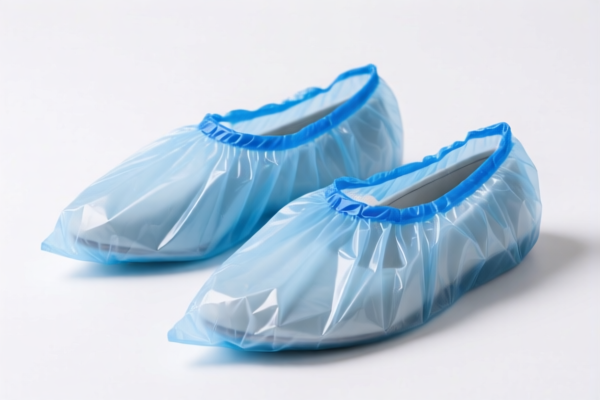
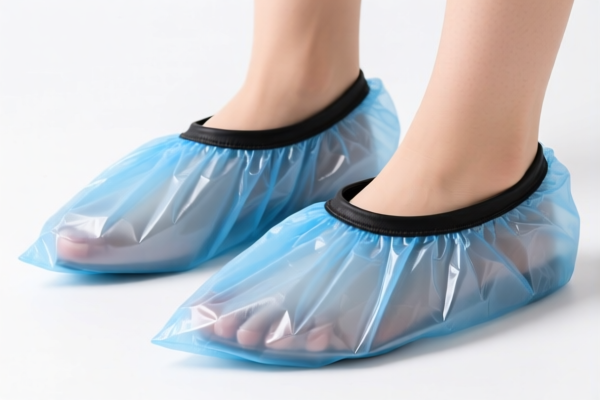
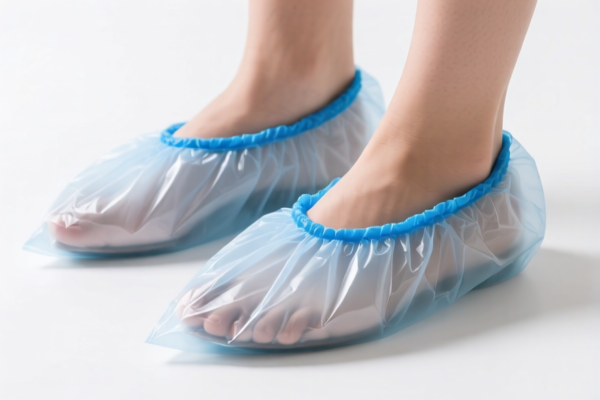
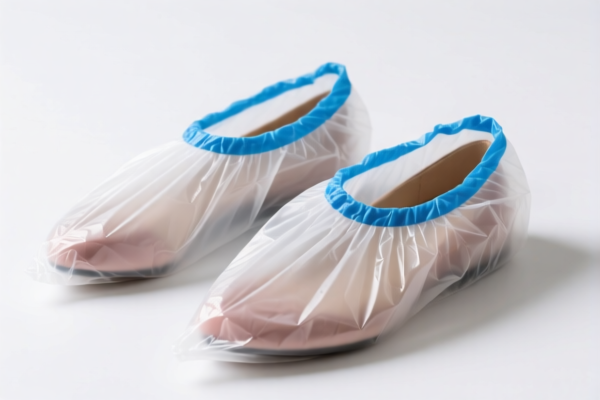
AI Analysis
👟 Disposable Shoe Covers (Disposable Shoe Covers for Single Use)
🌐 HS Code Reference & Customs Clearance Guide | 2026 Latest Tariff Analysis | Professional-Level通关 Strategy
📌 I. Product Definition & Classification: Do You Really Understand "Disposable Shoe Covers"?
Disposable shoe covers are protective garments worn over shoes to prevent contamination. They are commonly used in hospitals, cleanrooms, construction sites, and food processing plants. In international trade, they are primarily classified based on material (plastic vs. non-woven fabric) and form (finished article vs. raw plastic film).
Key Distinction Points: * Plastic Material (Polyethylene/PE): Often treated as "other plastic articles" or "footwear" depending on structure. * Non-Woven Fabric: Treated as "other made-up articles" of textile materials. * Critical Factor: Is it a simple bag-like cover (plastic) or a structured garment (non-woven)?
⚠️ Key Classification Logic:
- If made of Plastic and considered a simple protective overlay → Likely 3926.90.99.89 or 3926.20.10.20.
- If made of Non-Woven Fabric and considered a finished accessory → Likely 6307.90.98.91.
- If considered Footwear (less common for thin plastic) → 6405.90.20.00.
- If considered Plastic Film/Sheet application → 3921.90.19.10.
📦 II. HS Code Classification Details (2026 Latest Tariff Authority Comparison)
| HS Code | Product Description | Material/Form | Tax Detail (China Origin → USA) | Total Tax Rate |
|---|---|---|---|---|
3926.90.99.89 |
Other articles of plastics, not specified elsewhere | Plastic (PE/PP), simple bag-like cover | Base 5.3% + Sec 301 7.5% + Sec 122 10% | 22.8% |
6307.90.98.91 |
Other made-up articles, incl. patterns for dress or costume | Non-woven Fabric or Plastic, finished accessory | Base 7.0% + Sec 301 7.5% + Sec 122 10% | 24.5% |
3926.20.10.20 |
Of plastics, made up articles | Plastic, specific single-use plastic item | Base 0.0% + Sec 301 0.0% + Sec 122 10% | 10.0% |
3921.90.19.10 |
Other plates, sheets, film, foil & strip, of plastics | Plastic Film/Sheet, used as covering | Base 5.3% + Sec 301 25.0% + Sec 122 10% | 40.3% |
6405.90.20.00 |
Other footwear with outer soles of rubber/plastics | Plastic/Textile, classified as footwear | Base 3.8% + Sec 301 7.5% + Sec 122 10% | 21.3% |
🔍 Important Note:
- Section 301 Tariffs (7.5% - 25%): Apply to most Chinese-origin plastic/textile goods.
- Section 122 Tariffs (10%): Specific additional tariff for certain Chinese imports (often textiles/apparel related, but applied here per data).
- Rate Disparity:3926.20.10.20offers the lowest rate (10%) due to specific "de minimis" or preferential subheading treatment for certain plastic disposables, while3921.90.19.10is extremely high (40.3%) due to high Section 301 penalties (25%).
💰 III. 2026 Latest Tariff Rate Breakdown (Including Additional Taxes)
✅ Applicable Country: United States (US)
✅ Origin: China (CN)
✅ Effective Date: Current as of 2025/2026
🎯 1. 3926.90.99.89 —— Other Articles of Plastics (General Category)
| Item | Content |
|---|---|
| Base Tariff | 5.3% |
| Section 301 Surcharge | +7.5% |
| Section 122 Surcharge | +10.0% |
| Total Rate | 22.8% |
| Calculation | CIF Value × 22.8% |
| De Minimis Exemption | ❌ Not Available (Usually applies to lower-value shipments, but Section 301/122 often restricts this) |
| Legal Path | HTS:3926.90.99.89 → SEC301:7.5% → SEC122:10% |
📌 Explanation:
- This is the generic fallback for plastic items not specifically listed.
- Moderate tax burden. Suitable for standard plastic shoe covers if no better fit exists.
🎯 2. 6307.90.98.91 —— Other Made-Up Articles (Textile/Non-Woven)
| Item | Content |
|---|---|
| Base Tariff | 7.0% |
| Section 301 Surcharge | +7.5% |
| Section 122 Surcharge | +10.0% |
| Total Rate | 24.5% |
| Calculation | CIF Value × 24.5% |
| De Minimis Exemption | ❌ Not Available |
| Legal Path | HTS:6307.90.98.91 → SEC301:7.5% → SEC122:10% |
📌 Note:
- If your shoe covers are non-woven fabric (common in hospitals), this is the most logical classification.
- Slightly higher than plastic due to higher base tariff (7% vs 5.3%), but same additional tariffs.
🎯 3. 3926.20.10.20 —— Of Plastics, Specific Article (Lowest Tax Option)
| Item | Content |
|---|---|
| Base Tariff | 0.0% |
| Section 301 Surcharge | 0.0% |
| Section 122 Surcharge | +10.0% |
| Total Rate | 10.0% |
| Calculation | CIF Value × 10.0% |
| De Minimis Exemption | ❌ Not Available (Due to Sec 122) |
| Legal Path | HTS:3926.20.10.20 → SEC122:10% |
📌 Key Advantage:
- This is the most tax-efficient classification provided in the data.
- Requires justification that the item fits the specific subheading for "plastic made-up articles."
- No Section 301 penalty! This saves significant cost compared to other plastic classifications.
🎯 4. 3921.90.19.10 —— Plastic Plates, Sheets, Film (Highest Tax Risk)
| Item | Content |
|---|---|
| Base Tariff | 5.3% |
| Section 301 Surcharge | +25.0% |
| Section 122 Surcharge | +10.0% |
| Total Rate | 40.3% |
| Calculation | CIF Value × 40.3% |
| De Minimis Exemption | ❌ Not Available |
| Legal Path | HTS:3921.90.19.10 → SEC301:25% → SEC122:10% |
📌 Warning:
- Do NOT classify as "plastic film/plate" unless it's literally a roll of film.
- Shoe covers are "made-up articles," not raw film. Misclassification here leads to extreme penalties.
🎯 5. 6405.90.20.00 —— Other Footwear
| Item | Content |
|---|---|
| Base Tariff | 3.8% |
| Section 301 Surcharge | +7.5% |
| Section 122 Surcharge | +10.0% |
| Total Rate | 21.3% |
| Calculation | CIF Value × 21.3% |
| De Minimis Exemption | ❌ Not Available |
| Legal Path | HTS:6405.90.20.00 → SEC301:7.5% → SEC122:10% |
📌 Controversial:
- Shoe covers are rarely classified as "footwear" (which implies protection for the foot itself, not just contamination control).
- Risk of audit if challenged by CBP. Lower base tariff (3.8%) but same additional taxes.
🛠️ IV. Customs Clearance Practical Advice (Battle-Tested Pitfall Guide)
✅ 1. Required Documentation Checklist (Non-negotiable)
| Document | Required | Notes |
|---|---|---|
| ✅ Product Specification Sheet | ✔️ | Must state material (PE/PP/Non-woven), thickness, usage (medical/industrial). |
| ✅ Product Photos | ✔️ | Clear images of the item, showing it is a "cover" not a full shoe. |
| ✅ Bill of Lading / Commercial Invoice | ✔️ | Describe as "Disposable Plastic Shoe Covers" or "Non-Woven Shoe Covers," NOT "Plastic Film." |
| ✅ Material Test Report | ✔️ | If claiming non-woven, prove it's textile-based for 6307 classification. |
| ✅ Declaration of Intent | ✔️ | Confirm it is a single-use item, not footwear. |
✅ 2. Declaration Strategy (Key Mantra)
🔥 "Material Defines Code, Form Defines Rate, Avoid 'Film' Trap!"
| Scenario | Recommended HS Code | Why? |
|---|---|---|
| Plastic PE Shoe Covers | 3926.20.10.20 |
Lowest tax (10%), specific plastic article category. |
| Non-Woven Shoe Covers | 6307.90.98.91 |
Standard textile-made-up article category. |
| Generic Plastic Covers | 3926.90.99.89 |
Safe fallback if specific subheading doesn't apply. |
| Rolls of Plastic Film | 3921.90.19.10 |
Only if not cut/sewn into covers. High tax! |
✅ 3. Special Handling Cases
| Case | Advice |
|---|---|
| Medical Grade (N95/Sterile) | Ensure labeling meets FDA/CDC guidelines. Classification remains 3926 or 6307. |
| Bulk Rolls (Pre-cut) | If sold as rolls and not individually packaged, might be 3921. But if "made-up," use 3926. |
| Mixed Containers | If container has both plastic and non-woven, split declarations to optimize tax. |
| Origin: China | Always account for Section 301 and Section 122. No free trade agreement benefits apply. |
🌍 V. Global Market Comparison (2026)
| Market | Recommended HS Code | Est. Total Tax (China) | Key Requirement |
|---|---|---|---|
| 🇺🇸 USA | 3926.20.10.20 |
10.0% | Section 301 & 122 apply. Avoid 3921. |
| 🇨🇳 China (Import) | 6405.90.20.00 |
~10-15% | Varies by Chinese tariff schedule. |
| 🇪🇺 EU | 3926.90.99 |
~6.5% | No Section 301/122. Standard MFN rates. |
| 🇬🇧 UK | 3926.90.99 |
~6.5% | Post-Brexit standard rates. |
| 🇯🇵 Japan | 3926.90.90 |
~5-10% | Lower base tariffs, no US-style surcharges. |
📌 Conclusion:
- USA is the most complex market due to Section 301 and 122 tariffs.
- Optimization is critical: Choosing3926.20.10.20saves 15-30% compared to other plastic classifications.
- Avoid3921unless you are importing raw plastic rolls, not finished covers.
📌 VI. Common Errors & Pitfalls (Lessons Learned)
❌ Error 1: Classifying plastic shoe covers as "Plastic Film" (3921)
👉 Consequence: 40.3% Tax! (Due to 25% Section 301).
✅ Fix: Classify as "Made-up Article" (3926).
❌ Error 2: Mixing plastic and non-woven in one HS Code
👉 Consequence: Customs audit, potential fines for misdeclaration.
✅ Fix: Separate shipments or split invoice by material.
❌ Error 3: Ignoring Section 122 Tariffs
👉 Consequence: Unexpected 10% hit on every shipment.
✅ Fix: Budget for 10% Sec 122 on all textile/plastic goods from China to US.
❌ Error 4: Calling them "Footwear" (6405)
👉 Consequence: CBP may reclassify to 3926 or 6307 with penalties for incorrect description.
✅ Fix: Use accurate terms: "Disposable Protective Shoe Covers."
🎯 VII. Conclusion: Precision Saves Money!
🎯 Remember:
🔹 "Plastic? Try 3926.20.10.20 for 10%. Non-Woven? 6307.90.98.91. Never use 3921 for covers!"
🔹 "HS Code Choice = 10% vs 40% Tax Difference. Don't Leave Money on the Table."
📌 Pro Tip:
If you are importing large volumes, consider applying for an Exclusion from Section 301 tariffs (if available for your specific product type) or consult a customs broker for a Binding Ruling to secure the 3926.20.10.20 classification legally.
📣 Immediate Action:
📞 Engage a Customs Broker + Provide Material Specs + Apply for Advance Ruling
🚀 Clear Goods Faster, Pay Less Duty, Profit More!
✨ Professional Customs Clearance Starts with Accurate Classification!
💼 Every Percent of Duty Saved is Pure Profit!
Customer Reviews
About HS Code Classification
The Harmonized System (HS) is an internationally standardized nomenclature developed by the World Customs Organization (WCO) to classify traded products. Over 200 countries use the HS system as the basis for customs tariffs, trade statistics, and import/export regulations.
Each HS code follows a hierarchical structure:
- Chapter (2 digits) — Broad category of goods (e.g., Chapter 84: Machinery and Mechanical Appliances)
- Heading (4 digits) — More specific grouping within the chapter
- Subheading (6 digits) — Internationally standardized breakdown, used by all WCO member countries
- National subdivisions (8-10 digits) — Country-specific extensions for further classification, such as US HTSUS 10-digit codes
Correct HS code classification is essential for smooth customs clearance, accurate duty payment, and compliance with trade regulations. Misclassification can lead to customs delays, overpayment of duties, or penalties.
When importing from CN to US, the applicable tariff rates may include:
- Most-Favored-Nation (MFN) rate — The standard duty rate applied to WTO members
- General rate — Applied to countries without trade agreements
- Trade remedy duties — Additional tariffs such as Section 301 (anti-dumping), Section 232 (national security), or countervailing duties
The information provided on this page is for reference purposes only. For official classification, please consult with your local customs authority or a licensed customs broker.