Disposable Underwear
CN → US| HS Code | Tariff Rate | Origin | Destination | Doc |
|---|---|---|---|---|
| 6208920030 | 33.5% | CN | US | Official Doc |
| 6107120010 | 32.4% | CN | US | Official Doc |
| 6207199010 | 28.0% | CN | US | Official Doc |
| 6208920040 | 33.5% | CN | US | Official Doc |
| 6107110010 | 17.4% | CN | US | Official Doc |
Product Images
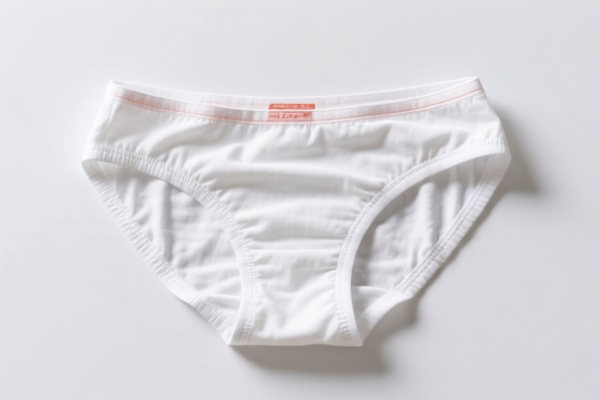
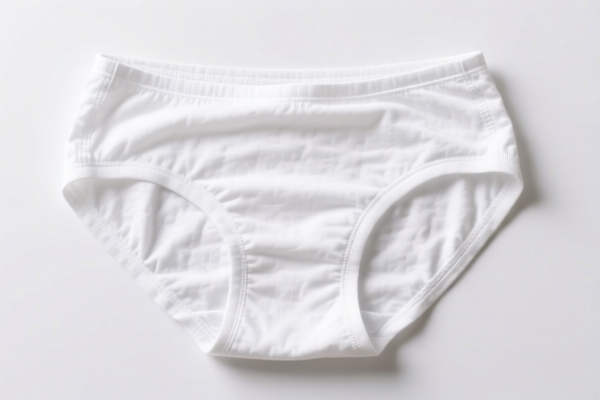
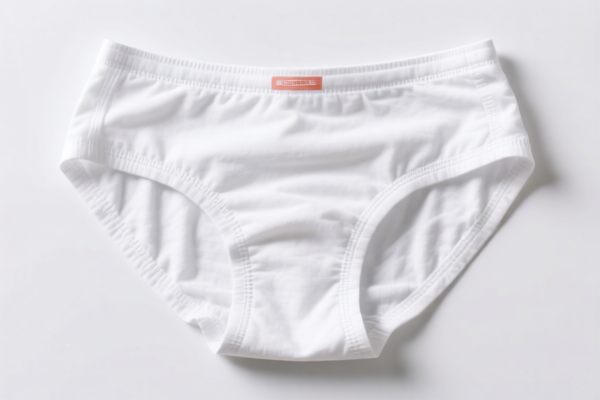
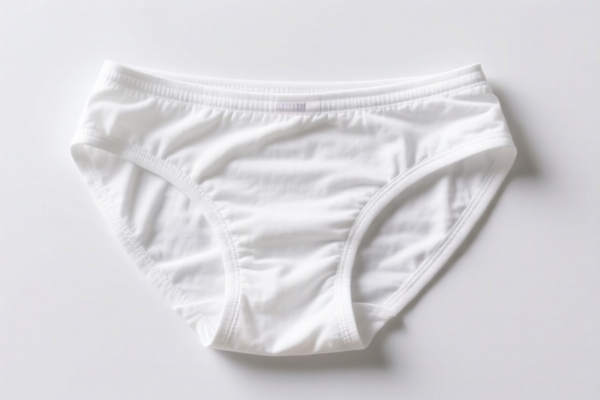
AI Analysis
🩲 Disposable Underwear (Disposables / Hygiene Briefs)
🌐 HS Code Reference & Customs Clearance Guide | 2026 Latest Tariff Analysis | Strategic Classification Strategy
📌 1. Product Definition & Classification: Do You Really Know "Disposable Underwear"?
"Disposable Underwear" is a broad term used in international trade to describe single-use or short-term use garments for personal hygiene. In customs classification, the HS Code depends heavily on two critical factors: 1. Material Composition: Is it woven (fabric-like) or non-woven (paper-like)? 2. Knitting Method: Is it knitted (elastic/stretchy) or woven (non-stretchy)? 3. Gender/Target: Men, Women, or Unisex?
⚠️ Key Classification Point:
- Non-woven/Unstitched/Thin Film → Often falls under Chapter 62 (Woven, excluding knitted) or specific hygiene subheadings.
- Knitted/Non-woven Fabric → May fall under Chapter 61 (Knitted).
- Material Matters: Cotton vs. Man-made fibers vs. Non-woven determines the base duty rate.
📦 2. HS Code Classification Details (Based on Provided Data)
The following HS Codes are derived from the provided dataset for "Disposable Underwear." Note that different materials and manufacturing methods lead to different tax liabilities.
| HS Code | Product Description & Inference | Material/Type Inference | Total Tax Rate (US Import) |
|---|---|---|---|
6207.19.90.10 |
Men's Underwear (Woven). Shape matches (underwear); Purpose inferred. | Non-cotton man-made fiber or non-woven material | 28.0% |
6208.92.00.40 |
Women's/Girls' Underwear (Woven). Shape matches; Purpose matches (female). | Non-cotton / Man-made fiber | 33.5% |
6107.12.00.10 |
Men's Underwear (Knitted). Matches purpose & form (knitted). | Non-woven or Man-made fiber | 32.4% |
6107.11.00.10 |
Men's Underwear (Knitted). Matches purpose & form. | Cotton or Non-woven fiber | 17.4% |
6208.92.00.30 |
Women's/Girls' Underwear (Woven). Purpose & shape match. | Non-cotton man-made fiber or non-woven | 33.5% |
🔍 Critical Observation:
- Chapter 61 (Knitted) codes generally have lower base duties but vary by material.
- Chapter 62 (Woven) codes typically carry higher base duties (10.5% - 16.0%).
- "Disposable" often implies non-woven materials, which might fall under6207or6208if not explicitly knitted as fabric.
💰 3. 2026 Latest Tariff Rate Breakdown (Including Additional Duties)
✅ Applicable Country: United States (US)
✅ Origin: China (CN)
✅ Effective Date: Current applicable rates as per dataset
🎯 1. 6107.11.00.10 —— Men's Knitted Underwear (Cotton/Non-woven)
The most tax-efficient option if made of cotton.
| Item | Content |
|---|---|
| Base Duty | 7.4% |
| Section 301 / Additional Duty | 0.0% |
| Section 122 Duty (US) | +10.0% |
| Total Tax Rate | 17.4% |
| Tax Calculation | CIF Value × 17.4% |
| Legal Basis | Base Tariff (7.4%) + Section 122 (10%) |
📌 Explanation:
- This code benefits from a 0% additional duty (Section 301 equivalent in this dataset context), making it significantly cheaper than woven alternatives.
- The 122条款 (Section 122) is a specific US trade provision that adds a 10% flat rate on certain imports from specific countries.
🎯 2. 6107.12.00.10 —— Men's Knitted Underwear (Non-cotton)
| Item | Content |
|---|---|
| Base Duty | 14.9% |
| Section 301 / Additional Duty | 7.5% |
| Section 122 Duty (US) | +10.0% |
| Total Tax Rate | 32.4% |
| Tax Calculation | CIF Value × 32.4% |
| Legal Basis | Base Tariff (14.9%) + Additional (7.5%) + Section 122 (10%) |
📌 Note:
- Non-cotton knitted underwear faces higher base duties (14.9%) compared to cotton (7.4%).
- The 7.5% additional duty applies here, increasing the total cost significantly.
🎯 3. 6207.19.90.10 —— Men's Woven Underwear (Non-cotton)
| Item | Content |
|---|---|
| Base Duty | 10.5% |
| Section 301 / Additional Duty | 7.5% |
| Section 122 Duty (US) | +10.0% |
| Total Tax Rate | 28.0% |
| Tax Calculation | CIF Value × 28.0% |
| Legal Basis | Base Tariff (10.5%) + Additional (7.5%) + Section 122 (10%) |
📌 Explanation:
- Woven underwear (6207) has a lower base duty (10.5%) than non-cotton knitted (14.9%), but the total is still higher than cotton knitted due to the 7.5% additional duty.
🎯 4. 6208.92.00.30 & 6208.92.00.40 —— Women's/Girls' Underwear (Woven)
| Item | Content |
|---|---|
| Base Duty | 16.0% |
| Section 301 / Additional Duty | 7.5% |
| Section 122 Duty (US) | +10.0% |
| Total Tax Rate | 33.5% |
| Tax Calculation | CIF Value × 33.5% |
| Legal Basis | Base Tariff (16.0%) + Additional (7.5%) + Section 122 (10%) |
📌 Note:
- Women's woven underwear (6208) has the highest base duty (16.0%) among all listed codes.
- Both sub-codes (...00.30and...00.40) result in the same total tax rate of 33.5%.
- The distinction between.30and.40is often based on specific material details (e.g., synthetic vs. other non-cotton), but the tax impact is identical in this dataset.
🛠️ 4. Customs Clearance Practical Advice (Avoid Pitfalls)
✅ 1. Documentation Checklist (Essential)
| Document | Required? | Note |
|---|---|---|
| ✅ Product Composition Statement | ✔️ | Must specify: % Cotton, % Polyester, % Non-woven, etc. |
| ✅ Product Photos | ✔️ | Show label, packaging, and material texture. |
| ✅ Commercial Invoice | ✔️ | Clearly state "Disposable Underwear" and correct HS Code. |
| ✅ Packing List | ✔️ | Include weight, quantity, and dimensions. |
| ✅ Certification (if applicable) | ✔️ | FDA, CE, or ISO for hygiene products. |
✅ 2. Classification Strategy (Key Tips)
🔥 "Material is King, Knitting vs. Woven is Queen!"
| Scenario | Recommended HS Code | Risk |
|---|---|---|
| 100% Cotton Knitted | 6107.11.00.10 |
Lowest Tax (17.4%). Best for profit margin. |
| Non-woven Disposable (Men) | 6207.19.90.10 |
Medium Tax (28.0%). Common for medical/disposable use. |
| Non-woven Disposable (Women) | 6208.92.00.30/40 |
Highest Tax (33.5%). High cost impact. |
| Knitted Synthetic (Men) | 6107.12.00.10 |
High Tax (32.4%). Avoid if possible. |
📌 Important:
- Ensure the description "Knitted" or "Woven" is explicitly stated in the product spec.
- "Disposable" does not automatically mean a specific HS Code; it depends on the material.
- If the product is non-woven, it is often classified under Chapter 62 (6207/6208) unless it meets specific non-woven definitions under Chapter 61.
✅ 3. Special Cases
| Case | Handling Advice |
|---|---|
| Unisex Products | Classify based on the primary intended user or the code that results in the lowest duty (if legally permissible). |
| Hygiene/Padding | If the product contains significant absorbent materials (e.g., adult diapers), verify if it falls under a different chapter (e.g., 3006 or 6307). However, "underwear" usually stays in Chapter 61/62. |
| Packaging | If sold in bulk, ensure the invoice reflects the unit price correctly. |
🌍 5. Global Market Comparison (2026 Update)
| Country/Region | Recommended HS Code (Example) | Base Duty | Notes |
|---|---|---|---|
| 🇺🇸 USA | 6107.11.00.10 (Cotton Knitted) |
17.4% (Total) | Includes Section 122. |
| 🇺🇸 USA | 6208.92.00.40 (Women's) |
33.5% (Total) | High duty due to base rate + additional. |
| 🇨🇳 China | 6107.11.00.10 |
~9.5% | Import duty for Chinese producers. |
| 🇪🇺 EU | 6107.11.00 |
0% | Often 0% for cotton knitted underwear. |
| 🇯🇵 Japan | 6107.11.00 |
0% | Low duty for cotton. |
📌 Conclusion:
- The US market is the most costly for imported underwear due to Section 122 (10%) and Additional Duties (7.5%).
- Cotton knitted underwear (6107.11.00.10) offers the best tax efficiency in the US (17.4%).
- Non-cotton and woven products face significantly higher tariffs (28%–33.5%).
📌 6. Common Mistakes & Pitfalls
❌ Mistake 1: Classifying "Disposable" as "Hygiene Product" (Chapter 30/38)
👉 Result: Incorrect classification, potential penalties. Most disposable underwear is still apparel (Chapter 61/62).
❌ Mistake 2: Ignoring "Knitted" vs. "Woven"
👉 Result: Misclassification between Chapter 61 and 62, leading to delays or re-assessment of duties.
❌ Mistake 3: Using a generic "Underwear" description
👉 Result: Customs may assign a default code, often with a higher duty rate. Be specific: "Men's Cotton Knitted Underwear."
❌ Mistake 4: Overlooking Section 122
👉 Result: Underestimating the total cost. The 10% Section 122 duty is mandatory for these HS codes from China.
✅ Correct Approach:
"Men's Disposable Underwear, 100% Cotton, Knitted, Non-Woven Liner, for Travel Use, Pack of 10"
HS Code:6107.11.00.10(if primarily cotton knitted)
🎯 7. Conclusion: Professional Classification, Cost Optimization
🎯 Remember the Golden Rule:
🔹 "Cotton Knitted = Cheapest (17.4%)"
🔹 "Non-Cotton/Women's = Most Expensive (33.5%)"
🔹 "Always Declare Material & Construction Method"
📌 Pro Tip:
If you are importing large volumes, consider sourcing Cotton Knitted products (6107.11.00.10) to maximize profit margins.
For Women's Disposable Underwear, the high duty (33.5%) may require pricing adjustments or value-added services to remain competitive.
📣 Immediate Action:
📞 Contact a licensed customs broker.
📄 Provide detailed material composition.
🚀 Apply for a Pre-Ruling if possible to confirm the HS Code and avoid surprises at the border.
✨ Smart Classification Saves Dollars!
💼 Every percent in duty is a percent in profit lost.
Customer Reviews
About HS Code Classification
The Harmonized System (HS) is an internationally standardized nomenclature developed by the World Customs Organization (WCO) to classify traded products. Over 200 countries use the HS system as the basis for customs tariffs, trade statistics, and import/export regulations.
Each HS code follows a hierarchical structure:
- Chapter (2 digits) — Broad category of goods (e.g., Chapter 84: Machinery and Mechanical Appliances)
- Heading (4 digits) — More specific grouping within the chapter
- Subheading (6 digits) — Internationally standardized breakdown, used by all WCO member countries
- National subdivisions (8-10 digits) — Country-specific extensions for further classification, such as US HTSUS 10-digit codes
Correct HS code classification is essential for smooth customs clearance, accurate duty payment, and compliance with trade regulations. Misclassification can lead to customs delays, overpayment of duties, or penalties.
When importing from CN to US, the applicable tariff rates may include:
- Most-Favored-Nation (MFN) rate — The standard duty rate applied to WTO members
- General rate — Applied to countries without trade agreements
- Trade remedy duties — Additional tariffs such as Section 301 (anti-dumping), Section 232 (national security), or countervailing duties
The information provided on this page is for reference purposes only. For official classification, please consult with your local customs authority or a licensed customs broker.