Dithiocarbamate Fungicide (Retail Packaging)
CN → US| HS Code | Tariff Rate | Origin | Destination | Doc |
|---|---|---|---|---|
| 2934991200 | 16.5% | CN | US | Official Doc |
| 3808922400 | 35.0% | CN | US | Official Doc |
| 3808925040 | 40.0% | CN | US | Official Doc |
| 2934990900 | 10.0% | CN | US | Official Doc |
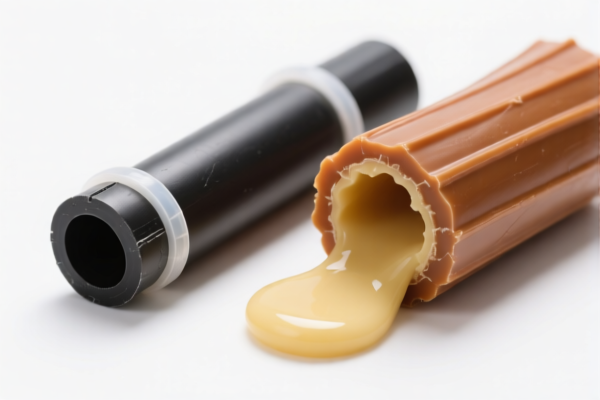
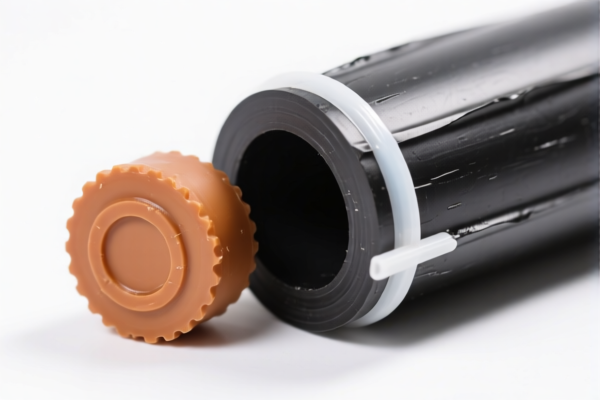
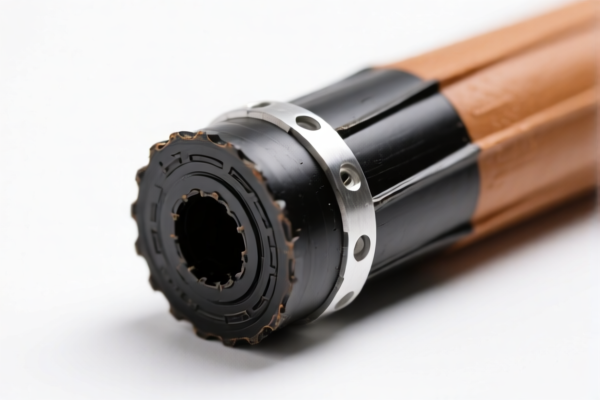
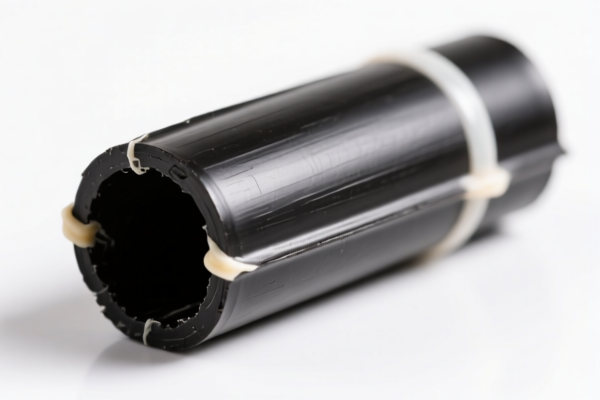
Product Images
AI Analysis
🍄 Dithiocarbamate Fungicide (Retail Packaging)
📦 HS Code Classification & 2026 US Customs Tariff Guide | Professional Clearance Strategy
🌐 Executive Summary: The IPBC Connection
When importing Dithiocarbamate Fungicide (Retail Packaging) into the United States, the primary challenge is distinguishing between the active ingredient's chemical structure and its final formulation as a pesticide.
The data provided highlights that IPBC (Iodopropynyl butylcarbamate) is often compared or confused with Dithiocarbamates. However, the classification strictly depends on whether the product is treated as a Chemical Compound (Chapter 29) or a Prepared Pesticide (Chapter 38). The tax burden varies drastically from 10.0% to 40.0% based on this distinction.
⚠️ Critical Warning: Misclassification between Chapter 29 (Chemicals) and Chapter 38 (Pesticides) can lead to significant duty differentials (up to 30%+) and potential customs audits for fraud or negligence.
📊 HS Code Classification Matrix (2026 Data Analysis)
Below are the four potential HS Codes identified for this product category, along with their specific tax implications and logical justifications.
| HS Code | Classification Logic | Total Tax Rate | Tax Breakdown |
|---|---|---|---|
| 2934.99.09.00 | Best Cost Option: Classified as a Heterocyclic Compound. IPBC/Dithiocarbamates share structural similarities with heterocyclic rings. Since it lacks specific retail pesticide formulation details in this view, it falls under general chemicals. |
10.0% | • Base: 0.0% • Add-on: 0.0% • Section 301 (122 Clause): 10.0% |
| 2934.99.12.00 | Chemical Fungicide: Classified as an Agricultural Fungicide (Heterocyclic Compound). Similar to Dithiocarbamate, it is a fungicide but differs in material/chemical composition. It retains its chemical nature rather than being a "preparation." |
16.5% | • Base: 6.5% • Add-on: 0.0% • Section 301 (122 Clause): 10.0% |
| 3808.92.24.00 | Standard Retail Pesticide: Classified as Retail-Packaged Organic Fungicide. Focuses on the use (fungicide) and form (retail packaging). Ingredients differ from pure Dithiocarbamates, but the function is identical. |
35.0% | • Base: 0.0% • Add-on: 25.0% (Section 301) • Section 301 (122 Clause): 10.0% |
| 3808.92.50.40 | Specific IPBC Formulation: Classified as Retail-Packaged Fungicide containing Specific IPBC. Targeted at products where IPBC is the defining specific ingredient. Highest duty burden due to specific inclusion criteria. |
40.0% | • Base: 5.0% • Add-on: 25.0% (Section 301) • Section 301 (122 Clause): 10.0% |
📌 Data Note: The entry for
3808.92.24.00appears twice in the source data with identical details, confirming it as a standard classification for general retail organic fungicides.
💰 Detailed Tariff Structure & Legal Basis
All calculations assume Origin: China (CN) and Destination: USA (US) under current 2026 trade policies.
🎯 1. The "Chemical" Route: Chapters 29 (Lowest Duty)
Target HS Codes: 2934.99.09.00 and 2934.99.12.00
- Logic: These codes classify the substance by its molecular structure (Heterocyclic compounds) rather than its end-use as a pesticide.
- Tax Breakdown:
- Base Duty: 0% - 6.5%
- Section 301 Add-on: 0% (For
...09.00) or 0% (For...12.00) - Section 122 Clause (10%): This is a specific additional tariff applied to these chemical classifications.
- Strategic Advantage:
2934.99.09.00offers the lowest total duty at 10.0%. This is only viable if the product can be scientifically justified as a raw heterocyclic compound or a specific chemical intermediate, rather than a formulated retail pesticide.
🎯 2. The "Pesticide Preparation" Route: Chapter 38 (Highest Duty)
Target HS Codes: 3808.92.24.00 and 3808.92.50.40
- Logic: These codes classify the substance by its function (Fungicide) and packaging (Retail). Once mixed with carriers or sold in retail-ready packaging, EPA regulations typically require Chapter 38 classification.
- Tax Breakdown:
- Base Duty: 0% - 5.0%
- Section 301 Add-on: 25.0% (Crucial factor). This is the standard "Trade War" tariff for fungicides.
- Section 122 Clause (10%): Additional layer of taxation.
- Strategic Disadvantage: The 25% Section 301 tariff makes these codes significantly more expensive.
3808.92.50.40is the most expensive at 40.0% due to the 5% base duty on top of the 25% + 10% surcharges.
🛠️ Customs Clearance Advice & Risk Mitigation
✅ 1. Documentation Requirements (Mandatory)
To clear customs under any of these HS codes, you must provide: * EPA Registration Number: Mandatory for all Chapter 38 pesticide imports. Without this, the shipment will be rejected by CBP. * MSDS / SDS (Safety Data Sheet): Detailing the chemical composition, especially if claiming Chapter 29 classification. * Commercial Invoice: Must clearly state: * Product Name (e.g., "IPBC Fungicide Formulation") * HS Code * Country of Origin * Value * Labeling Compliance: Retail packaging must comply with EPA labeling requirements (active ingredients, net weight, precautionary statements).
✅ 2. Classification Strategy: How to Choose?
| Scenario | Recommended HS Code | Why? |
|---|---|---|
| Raw Chemical Powder (Not mixed, not for direct retail use) | 2934.99.09.00 | Lowest Cost (10%). Justify as a heterocyclic chemical compound, not a prepared pesticide. |
| Standard Retail Fungicide (Generic mix) | 3808.92.24.00 | Standard Practice. If EPA requires it to be labeled as a pesticide, this is the safe, standard route despite the 35% duty. |
| Specific IPBC Product (Marketed explicitly on IPBC content) | 3808.92.50.40 | Compliance. If the product formulation specifically highlights IPBC as a unique selling point, this code may be required by EPA guidelines, leading to 40% duty. |
| Agricultural Chemical Grade (Industrial bulk) | 2934.99.12.00 | Moderate Cost (16.5%). If it's an agricultural fungicide but not in "retail packaging," this might apply. |
⚠️ 3. Critical Pitfalls to Avoid
- ❌ Misdeclaring "Retail Packaging": If you label the product as "Retail Packaging" but declare it under Chapter 29 (Chemicals), CBP will suspect fraud. Chapter 29 is for chemicals per se, while Chapter 38 is for preparations.
- ❌ Ignoring EPA Registration: Importing fungicides without an EPA registration number is a federal violation. The goods will be seized.
- ❌ Confusing Dithiocarbamates with IPBC: While they are both fungicides, their chemical structures differ. Ensure the SDS accurately reflects the active ingredient. If the product is actually Dithiocarbamate but declared as IPBC, you face penalties.
- ❌ Overlooking Section 301: The 25% add-on tax in Chapter 38 is non-negotiable for Chinese origin goods. Do not assume it can be avoided by slight re-classification unless the chemical nature truly justifies Chapter 29.
🌍 Global Market Context (2026)
- 🇺🇸 United States: High scrutiny on pesticide imports. Duty rates range from 10% to 40%. EPA compliance is the bottleneck.
- 🇨🇳 China (Export): No additional export duties for these chemicals, but domestic environmental regulations are tightening.
- 🇪🇺 EU: Different HS codes apply (e.g., 3808.91 for insecticides/fungicides). EU duties are generally lower (0-5%) but require strict REACH compliance.
- 🇯🇵 Japan: Requires JECFA or MHLW approval for agricultural chemicals. Duties are typically low (0-5%).
💡 Pro Tip: If you are importing raw IPBC for further formulation in the US, declare it under 2934.99.09.00 (10% duty). If you are importing finished retail bottles, you must declare under 3808.92.24.00 or 3808.92.50.40 (35-40% duty).
📌 Conclusion & Action Plan
- Audit Your Product: Is it a raw chemical or a formulated retail pesticide?
- Check EPA Registration: Ensure the EPA Reg. No. matches the product.
- Select HS Code:
- For lowest duty and if structurally justifiable: 2934.99.09.00 (10%).
- For standard retail fungicides: 3808.92.24.00 (35%).
- Prepare Documentation: SDS, Invoice, EPA Label, Bill of Lading.
- Consult a Customs Broker: Given the 30% tax differential, a professional pre-classification ruling is highly recommended to avoid audits.
🚀 Smart Customs, Higher Margins.
📩 Need help with EPA labeling or HS Code pre-rulings? Contact your customs specialist today!
Customer Reviews
About HS Code Classification
The Harmonized System (HS) is an internationally standardized nomenclature developed by the World Customs Organization (WCO) to classify traded products. Over 200 countries use the HS system as the basis for customs tariffs, trade statistics, and import/export regulations.
Each HS code follows a hierarchical structure:
- Chapter (2 digits) — Broad category of goods (e.g., Chapter 84: Machinery and Mechanical Appliances)
- Heading (4 digits) — More specific grouping within the chapter
- Subheading (6 digits) — Internationally standardized breakdown, used by all WCO member countries
- National subdivisions (8-10 digits) — Country-specific extensions for further classification, such as US HTSUS 10-digit codes
Correct HS code classification is essential for smooth customs clearance, accurate duty payment, and compliance with trade regulations. Misclassification can lead to customs delays, overpayment of duties, or penalties.
When importing from CN to US, the applicable tariff rates may include:
- Most-Favored-Nation (MFN) rate — The standard duty rate applied to WTO members
- General rate — Applied to countries without trade agreements
- Trade remedy duties — Additional tariffs such as Section 301 (anti-dumping), Section 232 (national security), or countervailing duties
The information provided on this page is for reference purposes only. For official classification, please consult with your local customs authority or a licensed customs broker.