Divided Tray
CN → US| HS Code | Tariff Rate | Origin | Destination | Doc |
|---|---|---|---|---|
| 6911104100 | 16.3% | CN | US | Official Doc |
| 6911108010 | 38.3% | CN | US | Official Doc |
| 3924104000 | 13.4% | CN | US | Official Doc |
| 3924103000 | 22.8% | CN | US | Official Doc |
| 7323999030 | 88.4% | CN | US | Official Doc |
Product Images
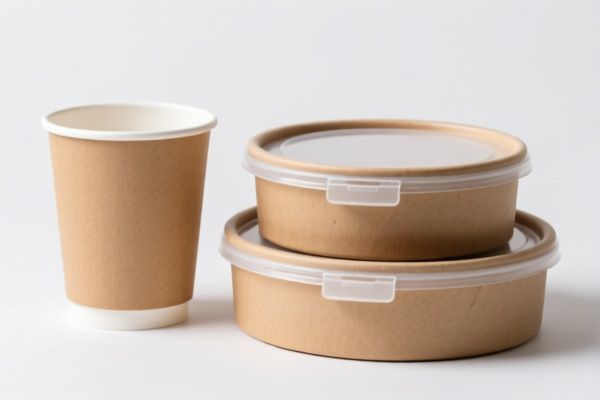
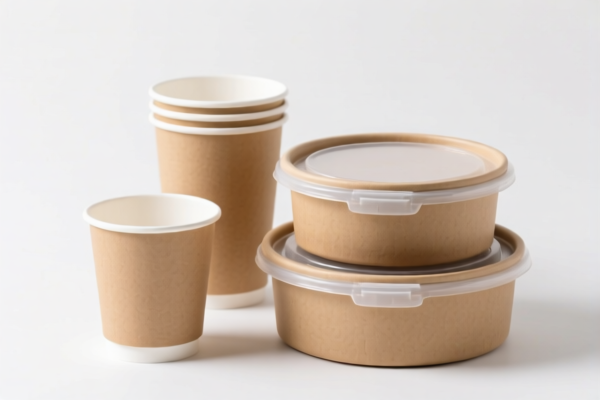
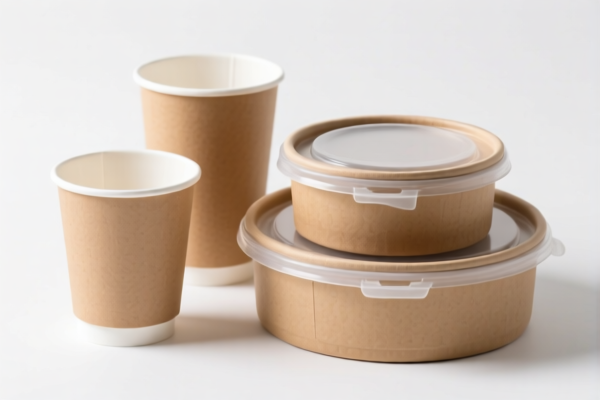
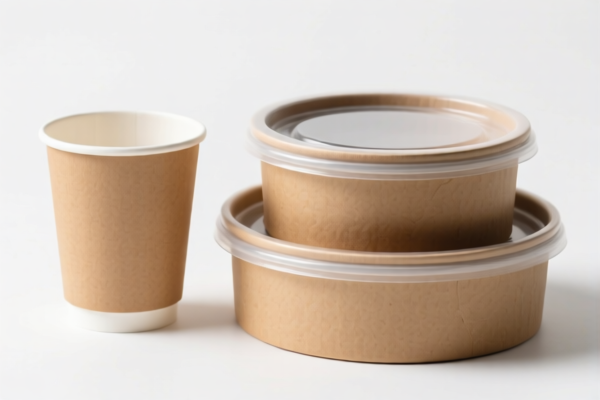
AI Analysis
🍽️ Divided Tray (分格盘) | HS Code Classification & US Customs Clearance Guide 2026
🌐 HS Code Reference & Clearance Strategy | 2026 Latest Tariff Analysis | Professional Entry Guide
📌 I. Product Definition & Classification: What Exactly is a "Divided Tray"?
A Divided Tray (commonly known as a compartmentalized plate or tray) is a tableware item used for serving or holding food, where the surface is separated into distinct sections. In international trade and US customs classification, the critical determinant for the correct HS Code is the Material Composition.
There are three primary material categories for divided trays:
1. Ceramic Divided Trays:
Made from baked clay/ceramics. These fall under Chapter 69. They are rigid, brittle, and typically used for hot food service.
2. Plastic Divided Trays:
Made from polymers (e.g., PP, PE, ABS). These fall under Chapter 39. They are lightweight, durable, and often used for children’s meals, cafeteria lines, or takeout.
3. Metal/Steel Divided Trays:
Made from iron, steel, aluminum, or copper. These fall under Chapter 73. These are robust, heat-resistant, and often used in institutional or industrial kitchens.
⚠️ Key Distinction Point:
- If made of Ceramic → Chapter 69 (6911)
- If made of Plastic → Chapter 39 (3924)
- If made of Steel/Metal → Chapter 73 (7323)Do not confuse "Divided Tray" with "Plates" or "Bowls" unless the structure is explicitly flat/tray-like. The "Divided/Compartmentalized" nature does not change the chapter, but the material does.
📦 II. HS Code Classification Details (2026 Official Tariff Reference)
Based on the provided data, here are the exact HS Codes, summaries, and tax implications for Divided Trays under US Customs regulations.
| HS Code | Material | Product Summary & Match Logic | Total Tax Rate | Tax Detail Breakdown |
|---|---|---|---|---|
6911.10.41.00 |
Ceramic | Summary: Classified as tableware/kitchenware. Material is ceramic (non-metal). Matches the form and use of a divided tray. | 16.3% | Base Tariff: 6.3% Addl. Tariff: 0.0% Section 301/122 Clause: 10% |
6911.10.80.10 |
Ceramic | Summary: Food-contact vessel (plate type). Material is ceramic or plastic (note: summary text mentions plastic, but code 6911 is strictly ceramic/porcelain). Fits food contact use. | 38.3% | Base Tariff: 20.8% Addl. Tariff: 7.5% Section 301/122 Clause: 10% |
3924.10.40.00 |
Plastic | Summary: Use as tableware. Material inferred as plastic. Matches tableware/divided tray use with no material conflict. | 13.4% | Base Tariff: 3.4% Addl. Tariff: 0.0% Section 301/122 Clause: 10% |
3924.10.30.00 |
Plastic | Summary: Form is a tray category. Material inferred as plastic. Use matches tableware and kitchen goods. | 22.8% | Base Tariff: 5.3% Addl. Tariff: 7.5% Section 301/122 Clause: 10% |
7323.99.90.30 |
Steel/Metal | Summary: Use for holding food. Fits kitchen/dining definition. Material inferred as metal/plastic. No conflict with steel products. | 88.4% | Base Tariff: 3.4% Addl. Tariff: 25.0% Section 301/122 Clause: 10% Steel/Aluminum/Copper Addl.: 50% |
🔍 Critical Observation:
- Plastic trays generally enjoy lower base tariffs but vary significantly based on whether they are classified as "Plates" (.40) or "Trays" (.30).
- Steel trays incur the highest total tax burden due to the 50% Steel/Aluminum/Copper additional tariff.
- Ceramic trays have a wide variance (16.3% vs 38.3%) depending on the specific subheading (.41vs.80.10), likely due to differences in porcelain quality or specific food-contact certifications.
💰 III. 2026 Latest Tariff Rate Breakdown (Including Surcharges)
✅ Applicable Country: United States (US)
✅ Origin: China (CN) (Implied by "Section 122" and high additional tariffs)
✅ Effective Time: Current rates as per provided data
🎯 1. 6911.10.41.00 – Ceramic Divided Tray (Standard)
| Item | Content |
|---|---|
| Base Tariff | 6.3% (Ad Valorem) |
| USITC Addl. Tariff | 0.0% |
| Section 122 / China Tariff | +10% |
| Total Rate | 16.3% |
| Tax Calculation | CIF Value × 16.3% |
| De Minimis Eligibility | ❌ No (Value > $800 triggers duties) |
📌 Explanation:
- This is the most cost-effective option for Ceramic divided trays.
- The low base tariff (6.3%) combined with a moderate 10% surcharge makes it competitive.
🎯 2. 6911.10.80.10 – Ceramic Divided Tray (High Tariff Category)
| Item | Content |
|---|---|
| Base Tariff | 20.8% |
| USITC Addl. Tariff | +7.5% |
| Section 122 / China Tariff | +10% |
| Total Rate | 38.3% |
| Tax Calculation | CIF Value × 38.3% |
| De Minimis Eligibility | ❌ No |
📌 Warning:
- This code carries a significantly higher base tariff (20.8%).
- Do not use this code unless the product’s specific characteristics (e.g., decorative vs. utilitarian) mandate it. Misclassification here leads to massive overpayment.
🎯 3. 3924.10.40.00 – Plastic Divided Tray (Plates Category)
| Item | Content |
|---|---|
| Base Tariff | 3.4% |
| USITC Addl. Tariff | 0.0% |
| Section 122 / China Tariff | +10% |
| Total Rate | 13.4% |
| Tax Calculation | CIF Value × 13.4% |
| De Minimis Eligibility | ❌ No |
📌 Advantage:
- Lowest Total Tax Rate for plastic items among the options.
- Suitable for general-purpose plastic divided trays (e.g., school lunches, takeout).
🎯 4. 3924.10.30.00 – Plastic Divided Tray (Trays Category)
| Item | Content |
|---|---|
| Base Tariff | 5.3% |
| USITC Addl. Tariff | +7.5% |
| Section 122 / China Tariff | +10% |
| Total Rate | 22.8% |
| Tax Calculation | CIF Value × 22.8% |
| De Minimis Eligibility | ❌ No |
📌 Caution:
- Classified as a "Tray" rather than a "Plate," it incurs an additional 7.5% USITC tariff.
- Only use this if the product’s design is explicitly a "serving tray" rather than an individual "plate."
🎯 5. 7323.99.90.30 – Steel/Metal Divided Tray
| Item | Content |
|---|---|
| Base Tariff | 3.4% |
| USITC Addl. Tariff | +25.0% |
| Section 122 / China Tariff | +10% |
| Steel/Al/Cu Addl. Tariff | +50% |
| Total Rate | 88.4% |
| Tax Calculation | CIF Value × 88.4% |
| De Minimis Eligibility | ❌ No |
📌 CRITICAL ALERT:
- Highest Tax Burden: 88.4% total tariff.
- The 50% Steel/Aluminum/Copper additional tariff is the primary driver.
- Importing steel divided trays from China is extremely costly. Consider plastic or ceramic alternatives to save ~60%+ in duties.
🛠️ IV. Customs Clearance Operational Advice (Practical Pitfall Guide)
✅ 1. Required Documentation Checklist
| Document | Mandatory? | Description |
|---|---|---|
| ✅ Product Spec Sheet | ✔️ | Must clearly state Material (Ceramic, Plastic, or Steel). |
| ✅ Product Photos | ✔️ | Show compartments/dividers. Label must show "Divided Tray" or "Compartment Plate." |
| ✅ Commercial Invoice | ✔️ | Describe as "Plastic Divided Tray" or "Ceramic Serving Plate." Avoid vague terms like "Kitchenware" alone. |
| ✅ Material Declaration | ✔️ | Crucial for determining Chapter 39, 69, or 73. |
| ✅ Food Contact Certification | ✔️ | FDA compliance documents may be requested for food-contact items. |
✅ 2. Classification Strategy (Key Mnemonic)
🔥 "Material First, Then Form!"
| Scenario | Correct HS Code | Wrong Approach | Consequence |
|---|---|---|---|
| Plastic Divided Plate | 3924.10.40.00 (13.4%) |
Misclassify as "Tray" (3924.10.30.00) |
+9.4% extra tax |
| Ceramic Divided Plate | 6911.10.41.00 (16.3%) |
Misclassify as "High-end Ceramic" (6911.10.80.10) |
+22% extra tax |
| Steel Divided Tray | 7323.99.90.30 (88.4%) |
Try to hide steel content | Penalty + Seizure Risk |
| Mixed Material (Handle is Wood, Body Ceramic) | 6911.10.41.00 |
Classify as Woodware | Major Error |
📌 Tip:
- For Plastic items, the distinction between "Plate" (.40) and "Tray" (.30) is critical. If it is a single-serving item with dividers, lean toward Plate. If it is a multi-serving serving dish, lean toward Tray.
- For Ceramic items, verify the specific subheading..41is generally for "Other" tableware, while.80.10may refer to specific high-cost or decorative categories. Always check the latest USITC footnotes.
✅ 3. Special Cases & Mitigation
| Situation | Handling Advice |
|---|---|
| OEM Custom Design | Provide design drawings to prove the "divided" feature. Helps justify "Tableware" classification. |
| Plastic + Ceramic Handle | If the main body is ceramic, it remains Chapter 69. The handle material is usually incidental. |
| Steel Trays | Highly discouraged for US import from China due to 88.4% tax. Consider switching to plastic or ceramic suppliers. |
| De Minimis Shipment (<$800) | Even if under $800, some high-tariff goods may face stricter scrutiny. However, duties are not collected for de minimis. Note: Section 301 tariffs apply to imports >$800. |
🌍 V. Global Market Comparison (2026 Overview)
| Region | Recommended HS Code | Est. Tax Rate (China Origin) | Key Certification |
|---|---|---|---|
| 🇺🇸 USA | 3924.10.40.00 (Plastic) |
13.4% (Lowest) | FDA, Prop 65 |
| 🇺🇸 USA | 6911.10.41.00 (Ceramic) |
16.3% | FDA |
| 🇺🇸 USA | 7323.99.90.30 (Steel) |
88.4% (Highest) | No specific food cert, but high tariff |
| 🇪🇺 EU | 3924.10.00 (Plastic) |
~6-12% (Varies) | EU Food Contact Regulations |
| 🇬🇧 UK | 3924.10.00 (Plastic) |
~6-12% | UKCA Mark |
| 🇨🇳 China | 3924.10.00 (Plastic) |
~5-9% | GB Standards |
📌 Conclusion:
- Plastic and Ceramic are the most viable options for US import due to moderate tariff structures.
- Steel is economically unviable for direct import from China to the US due to the 50% steel surcharge + 25% additional tariff.
- Plastic Divided Trays classified as "Plates" (3924.10.40.00) offer the lowest cost entry at 13.4%.
📌 VI. Common Errors & Pitfall Guide (Lessons Learned)
❌ Error 1: Misclassifying Plastic Trays as 3924.10.30.00 (Tray) instead of 3924.10.40.00 (Plate)
👉 Result: Overpaying 9.4% in duties unnecessarily.
❌ Error 2: Classifying Ceramic Trays under the high-tariff subheading 6911.10.80.10
👉 Result: Overpaying 22% in duties. Always verify if .41.00 is applicable.
❌ Error 3: Ignoring the 50% Steel Surcharge for 7323.99.90.30
👉 Result: Total tax hits 88.4%. Profit margin is destroyed.
❌ Error 4: Vague Description "Kitchenware" on Invoice
👉 Result: Customs may assess the highest possible duty or delay clearance for material verification.
✅ Correct Declaration Example:
"Plastic Divided Table Plate, Food Grade PP, 12-inch, Blue, Model DT-123"
(HS Code: 3924.10.40.00)
🎯 VII. Conclusion: Professional Classification Saves Money
🎯 Remember the Mantra:
🔹 "Plastic Plate is Cheapest (13.4%)!"
🔹 "Ceramic is Moderate (16.3%)!"
🔹 "Steel is Prohibitively Expensive (88.4%)!"
🔹 "Verify Material First, Classify Second!"
📌 Pro Tip:
If you are importing Plastic divided trays, ensure they are described as "Plates" (individual serving units) rather than "Trays" (serving vessels) to access the lower 13.4% rate. If they are multi-compartment serving platters, the 22.8% rate may apply.
📣 Immediate Action:
📞 Contact your broker with the exact material specification.
📄 Apply for an Advance Ruling if unsure between Plate (.40) and Tray (.30).
🚀 Optimize your supply chain by avoiding steel products for the US market if possible.
✨ Professional clearance starts with precise classification!
💼 Every percentage point matters—save your profit today!
Customer Reviews
About HS Code Classification
The Harmonized System (HS) is an internationally standardized nomenclature developed by the World Customs Organization (WCO) to classify traded products. Over 200 countries use the HS system as the basis for customs tariffs, trade statistics, and import/export regulations.
Each HS code follows a hierarchical structure:
- Chapter (2 digits) — Broad category of goods (e.g., Chapter 84: Machinery and Mechanical Appliances)
- Heading (4 digits) — More specific grouping within the chapter
- Subheading (6 digits) — Internationally standardized breakdown, used by all WCO member countries
- National subdivisions (8-10 digits) — Country-specific extensions for further classification, such as US HTSUS 10-digit codes
Correct HS code classification is essential for smooth customs clearance, accurate duty payment, and compliance with trade regulations. Misclassification can lead to customs delays, overpayment of duties, or penalties.
When importing from CN to US, the applicable tariff rates may include:
- Most-Favored-Nation (MFN) rate — The standard duty rate applied to WTO members
- General rate — Applied to countries without trade agreements
- Trade remedy duties — Additional tariffs such as Section 301 (anti-dumping), Section 232 (national security), or countervailing duties
The information provided on this page is for reference purposes only. For official classification, please consult with your local customs authority or a licensed customs broker.