Doctor Toy
CN → US| HS Code | Tariff Rate | Origin | Destination | Doc |
|---|---|---|---|---|
| 9503000071 | 10.0% | CN | US | Official Doc |
| 3926909989 | 22.8% | CN | US | Official Doc |
| 3926100000 | 15.3% | CN | US | Official Doc |
| 9503000073 | 10.0% | CN | US | Official Doc |
| 9503000090 | 10.0% | CN | US | Official Doc |
Product Images
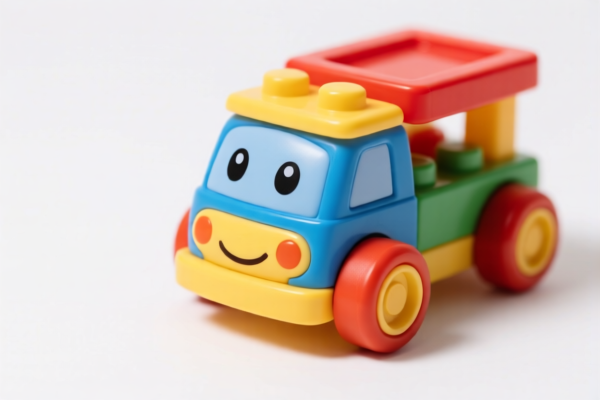
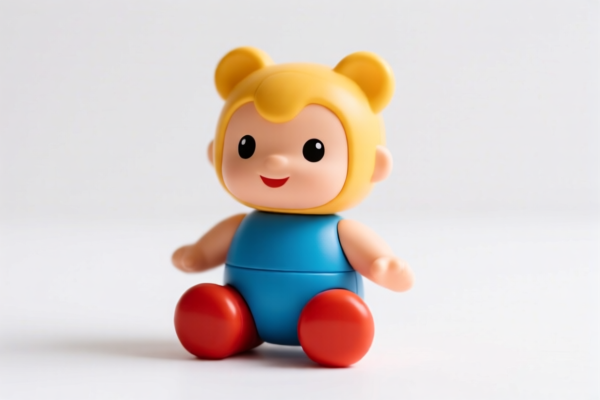
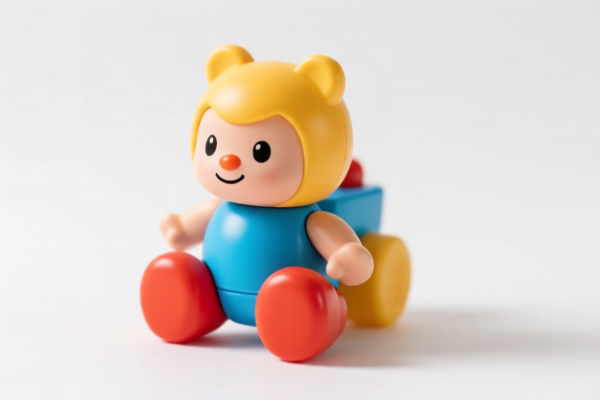
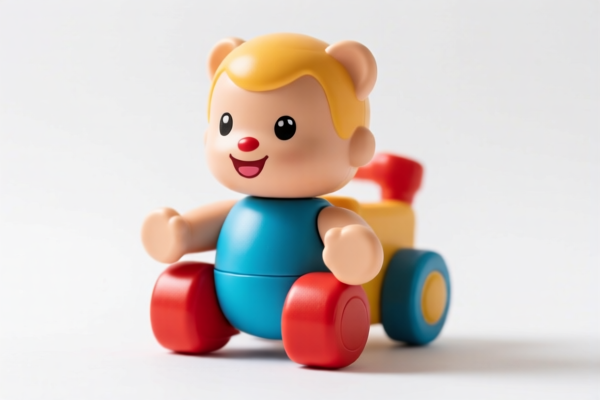
AI Analysis
Based on the provided <DATA> and <TAX> contexts, here is the detailed breakdown for the product "Doctor Toy" (a medical-themed playset or figurine), structured in a Wiki-style guide as requested.
🩺 Doctor Toy (Medical Playsets & Figurines)
🌐 HS Code Reference & Customs Clearance Guide | 2026 Latest Tariff Analysis | Professional Clearance Strategy
📌 I. Product Definition: What is a "Doctor Toy"?
A "Doctor Toy" typically refers to simulated medical kits, doctor figurines, or role-play sets designed for children’s entertainment and educational purposes. In international trade, these goods are primarily classified under Chapter 95 (Toys), provided they are specifically designed for play.
Key Distinction:
- If the item is a toy (e.g., plastic syringe, stethoscope for play) → HS Code 9503 applies.
- If the item is a functional medical instrument (even if used for display) → It may fall under Chapter 90 (Medical Instruments), but based on the provided data, the focus is on toys.
- If the item is a general plastic component not specifically recognized as a toy → HS Code 3926 applies (less likely for finished toys).
⚠️ Critical Note:
- Primary Classification: Most "Doctor Toys" are classified as Toys because their primary function is play, not medical use.
- Material Assumption: The data suggests inference based on common materials (plastic, rubber), but the purpose (play) is the deciding factor for Chapter 95.
📦 II. HS Code Classification Details (2026 Latest Tariff Authority Alignment)
The following HS Codes are derived from the provided <DATA> context, ranked by relevance and tax implication.
| HS Code | Product Description | Relevance to "Doctor Toy" | Total Tax Rate | Key Reason |
|---|---|---|---|---|
| 9503.00.00.71 | Dolls, other toys (Specific Subset) | ✅ High | 10.0% | Explicitly matches "other toys" purpose. No material conflict. Lowest tax among options. |
| 9503.00.00.73 | Dolls, other toys (Non-inflatable Models/Kits) | ✅ High | 10.0% | Matches "dolls/other toys". Suitable for non-inflatable medical figurines or kits. Excludes rubber balloons. |
| 9503.00.00.90 | Toys, models, puzzles (General "Other") | ✅ High | 10.0% | "Toy Set" matches perfectly. No material/shape conflict. Broadest toy category. |
| 3926.10.00.00 | Articles of Plastic (Office/School Supplies) | ⚠️ Low | 15.3% | Inferred as plastic items. Only applicable if the item is NOT considered a "toy" but rather a generic plastic article. Risk of misclassification. |
| 3926.90.99.89 | Other Plastic Articles | ❌ Low | 22.8% | Inferred as generic plastic. Highest tax. Only if the item fails to qualify as a "toy" under Chapter 95. |
🔍 Prioritization Logic:
- Chapter 95 (Toys) is the correct chapter for "Doctor Toy" because the item is designed for play.
- Codes9503.00.00.71,.73, and.90all result in a 10.0% total tax rate.
- Codes3926.xxxxresult in higher taxes (15.3%–22.8%) and are only used if customs authorities reject the "toy" classification (e.g., if the item is purely decorative or non-playable).
💰 III. 2026 Latest Tariff Rate Breakdown (Detailed Tax Clauses)
✅ Applicable Country: United States (US)
✅ Origin: China (CN)
✅ Effective Date: 2025/2026 (Based on provided data)
🎯 1. Primary Classification: 9503.00.00.71 / .73 / .90 (Toys)
These codes represent the most accurate classification for "Doctor Toy."
| Item | Content |
|---|---|
| Base Tariff | 0.0% |
| Section 301 Tariff | 0.0% |
| Section 122 Tariff | 10.0% |
| Total Tax Rate | 10.0% |
| Tax Calculation | CIF Value × 10% |
| De Minimis Eligibility | ❌ No (Subject to Section 122) |
| Legal Basis | Section 122 Tariff applied to toys. |
📌 Explanation:
- The 10.0% total rate is driven entirely by the Section 122 Tariff.
- Unlike many electronics, toys often enjoy a 0% base tariff and 0% Section 301 tariff, but are subject to specific Section 122 levies.
- This is the most cost-effective classification for "Doctor Toy."
🎯 2. Secondary Classification: 3926.10.00.00 (Plastic Articles - Office/School)
Only applicable if the item is deemed not a toy.
| Item | Content |
|---|---|
| Base Tariff | 5.3% |
| Section 301 Tariff | 0.0% |
| Section 122 Tariff | 10.0% |
| Total Tax Rate | 15.3% |
| Tax Calculation | CIF Value × 15.3% |
| De Minimis Eligibility | ❌ No |
📌 Note:
- This rate is 5.3% higher than the toy classification.
- The data states this is based on an "inference" that the toy material is plastic, which is less accurate than direct toy classification.
🎯 3. Tertiary Classification: 3926.90.99.89 (Other Plastic Articles)
Worst-case scenario if misclassified.
| Item | Content |
|---|---|
| Base Tariff | 5.3% |
| Section 301 Tariff | 7.5% |
| Section 122 Tariff | 10.0% |
| Total Tax Rate | 22.8% |
| Tax Calculation | CIF Value × 22.8% |
| De Minimis Eligibility | ❌ No |
📌 Warning:
- This rate includes Section 301 (7.5%), which does not apply to toys under Chapter 95.
- Avoid this classification unless the item is clearly not a toy (e.g., a plastic medical model for professional display, not play).
🛠️ IV. Customs Clearance Practical Advice
✅ 1. Documentation Checklist (Essential for Clearance)
| Document | Required? | Purpose |
|---|---|---|
| Product Photos | ✔️ | Must clearly show the item is a toy (e.g., packaging with "For Play," child-friendly design). |
| Function Description | ✔️ | Explicitly state: "Educational toy for role-playing," "Not for medical use." |
| Composition | ✔️ | List materials (e.g., ABS Plastic). Avoid terms like "Sterile" or "Medical Grade." |
| Packaging Art | ✔️ | Show if the box says "Toy," "Game," or "Play Set." |
| Commercial Invoice | ✔️ | Use description: "Plastic Medical Play Set for Children," NOT "Doctor Instrument." |
✅ 2. Declaration Tips (Key Phrases to Use)
🔥 "Emphasize Play, Not Function!"
| Scenario | Correct Declaration | Incorrect Declaration |
|---|---|---|
| Item Type | "Doctor Toy Set" or "Medical Role-Play Kit" | "Doctor Kit" or "Medical Instrument" |
| Usage | "For children’s education and play" | "For clinical training" (unless it is a real device) |
| HS Code | 9503.00.00.90 |
9018.90.00.00 (Medical instruments) |
✅ 3. Special Considerations
| Issue | Solution |
|---|---|
| Misclassification Risk | If the toy contains metal parts (e.g., stethoscope), ensure the primary character is still "toy" (Chapter 95). |
| Section 122 Applicability | All toy codes in the data are subject to Section 122 (10%). Ensure budgeting reflects this. |
| De Minimis Exclusion | These items are not eligible for Section 321 de minimis exemption due to Section 122/301 applicability. Full duties apply. |
🌍 V. Global Market Comparison (2026)
| Market | Recommended HS Code | Total Tax | Key Requirement |
|---|---|---|---|
| 🇺🇸 USA | 9503.00.00.90 |
10.0% | Section 122 Tariff; CPC Toy Requirements |
| 🇨🇳 China | 9503.00.00.90 |
~0–5% | CCC Certification (if applicable) |
| 🇪🇺 EU | 9503.00.00 |
0% | CE Marking; EN71 Safety Standard |
| 🇬🇧 UK | 9503.00.00 |
0% | UKCA Marking; Toy Safety Regulations |
📌 Conclusion:
- The USA imposes a 10.0% tariff via Section 122 for toys.
- EU/UK generally have 0% duty for toys but strict safety standards (CE/EN71).
- Never declare a toy as a "medical instrument" to avoid higher duties, as it may also trigger FDA scrutiny.
📌 VI. Common Errors & Pitfalls
❌ Error 1: Declaring "Doctor Toy" as "Medical Equipment" (9018)
👉 Consequence: High duty rates, FDA review, shipment delay.
❌ Error 2: Omitting "Toy" in the description
👉 Consequence: Customs may classify under generic plastic codes (3926) → 22.8% tax.
❌ Error 3: Ignoring Section 122 Tariff
👉 Consequence: Unexpected 10% cost increase.
✅ Correct Approach:
"Plastic Doctor Role-Play Toy Set, Includes Toy Stethoscope & Syringe, For Children 3+ Years, Not for Medical Use."
🎯 VII. Conclusion: Professional Clearance for Toys
🎯 Key Takeaway:
🔹 "Toy First, Plastic Second" – Always classify under Chapter 95 to minimize tax (10% vs. 22.8%).
🔹 Section 122 is Key – All toy classifications in this data include a 10% Section 122 tariff.
🔹 Be Explicit – Use "Toy," "Play Set," and "Educational" in your declaration to prevent misclassification.
📌 Pro Tip:
If your "Doctor Toy" includes small parts, ensure it meets CPSC (Consumer Product Safety Commission) requirements for the US market. Safety compliance is as important as correct HS coding.
📣 Action Item:
📞 Verify Packaging: Ensure your product packaging clearly labels the item as a TOY.
🚀 Declare Accurately: Use HS Code 9503.00.00.90 or 71/73 for the lowest duty rate (10%).
💼 Cost Optimization: Avoid Chapter 39 (Plastic) codes unless necessary, as they incur higher taxes.
✨ Professional Clearance Starts with Accurate Classification!
💼 Save 12.8% by choosing Toy HS Codes over Plastic Codes!
Customer Reviews
About HS Code Classification
The Harmonized System (HS) is an internationally standardized nomenclature developed by the World Customs Organization (WCO) to classify traded products. Over 200 countries use the HS system as the basis for customs tariffs, trade statistics, and import/export regulations.
Each HS code follows a hierarchical structure:
- Chapter (2 digits) — Broad category of goods (e.g., Chapter 84: Machinery and Mechanical Appliances)
- Heading (4 digits) — More specific grouping within the chapter
- Subheading (6 digits) — Internationally standardized breakdown, used by all WCO member countries
- National subdivisions (8-10 digits) — Country-specific extensions for further classification, such as US HTSUS 10-digit codes
Correct HS code classification is essential for smooth customs clearance, accurate duty payment, and compliance with trade regulations. Misclassification can lead to customs delays, overpayment of duties, or penalties.
When importing from CN to US, the applicable tariff rates may include:
- Most-Favored-Nation (MFN) rate — The standard duty rate applied to WTO members
- General rate — Applied to countries without trade agreements
- Trade remedy duties — Additional tariffs such as Section 301 (anti-dumping), Section 232 (national security), or countervailing duties
The information provided on this page is for reference purposes only. For official classification, please consult with your local customs authority or a licensed customs broker.