Document Organizer
CN → US| HS Code | Tariff Rate | Origin | Destination | Doc |
|---|---|---|---|---|
| 4420908000 | 38.2% | CN | US | Official Doc |
| 4202929315 | 52.6% | CN | US | Official Doc |
| 3926901000 | 20.9% | CN | US | Official Doc |
| 4202926010 | 41.3% | CN | US | Official Doc |
| 3926909989 | 22.8% | CN | US | Official Doc |
Product Images
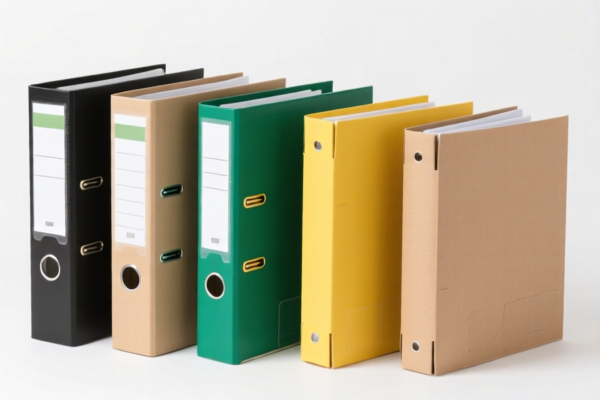
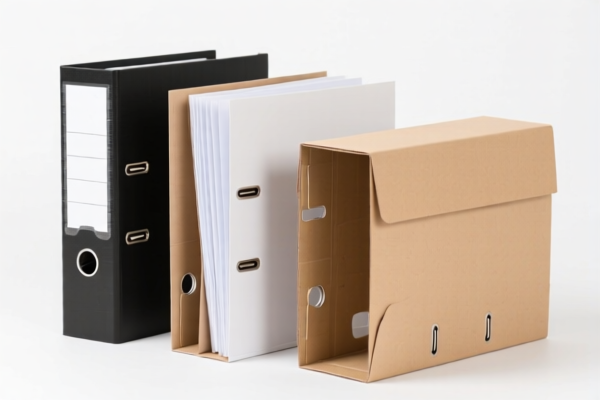


AI Analysis
📁 Document Organizer (File Holder/Stationery)
🌐 HS Code Classification & Customs Strategy | 2026 Tax Breakdown | Smart Clearance Guide
📌 One: What is a "Document Organizer"?
The Document Organizer is a versatile stationery item designed to sort, store, and transport papers, folders, and office supplies. It appears in various forms: desktop racks, hanging file units, portable portfolios, or desk caddies.
Crucial Classification Logic: Unlike standard "Office Supplies" (which might have low or zero tariffs), the classification of a Document Organizer hinges entirely on Material Composition: 1. Wooden: Treated as "Other wood制品" (Furniture/Containers). 2. Textile (Fabric/Leather): Treated as "Containers" (Luggage-like categories). 3. Plastic: Treated as "Plastic Articles" (Miscellaneous).
⚠️ Key Insight:
- If you import Wood, you face the "Jewelry/Utensil" category logic. - If you import Fabric/Leather, you face the "Luggage/Containers" category logic (higher tax base). - If you import Plastic, you face the "Miscellaneous Plastic Articles" category (often the lowest tax base for this item). - All scenarios above trigger "Section 301" and "Section 122" additional tariffs for US imports from China.
📦 Two: HS Code Classification Breakdown (2026 Data)
Based on the specific material and the "Document Organizer" function, here are the four most likely classifications with their tax implications:
| HS Code | Material Assumption | Category Logic | Total Tax Rate |
|---|---|---|---|
| 4420.90.80.00 | 🪵 Wood | "Other wood制品" (Jewelry/Utensil boxes analogy) | 38.2% |
| 4202.92.93.15 | 🧵 Textile/Synthetic | "Other containers" (Textile surface assumed) | 52.6% |
| 3926.90.10.00 | 🧪 Plastic (Hard) | "Plastic containers" (Buckets/Pails analogy) | 20.9% |
| 4202.92.60.10 | 🧵 Plastic/Textile Mix | "Jewelry boxes & similar containers" (Fallback logic) | 41.3% |
| 3926.90.99.89 | 🧪 Plastic (General) | "Other plastic articles" (Most common fallback) | 22.8% |
🔍 Important Distinction:
- Plastic (3926) offers the lowest total tax (~21-23%). - Textile (4202) carries the highest total tax (~41-53%). - Wood (4420) is a moderate option (~38%), often used for high-end office organizers.
💰 Three: Detailed Tax Structure & Legal Basis (US Import from China)
✅ Target Market: United States (US)
✅ Origin: China (CN)
✅ Applicable Schemes: 301 Tariffs, Section 122, Base Rates
🎯 1. Wooden Organizer (HS: 4420.90.80.00)
Best for: High-end, natural wood desktop organizers.
| Component | Rate | Legal Basis |
|---|---|---|
| Base Tariff | 3.2% | Standard MFN Rate |
| Section 301 (Add-on) | 25.0% | Trade Remedy Tariff (USITC) |
| Section 122 (Add-on) | 10.0% | Specific Section 122 Tariff |
| TOTAL | 38.2% |
📌 Explanation:
- Treated as a "box" or "container" under wood products.
- Suffers heavy penalties: 25% (301) + 10% (122).
- Strategy: Only viable if marketing "Premium Wood" outweighs the tax cost.
🎯 2. Textile Organizer (HS: 4202.92.93.15)
Best for: Fabric file holders, leather-faux portfolios.
| Component | Rate | Legal Basis |
|---|---|---|
| Base Tariff | 17.6% | Standard MFN Rate (High for textiles) |
| Section 301 (Add-on) | 25.0% | Trade Remedy Tariff |
| Section 122 (Add-on) | 10.0% | Specific Section 122 Tariff |
| TOTAL | 52.6% |
📌 Explanation:
- Highest Tax Risk! Base rate is nearly double that of plastic.
- Classified under "Travel goods/Containers" (4202) which attracts higher base duties.
- Avoid unless the product has high value-added branding that justifies 52% tax.
🎯 3. Plastic Organizer (Hard/Functional) (HS: 3926.90.10.00)
Best for: Rigid plastic file sorters, desk trays, bucket-style organizers.
| Component | Rate | Legal Basis |
|---|---|---|
| Base Tariff | 3.4% | Standard MFN Rate |
| Section 301 (Add-on) | 7.5% | Reduced Section 301 (Specific list) |
| Section 122 (Add-on) | 10.0% | Specific Section 122 Tariff |
| TOTAL | 20.9% |
📌 Explanation:
- Lowest Tax Option!
- Base rate is low (3.4%) + Reduced Section 301 (7.5%).
- Strategy: Strongly Recommended for mass-market plastic organizers.
🎯 4. Plastic Organizer (General) (HS: 3926.90.99.89)
Best for: Flexible plastic organizers or miscellaneous plastic articles.
| Component | Rate | Legal Basis |
|---|---|---|
| Base Tariff | 5.3% | Standard MFN Rate |
| Section 301 (Add-on) | 7.5% | Reduced Section 301 |
| Section 122 (Add-on) | 10.0% | Specific Section 122 Tariff |
| TOTAL | 22.8% |
📌 Explanation:
- Slightly higher base than "functional containers" but still very competitive.
- Strategy: A safe fallback if 3926.90.10.00 doesn't perfectly fit the specific shape.
🎯 5. Mixed/Material Fallback (HS: 4202.92.60.10)
Best for: Organizers mixing plastic and textile surfaces.
| Component | Rate | Legal Basis |
|---|---|---|
| Base Tariff | 6.3% | Standard MFN Rate |
| Section 301 (Add-on) | 25.0% | Full Section 301 |
| Section 122 (Add-on) | 10.0% | Specific Section 122 Tariff |
| TOTAL | 41.3% |
📌 Explanation:
- The "Jewelry Box" logic applies here, triggering the full 25% Section 301.
- Warning: Do not use this unless the product is clearly a "luxury container."
🛠️ Four: Customs Clearance Strategy & Actionable Advice
✅ 1. Material Declaration is King
The biggest risk is misidentifying the primary material. - If it's Plastic: Declare as 3926. Avoid mentioning "Textile" or "Leather" in the description. - If it's Wood: Declare as 4420. Ensure no metal/plastic components dominate the structure. - If it's Fabric: Prepare for the 52.6% tax. Consider if re-designing to plastic is cheaper.
🚀 Pro Tip:
"Plastic Document Organizers" are the most tax-efficient. If your supplier can use ABS or Polypropylene instead of fabric, you save ~30% in tax.
✅ 2. Avoid "Category Creep"
- Do NOT describe it as a "Luggage" or "Briefcase" if it's a small desk organizer.
- Do NOT describe it as "Wooden Furniture" if it's a small desktop tray (it falls under "Wooden Articles").
- Be Specific: Use terms like "Plastic Desktop File Sorter" or "Rigid Plastic Document Holder" to steer Customs toward 3926 (Low Tax).
✅ 3. Documentation Checklist
| Document | Why it's Critical |
|---|---|
| Detailed Product Spec Sheet | Must explicitly state "100% Plastic" or "Wood" to avoid "Textile" assumptions. |
| Photos (Interior/Exterior) | Proves no hidden textile lining that could trigger HS 4202. |
| Bill of Lading (BOL) | Ensure HTS code matches the invoice exactly. |
| Commercial Invoice | Describe as: "Plastic Document Organizer, Model XYZ, 100% Polypropylene." |
✅ 4. Special Warning: Section 301 & 122
- Section 301 (25% or 7.5%): This is the main driver. Plastic gets the lower rate (7.5%) for this category. Textile/Wood often hits the 25% wall.
- Section 122 (10%): This applies to almost all "Document Organizers" from China regardless of material. It is unavoidable.
- De Minimis: ❌ No Exemption. These items are NOT eligible for the $800 de minimis exemption (Section 321). They must be formally entered and taxed.
🌍 Five: Global Market Comparison (2026 Context)
| Market | Recommended HS Code | Est. Total Tax | Notes |
|---|---|---|---|
| 🇺🇸 USA | 3926.90.10.00 |
20.9% | Only option to minimize tax (Plastic). Wood/Textile = 38-52%. |
| 🇪🇺 EU | 4420 / 4202 / 3926 |
Varies (0-15%) | No Section 301/122. Material matters less for tax, more for safety (CE). |
| 🇨🇦 Canada | 3926 / 4420 |
Varies (5-15%) | No Section 301. Lower base rates than US. |
| 🇯🇵 Japan | 3926 / 4420 |
Varies (0-10%) | Very favorable for plastic. |
📌 Conclusion:
The US Market is the most punitive for Document Organizers due to Section 301/122.
Strategy: Design in Plastic to unlock the 7.5% Section 301 rate and keep total tax under 23%.
🎯 Six: Final Verdict & Quick Guide
🏆 Winner: Plastic Organizer (HS 3926)
- HS Code:
3926.90.10.00or3926.90.99.89 - Total Tax: ~21-23%
- Why: Lowest base rate + Reduced Section 301 (7.5%) + Fixed 122 (10%).
- Action: Market heavily as "Durable Plastic," ensure no fabric parts.
⚠️ Avoid: Textile Organizer (HS 4202)
- HS Code:
4202.92.93.15 - Total Tax: 52.6%
- Why: High base rate (17.6%) + Full Section 301 (25%) + 122 (10%).
- Action: Only if selling as a luxury "Leather-look" item where tax is factored into MSRP.
🛑 Common Pitfall
Mistake: Claiming a plastic organizer as "Wood" to avoid "Plastic" scrutiny?
Result: Seizure or Audit. Customs will inspect and find the material. Mistake: Claiming "Plastic" when it has a fabric insert?
Result: Re-classification to HS 4202 (52.6% tax) + Penalties.✅ Final Advice:
Be precise. If it's 90% plastic, declare as Plastic. Do not hide fabric accents that could trigger the "Textile" classification. Plastic is your friend for US import.
✨ Customs Compliance = Profit Protection
🚀 Optimize Material Design, Minimize Tax Liability!
Customer Reviews
About HS Code Classification
The Harmonized System (HS) is an internationally standardized nomenclature developed by the World Customs Organization (WCO) to classify traded products. Over 200 countries use the HS system as the basis for customs tariffs, trade statistics, and import/export regulations.
Each HS code follows a hierarchical structure:
- Chapter (2 digits) — Broad category of goods (e.g., Chapter 84: Machinery and Mechanical Appliances)
- Heading (4 digits) — More specific grouping within the chapter
- Subheading (6 digits) — Internationally standardized breakdown, used by all WCO member countries
- National subdivisions (8-10 digits) — Country-specific extensions for further classification, such as US HTSUS 10-digit codes
Correct HS code classification is essential for smooth customs clearance, accurate duty payment, and compliance with trade regulations. Misclassification can lead to customs delays, overpayment of duties, or penalties.
When importing from CN to US, the applicable tariff rates may include:
- Most-Favored-Nation (MFN) rate — The standard duty rate applied to WTO members
- General rate — Applied to countries without trade agreements
- Trade remedy duties — Additional tariffs such as Section 301 (anti-dumping), Section 232 (national security), or countervailing duties
The information provided on this page is for reference purposes only. For official classification, please consult with your local customs authority or a licensed customs broker.