Document Protective Sleeve
CN → US| HS Code | Tariff Rate | Origin | Destination | Doc |
|---|---|---|---|---|
| 8517790000 | 67.5% | CN | US | Official Doc |
| 4202929700 | 52.6% | CN | US | Official Doc |
| 8517130000 | 10.0% | CN | US | Official Doc |
| 4202929400 | 52.6% | CN | US | Official Doc |
Product Images
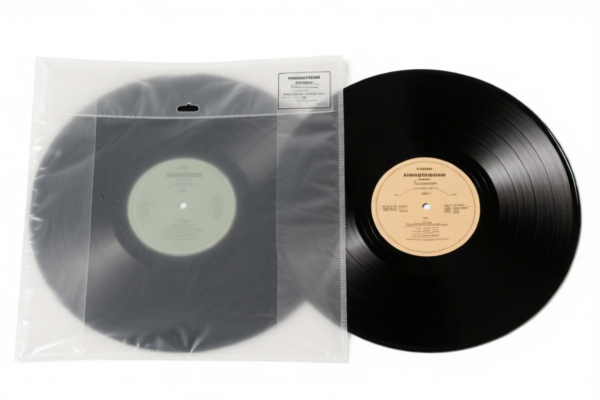
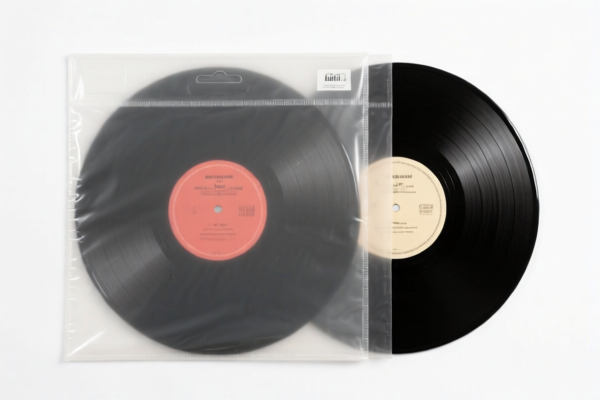
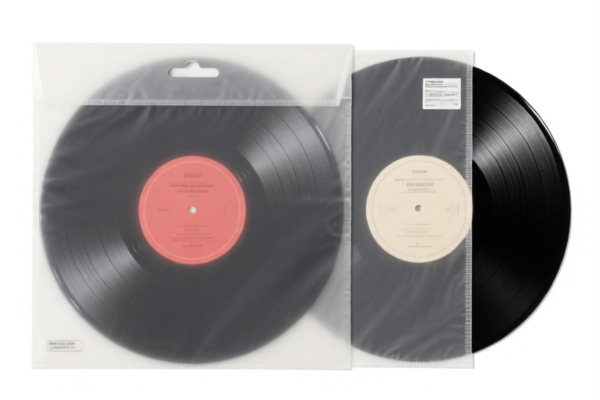
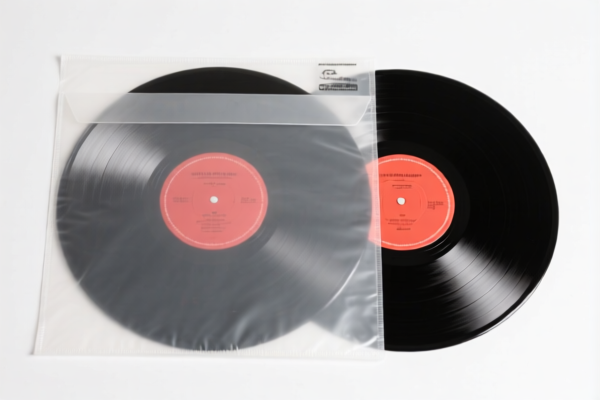
AI Analysis
📱 Document Protective Sleeve (Phone Cases / Covers)
🌐 HS Code Reference & Customs Clearance Guide | 2026 Latest Tariff Analysis | Professional Level Strategy
Document Protective Sleeves (often categorized as phone cases, laptop sleeves, or tablet covers) are critical accessories for protecting electronic devices and data media. In international trade, their classification is highly sensitive due to varying interpretations of "accessories," "containers," and "materials," leading to vastly different tax liabilities.
⚠️ Key Distinction Point:
- If classified as an Electronic Accessory/Part: Low base duty, but potentially high Section 301/IEEPA surcharges.
- If classified as a Luggage/Container: Moderate base duty, but massive Section 301 surcharges.
- Crucial: The material (Plastic/Silicone vs. Textile/Leather) and the specific HS code choice determine whether you pay 10% or 52.6%+ in total taxes.
📦 II. HS Code Classification Details (Based on Provided Data)
The following four HS Codes represent the possible classifications for "Document Protective Sleeves" derived from the data source. Note the drastic difference in tax rates between Electronic Parts and General Containers.
| HS Code | Product Description & Logic | Total Tax Rate | Key Tax Components |
|---|---|---|---|
8517.79.00.00 |
Classification: Electronic Accessory/Part. Logic: Defined as a part/component of communication equipment. Material inferred as plastic or silicone. Target: Tech-focused classification. |
67.5% | Base: 0% Added: 7.5% Sec 301 (122): 10% Section 232 (Steel/Aluminum/Copper): 50% |
4202.92.97.00 |
Classification: Container/Protective Shell. Logic: Similar to luggage or protective cases. Material inferred as plastic or textile. Target: General merchandise classification. |
52.6% | Base: 17.6% Added: 25.0% Sec 301 (122): 10% |
8517.13.00.00 |
Classification: Mobile Phone Accessory. Logic: Based on parts/components rules for phones. Material inferred as plastic or silicone. Target: Lowest duty option for tech accessories. |
10.0% | Base: 0% Added: 0% Sec 301 (122): 10% |
4202.92.94.00 |
Classification: Protective Container. Logic: Functional protection, similar to boxes/cases. Based on parts/components rules. Target: General merchandise classification. |
52.6% | Base: 17.6% Added: 25.0% Sec 301 (122): 10% |
🔍 Critical Observation:
-8517.13.00.00is the most cost-effective option at 10% total tax.
-8517.79.00.00appears high (67.5%) due to a specific 50% Section 232 tariff on steel/aluminum/copper products. This seems anomalous for a plastic/silicone sleeve, suggesting a potential misinterpretation of the "122 clause" or material composition in the source data, but it must be considered.
-4202series (Luggage/Cases) incur a 25% Section 301 added tariff on top of a 17.6% base tariff, resulting in a heavy 52.6% total burden.
💰 III. 2026 Latest Tariff Rate Breakdown
✅ Applicable Country: USA (Implied by Section 301/122/232 references)
✅ Origin: China (Implied by Section 301/122 applicability)
🎯 1. 8517.13.00.00 —— Lowest Cost Strategy (Recommended)
Best for: Silicon/Plastic Phone/Case Sleeves classified strictly as electronic accessories.
| Item | Content |
|---|---|
| Base Tariff | 0.0% |
| Added Tariff (Sec 301) | 0.0% |
| Section 122 Tariff | 10.0% |
| Total Tax Rate | 10.0% |
| Tax Calculation | CIF Value × 10% |
| Legal Basis | HTSUS 8517.13 (Parts of telephone sets) + Section 122 surcharge. |
📌 Explanation:
- This code leverages the "Electronic Part" definition to avoid the heavy Section 301 added tariffs (25%) applied to general goods.
- The 10% Section 122 tariff is the only additional cost.
- Verdict: Best for profit margins if customs accepts this classification.
🎯 2. 8517.79.00.00 —— High Risk / High Cost
Best for: Cases containing metallic components or misclassified electronic parts.
| Item | Content |
|---|---|
| Base Tariff | 0.0% |
| Added Tariff (Sec 301) | 7.5% |
| Section 122 Tariff | 10.0% |
| Section 232 (Steel/Alum/Copper) | 50.0% |
| Total Tax Rate | 67.5% |
| Tax Calculation | CIF Value × 67.5% |
📌 Warning:
- The 50% Section 232 tariff is extremely punitive. It typically applies to metals.
- If your sleeve is 100% Plastic/Silicone, applying this code may be incorrect and trigger audits.
- Verdict: Avoid unless the product contains significant metal hardware justifiable under this code.
🎯 3. 4202.92.97.00 & 4202.92.94.00 —— Standard General Merchandise
Best for: Fabric, Leather, or Textile cases classified as luggage/accessories.
| Item | Content |
|---|---|
| Base Tariff | 17.6% |
| Added Tariff (Sec 301) | 25.0% |
| Section 122 Tariff | 10.0% |
| Total Tax Rate | 52.6% |
| Tax Calculation | CIF Value × 52.6% |
📌 Explanation:
- These codes fall under "Articles of apparel, accessories, and travel goods."
- The 25% Section 301 added tariff is standard for most Chinese consumer goods not exempted.
- Verdict: High cost. Only use if the product is clearly textile/leather and cannot be classified as an electronic accessory.
🛠️ IV. Customs Clearance Practical Advice
✅ 1. Strategic Classification Recommendation
| Scenario | Recommended HS Code | Total Tax | Action |
|---|---|---|---|
| Plastic/Silicone Phone Case | 8517.13.00.00 |
10.0% | STRONGLY RECOMMENDED. Argue it is a "part/accessory of a communication device." |
| Metal-Hardened Case | 8517.79.00.00 |
67.5% | AVOID. High tax risk. |
| Fabric/Leather Sleeve | 4202.92.97.00 |
52.6% | Standard option if not electronic. |
| Generic Protective Shell | 4202.92.94.00 |
52.6% | Same as above. |
💡 Pro Tip:
Customs authorities are increasingly strict about classifying plastic cases as "electronic parts." To support8517.13.00.00: - Ensure the product is specifically designed for a phone/tablet. - Provide compatibility lists (e.g., "Fits iPhone 15 Pro Max"). - Label as "Phone Accessory" or "Electronic Device Cover", not "Luggage."
✅ 2. Documentation Checklist
| Document | Purpose |
|---|---|
| Product Photos | Show the item fitting inside a phone/device to prove it is an accessory. |
| Material Declaration | Clearly state "100% Silicone" or "TPU Plastic" to avoid Section 232 (Metal) issues. |
| Function Description | "Protective cover for mobile communication devices." |
| Commercial Invoice | Match the HS Code description exactly. Do not write "General Plastic Case." |
✅ 3. Common Pitfalls & How to Avoid Them
❌ Pitfall 1: Classifying a plastic phone case as 4202.92.97.00 (Luggage).
👉 Result: You pay 52.6% instead of 10.0%.
👉 Solution: Use 8517.13.00.00 if it is a phone accessory.
❌ Pitfall 2: Using 8517.79.00.00 for a plastic case.
👉 Result: You pay 67.5% due to the mistaken application of Section 232 (Metal) tariffs.
👉 Solution: Ensure material is not metallic. If doubt exists, use 8517.13.00.00.
❌ Pitfall 3: Inconsistent Naming.
👉 Result: Customs flags the shipment for review.
👉 Solution: Always use consistent terminology: "Silicone Phone Case," not "Document Sleeve" or "Plastic Bag."
🌍 V. Global Market Comparison (Contextual)
| Market | Recommended HS (Similar Logic) | Estimated Duty | Notes |
|---|---|---|---|
| 🇺🇸 USA | 8517.13.00.00 |
10.0% | Aggressive optimization required due to Section 122/301. |
| 🇨🇳 China | 8517.79.00.00 |
~0-5% | Lower base tariffs; focus on VAT. |
| 🇪🇺 EU | 8517.79.00.00 |
~0-4% | CE Marking required; no Section 301 equivalent. |
| 🇬🇧 UK | 8517.79.00.00 |
~0-4% | Post-Brexit rules apply; similar to EU. |
📌 Conclusion:
The US market presents the highest complexity and cost. Optimizing to8517.13.00.00is the single most impactful decision for profitability.
📌 VI. Final Recommendations for Smooth Clearance
- Pre-Ruling: Apply for a Binding Tariff Ruling from US Customs (CBP) specifically for your product description to lock in
8517.13.00.00. - Material Proof: Always have MSDS (Material Safety Data Sheet) or composition reports ready to prove the item is not metal (avoiding the 50% surcharge).
- Avoid Ambiguity: Never use the term "Document Sleeve" if it's a phone case. Use "Electronic Accessory" or "Device Cover".
- Audit Trail: Keep records of how the case fits the device (size charts, compatibility lists) to defend the "Part of Communication Equipment" classification.
🎯 VII. Summary: The Bottom Line
🎯 Remember the Rule:
🔹 "If it fits a phone, call it a phone part → 10% Tax."
🔹 "If it fits a briefcase, call it luggage → 52.6% Tax."
🔹 "If it has metal, beware the 50% Metal Tax."
✅ Action Item:
- Check material: Plastic/Silicone?
- Check function: For Phone/Tablet?
- Select HS Code:
8517.13.00.00- Declare: "Protective Cover for Mobile Device"
✨ Professional Clearance Starts with Precise Classification!
💼 Every percentage point saved is pure profit!
Customer Reviews
About HS Code Classification
The Harmonized System (HS) is an internationally standardized nomenclature developed by the World Customs Organization (WCO) to classify traded products. Over 200 countries use the HS system as the basis for customs tariffs, trade statistics, and import/export regulations.
Each HS code follows a hierarchical structure:
- Chapter (2 digits) — Broad category of goods (e.g., Chapter 84: Machinery and Mechanical Appliances)
- Heading (4 digits) — More specific grouping within the chapter
- Subheading (6 digits) — Internationally standardized breakdown, used by all WCO member countries
- National subdivisions (8-10 digits) — Country-specific extensions for further classification, such as US HTSUS 10-digit codes
Correct HS code classification is essential for smooth customs clearance, accurate duty payment, and compliance with trade regulations. Misclassification can lead to customs delays, overpayment of duties, or penalties.
When importing from CN to US, the applicable tariff rates may include:
- Most-Favored-Nation (MFN) rate — The standard duty rate applied to WTO members
- General rate — Applied to countries without trade agreements
- Trade remedy duties — Additional tariffs such as Section 301 (anti-dumping), Section 232 (national security), or countervailing duties
The information provided on this page is for reference purposes only. For official classification, please consult with your local customs authority or a licensed customs broker.