Dog Chew Toy
CN → US| HS Code | Tariff Rate | Origin | Destination | Doc |
|---|---|---|---|---|
| 3926909989 | 22.8% | CN | US | Official Doc |
| 3926909905 | 22.8% | CN | US | Official Doc |
| 9503000090 | 10.0% | CN | US | Official Doc |
| 4016992000 | 14.3% | CN | US | Official Doc |
| 4016990500 | 20.9% | CN | US | Official Doc |
Product Images
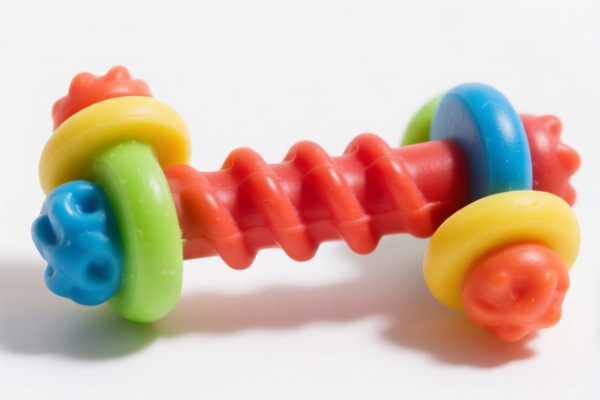
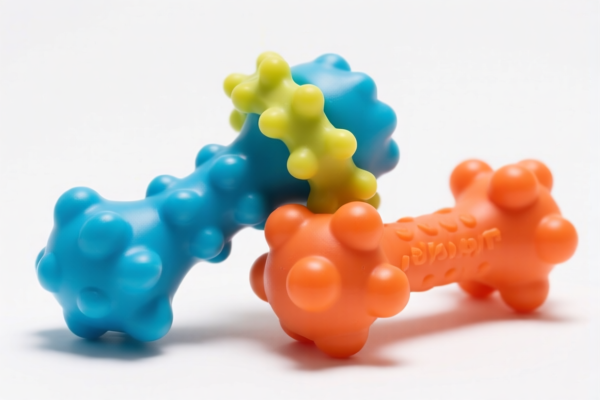
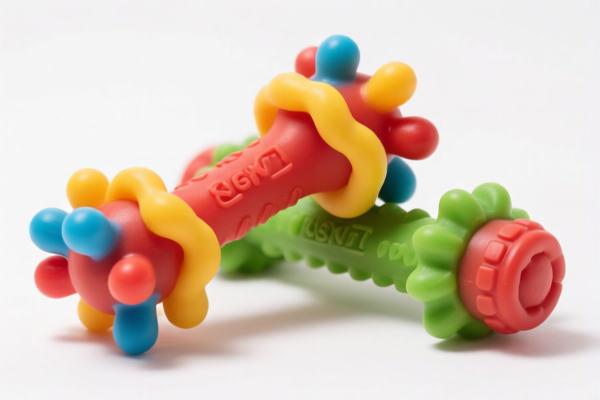
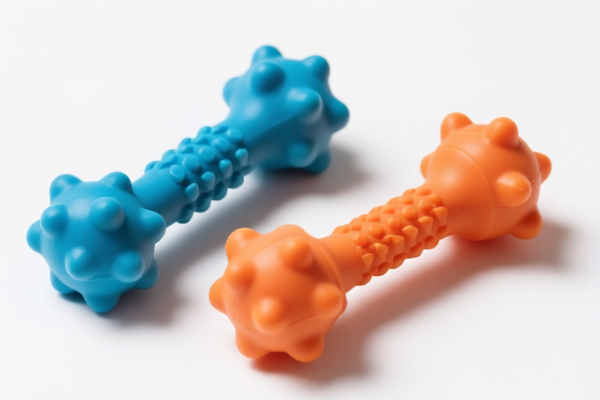
AI Analysis
🐕 Dog Chew Toy (Pet Toys & Rubber Articles)
🌐 HS Code Reference & Customs Clearance Guide | 2026 Latest Tariff Analysis | Professional Clearance Strategy
📌 Part 1: Product Definition & Classification: What Exactly Is a "Dog Chew Toy"?
A "Dog Chew Toy" is a generic term in international trade that encompasses products designed for canine entertainment and dental health. However, in customs classification, the material composition is the decisive factor, not the function. They are primarily divided into two major categories:
Vulcanized Rubber Toys: Made from natural or synthetic rubber, processed through vulcanization to ensure durability and elasticity. Plastic/Polymer Toys: Made from rigid or flexible plastics (like PVC, PE, PP) often combined with other materials.
⚠️ Key Distinction Point:
- If the toy is made entirely or predominantly of vulcanized rubber (excluding hard rubber) → It falls under Chapter 40 (Rubber).
- If the toy is made primarily of plastics or is a generic "other toy" not specified elsewhere → It falls under Chapter 39 (Plastics) or Chapter 95 (Toys).
📦 Part 2: HS Code Classification Details (2026 Latest Tariff Authority Comparison)
Based on the provided data, here are the precise classifications for Dog Chew Toys depending on their material and form:
| HS Code | Product Description | Applicable Scenario | Material Key |
|---|---|---|---|
4016.99.20.00 |
Other articles of vulcanized rubber other than hard rubber: Toys for pets | Rubber bones, rubber rings, durable chew toys | ✅ Vulcanized Rubber |
4016.99.05.00 |
Other articles of vulcanized rubber other than hard rubber: Household articles not elsewhere specified or included | Note: Rarely used for toys, but may apply if classified as general household rubber goods by error | ✅ Vulcanized Rubber |
9503.00.00.90 |
Other: Tricycles, scooters... Dolls, other toys... parts and accessories thereof | Plastic chew toys, fabric toys, mixed-material toys not covered by rubber/plastic specific chapters | ✅ Plastic/Fabric/Mixed |
3926.90.99.89 |
Other articles of plastics: Other Other | Plastic chew bones, rubber-like plastic toys, squeeze toys | ✅ Plastic/Polymer |
3926.90.99.05 |
Other articles of plastics: Elastic bands made wholly of plastics | Note: Specific to elastic bands, generally NOT for dog toys unless specifically structured as such | ✅ Plastic |
🔍 Critical Reminder:
- Rubber Toys: If the material is >95% vulcanized rubber, use4016.99.20.00.
- Plastic Toys: If the material is hard or flexible plastic (not rubber), use3926.90.99.89.
- General Toys: If the toy is a mix of materials (e.g., rope + plastic + fabric) or doesn't fit specific material chapters, use9503.00.00.90.
💰 Part 3: 2026 Latest Tariff Rate Details (Including Additional Duties & Policy Surcharges)
✅ Applicable Country: United States (US)
✅ Origin: China (CN)
✅ Effective Time: Current tariffs apply (Referencing the provided data for US-China trade context)
🎯 1. 4016.99.20.00 —— Dog Chew Toys (Vulcanized Rubber)
| Item | Content |
|---|---|
| Base Tariff | 0.0% (Ad Valorem) |
| Section 301 Additional Tariff | 0.0% (As per provided data, no additional tax specified for this specific HS code in the snippet) |
| Total Tax Rate | 0.0% |
| Tax Calculation | CIF Value × 0% = $0 |
| De Minimis Eligibility | ✅ Yes (For shipments under $800) |
| Legal Basis | HTSUS 4016.99.20.00 |
📌 Explanation:
- Vulcanized rubber articles for pets often enjoy lower base tariffs.
- According to the provided data, this specific code has no additional surcharge listed in the snippet, making it highly cost-effective compared to plastics.
🎯 2. 3926.90.99.89 —— Dog Chew Toys (Plastic/Other Plastic Articles)
| Item | Content |
|---|---|
| Base Tariff | 5.3% |
| Section 301 Additional Tariff | 7.5% |
| Total Tax Rate | 12.8% |
| Tax Calculation | CIF Value × 12.8% |
| De Minimis Eligibility | ❌ No (Subject to higher scrutiny and tariffs) |
| Legal Basis | HTSUS 3926.90.99.89 + Footnote 9903.88.01 (Contextual) |
📌 Explanation:
- Plastic toys are subject to a base tariff of 5.3%.
- An additional tariff of 7.5% is applied (likely under Section 301 or similar trade measures).
- Total 12.8% is significantly higher than rubber toys.
🎯 3. 9503.00.00.90 —— Other Toys (General/Mixed Material)
| Item | Content |
|---|---|
| Base Tariff | 0.0% |
| Section 301 Additional Tariff | 0.0% (As per provided data) |
| Total Tax Rate | 0.0% |
| Tax Calculation | CIF Value × 0% = $0 |
| De Minimis Eligibility | ✅ Yes |
| Legal Basis | HTSUS 9503.00.00.90 |
📌 Explanation:
- "Other toys" often have a 0% base tariff.
- If the toy is not strictly defined as a rubber or plastic article, it may fall here with 0% total tax.
- Risk: Customs may reclassify if the material is predominantly plastic/rubber.
🛠️ Part 4: Customs Clearance Practical Advice (Field Pitfall Avoidance Guide)
✅ 1. Preparation Checklist (Essential Documents)
| Document | Required? | Description |
|---|---|---|
| ✅ Product Composition Report | ✔️ | Must state % of Rubber vs. Plastic vs. Fabric. Critical for HS Code selection. |
| ✅ Product Photos (Lifestyle + Close-up) | ✔️ | Show texture, durability, and intended use (chewing vs. fetching). |
| ✅ Material Safety Data Sheet (MSDS) | ✔️ | Prove non-toxic, pet-safe materials (especially for rubber/plastic). |
| ✅ Commercial Invoice | ✔️ | Must clearly state "Dog Chew Toy" and specify material (e.g., "Vulcanized Rubber Dog Bone"). |
| ✅ Packing List | ✔️ | List quantities, weights, and dimensions. |
| ✅ FDA/CPSC Certification (If applicable) | ✔️ | While not always for customs, it proves compliance for import into the US market. |
✅ 2. Declaration Tips (Key Mantra)
🔥 "Material Determines Code, Rubber is 0%, Plastic is 12.8%!"
| Scenario | Correct Declaration | Error to Avoid |
|---|---|---|
| 100% Rubber Chew Bone | 4016.99.20.00 |
Mistaking for plastic → 12.8% tax |
| Hard Plastic Chew Toy | 3926.90.99.89 |
Mistaking for "Other Toy" → 0% risk of reclassification & penalty |
| Rope + Plastic Handle | 9503.00.00.90 (if minor plastic) |
Declaring as rubber → Customs will reject |
| Elastic Band for Pets | 3926.90.99.05 |
Mistaking for general toy |
📌 Note:
- If the toy is mixed material (e.g., rubber core with fabric cover), declare the essential character material. If rubber provides the structure, use4016.99.20.00.
- If the toy is primarily plastic (even if slightly textured like rubber), use3926.90.99.89.
✅ 3. Special Case Handling
| Scenario | Handling Advice |
|---|---|
| OEM Custom Shapes | Provide design blueprints to prove it's a "toy" and not a "household article." |
| Soft PVC vs. Hard Plastic | Soft PVC may be argued as "rubber-like" but is legally plastic → Use 3926.90.99.89. |
| Dental Chews (Edible) | ❗ NOT TOYS → If edible, it's a pet food item (Chapter 23), not a toy. |
| Shipped under $800 (De Minimis) | Use 4016.99.20.00 or 9503.00.00.90 for 0% duty clearance. Avoid 3926.90.99.89 if possible due to 12.8% tax. |
🌍 Part 5: Global Market Comparison (2026 Latest)
| Country/Region | Recommended HS Code | Tariff (China Origin) | Certification Requirement | Notes |
|---|---|---|---|---|
| 🇺🇸 USA | 4016.99.20.00 |
0% | CPSIA, ASTM F963 | Best for rubber toys. |
| 🇺🇸 USA | 3926.90.99.89 |
12.8% | CPSIA, ASTM F963 | High tariff for plastic toys. |
| 🇪🇺 EU | 4016.99.90 |
~2.5-5% | CE, REACH | No Section 301 equivalent. |
| 🇨🇳 China | 4016.99.20.00 |
0% | CCC (if applicable) | Import duty 0%. |
📌 Conclusion:
- USA Market: Rubber toys (4016.99.20.00) are 12.8% cheaper in tariffs than plastic toys (3926.90.99.89).
- Strategy: If you can switch material from plastic to vulcanized rubber, you save 12.8% on tariffs.
📌 Part 6: Common Mistakes & Pitfalls (Lessons Learned)
❌ Mistake 1: Declaring plastic toys as "Rubber" to avoid 12.8% tax
👉 Consequence: Customs inspection finds PVC/PE → Seizure + Fine + Back Taxes.
❌ Mistake 2: Using "Household Articles" (4016.99.05.00) for Pet Toys
👉 Consequence: Customs reclassifies as "Pet Toy" → May face scrutiny or different duty rates.
❌ Mistake 3: Not specifying material in the description
👉 Consequence: Customs assigns "Doubtful" code → Delay in clearance while waiting for documentation.
✅ Correct Practice:
"Vulcanized Rubber Dog Chew Toy, Indestructible, Black, Model XYZ, for Large Breeds"
vs.
"Plastic Squeaky Dog Toy, PVC, Yellow, Model ABC"
🎯 Part 7: Conclusion: Smart Classification, Maximize Profit!
🎯 Remember the Mantra:
🔹 "Rubber Toys: 0% Duty. Plastic Toys: 12.8% Duty."
🔹 "HS Code Defines Tax, Material Defines Code."
🔹 "De Minimis Advantage: Use 0% Codes for Small Shipments."
📌 Pro Tip:
If you are shipping under $800 to the US, ensure your product qualifies as 0% tax (4016.99.20.00 or 9503.00.00.90) to leverage Section 321 De Minimis benefits. Avoid 3926.90.99.89 if possible due to the 12.8% tax.
📣 Immediate Action:
📞 Consult your freight forwarder with material composition reports.
🚀 Apply for Advance Ruling if unsure about mixed-material toys.
💰 Save 12.8% by optimizing material choice or accurate classification!
✨ Professional Customs Clearance Starts with Accurate Classification!
💼 Every Percent Counts in International Trade!
Customer Reviews
About HS Code Classification
The Harmonized System (HS) is an internationally standardized nomenclature developed by the World Customs Organization (WCO) to classify traded products. Over 200 countries use the HS system as the basis for customs tariffs, trade statistics, and import/export regulations.
Each HS code follows a hierarchical structure:
- Chapter (2 digits) — Broad category of goods (e.g., Chapter 84: Machinery and Mechanical Appliances)
- Heading (4 digits) — More specific grouping within the chapter
- Subheading (6 digits) — Internationally standardized breakdown, used by all WCO member countries
- National subdivisions (8-10 digits) — Country-specific extensions for further classification, such as US HTSUS 10-digit codes
Correct HS code classification is essential for smooth customs clearance, accurate duty payment, and compliance with trade regulations. Misclassification can lead to customs delays, overpayment of duties, or penalties.
When importing from CN to US, the applicable tariff rates may include:
- Most-Favored-Nation (MFN) rate — The standard duty rate applied to WTO members
- General rate — Applied to countries without trade agreements
- Trade remedy duties — Additional tariffs such as Section 301 (anti-dumping), Section 232 (national security), or countervailing duties
The information provided on this page is for reference purposes only. For official classification, please consult with your local customs authority or a licensed customs broker.