Dog Grinding Ball
CN → US| HS Code | Tariff Rate | Origin | Destination | Doc |
|---|---|---|---|---|
| 4016992000 | 14.3% | CN | US | Official Doc |
| 4016910000 | 37.7% | CN | US | Official Doc |
| 9503000013 | 10.0% | CN | US | Official Doc |
| 9503000011 | 10.0% | CN | US | Official Doc |
| 9603210000 | 17.5% | CN | US | Official Doc |
Product Images
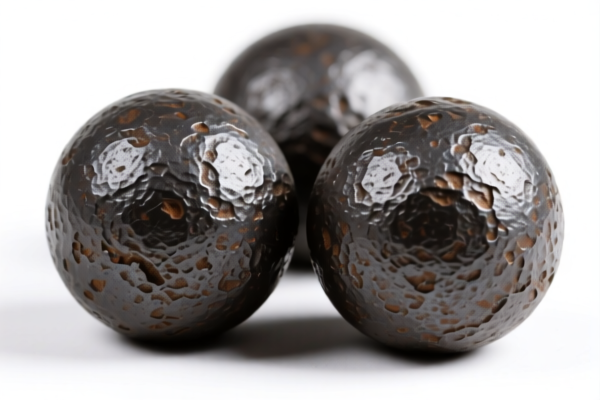
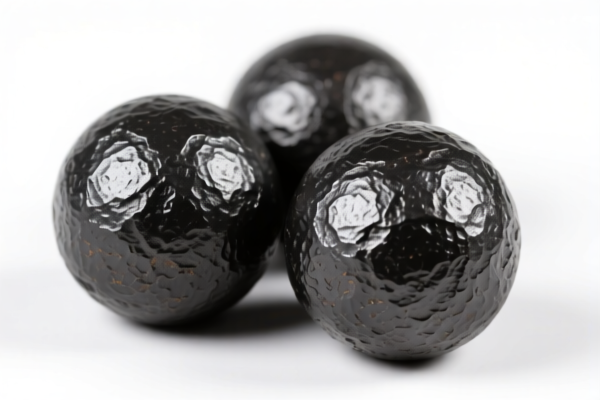
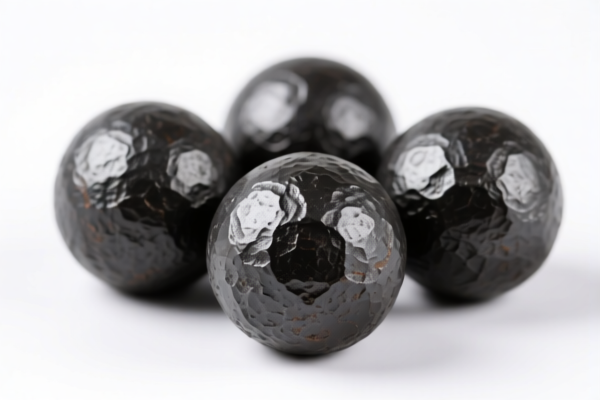
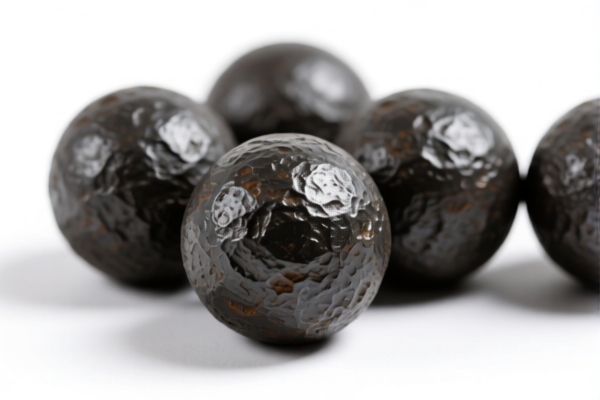
AI Analysis
🐕 Dog Grinding Ball (Pet Chew Toys)
🌐 HS Code Reference & Customs Clearance Guide | 2026 Latest Tariff Analysis | Professional Level Entry Strategy
📌 I. Product Definition & Classification: Do You Really Understand the "Dog Grinding Ball"?
A Dog Grinding Ball (also known as a Dog Chew Ball or Pet Toy Ball) is a durable toy designed for dogs to bite, chew, and play with. It serves dual purposes: entertainment and dental hygiene (grinding off tartar). In international trade, classification depends heavily on material composition (Rubber vs. Plastic) and primary function (Toy vs. Other Rubber Article).
⚠️ Key Classification Distinction:
- If made of Rubber and primarily for pets: Could fall under Ch 40 (Rubber Articles) or Ch 95 (Toys).
- If made of Plastic and primarily for pets: Almost always falls under Ch 95 (Toys).
- Critical Note: Customs often scrutinize "Rubber" toys to ensure they aren't classified as general industrial rubber parts (Ch 40), which may have different tariff structures or "Section 301" implications depending on origin.
📦 II. HS Code Classification Details (Based on Provided Data)
| HS Code | Product Description | Matching Logic from Data | Est. Total Tax Rate (China Origin to US)* |
|---|---|---|---|
| 4016.99.20.00 | Rubber Products for Pets | Match by Purpose (Pet Toy) & Name. Material inferred as Rubber. | 14.3% |
| 4016.91.00.00 | Sulfur-Rubber Articles | Match by Material (Sulfurized Rubber). Classified as "Other Rubber Articles" (not carpets/mats). | 37.7% |
| 9503.00.00.13 | Rubber Inflatable Toys | Match by Form (Ball) & Use (Toy). Material inferred as Rubber/Plastic. Fits "Rubber Inflatable Toys". | 10.0% |
| 9503.00.00.11 | General Toy Balls | Match by Form (Toy Ball). Material inferred as Rubber/Soft Material. Fits general "Toy Ball" characteristics. | 10.0% |
| 9603.21.00.00 | Dog Toothbrushes | Match by Use (Brushing) & Form (Toothbrush). Inferred as a brushing tool rather than a ball toy. | 17.5% |
📌 Important Note on "9603.21.00.00":
The data includes a toothbrush entry. If your "Grinding Ball" has bristles or is explicitly marketed as a "Dental Care Toothbrush for Dogs," it might be classified here. However, if it is a solid ball for chewing, 9503 or 4016 are more likely. Do not use 9603 for a standard chew ball unless it has specific brushing features.
💰 III. 2026 Latest Tariff Rate Breakdown (Including Additional Duties)
✅ Applicable Country: United States (US)
✅ Origin: China (CN)
✅ Effective Date: From November 10, 2025 (and subsequent imports)
🎯 1. 9503.00.00.13 & 9503.00.00.11 —— Toys (Highest Cost-Effectiveness)
| Item | Content |
|---|---|
| Base Tariff | 0% (Ad Valorem) |
| USITC Additional Duty | 0% (No Section 301 additional duty on these specific subheadings for toys) |
| IEEPA Additional Duty | +10% (Targeting China/HK products, effective Nov 10, 2025) |
| Total Effective Rate | 10.0% |
| Tax Calculation | CIF Value × 10% |
| De Minimis Exemption | ❌ Not Eligible (Deemed as "Deny De Minimis" due to IEEPA/Trade War factors) |
| Legal Basis Path | IEEPA:9903.01.24 → USITC:9503.00.00.11/13 |
📌 Explanation:
- Toys (Ch 95) generally enjoy 0% base duty.
- However, the 10% IEEPA tariff applies to all Chinese-origin goods subject to specific executive orders.
- Total: 10% is the lowest option among the rubber/toy classifications.
- Strategic Advantage: If your ball is made of plastic or is clearly defined as a toy, this is the optimal HS Code.
🎯 2. 4016.99.20.00 —— Other Rubber Articles (Pet Specific)
| Item | Content |
|---|---|
| Base Tariff | 4.3% |
| USITC Additional Duty | 0% |
| IEEPA Additional Duty | +10% |
| Total Effective Rate | 14.3% |
| Tax Calculation | CIF Value × 14.3% |
| De Minimis Exemption | ❌ Not Eligible |
| Legal Basis Path | IEEPA:9903.01.24 → USITC:4016.99.20.00 |
📌 Explanation:
- This code specifically mentions Pet Toys in the summary.
- Higher base duty (4.3%) makes it more expensive than Ch 95.
- Use this if Customs insists the item is a Rubber Article rather than a Toy, but you want to claim the "Pet" exemption where applicable.
🎯 3. 4016.91.00.00 —— Sulfurized Rubber (High Risk/Cost)
| Item | Content |
|---|---|
| Base Tariff | 2.7% |
| USITC Additional Duty | +25% (Section 301 Footnote) |
| IEEPA Additional Duty | +10% |
| Total Effective Rate | 37.7% |
| Tax Calculation | CIF Value × 37.7% |
| De Minimis Exemption | ❌ Not Eligible |
| Legal Basis Path | IEEPA:9903.01.24 → USITC:4016.91.00.00 → FOOTNOTE:9903.88.01 |
📌 Warning:
- This code attracts the full 25% Section 301 tariff.
- Avoid this classification unless the product is strictly industrial sulfur rubber not otherwise specified.
- Cost Impact: Significantly higher. Do not use for standard pet toys.
🎯 4. 9603.21.00.00 —— Dog Toothbrushes (If Applicable)
| Item | Content |
|---|---|
| Base Tariff | 0% |
| USITC Additional Duty | +7.5% (Specific Footnote) |
| IEEPA Additional Duty | +10% |
| Total Effective Rate | 17.5% |
| Tax Calculation | CIF Value × 17.5% |
📌 Explanation:
- Only applicable if the product is a Toothbrush with bristles.
- If it is a ball, this is likely incorrect classification and could lead to customs penalties.
🛠️ IV. Customs Clearance Practical Advice (Avoid Pitfalls)
✅ 1. Material Declaration is Critical
| Material | Recommended HS Code | Reason |
|---|---|---|
| Plastic | 9503.00.00.11 |
Clearly a toy. Lowest duty (10%). |
| Rubber (Solid) | 9503.00.00.13 or 4016.99.20.00 |
If defined as "Toy," use Ch 95. If defined as "Rubber Article," use Ch 40. |
| Plush/Fabric | 9503.00.00.11 |
Still considered a toy. |
| With Bristles | 9603.21.00.00 |
Only if it functions as a toothbrush. |
🔥 Key Tip:
- Always declare the material accurately. If you declare a rubber ball as "Plastic," customs may seize it for misdeclaration.
- Use "Toy" Language: Describe the item as "Rubber Dog Toy Ball" or "Plastic Chew Toy." Avoid terms like "Industrial Rubber Part" or "Gasket."
✅ 2. Documentation Requirements
| Document | Required? | Notes |
|---|---|---|
| Commercial Invoice | ✅ Yes | Clearly state: "Dog Toy Ball, Material: Rubber/Plastic, Use: Pet Entertainment & Dental Care." |
| Product Photos | ✅ Yes | Show the ball, any bristles (if applicable), and packaging. |
| Material Test Report | ✅ Recommended | Certify non-toxicity (RoHS/REACH) for pet products. Customs may request this to ensure it's not hazardous rubber. |
| Origin Certificate | ✅ Yes | To prove CN origin for IEEPA calculation. |
✅ 3. Common Misclassifications & Risks
| Mistake | Consequence | Correction |
|---|---|---|
Declaring a Rubber Ball as 4016.91.00.00 |
37.7% Tax (High Risk) | Reclassify to 9503 (Toy) if it is primarily for pets. |
Declaring a Ball as 9603.21.00.00 (Toothbrush) |
17.5% Tax + Risk of Misdeclaration | Only use 9603 if it has visible bristles. Otherwise, use 9503. |
| Ignoring IEEPA 10% | Underpayment of Duties | Budget for 10% on all Ch 95/Ch 40 goods from China. |
🌍 V. Global Market Comparison (2026)
| Market | Recommended HS Code | Est. Total Duty | Notes |
|---|---|---|---|
| 🇺🇸 USA | 9503.00.00.11 |
10% (0% Base + 10% IEEPA) | Best option for Toys. |
| 🇺🇸 USA | 4016.99.20.00 |
14.3% (4.3% Base + 10% IEEPA) | Alternative for Rubber Pets. |
| 🇨🇳 China | 9503.00.00.11 |
5% - 9% | Lower duties, no IEEPA. |
| 🇪🇺 EU | 9503.00.00.11 |
0% - 2% | Low duties for toys. CE Marking required. |
📌 VI. Conclusion & Strategic Recommendation
🎯 Best Practice for Dog Grinding Balls:
-
If Plastic: Use
9503.00.00.11.- Tax: 10%.
- Reason: Clear Toy classification, lowest risk, lowest duty.
-
If Rubber: Try to use
9503.00.00.13(Rubber Inflatable Toys) or9503.00.00.11(General Toy).- Tax: 10%.
- Reason: Still classified as a Toy.
- Caution: If customs rejects Ch 95 for solid rubber, fallback to
4016.99.20.00(14.3%). Avoid4016.91.00.00(37.7%) at all costs.
-
If It Has Bristles: Use
9603.21.00.00.- Tax: 17.5%.
- Reason: Specific for toothbrushes.
💡 Final Tip:
"Toy First, Material Second."
Always emphasize the Play/Chew function in your description. The word "Toy" is your best friend for lowering duties. Avoid ambiguous terms like "Chewer" or "Gripper" without "Toy."
📣 Immediate Action:
📞 Confirm Material (Plastic vs. Rubber) with your supplier.
📝 Draft Invoice as "Dog Toy Ball" not "Rubber Part."
💰 Budget for 10% Total Duty for US Imports (China Origin).
✨ Professional Clearance Starts with Precise Classification!
💼 Your Profit Margin Depends on Getting the HS Code Right!
Customer Reviews
About HS Code Classification
The Harmonized System (HS) is an internationally standardized nomenclature developed by the World Customs Organization (WCO) to classify traded products. Over 200 countries use the HS system as the basis for customs tariffs, trade statistics, and import/export regulations.
Each HS code follows a hierarchical structure:
- Chapter (2 digits) — Broad category of goods (e.g., Chapter 84: Machinery and Mechanical Appliances)
- Heading (4 digits) — More specific grouping within the chapter
- Subheading (6 digits) — Internationally standardized breakdown, used by all WCO member countries
- National subdivisions (8-10 digits) — Country-specific extensions for further classification, such as US HTSUS 10-digit codes
Correct HS code classification is essential for smooth customs clearance, accurate duty payment, and compliance with trade regulations. Misclassification can lead to customs delays, overpayment of duties, or penalties.
When importing from CN to US, the applicable tariff rates may include:
- Most-Favored-Nation (MFN) rate — The standard duty rate applied to WTO members
- General rate — Applied to countries without trade agreements
- Trade remedy duties — Additional tariffs such as Section 301 (anti-dumping), Section 232 (national security), or countervailing duties
The information provided on this page is for reference purposes only. For official classification, please consult with your local customs authority or a licensed customs broker.