Dog Harness
CN → US| HS Code | Tariff Rate | Origin | Destination | Doc |
|---|---|---|---|---|
| 4205004000 | 36.8% | CN | US | Official Doc |
| 6307909891 | 24.5% | CN | US | Official Doc |
| 6307907500 | 14.3% | CN | US | Official Doc |
| 4205008000 | 35.0% | CN | US | Official Doc |
| 6217108500 | 24.6% | CN | US | Official Doc |
| 4201006000 | 37.8% | CN | US | Official Doc |
Product Images
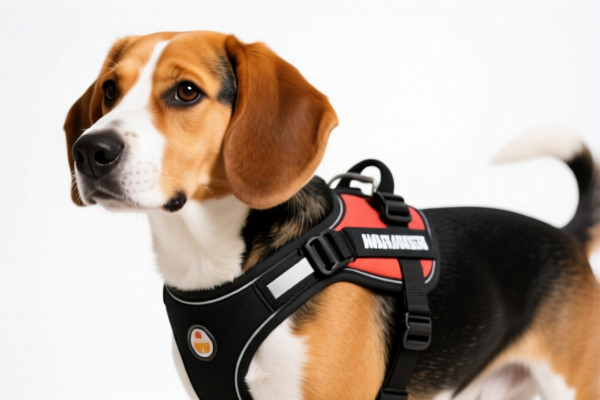
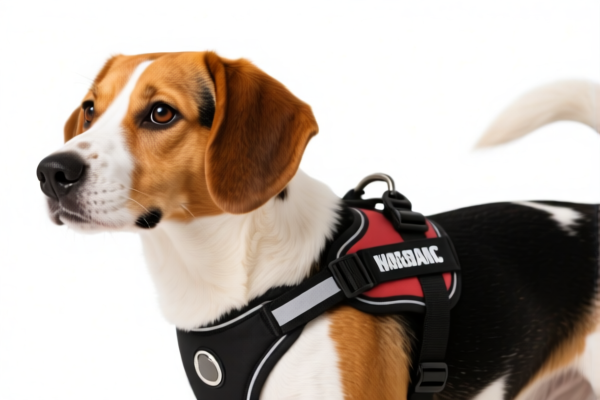
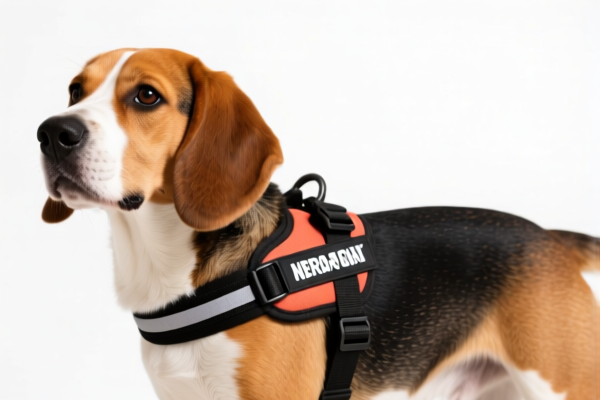
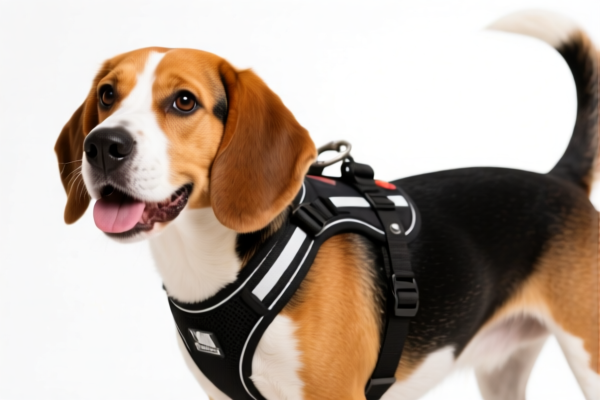
AI Analysis
🐕 Dog Harnesses (Pet Products)
🌐 HS Code Reference & Clearance Guide | 2026 Latest Tariff Analysis | Professional Customs Strategy
📌 I. Product Definition & Classification: Do You Really Understand "Dog Harnesses"?
Dog harnesses are essential pet accessories used to control, secure, or guide dogs during walks, training, or travel. In international trade, their classification depends strictly on the primary material and construction. Misclassification can lead to significant tariff differences (from 14.3% to 37.8%) and customs delays.
International trade distinguishes dog harnesses into two main categories:
Leather/Synthetic Leather Harnesses: Made primarily from leather or materials resembling leather (e.g., PU leather, bonded leather).
Textile/Synthetic Material Harnesses: Made from nylon, polyester, canvas, mesh, or other woven fabrics.
⚠️ Key Distinction Point:
- If the material is leather-based (even if synthetic like PU), it falls under Chapter 42 (Leather Articles).
- If the material is fabric-based (nylon, polyester, cotton), it falls under Chapter 60-63 (Textiles/Other Made-up Articles).
- Note: "Synthetic Leather" (like PVC-coated fabric) is often treated as leather goods in customs if it mimics leather structure, leading to higher tariffs.
📦 II. HS Code Classification Details (2026 Latest Tariff Authority Comparison)
Based on the provided data, here is the precise mapping of Dog Harnesses to HS Codes and their tax implications.
| HS Code | Product Description | Material Basis | Total Tax Rate | Tax Breakdown |
|---|---|---|---|---|
4205.00.40.00 |
Dog Harness based on leather or synthetic leather | Leather/Synthetic Leather | 36.8% | Base: 1.8% + Section 301: 25.0% + 122 Clause: 10% |
4205.00.80.00 |
Other leather/synthetic leather articles (Dog Harness) | Leather/Synthetic Leather | 35.0% | Base: 0.0% + Section 301: 25.0% + 122 Clause: 10% |
6307.90.98.91 |
Other made-up textile articles (Dog Harness) | Fabric/Synthetic Materials | 24.5% | Base: 7.0% + Section 301: 7.5% + 122 Clause: 10% |
6307.90.75.00 |
Pet products made of textile materials | Textile Materials | 14.3% | Base: 4.3% + Section 301: 0.0% + 122 Clause: 10% |
6217.10.85.00 |
Made-up clothing accessories (Dog Safety Harness) | Fabric/Nylon | 24.6% | Base: 14.6% + Section 301: 0.0% + 122 Clause: 10% |
4201.00.60.00 |
Animal saddlery & harnessing (Dog Safety Harness) | Fabric/Nylon | 37.8% | Base: 2.8% + Section 301: 25.0% + 122 Clause: 10% |
🔍 Key Insight:
- Lowest Tax (14.3%):6307.90.75.00is the most cost-effective if the product can be classified strictly as "Textile Material Pet Products" with 0% Section 301 tariff.
- Highest Tax (37.8%):4201.00.60.00applies if the harness is deemed "Animal Saddlery/Harnessing" made of fabric, attracting full 25% Section 301 tariff.
- Leather Trap: Even "synthetic leather" (PU) often triggers Chapter 42 codes, resulting in ~35-37% total tax, which is significantly higher than textile codes.
💰 III. 2026 Latest Tariff Rate Details (Including Surcharges & Policy Add-ons)
✅ Applicable Country: United States (US)
✅ Origin: China (CN)
✅ Effective Time: 2025-11-10 onwards (for subsequent imports)
🎯 1. 4205.00.40.00 & 4205.00.80.00 — Leather/Synthetic Leather Harnesses
| Item | Content |
|---|---|
| Base Duty Rate | 0.0% - 1.8% (Ad Valorem) |
| Section 301 Surcharge | +25.0% (Mandatory for Chinese origin) |
| 122 Clause Surcharge | +10.0% (Specific trade restriction) |
| Total Tax Rate | 35.0% - 36.8% |
| Calculation | CIF Value × Total Rate |
| De Minimis Exemption | ❌ Not Eligible (High tariff threshold) |
| Legal Basis Path | Section 301 → 122 Clause → USITC:4205.xxxx.xxxx |
📌 Explanation:
- Products classified under Chapter 42 (Leather) are heavily impacted by Section 301 tariffs.
- Even if the base duty is 0%, the 25% + 10% surcharges make this the most expensive category.
- Warning: Do not label PU leather as "fabric" to avoid this; customs may reclassify it, leading to penalties.
🎯 2. 6307.90.98.91 — Other Made-up Textile Articles
| Item | Content |
|---|---|
| Base Duty Rate | 7.0% |
| Section 301 Surcharge | +7.5% |
| 122 Clause Surcharge | +10.0% |
| Total Tax Rate | 24.5% |
| Calculation | CIF Value × 24.5% |
| De Minimis Exemption | ❌ Not Eligible |
| Legal Basis Path | Section 301 → 122 Clause → USITC:6307.90.98.91 |
📌 Note:
- This code applies to general "other made-up textile articles" not specifically designated as pet products or clothing accessories.
- Lower than leather codes, but still subject to moderate Section 301 impact.
🎯 3. 6307.90.75.00 — Textile Material Pet Products (★ Recommended)
| Item | Content |
|---|---|
| Base Duty Rate | 4.3% |
| Section 301 Surcharge | 0.0% (Exempted or specific subheading exclusion) |
| 122 Clause Surcharge | +10.0% |
| Total Tax Rate | 14.3% |
| Calculation | CIF Value × 14.3% |
| De Minimis Exemption | ❌ Not Eligible |
| Legal Basis Path | 122 Clause → USITC:6307.90.75.00 |
📌 Critical Advantage:
- This is the lowest cost option in the dataset.
- It explicitly classifies the product as a pet product made of textile material.
- Requirement: Must be clearly made of woven/knitted fabric (nylon, polyester) and not leather-like synthetic.
🎯 4. 6217.10.85.00 — Clothing Accessories (Fabric/Nylon)
| Item | Content |
|---|---|
| Base Duty Rate | 14.6% |
| Section 301 Surcharge | 0.0% |
| 122 Clause Surcharge | +10.0% |
| Total Tax Rate | 24.6% |
| Calculation | CIF Value × 24.6% |
| De Minimis Exemption | ❌ Not Eligible |
| Legal Basis Path | 122 Clause → USITC:6217.10.85.00 |
📌 Note:
- Classified under "Made-up Clothing Accessories."
- Suitable for harnesses that resemble clothing parts or are marketed as such.
- No Section 301 tariff, but higher base duty than pet-specific textile code.
🎯 5. 4201.00.60.00 — Animal Saddlery (Fabric/Nylon)
| Item | Content |
|---|---|
| Base Duty Rate | 2.8% |
| Section 301 Surcharge | +25.0% |
| 122 Clause Surcharge | +10.0% |
| Total Tax Rate | 37.8% |
| Calculation | CIF Value × 37.8% |
| De Minimis Exemption | ❌ Not Eligible |
| Legal Basis Path | Section 301 → 122 Clause → USITC:4201.00.60.00 |
📌 Warning:
- Although it is made of fabric, classifying as "Animal Saddlery" triggers the full 25% Section 301 tariff.
- This is the highest tax rate in the dataset.
- Avoid this code unless the product is strictly defined as professional saddlery equipment, not a consumer pet harness.
🛠️ IV. Clearance Practical Advice (Avoiding Pitfalls)
✅ 1. Documentation Checklist (Essential)
| Document | Required | Description |
|---|---|---|
| ✅ Product Specification Sheet | ✔️ | Must detail material composition (e.g., "100% Nylon Webbing," "Polyester Lining"). Do not use vague terms like "Synthetic." |
| ✅ Material Sample/Photos | ✔️ | Clear photos showing texture (fabric weave vs. leather grain). |
| ✅ Commercial Invoice | ✔️ | Describe as "Dog Harness, Textile Material, Pet Product" for 6307.90.75.00 or "Animal Harness, Leather, for Pet Use" for 4205. |
| ✅ Packing List | ✔️ | Confirm no hidden leather parts that could trigger Chapter 42 classification. |
| ✅ Customs Ruling (If Available) | ✔️ | Previous Advance Ruling supports your HS code choice. |
✅ 2. Declaration Tips (Key Mantras)
🔥 "Material is King, Description is Queen, Pet Product Wins the Deal!"
| Scenario | Correct Declaration | Wrong Practice |
|---|---|---|
| Nylon/Polyester Harness | 6307.90.75.00 (Pet Product, Textile) |
Misdeclare as 4201 (Saddlery) → 37.8% Tax |
| PU Leather Harness | 4205.00.40.00 (Leather Article) |
Declare as 6307 (Textile) → Customs Seizure/Fine |
| Mixed Material (Fabric + Leather Trim) | Analyze Primary Material. If leather >50% or essential character, use 4205. |
Split declaration without justification → Delay |
| Professional Equestrian Gear | 4201.00.60.00 (Saddlery) |
Use for pet harnesses → 37.8% Tax |
✅ 3. Special Case Handling
| Situation | Handling Advice |
|---|---|
| PU "Leather" | If it looks and feels like leather, customs will likely apply Chapter 42 rates (~35-37%). Consider redesigning with fabric if cost is a concern. |
| Harness with Metal Buckles/Plates | The metal/plastic parts are considered accessories and do not change the primary classification of the textile/leather body. |
| Custom/OEM Design | Ensure the invoice clearly states "Pet Dog Harness" to support 6307.90.75.00 if made of textile. Avoid "Saddlery" in descriptions. |
| Kit Packages (Harness + Leash) | Declare as a set. Classification follows the essential character of the set. If leash is textile and harness is textile, use textile code. |
🌍 V. Global Market Clearance Comparison (2026 Latest)
| Country/Region | Recommended HS Code | Tariff (China Origin) | Certification | Notes |
|---|---|---|---|---|
| 🇺🇸 USA | 6307.90.75.00 |
14.3% (Lowest) | No specific | Avoid 4201 and 4205 due to 301 tariffs. |
| 🇺🇸 USA | 4205.00.40.00 |
36.8% (High) | No specific | Only for genuine/PU leather. |
| 🇨🇳 China | 6307.90.75.00 |
~5-10% | CCC (if applicable) | Lower domestic rates. |
| 🇪🇺 EU | 6307.90.98 |
0-4% | CE (if electrical) | Generally lower tariffs for textiles. |
| 🇬🇧 UK | 6307.90.98 |
0-4% | UKCA | Post-Brexit rules apply. |
📌 Conclusion:
- The USA is the critical market with high tariffs due to Section 301 and 122 Clause.
- Strategic Choice: If your harness can be made of textile materials (nylon, polyester, mesh), strictly classify under6307.90.75.00to save ~22-23% in taxes compared to leather or saddlery codes.
- Leather Products: Accept the higher cost or explore duty-eligible origins (e.g., Vietnam, Mexico) if possible.
📌 VI. Common Mistakes & Pitfalls (Blood Lessons)
❌ Mistake 1: Calling a PU Leather harness "Fabric" to get 6307.90.75.00
👉 Consequence: Customs inspects sample, finds leather-like material, reclassifies to 4205, charges back taxes + penalties.
❌ Mistake 2: Using 4201.00.60.00 (Saddlery) for a simple pet nylon harness
👉 Consequence: Tax jumps from 14.3% to 37.8%. Unnecessary cost increase.
❌ Mistake 3: Not disclosing material composition on the invoice
👉 Consequence: Customs assigns a "Duty of Last Resort" or ambiguous code, causing delays and potential overpayment.
✅ Correct Practice:
"Dog Harness, Model XYZ, Made of 100% Woven Nylon Webbing with Polyester Lining, Plastic Buckles. For Pet Use."
→ Supports6307.90.75.00(14.3% Tax).
🎯 VII. Conclusion: Professional Declaration, Save Costs!
🎯 Remember the Mantra:
🔹 "Textile Pet Product Wins: 14.3% Tax!"
🔹 "Leather or Saddlery: 35-38% Tax Pain!"
🔹 "Describe Material Clearly, Avoid Misclassification!"
📌 Pro Tip:
- If you have a mix of textile and leather components, consult a customs broker before shipment to determine the "essential character."
- Consider Advance Rulings if you are importing large volumes of mixed-material harnesses to ensure consistency.
📣 Take Action Now:
📞 Contact a Licensed Customs Broker + Provide Material Samples + Apply for HS Code Pre-Ruling
🚀 Clear Customs Smoothly, Maximize Profits, Expand Your Pet Brand!
✨ Professional Clearance Starts with Accurate Classification!
💼 Every Dollar Saved in Tariffs is Pure Profit!
Customer Reviews
About HS Code Classification
The Harmonized System (HS) is an internationally standardized nomenclature developed by the World Customs Organization (WCO) to classify traded products. Over 200 countries use the HS system as the basis for customs tariffs, trade statistics, and import/export regulations.
Each HS code follows a hierarchical structure:
- Chapter (2 digits) — Broad category of goods (e.g., Chapter 84: Machinery and Mechanical Appliances)
- Heading (4 digits) — More specific grouping within the chapter
- Subheading (6 digits) — Internationally standardized breakdown, used by all WCO member countries
- National subdivisions (8-10 digits) — Country-specific extensions for further classification, such as US HTSUS 10-digit codes
Correct HS code classification is essential for smooth customs clearance, accurate duty payment, and compliance with trade regulations. Misclassification can lead to customs delays, overpayment of duties, or penalties.
When importing from CN to US, the applicable tariff rates may include:
- Most-Favored-Nation (MFN) rate — The standard duty rate applied to WTO members
- General rate — Applied to countries without trade agreements
- Trade remedy duties — Additional tariffs such as Section 301 (anti-dumping), Section 232 (national security), or countervailing duties
The information provided on this page is for reference purposes only. For official classification, please consult with your local customs authority or a licensed customs broker.