Dog Leash
CN → US| HS Code | Tariff Rate | Origin | Destination | Doc |
|---|---|---|---|---|
| 5609001000 | 37.9% | CN | US | Official Doc |
| 4205002000 | 35.0% | CN | US | Official Doc |
| 4201006000 | 12.8% | CN | US | Official Doc |
| 5609003000 | 39.5% | CN | US | Official Doc |
| 4201003000 | 37.4% | CN | US | Official Doc |
Product Images
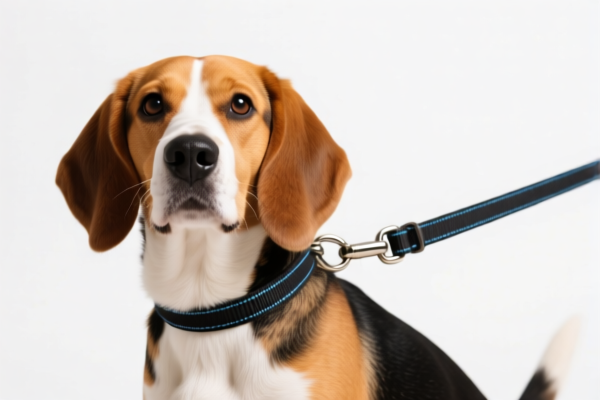
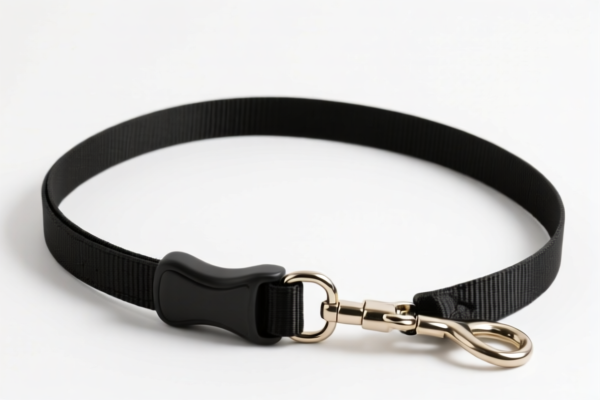
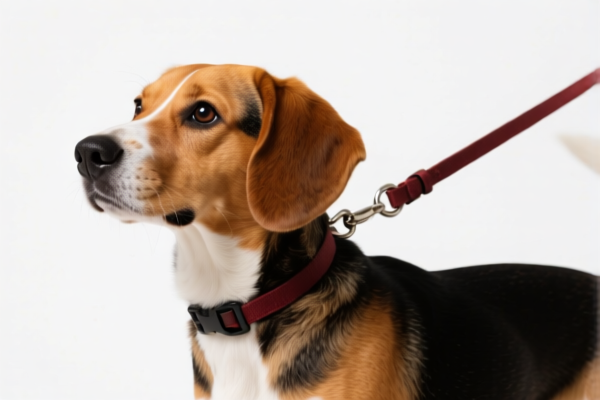
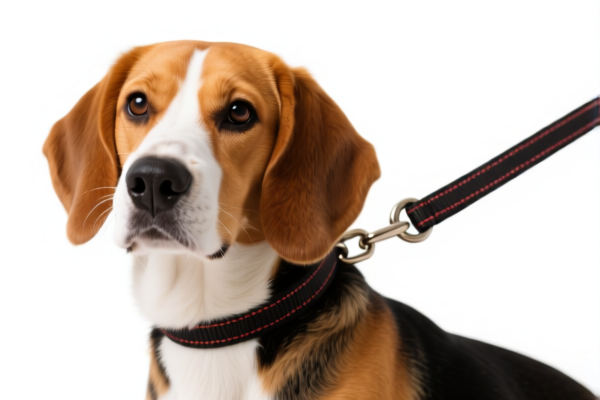
AI Analysis
🐕 Dog Leashes: HS Code Classification & Customs Clearance Guide | 2026 Update
🌐 HS Code Reference & Customs Strategy | Professional Classification Guide
📌 I. Product Definition: What is a "Dog Leash"?
A dog leash is an accessory used for controlling, restraining, or guiding dogs during walks or training. In international trade, classification depends heavily on material and specific use-case nuances, though the primary driver is the material composition.
⚠️ Key Distinction Points:
- Textile/Fiber Leashes (Cotton, Nylon, Polyester) → Classified under Chapter 56 (Textile articles).
- Leather/Plated Leashes → Classified under Chapter 42 (Articles of leather).
- Animal Use Accessories → Sometimes classified under Chapter 42 (Specific animal用品) if material is ambiguous or specific.
📦 II. HS Code Classification Details (Based on Provided Data)
The following HS codes are derived from the provided dataset. Note that tax rates include Base Tariff, Section 301 Additional Tariff (25%), and Section 122 Tariff (10%) where applicable.
| HS Code | Product Description | Material Assumption | Total Tax Rate |
|---|---|---|---|
5609.00.10.00 |
Rope, cordage, twine, or net-like products | Cotton or similar textile fibers | 37.9% |
4205.00.20.00 |
Other articles of leather or composite leather | Leather or synthetic leather | 35.0% |
4201.00.60.00 |
Articles of animal origin (excluding fur), for animals | Fabric, Leather, or mixed (Animal accessory) | 12.8% |
5609.00.30.00 |
Rope, cordage, twine, or net-like products (Synthetic) | Artificial fibers (Nylon, Polyester) | 39.5% |
4201.00.30.00 |
Saddle harness or other animal articles | Any material (General animal article) | 37.4% |
🔍 Critical Analysis:
-4201.00.60.00offers the lowest tax rate (12.8%) among all options. This code covers "articles of animal origin... for animals," which explicitly includes leashes.
-5609.00.30.00(Synthetic Rope) has the highest rate (39.5%) due to higher base tariffs combined with additional duties.
-4201.00.30.00and5609.00.10.00fall in the mid-to-high range (37.4% - 37.9%).
-4205.00.20.00(Leather) sits at 35.0%, with a 0% base tariff but still subject to 25% + 10% additional duties.
💰 III. Detailed Tariff Breakdown & Legal Basis
✅ Applicable Jurisdiction: United States (US)
✅ Origin: China (CN)
✅ Effective Date: Post-2025 policies (Section 301 & 122)
🎯 1. 4201.00.60.00 — Recommended for Cost Optimization
Classified as: Articles of animal origin, for animals
| Item | Detail |
|---|---|
| Base Tariff | 2.8% |
| Section 301 Additional Tariff | 0.0% (No additional 25% tariff applied to this specific subheading under current data) |
| Section 122 Tariff | 10.0% |
| Total Tax Rate | 12.8% |
| Calculation | CIF Value × 12.8% |
| De Minimis Exemption | ❌ Not Eligible (Deny de minimis) |
| Legal Path | USITC:4201.00.60.00 → FOOTNOTE:Section 122 |
📌 Why this is the best option:
- Lowest total tax burden (12.8%).
- No Section 301 tariff (25%) applies to this specific code in the provided data.
- Justification: Dog leashes are explicitly "articles for animals." This classification avoids the higher textile or leather base rates and additional penalties.
🎯 2. 4205.00.20.00 — Leather/Composite Leather Leashes
| Item | Detail |
|---|---|
| Base Tariff | 0.0% |
| Section 301 Additional Tariff | 25.0% |
| Section 122 Tariff | 10.0% |
| Total Tax Rate | 35.0% |
| Calculation | CIF Value × 35.0% |
| De Minimis Exemption | ❌ Not Eligible |
| Legal Path | USITC:4205.00.20.00 → FOOTNOTE:Section 301 + Section 122 |
📌 Note:
- While the base tariff is 0%, the addition of 25% (Section 301) and 10% (Section 122) brings the total to 35.0%.
- Suitable only if the product is genuinely leather/synthetic leather and cannot be classified under4201.00.60.00.
🎯 3. 4201.00.30.00 — General Animal Articles (Any Material)
| Item | Detail |
|---|---|
| Base Tariff | 2.4% |
| Section 301 Additional Tariff | 25.0% |
| Section 122 Tariff | 10.0% |
| Total Tax Rate | 37.4% |
| Calculation | CIF Value × 37.4% |
| De Minimis Exemption | ❌ Not Eligible |
| Legal Path | USITC:4201.00.30.00 → FOOTNOTE:Section 301 + Section 122 |
📌 Note:
- This is a fallback category for animal accessories.
- Higher than4201.00.60.00due to the 25% Section 301 tariff.
🎯 4. 5609.00.10.00 — Cotton/Textile Rope Leashes
| Item | Detail |
|---|---|
| Base Tariff | 2.9% |
| Section 301 Additional Tariff | 25.0% |
| Section 122 Tariff | 10.0% |
| Total Tax Rate | 37.9% |
| Calculation | CIF Value × 37.9% |
| De Minimis Exemption | ❌ Not Eligible |
| Legal Path | USITC:5609.00.10.00 → FOOTNOTE:Section 301 + Section 122 |
📌 Note:
- Common for cotton leashes.
- Tax rate is 37.9%, significantly higher than the optimal4201.00.60.00.
🎯 5. 5609.00.30.00 — Synthetic (Nylon/Polyester) Rope Leashes
| Item | Detail |
|---|---|
| Base Tariff | 4.5% |
| Section 301 Additional Tariff | 25.0% |
| Section 122 Tariff | 10.0% |
| Total Tax Rate | 39.5% |
| Calculation | CIF Value × 39.5% |
| De Minimis Exemption | ❌ Not Eligible |
| Legal Path | USITC:5609.00.30.00 → FOOTNOTE:Section 301 + Section 122 |
📌 Note:
- Highest tax rate (39.5%) among all options.
- Synthetic materials like Nylon and Polyester fall here.
- Avoid this classification if possible due to cost implications.
🛠️ IV. Customs Clearance Best Practices
✅ 1. Documentation Checklist
| Document | Requirement | Notes |
|---|---|---|
| Commercial Invoice | Must specify "Dog Leash" and material (e.g., "Nylon Dog Leash") | Be precise to avoid misclassification. |
| Product Description | "Dog Leash, Material: [Material], Use: Pet Control" | Include brand, model, and quantity. |
| Material Declaration | Certify material (Cotton, Nylon, Leather) | Crucial for correct HS Code selection. |
| Proof of Animal Accessory Use | Photos of product in use (with dog) | Supports classification under 4201.00.60.00. |
| Certificate of Origin | If applicable for non-China origin | For preferential rates under FTAs. |
✅ 2. Classification Strategy (Pro Tips)
🔥 "Choose the Animal Code, Not the Material Code!"
| Scenario | Recommended HS Code | Why? |
|---|---|---|
| Any Dog Leash (Cotton, Nylon, Leather, etc.) | 4201.00.60.00 |
Lowest tax (12.8%). No Section 301 tariff. Specific to "articles for animals." |
Leather Leash Only (If 4201.00.60.00 is rejected) |
4205.00.20.00 |
Lower than textile codes, but still high (35%). |
| Cotton Leash | 5609.00.10.00 |
High tax (37.9%). Avoid if possible. |
| Nylon/Polyester Leash | 5609.00.30.00 |
Highest tax (39.5%). Avoid if possible. |
📌 Key Argument for
4201.00.60.00:
- This code is specifically for "articles of animal origin... for animals."
- Dog leashes are unequivocally for animals.
- Material does not need to be animal-origin (e.g., nylon is acceptable under "articles... for animals").
- This classification exempts you from the 25% Section 301 tariff (as per provided data), saving 25% compared to textile/leather codes.
✅ 3. Common Mistakes to Avoid
❌ Mistake 1: Classifying nylon leashes under 5609.00.30.00 (Rope, synthetic).
👉 Result: 39.5% tax.
✅ Fix: Use 4201.00.60.00 (12.8%).
❌ Mistake 2: Classifying leather leashes under 4205.00.20.00 (Leather articles).
👉 Result: 35.0% tax.
✅ Fix: Use 4201.00.60.00 (12.8%) if it can be justified as an "animal article."
❌ Mistake 3: Ignoring Section 301 vs. Section 122.
👉 Result: Unexpected high duties.
✅ Fix: Always check the Total Tax Rate and legal basis.
🌍 V. Global Market Comparison (2026)
| Market | Recommended HS Code | Approx. Tax Rate | Notes |
|---|---|---|---|
| 🇺🇸 USA | 4201.00.60.00 |
12.8% | Best option. Avoid Chapter 56/42 (non-4201) due to 301/122 tariffs. |
| 🇨🇳 China | 4201.00.60.00 |
~5-10% | Lower base rates. No Section 301. |
| 🇪🇺 EU | 4201.00.60.00 |
0-4% | No Section 301/122. Standard EU duty. |
| 🇬🇧 UK | 4201.00.60.00 |
~5% | Post-Brexit tariffs. |
📌 Conclusion:
- USA is the most challenging market due to Section 301 and 122 tariffs.
-4201.00.60.00is the only code that avoids the 25% Section 301 tariff in the provided data.
- Always aim for4201.00.60.00for dog leashes from China to the US.
📌 VI. Final Recommendations
- Classify All Dog Leashes under
4201.00.60.00regardless of material (Cotton, Nylon, Leather). - Justify with "Animal Accessory" in customs declarations.
- Avoid Chapter 56 (Rope/Cordage) unless specifically required by customs, as it incurs 37.4%-39.5% taxes.
- Double-check with a licensed customs broker to confirm
4201.00.60.00eligibility for your specific product.
🎯 Pro Tip:
"Pet Leash, Not Rope! Use 4201.00.60.00, Save 25%, Win!"
Don’t let material dictate your tax—let use dictate your code!
📣 Need Help?
📞 Contact a licensed customs broker for pre-classification rulings.
📄 Prepare photos of the leash in use with a dog.
📝 Clearly state "For Pets" in all commercial documents.
✨ Smart Classification = Lower Costs = Higher Profits!
💼 Don’t overpay taxes—classify wisely!
Customer Reviews
About HS Code Classification
The Harmonized System (HS) is an internationally standardized nomenclature developed by the World Customs Organization (WCO) to classify traded products. Over 200 countries use the HS system as the basis for customs tariffs, trade statistics, and import/export regulations.
Each HS code follows a hierarchical structure:
- Chapter (2 digits) — Broad category of goods (e.g., Chapter 84: Machinery and Mechanical Appliances)
- Heading (4 digits) — More specific grouping within the chapter
- Subheading (6 digits) — Internationally standardized breakdown, used by all WCO member countries
- National subdivisions (8-10 digits) — Country-specific extensions for further classification, such as US HTSUS 10-digit codes
Correct HS code classification is essential for smooth customs clearance, accurate duty payment, and compliance with trade regulations. Misclassification can lead to customs delays, overpayment of duties, or penalties.
When importing from CN to US, the applicable tariff rates may include:
- Most-Favored-Nation (MFN) rate — The standard duty rate applied to WTO members
- General rate — Applied to countries without trade agreements
- Trade remedy duties — Additional tariffs such as Section 301 (anti-dumping), Section 232 (national security), or countervailing duties
The information provided on this page is for reference purposes only. For official classification, please consult with your local customs authority or a licensed customs broker.