Dog Training Stick
CN → US| HS Code | Tariff Rate | Origin | Destination | Doc |
|---|---|---|---|---|
| 9506910030 | 22.1% | CN | US | Official Doc |
| 9506996080 | 21.5% | CN | US | Official Doc |
| 6603209000 | 22.0% | CN | US | Official Doc |
| 6603908100 | 65.2% | CN | US | Official Doc |
| 3926909989 | 22.8% | CN | US | Official Doc |
Product Images
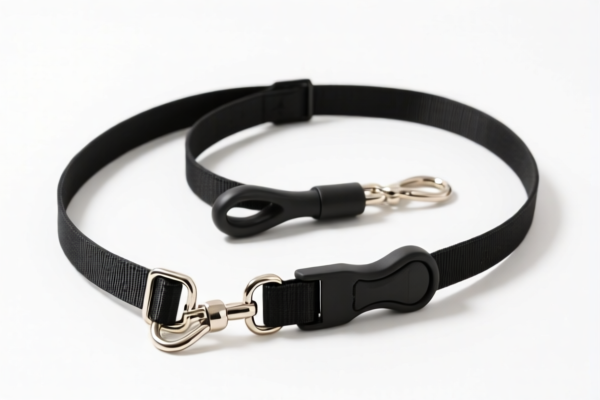
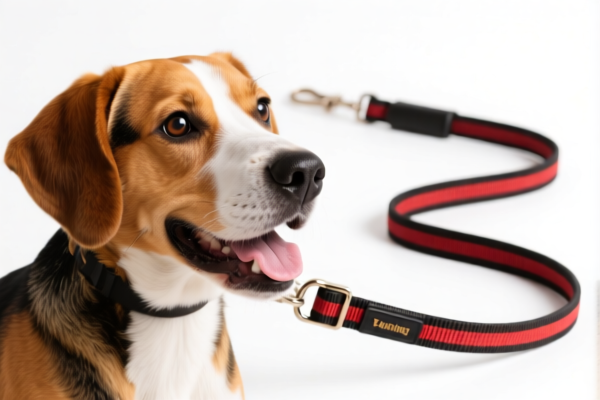
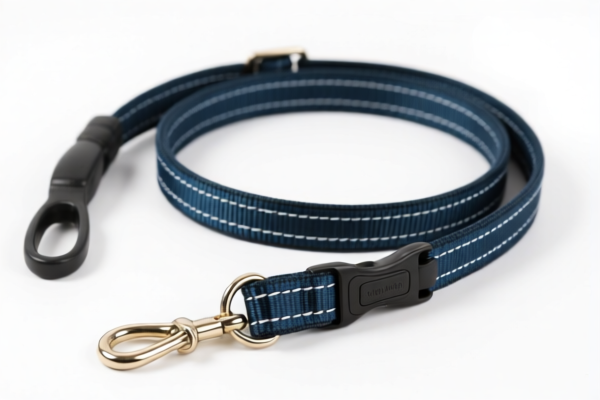
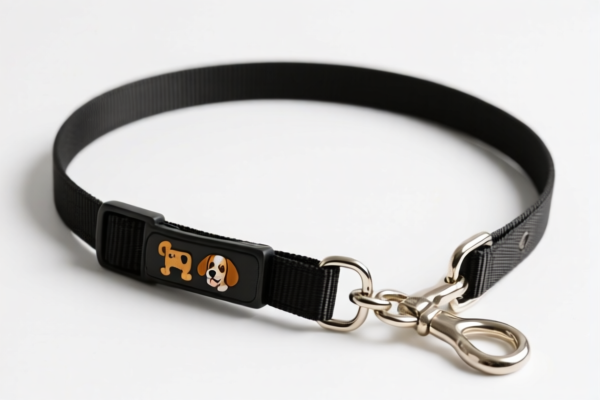
AI Analysis
🐶 Dog Training Stick – HS Code & Tariff Guide (2026 Update)
🌐 HS Code Classification & Customs Clearance Strategy | 2026 Tariff Breakdown | Expert-Level Compliance Tips
📌 1. Product Definition & Classification: What Is a Dog Training Stick?
A Dog Training Stick is a non-electronic, handheld training tool used in canine behavioral training. It is typically made of rubber, plastic, or flexible composite materials, designed to guide, correct, or encourage dog behavior through physical interaction (e.g., gentle taps, pressure, or resistance). It is not a weapon, nor does it emit sound, light, or electric shock.
⚠️ Key Classification Clue:
- If it’s used for training, not for combat, and made of rubber/plastic, it falls under sports/fitness/outdoor games — not weapons or tools for military use.
📦 2. HS Code Classification Breakdown (2026 Tariff Authority Reference)
| HS Code | Product Description | Tax Rate | Applicable Scenario |
|---|---|---|---|
9506.91.00.30 |
Training tools for dogs, classified under "other sports or outdoor games equipment", typically made of rubber or plastic | 22.1% | Standard dog training sticks, non-electric, soft or flexible |
9506.99.60.80 |
Other sports or outdoor game equipment, not specifically listed, includes training aids | 21.5% | Generic training tools, plastic/rubber, no special function |
6603.20.90.00 |
Accessories or fittings for umbrellas, rod-like structures (e.g., poles, handles) — classified as a functional extension | 22.0% | If the stick resembles a pole or shaft used as a handle or support |
6603.90.81.00 |
Other accessories for umbrellas or similar items, decorative or functional attachments | 65.2% | If the stick has decorative elements, or is misclassified as a decorative accessory |
3926.90.99.89 |
Other plastic articles not specified, including molded or shaped plastic items | 22.8% | If the stick is plastic-only, and no other category applies |
🔍 Critical Insight:
-9506.91.00.30is the most accurate and favorable HS Code for a standard dog training stick. - Avoid6603.90.81.00— it triggers a 65.2% tariff due to misclassification as a decorative umbrella part. -3926.90.99.89is a fallback if no better match exists, but still carries 22.8%.
💰 3. 2026 U.S. Tariff Breakdown (Detailed Tax Clause Analysis)
✅ Applicable Country: United States (US)
✅ Origin: China (CN)
✅ Effective Date: November 10, 2025 (as per current USTR updates)
🎯 1. 9506.91.00.30 – Training Tools (Rubber/Plastic)
| Tax Component | Rate | Legal Basis |
|---|---|---|
| Basic Duty | 4.6% | General Tariff Schedule (HTSUS) |
| Section 301 (USITC) | 7.5% | USTR Section 301 List 3, China Tariff Add-on |
| Section 122 (Steel/Aluminum/Copper) | 10% | Applies only if metal components are present (e.g., metal tip) |
| Additional 50% (122 Clause) | 50% | Only applies if the product contains steel, aluminum, or copper parts |
| Total Effective Rate | 22.1% | Only if no metal parts |
📌 Explanation:
- If the stick is 100% rubber/plastic, no metal, then no 50% penalty applies. - The 10% Section 122 applies only if steel/aluminum/copper is present (e.g., metal tip, joint, or handle). - 50% is not automatic — it only applies if metal is used in the construction.
🎯 2. 9506.99.60.80 – Other Sports/Outdoor Game Equipment
| Tax Component | Rate | Legal Basis |
|---|---|---|
| Basic Duty | 4.0% | HTSUS |
| Section 301 (USITC) | 7.5% | USTR List 3 |
| Section 122 (Steel/Aluminum/Copper) | 10% | If metal present |
| Additional 50% (122 Clause) | 50% | Only if metal components exist |
| Total Effective Rate | 21.5% | If no metal parts |
📌 Note:
- Slightly lower base duty than9506.91.00.30, but same 7.5% + 10% + 50% structure. - Use only if9506.91.00.30doesn’t fit (e.g., if it’s not clearly a “training tool”).
🎯 3. 6603.20.90.00 – Umbrella Accessories / Rod-Like Parts
| Tax Component | Rate | Legal Basis |
|---|---|---|
| Basic Duty | 12.0% | HTSUS |
| Section 301 (USITC) | 0.0% | Not listed on Section 301 |
| Section 122 (Steel/Aluminum/Copper) | 10% | If metal parts exist |
| Additional 50% (122 Clause) | 50% | Applies if metal is present |
| Total Effective Rate | 22.0% | Only if no metal parts |
⚠️ Danger Zone:
- This code only applies if the stick is structurally similar to an umbrella pole. - Do NOT use this code unless the stick is clearly a rod-like accessory. - Misuse triggers higher base duty (12%), even without metal.
🎯 4. 6603.90.81.00 – Other Umbrella Accessories (Decorative/Functional)
| Tax Component | Rate | Legal Basis |
|---|---|---|
| Basic Duty | 5.2% | HTSUS |
| Section 301 (USITC) | 0.0% | Not on Section 301 |
| Section 122 (Steel/Aluminum/Copper) | 10% | If metal present |
| Additional 50% (122 Clause) | 50% | Applies if metal is used |
| Total Effective Rate | 65.2% | If no metal parts |
❌ WARNING:
- This is a trap code. It is not for training tools. - If the stick has decorative elements (e.g., painted, carved, or ornamental), this code may be triggered. - 65.2% tariff is catastrophic — avoid at all costs unless explicitly approved by CBP.
🎯 5. 3926.90.99.89 – Other Plastic Articles
| Tax Component | Rate | Legal Basis |
|---|---|---|
| Basic Duty | 5.3% | HTSUS |
| Section 301 (USITC) | 7.5% | USTR List 3 |
| Section 122 (Steel/Aluminum/Copper) | 10% | If metal present |
| Additional 50% (122 Clause) | 50% | Only if metal used |
| Total Effective Rate | 22.8% | If no metal parts |
✅ Use as Fallback:
- Only if no better fit exists. - Best for pure plastic sticks with no training-specific design.
🛠️ 4. Customs Clearance Best Practices (Pro Tips)
✅ 1. Required Documentation (Must-Have)
| Document | Required? | Why It Matters |
|---|---|---|
| ✅ Product Photos (360°, close-ups) | ✔️ | Show material, shape, function |
| ✅ Technical Specs (Material, Dimensions, Weight) | ✔️ | Prove it’s rubber/plastic, not metal |
| ✅ Commercial Invoice | ✔️ | Must state: "Dog Training Stick, Rubber/Plastic, Non-electric" |
| ✅ Packing List | ✔️ | Show no metal parts, no accessories |
| ✅ Certificate of Origin (CO) | ✔️ | If from China, may be needed for tariff claims |
| ✅ Third-Party Test Report (RoHS, CE, etc.) | ✔️ | Optional, but helps avoid scrutiny |
| ✅ Product Label / Packaging | ✔️ | Show “For Dog Training Use Only” |
✅ 2.申报技巧 (Smart Declaration Tips)
🔥 "Stick to the Stick: No Metal, No Mistake!"
| Scenario | Correct HS Code | Wrong Code to Avoid |
|---|---|---|
| Rubber/plastic training stick, no metal | 9506.91.00.30 |
6603.90.81.00 (65.2%) |
| Stick with metal tip or handle | 9506.91.00.30 + 50% Section 122 |
3926.90.99.89 (22.8%) |
| Stick looks like umbrella pole | 6603.20.90.00 |
6603.90.81.00 (65.2%) |
| Pure plastic, no training label | 3926.90.99.89 |
9506.91.00.30 (if training use is clear) |
✅ 3. Special Cases & Risk Mitigation
| Scenario | Recommended Action |
|---|---|
| Stick has metal tip | Use 9506.91.00.30 + 50% Section 122 (if metal present) |
| Stick is carved or decorative | Avoid 6603.90.81.00 — use 9506.91.00.30 with strong evidence of training use |
| Bulk shipment with multiple types | Separate by material and function — don’t mix |
| First-time import to U.S. | Apply for Advance Ruling (Pre-Ruling) from CBP to lock in HS Code |
🌍 5. Global Market Tariff Comparison (2026)
| Country | Recommended HS Code | Base Duty | Section 301? | Section 122? | Total Risk |
|---|---|---|---|---|---|
| 🇺🇸 USA | 9506.91.00.30 |
4.6% | ✅ 7.5% | ✅ 10% + 50% if metal | ⚠️ High (if metal) |
| 🇨🇳 China | 9506.91.00.30 |
5% | ❌ No | ❌ No | ✅ Low |
| 🇪🇺 EU | 9506.91.00.00 |
0% (if CE) | ❌ No | ❌ No | ✅ Low |
| 🇦🇺 Australia | 9506.91.00.00 |
5% | ❌ No | ❌ No | ✅ Low |
| 🇯🇵 Japan | 9506.91.00.00 |
0% | ❌ No | ❌ No | ✅ Low |
📌 Takeaway:
- USA has the highest risk due to Section 301 + Section 122. - EU, Japan, Australia are safe and low-tariff. - Avoid U.S. import if metal parts are present unless you’re ready for 65%+ total tax.
📌 6. Common Mistakes & How to Avoid Them
❌ Mistake 1: Using 6603.90.81.00 because the stick is "rod-like"
👉 Result: 65.2% tariff — avoid at all costs.
❌ Mistake 2: Not disclosing metal parts in the invoice
👉 Result: Seizure, fines, or back taxes.
❌ Mistake 3: Labeling as “dog training tool” but using metal parts
👉 Result: 50% Section 122 penalty — not optional.
✅ Correct Approach:
Use
9506.91.00.30with clear material proof, no metal, and training purpose.
🎯 7. Final Verdict: How to Win the Clearance Game
🔹 Best HS Code:
9506.91.00.30— lowest tax, highest accuracy
🔹 Avoid:6603.90.81.00— 65.2% is a trap
🔹 Watch for metal: If metal is present, 50% penalty applies
🔹 Use pre-ruling: Get CBP pre-approval for first shipments
📣 Act Now!
📞 Contact a U.S. Customs Broker + Submit product photos + Request HS Code Pre-Ruling
🚀 Lock in 22.1% or lower — avoid surprise tariffs
✨ Pro Tip:
If your dog training stick is 100% rubber/plastic, no metal, and clearly for training, you’re golden.
Just declare it right, and you’ll pay only ~22% — not 65%.
📌 Remember:
"One wrong code can cost you 3x the value."
"Stick to the stick — and the right code!"
💼 Your product. Your profit. Your compliance.
✅ Accurate HS Code = Smooth Customs = Happy Customers = Profit!
Customer Reviews
About HS Code Classification
The Harmonized System (HS) is an internationally standardized nomenclature developed by the World Customs Organization (WCO) to classify traded products. Over 200 countries use the HS system as the basis for customs tariffs, trade statistics, and import/export regulations.
Each HS code follows a hierarchical structure:
- Chapter (2 digits) — Broad category of goods (e.g., Chapter 84: Machinery and Mechanical Appliances)
- Heading (4 digits) — More specific grouping within the chapter
- Subheading (6 digits) — Internationally standardized breakdown, used by all WCO member countries
- National subdivisions (8-10 digits) — Country-specific extensions for further classification, such as US HTSUS 10-digit codes
Correct HS code classification is essential for smooth customs clearance, accurate duty payment, and compliance with trade regulations. Misclassification can lead to customs delays, overpayment of duties, or penalties.
When importing from CN to US, the applicable tariff rates may include:
- Most-Favored-Nation (MFN) rate — The standard duty rate applied to WTO members
- General rate — Applied to countries without trade agreements
- Trade remedy duties — Additional tariffs such as Section 301 (anti-dumping), Section 232 (national security), or countervailing duties
The information provided on this page is for reference purposes only. For official classification, please consult with your local customs authority or a licensed customs broker.