Dog Walking Water Bottle
CN → US| HS Code | Tariff Rate | Origin | Destination | Doc |
|---|---|---|---|---|
| 3924104000 | 13.4% | CN | US | Official Doc |
| 3924905650 | 20.9% | CN | US | Official Doc |
| 7323999080 | 88.4% | CN | US | Official Doc |
| 7323999030 | 88.4% | CN | US | Official Doc |
| 3926901000 | 20.9% | CN | US | Official Doc |
Product Images

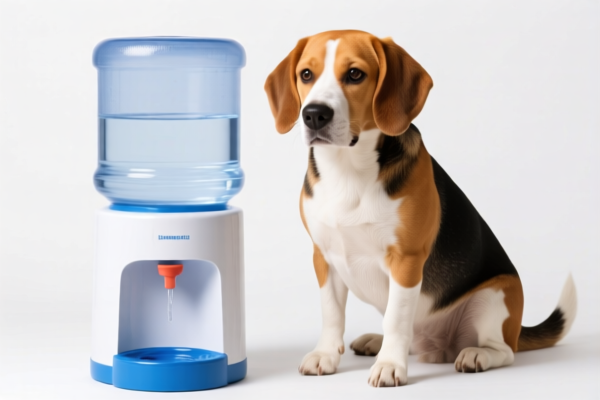
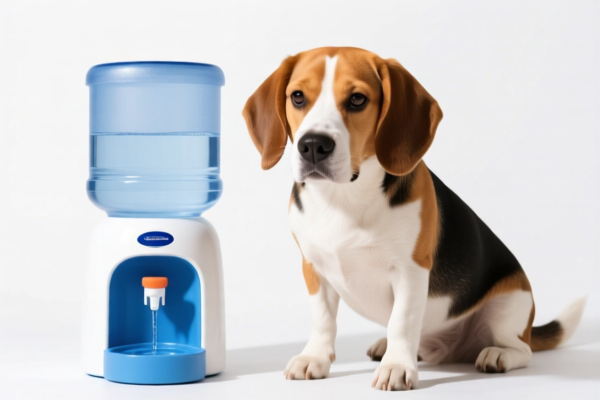
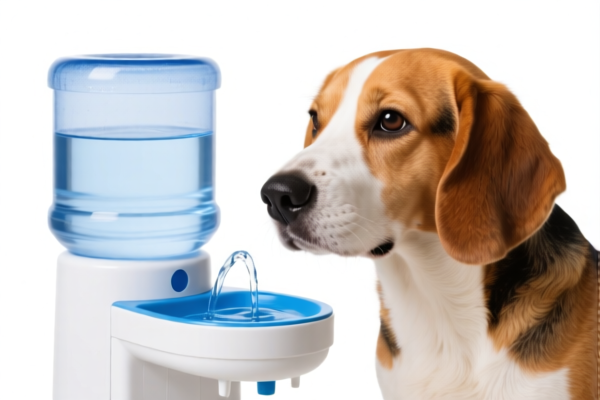
AI Analysis
💧 Dog Walking Water Bottle (Portable Pet Water Dispenser)
🌐 HS Code Reference & Customs Clearance Guide | 2026 Latest Tariff Analysis | Professional Entry Strategy 📌 Part I: Product Definition & Classification: What Exactly Is a "Dog Walking Water Bottle"?
A "Dog Walking Water Bottle" is a portable device designed to provide fresh water to pets during outdoor activities. In international trade, its classification hinges on two critical factors: 1. Primary Material: Is it made of Plastic or Metal (Steel/Iron)? 2. Functional Category: Is it considered Tableware/Dispenser (like a cup) or Container/Accessory (like a bucket or general pet supply)?
⚠️ Key Distinction Point:
- If the main body is Plastic and functions as a drinking vessel → It often falls under Plastic Tableware or Domestic Articles (Chapter 39).
- If the main body is Metal (Steel/Iron) and used for holding liquid → It is often classified as Metal Tableware or Household Articles (Chapter 73).
- If the material is ambiguous or it’s strictly a "pet accessory" not fitting tableware → It may fall under Other Plastic Articles or General Pet Supplies (Chapter 39/96).
📦 Part II: HS Code Classification Details (2026 Latest Tariff Authority Comparison)
Based on the provided data, here are the 5 potential HS Code classifications and their tax implications for imports into the United States from China.
| HS Code | Product Description | Material & Function Inference | Total Tax Rate | Key Tax Components |
|---|---|---|---|---|
3924.10.40.00 |
Plastic Tableware / Drinking Vessels | Plastic. Classified as "Other" tableware/drinking vessels. Best fit if designed specifically for drinking. | 13.4% | Base: 3.4% 122-Clause: 10% |
3924.90.56.50 |
Plastic Household Articles (Other) | Plastic. Classified as "Other" plastic household items. Fits if deemed a general pet supply rather than strict tableware. | 20.9% | Base: 3.4% Section 301: 7.5% 122-Clause: 10% |
3926.90.10.00 |
Other Plastic Articles | Plastic. Classified broadly under plastic articles. Fits if viewed as a pet accessory/container not fitting tableware. | 20.9% | Base: 3.4% Section 301: 7.5% 122-Clause: 10% |
7323.99.90.30 |
Metal Tableware / Kitchen Articles | Steel/Iron. Classified as metal tableware/kitchenware. Fits if made of stainless steel/metal and used for water containment. | 88.4% | Base: 3.4% Section 301: 25% Section 232: 50% 122-Clause: 10% |
7323.99.90.80 |
Other Metal Household Articles | Steel/Iron. Classified as other metal household items. Fits if metal, but not strictly "tableware" (e.g., heavy-duty outdoor gear). | 88.4% | Base: 3.4% Section 301: 25% Section 232: 50% 122-Clause: 10% |
🔍 Critical Insight:
- Plastic Bottles face a moderate tax burden (13.4% - 20.9%).
- Metal Bottles face an extremely high tax burden (88.4%) due to the combination of Section 301 (25%) and Section 232 (Steel/Aluminum Tariff 50%).
- Avoid Metal Classification if Possible: Unless the product is premium stainless steel and legally required to be classified as metal, Plastic is significantly cheaper for customs duties.
💰 Part III: 2026 Latest Tariff Rate Breakdown (Including Surcharges & Policy Add-ons)
✅ Applicable Country: United States (US)
✅ Origin: China (CN)
✅ Effective Date: 2025/2026 Current Tariff Regime
🎯 1. 3924.10.40.00 – Plastic Tableware (Lowest Tax Option)
| Item | Details |
|---|---|
| Base Tariff | 3.4% (Standard MFN Rate) |
| Section 301 Tariff | 0.0% (No additional 25% tariff applied for this specific subheading in the provided data) |
| Section 122 Tariff | 10.0% (Specific tariff for certain categories, often applied to textiles/household goods from specific origins) |
| Section 232 Tariff | N/A (Not applicable as it's plastic) |
| Total Effective Rate | 13.4% |
| Tax Calculation | CIF Value × 13.4% |
| De Minimis Exemption | ❌ No (Valuation likely exceeds $800 threshold for single shipment, or item is excluded) |
📌 Explanation:
- This is the most favorable classification for plastic pet water bottles.
- The 10% Section 122 tariff is a significant add-on, but it is far lower than the 25% + 50% surcharges on metal.
- Why it fits: The summary states it is inferred as plastic, used for drinking, and falls under "Other" tableware/domestic articles.
🎯 2. 3924.90.56.50 & 3926.90.10.00 – Plastic Household/Other Articles
| Item | Details |
|---|---|
| Base Tariff | 3.4% |
| Section 301 Tariff | 7.5% (Reduced or specific rate for some plastic goods, or partial offset) |
| Section 122 Tariff | 10.0% |
| Total Effective Rate | 20.9% |
| Tax Calculation | CIF Value × 20.9% |
📌 Explanation:
- If the customs officer disagrees with "Tableware" (3924) and classifies it as "Other Household Plastic" (3924.90) or "Other Plastic Articles" (3926), the tax increases to 20.9%.
- This is still much cheaper than metal options.
- Strategy: Provide product photos showing it has a spout/nipple and is used for direct drinking to argue for3924.10.40.00.
🎯 3. 7323.99.90.30 & 7323.99.90.80 – Metal (Steel/Iron) Articles
| Item | Details |
|---|---|
| Base Tariff | 3.4% |
| Section 301 Tariff | 25.0% |
| Section 232 Tariff | 50.0% (Applied to Steel/Aluminum products under US Trade Expansion Act) |
| Section 122 Tariff | 10.0% |
| Total Effective Rate | 88.4% |
| Tax Calculation | CIF Value × 88.4% |
📌 CRITICAL WARNING:
- 88.4% is prohibitively high.
- The Section 232 Tariff (50%) is applied to steel and aluminum products regardless of end-use if classified under Chapter 73 (Iron/Steel Articles).
- Even if the bottle is only partially metal, if the customs authority determines the "essential character" is metal, this rate applies.
- Recommendation: Unless it is a high-end stainless steel brand with justified premium pricing, avoid metal classification. Consider using plastic with metal accents (which may still be classified as plastic if plastic is dominant).
🛠️ Part IV: Customs Clearance Practical Advice (Pitfall Avoidance Guide)
✅ 1. Documentation Checklist (Non-Negotiable)
| Document | Required? | Purpose |
|---|---|---|
| ✅ Product Photos | ✔️ | Show the bottle, spout, and material. Clear evidence for "Plastic" vs "Metal". |
| ✅ Material Composition Statement | ✔️ | Explicitly state: "Main Body: 100% Food-Grade Plastic (PP/Tritan). No Metal Container." |
| ✅ Commercial Invoice | ✔️ | Describe as "Portable Pet Water Dispenser, Plastic, for Outdoor Use." Avoid "Metal Bottle". |
| ✅ Usage Description | ✔️ | Emphasize "Drinking Vessel" to support 3924.10.40.00 (Tableware). |
| ✅ FCC/RoHS Reports | ✔️ | If electronic components are present. |
✅ 2. Declaration Strategy (Key Mnemonics)
🔥 "Plastic Wins, Metal Burns, Drinkers Get Cheaper Rates!"
| Scenario | Correct Declaration | Wrong Declaration | Consequence |
|---|---|---|---|
| Plastic Bottle | "Plastic Pet Water Dispenser" | "Stainless Steel Bottle" (if plastic) | Audit risk, penalty |
| Plastic Bottle | HS: 3924.10.40.00 |
HS: 3926.90.10.00 |
Pay 20.9% instead of 13.4% |
| Metal Bottle | HS: 7323.99.90.80 |
(No good option) | Pay 88.4% Tax |
| Mixed Material | Declare dominant material | "Mixed Metal/Plastic" | Likely classified as Metal (88.4%) |
✅ 3. Special Handling Tips
| Situation | Advice |
|---|---|
| OEM Custom Design | Provide design specs proving plastic is the primary structural material. |
| Color Coating | If a metal bottle has plastic coating, argue for plastic classification if coating is thick and defines the function. |
| Electronic Features | If it has an automatic pump, it might be classified under Chapter 85 (Electrical), but the provided data does not include this. Stick to provided HS codes for now. |
| De Minimis ($800) | If shipping directly to consumers via postal service, check if the total value (including tax) exceeds $800. Most pet water bottles are low value, but high-volume B2B shipments will be subject to these tariffs. |
🌍 Part V: Global Market Comparison (2026 Snapshot)
| Market | Recommended HS Code (for Plastic) | Est. Tax Rate | Notes |
|---|---|---|---|
| 🇺🇸 USA | 3924.10.40.00 |
13.4% | Includes Section 122 (10%). Avoid Metal (7323) at all costs (88.4%). |
| 🇪🇺 EU | 3924.10 |
~4-6% | Lower base tariffs. No Section 232/301 equivalents. |
| 🇨🇳 China | 3924.10 |
~5-8% | Import tariffs for consumer goods. |
| 🇬🇧 UK | 3924.10 |
~5-8% | Post-Brexit tariffs similar to EU. |
📌 Conclusion:
- The US market is unique in its aggressive use of Section 232 (Steel) and Section 122 tariffs.
- For the US, Plastic is the only viable option for cost-effective entry.
- Metal bottles are commercially unviable due to the 88.4% effective tax rate.
📌 Part VI: Common Errors & Pitfalls (Lessons Learned)
❌ Error 1: Shipping Stainless Steel bottles and declaring them as "Plastic"
👉 Consequence: Customs inspection will reveal metal. Fine + Back Taxes + Penalty. Estimated tax jump from 13.4% to 88.4%.
❌ Error 2: Using HS Code 3926.90.10.00 for a bottle that clearly functions as a drinking vessel
👉 Consequence: You pay 20.9% instead of 13.4%. Difference is 7.5% on CIF value.
❌ Error 3: Not declaring "Section 122" applicability
👉 Consequence: If the goods fall under Section 122 (which the data suggests for plastic tableware), failing to declare can lead to compliance issues. The 10% is mandatory.
❌ Error 4: Assuming "Pet Supplies" (Chapter 96) have lower tariffs
👉 Consequence: Chapter 96 often carries Section 301 tariffs. Chapter 39 (Plastics) may have lower or no Section 301 tariffs (as seen in 3924.10.40.00). Check Chapter 39 first.
✅ Correct Action:
"Portable Dog Water Bottle, Material: Plastic (PP), Function: Drinking Dispenser, No Metal Container."
HS Code:3924.10.40.00
Tax: 13.4%
🎯 Part VII: Conclusion: Professional Declaration, Cost Efficiency, Smooth Clearance!
🎯 Remember the Mantra:
🔹 "Plastic Tableware: 13.4% – The Sweet Spot"
🔹 "Plastic Other: 20.9% – Acceptable but Higher"
🔹 "Metal (Steel): 88.4% – Avoid at All Costs!"
🔹 "Don't let Section 232 (50%) kill your profit margin!"
📌 Pro Tip:
If your product is 100% Plastic, ensure your invoices and photos explicitly state "Plastic" and avoid terms like "Stainless Steel" unless it is genuinely steel.
For US imports, apply for a Binding Tariff Ruling (BTR) if you are shipping large volumes. This provides legal certainty on the HS Code and tax rate before shipment.
📣 Immediate Action:
📞 Consult a Customs Broker to confirm if your specific design qualifies for
3924.10.40.00.
📷 Upload Product Photos highlighting plastic construction and drinking function.
🚀 Optimize for US Market: Use Plastic, Declare as Tableware, Save 75% on Taxes!
✨ Professional Customs Clearance Starts with Accurate Classification!
💼 Every Percentage Point of Tax Saved Is Pure Profit!
Customer Reviews
About HS Code Classification
The Harmonized System (HS) is an internationally standardized nomenclature developed by the World Customs Organization (WCO) to classify traded products. Over 200 countries use the HS system as the basis for customs tariffs, trade statistics, and import/export regulations.
Each HS code follows a hierarchical structure:
- Chapter (2 digits) — Broad category of goods (e.g., Chapter 84: Machinery and Mechanical Appliances)
- Heading (4 digits) — More specific grouping within the chapter
- Subheading (6 digits) — Internationally standardized breakdown, used by all WCO member countries
- National subdivisions (8-10 digits) — Country-specific extensions for further classification, such as US HTSUS 10-digit codes
Correct HS code classification is essential for smooth customs clearance, accurate duty payment, and compliance with trade regulations. Misclassification can lead to customs delays, overpayment of duties, or penalties.
When importing from CN to US, the applicable tariff rates may include:
- Most-Favored-Nation (MFN) rate — The standard duty rate applied to WTO members
- General rate — Applied to countries without trade agreements
- Trade remedy duties — Additional tariffs such as Section 301 (anti-dumping), Section 232 (national security), or countervailing duties
The information provided on this page is for reference purposes only. For official classification, please consult with your local customs authority or a licensed customs broker.