Doll Clothing
CN → US| HS Code | Tariff Rate | Origin | Destination | Doc |
|---|---|---|---|---|
| 9503000090 | 10.0% | CN | US | Official Doc |
| 6111206070 | 25.6% | CN | US | Official Doc |
| 6109100045 | 34.0% | CN | US | Official Doc |
| 6209303040 | 33.5% | CN | US | Official Doc |
| 6109100065 | 34.0% | CN | US | Official Doc |
Product Images
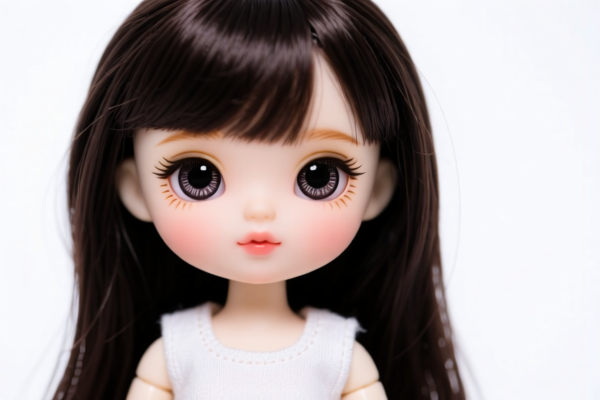
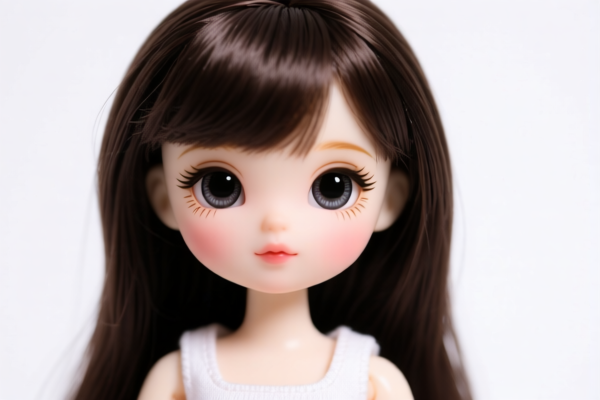
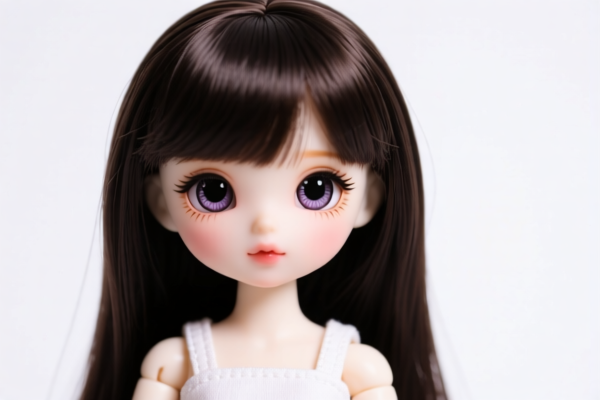
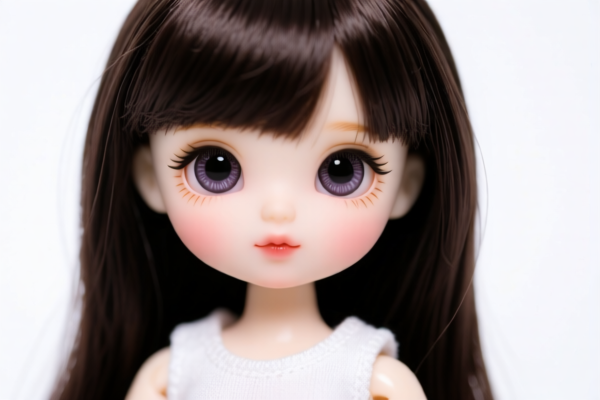
AI Analysis
🧸 Doll Clothing (Clothing for Dolls)
🌐 HS Code Reference & Customs Clearance Guide | 2026 Latest Tariff Breakdown | Professional Import Strategy
📌 One, Product Definition & Classification: Do You Really Understand "Doll Clothing"?
Doll clothing refers to garments specifically designed for dolls — typically small-scale apparel used to dress fashion dolls, collectible figures, or toy dolls (e.g., Barbie, American Girl, etc.). In international trade, these items are classified not as children’s wear, but as accessories or parts of dolls, due to their scale, function, and intended use.
⚠️ Key Differentiator:
- If the clothing is proportionally sized for a doll (not wearable by humans) → Not child apparel → Must be classified under 9503.00.00.90 or similar doll-related subheadings.
- If the garment is intended for real children, even if it looks like "doll-sized", it falls under 6111.20.60.70, 6109.10.00.45, etc.
📦 Two, HS Code Classification Details (2026 Latest Tariff Authority Match)
| HS Code | Product Description | Applicable Use Case | Material Compatibility | Classification Logic |
|---|---|---|---|---|
9503.00.00.90 |
Doll clothing, part of doll accessories or related items | Fashion dolls, toy figures, collectibles | Any material (fabric, plastic, etc.) | Matches purpose (doll use), no human size, no conflict with child apparel rules |
6111.20.60.70 |
Girls' clothing, ready-made, for infants/children | Real children’s wear (e.g., 2T, 4Y) | Any material | Not suitable for doll clothing; wrong category if used on dolls |
6109.10.00.45 |
Knitted girls’ clothing, not specified by material | Knitwear for real girls | Knit fabric only | Not applicable to dolls; mismatch in material type & scale |
6209.30.30.40 |
Girls’ clothing, made of synthetic fibers | Synthetic-fiber garments for real girls | Synthetic fibers | Incorrect for dolls; no scale alignment |
6109.10.00.65 |
Other girls’ clothing, not elsewhere specified (catch-all) | General-purpose girls’ wear | Cotton or mixed fibers | Doll clothing cannot be classified here — misleading if used for dolls |
🔍 Critical Insight:
- Doll clothing must never be misclassified as children’s apparel, even if visually similar.
- HS Code 9503.00.00.90 is the only correct category for dolls’ garments — it is the dedicated subheading for doll accessories and related items.
💰 Three, 2026 Latest Tariff Breakdown (With Additional Duties & Policy Clauses)
✅ Applicable Country: United States (US)
✅ Origin: China (CN)
✅ Effective Date: November 10, 2025 (including future imports)
🎯 1. 9503.00.00.90 — Doll Clothing (Doll Accessories)
| Item | Details |
|---|---|
| Base Duty | 0.0% (ad valorem) |
| Additional Duty (USITC Section 301) | 0.0% |
| Section 122 Clause Duty | 10.0% |
| Total Tariff Rate | 10.0% |
| Tax Calculation | CIF Value × 10.0% |
| De Minimis Threshold | ✅ Eligible (up to $800 per shipment) |
| Legal Basis Path | 9503.00.00.90 → Section 122: 10% → USITC: 9503.00.00.90 |
📌 Explanation:
- No base tariff — this is a clean entry under the standard tariff schedule.
- Only 10% under Section 122 — a targeted additional duty applied to certain goods from China, specifically for non-essential consumer items like toys and accessories.
- No USITC 301 or IEEPA — unlike many electronics or apparel, this category is exempt from 25% USITC tariffs.
- De minimis applies — if your shipment is under $800, no duty is collected at the border.
🎯 2. 6111.20.60.70 — Girls’ Clothing (Infant/Child Apparel, Ready-Made)
| Item | Details |
|---|---|
| Base Duty | 8.1% |
| Additional Duty (USITC Section 301) | 7.5% |
| Section 122 Clause Duty | 10.0% |
| Total Tariff Rate | 25.6% |
| Tax Calculation | CIF Value × 25.6% |
| De Minimis Threshold | ❌ Not eligible (excluded due to 301 duties) |
| Legal Basis Path | 6111.20.60.70 → USITC: 301 → Section 122: 10% |
📌 Why This Is Wrong for Doll Clothing:
- This code is for real children’s garments (e.g., size 2T, 4Y).
- If dolls are dressed with garments labeled as “children’s clothing”, you risk misclassification, duty overpayment, and customs penalties.
- No de minimis — even small shipments will be taxed.
🎯 3. 6109.10.00.45 — Knitted Girls’ Clothing (Non-Specific)
| Item | Details |
|---|---|
| Base Duty | 16.5% |
| Additional Duty (USITC Section 301) | 7.5% |
| Section 122 Clause Duty | 10.0% |
| Total Tariff Rate | 34.0% |
| Tax Calculation | CIF Value × 34.0% |
| De Minimis Threshold | ❌ Not eligible |
| Legal Basis Path | 6109.10.00.45 → USITC: 301 → Section 122: 10% |
📌 Why This Is Wrong:
- Applies only to knitted garments for real children.
- Material mismatch — if the doll clothing is not knitted, this is invalid.
- Highest rate among all listed — do not use.
🎯 4. 6209.30.30.40 — Synthetic Fiber Girls’ Clothing
| Item | Details |
|---|---|
| Base Duty | 16.0% |
| Additional Duty (USITC Section 301) | 7.5% |
| Section 122 Clause Duty | 10.0% |
| Total Tariff Rate | 33.5% |
| Tax Calculation | CIF Value × 33.5% |
| De Minimis Threshold | ❌ Not eligible |
| Legal Basis Path | 6209.30.30.40 → USITC: 301 → Section 122: 10% |
📌 Why This Is Wrong:
- Only applies to real children’s clothing made of synthetic fibers.
- Scale mismatch — doll garments are not wearable by children.
- High-risk misclassification.
🎯 5. 6109.10.00.65 — Other Girls’ Clothing (Catch-All)
| Item | Details |
|---|---|
| Base Duty | 16.5% |
| Additional Duty (USITC Section 301) | 7.5% |
| Section 122 Clause Duty | 10.0% |
| Total Tariff Rate | 34.0% |
| Tax Calculation | CIF Value × 34.0% |
| De Minimis Threshold | ❌ Not eligible |
| Legal Basis Path | 6109.10.00.65 → USITC: 301 → Section 122: 10% |
📌 Why This Is Wrong:
- Catch-all for unspecified girls’ clothing — not for dolls.
- Highest tariff — avoid at all costs.
🛠️ Four, Customs Clearance Best Practices (Pro Tips to Avoid Penalties)
✅ 1. Must-Have Documentation (No Exceptions)
| Document | Required? | Why It Matters |
|---|---|---|
| ✅ Product Specifications | ✔️ | Confirm size, material, and intended use (doll vs. child) |
| ✅ Clear Product Photos | ✔️ | Show scale — e.g., doll wearing the garment |
| ✅ Commercial Invoice | ✔️ | Label as “Doll Clothing – Not for Human Use” |
| ✅ Packing List | ✔️ | Show unit count, package weight, HS Code |
| ✅ Certificate of Origin (CO) | ✔️ | Required for tariff eligibility (especially for 122 clause) |
| ✅ Third-Party Test Report (if needed) | ✔️ | For safety (e.g., CPSIA, flammability) |
✅ 2.申报技巧(Key Rules to Remember)
🔥 “Scale Defines the Code: Dolls ≠ Kids, Clothes ≠ Apparel!”
| Scenario | Correct HS Code | Wrong Code | Risk |
|---|---|---|---|
| Doll in a 12-inch outfit | 9503.00.00.90 |
6111.20.60.70 |
10% vs. 25.6% → Overpay by 15.6% |
| Knitted doll dress | 9503.00.00.90 |
6109.10.00.45 |
10% vs. 34% → Overpay by 24% |
| Synthetic fiber doll outfit | 9503.00.00.90 |
6209.30.30.40 |
10% vs. 33.5% → Overpay by 23.5% |
| “Cotton” doll dress | 9503.00.00.90 |
6109.10.00.65 |
10% vs. 34% → Overpay by 24% |
✅ 3. Special Cases & Solutions
| Situation | Recommended Action |
|---|---|
| Doll clothing sold with a doll | Declare as "Doll Set" — still use 9503.00.00.90 for clothing |
| Doll clothing with “fashion doll” branding | Use 9503.00.00.90 — brand doesn’t change classification |
| Doll clothing used in advertising | Still classified as 9503.00.00.90 — purpose is key |
| Custom-made doll outfits (e.g., for collectors) | Still 9503.00.00.90 — not mass-produced children’s wear |
🌍 Five, Global Market Comparison (2026 Latest)
| Country/Region | Recommended HS Code | Tariff | Certification | Notes |
|---|---|---|---|---|
| 🇺🇸 United States | 9503.00.00.90 |
10.0% (only Section 122) | CPSIA, ASTM F963 | De minimis applies |
| 🇨🇳 China | 9503.00.00.90 |
0% (if domestic) | CCC | No extra tariffs |
| 🇪🇺 European Union | 9503.00.00.90 |
0% (if CE compliant) | CE, REACH | No 301 or 122 duties |
| 🇦🇺 Australia | 9503.00.00.90 |
0% | RCM | No extra duties |
| 🇯🇵 Japan | 9503.00.00.90 |
0% | PSE | No additional tariffs |
📌 Takeaway:
- Only the US applies a meaningful tariff (10%) on doll clothing.
- All other major markets treat it as low-risk, low-duty.
- US is the only market where misclassification causes major cost increases.
📌 Six, Common Mistakes & How to Avoid Them (Real-World Lessons)
❌ Mistake 1: Labeling doll clothing as “girls’ clothing” on invoice
👉 Result: Customs may apply 6111.20.60.70 → 25.6% duty instead of 10%
❌ Mistake 2: Using “cotton” or “knit” in product name
👉 Result: Customs may assume it’s for children → 34% tariff
❌ Mistake 3: Not including scale reference in photos
👉 Result: Customs may reject classification → delay, audit, or seizure
❌ Mistake 4: Failing to declare “not for human use”
👉 Result: Misclassification risk → penalties, fines, or re-export
✅ Correct Labeling Example:
"Doll Clothing – Fashion Doll Outfit (12-inch scale), Not for Human Use, Made of Polyester, for Toy Use Only"
🎯 Seven, Conclusion: Accurate Classification = Lower Cost, Faster Clearance
🎯 Remember the Golden Rule:
🔹 “If it fits a doll, it’s a doll accessory — not children’s apparel!”
🔹 “10% is better than 34% — and de minimis saves you $800 per shipment!”
📌 Pro Tip:
If your doll clothing is produced in Vietnam, Mexico, or Thailand, you may qualify for Section 122 exemption — 0% tariff — even if shipped from China.
👉 Apply for a Pre-Clearance Ruling (Advance Ruling) to lock in the correct HS Code and avoid surprises.
📣 Take Action Now:
📞 Contact a customs broker + provide product photos + specs + request HS Code pre-ruling
🚀 Ship with confidence — avoid overpayment, delays, and penalties
✨ Professional Customs Starts with Accurate Classification!
💼 Your profit margin depends on the right HS Code — choose wisely!
Customer Reviews
About HS Code Classification
The Harmonized System (HS) is an internationally standardized nomenclature developed by the World Customs Organization (WCO) to classify traded products. Over 200 countries use the HS system as the basis for customs tariffs, trade statistics, and import/export regulations.
Each HS code follows a hierarchical structure:
- Chapter (2 digits) — Broad category of goods (e.g., Chapter 84: Machinery and Mechanical Appliances)
- Heading (4 digits) — More specific grouping within the chapter
- Subheading (6 digits) — Internationally standardized breakdown, used by all WCO member countries
- National subdivisions (8-10 digits) — Country-specific extensions for further classification, such as US HTSUS 10-digit codes
Correct HS code classification is essential for smooth customs clearance, accurate duty payment, and compliance with trade regulations. Misclassification can lead to customs delays, overpayment of duties, or penalties.
When importing from CN to US, the applicable tariff rates may include:
- Most-Favored-Nation (MFN) rate — The standard duty rate applied to WTO members
- General rate — Applied to countries without trade agreements
- Trade remedy duties — Additional tariffs such as Section 301 (anti-dumping), Section 232 (national security), or countervailing duties
The information provided on this page is for reference purposes only. For official classification, please consult with your local customs authority or a licensed customs broker.