Dolomite Ramming Mass
CN → US| HS Code | Tariff Rate | Origin | Destination | Doc |
|---|---|---|---|---|
| 6802990030 | 41.5% | CN | US | Official Doc |
| 2521000000 | 35.0% | CN | US | Official Doc |
| 6902101000 | 35.0% | CN | US | Official Doc |
| 6902901010 | 35.0% | CN | US | Official Doc |
| 6802291000 | 39.9% | CN | US | Official Doc |
Product Images
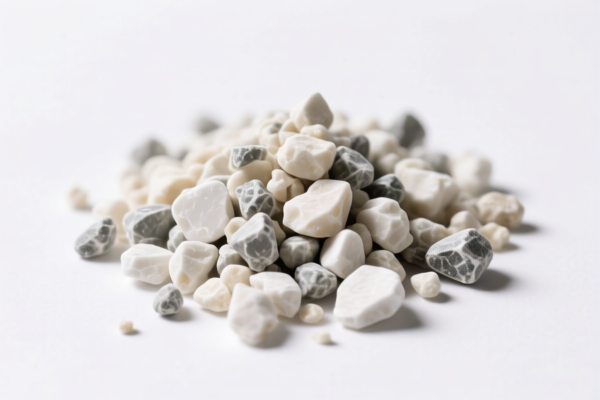
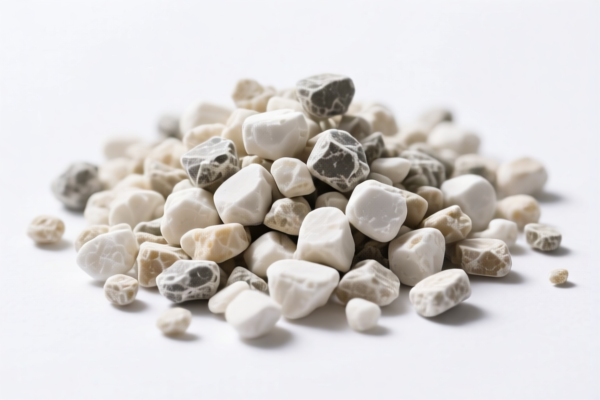
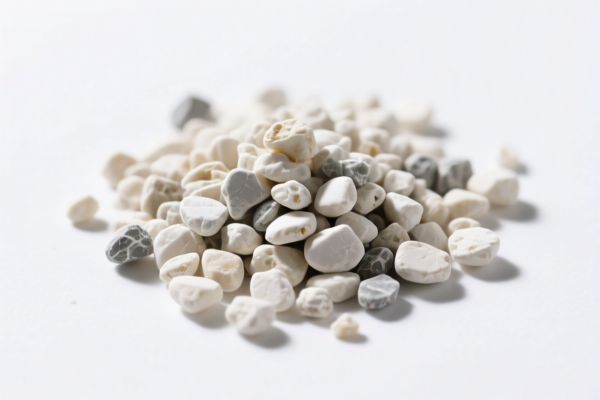
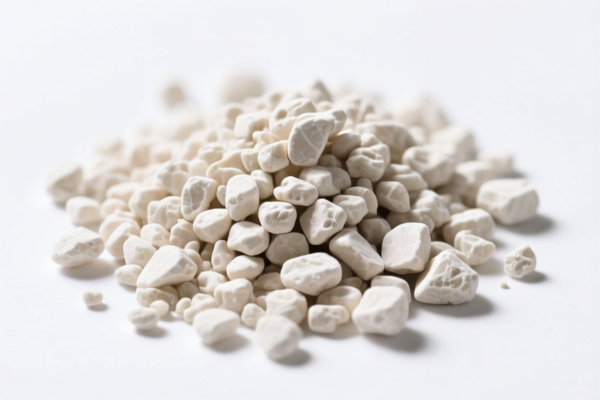
AI Analysis
🏭 Dolomite Ramming Mass: HS Code Classification & US Customs Clearance Strategy (2026 Edition)
🌐 HS Code Reference & Customs Guide | 2026 Latest Tariff Analysis | Professional Clearance Strategy
📌 I. Product Definition: What is "Dolomite Ramming Mass"?
Dolomite Ramming Mass is a specialized refractory material composed primarily of dolomite (calcium magnesium carbonate), mixed with binders and additives. It is used in the construction of furnaces (particularly in steelmaking, such as basic oxygen furnaces or electric arc furnaces) via the "ramming" technique—where the material is compacted into place rather than fired into bricks.
In international trade, classification debates often arise because the product sits at the intersection of: 1. Raw Minerals (Unprocessed/Pre-processed Stone) 2. Refractory Materials (Finished or Semi-finished Industrial Goods) 3. Construction Aggregates (Building Materials)
⚠️ Critical Distinction:
- If it is a loose powder/granular mix intended for on-site ramming → Often viewed as Refractories (6902) or Stone Products (6802/2521).
- If it is finished aggregate for general construction → 6802.
- Misclassification Risk: Declaring it as "Stone" when it is "Refractory" (or vice versa) can lead to severe penalty risks due to different tariff structures and regulatory scrutiny.
📦 II. HS Code Classification Analysis (Based on Provided Data)
The following table details the five potential HS Codes based on the provided data, explaining why each applies and the corresponding tax implications.
| HS Code | Classification Basis (Why this Code?) | Product Description & Logic |
|---|---|---|
6802.99.00.30 |
Stone Articles (Processed) | Logic: Treated as processed stone products. Even in powder/granular form, if viewed as a finished stone article for non-refractory use. Key Factor: "Stone material" + "Processed form". |
2521.00.00.00 |
Raw Material (Lime/Cement) | Logic: Classified as a calcium-based stone raw material specifically for producing lime or cement. Key Factor: "Calcium stone" + "Industrial Raw Material" status. |
6902.10.10.00 |
Refractories (High Mg/Ca) | Logic: Due to high magnesium/calcium content and powder/granular primary form, it meets the characteristics of refractory materials. Key Factor: "Refractory features" + "Chemical composition". |
6902.90.10.10 |
Refractories (Other/Carbonate) | Logic: Inferred as a raw material or intermediate product within the refractory category due to being a carbonate mineral. Key Factor: "Carbonate mineral" + "Intermediate/Refractory use". |
6802.29.10.00 |
Building Aggregate | Logic: Classified as building stone based on calcium material and intended building applications (e.g., road base, concrete aggregate). Key Factor: "Construction use" + "Aggregates". |
💰 III. 2026 Latest Tariff Rate Breakdown (Detailed Tax Clauses)
✅ Target Market: United States (US)
✅ Origin: China (CN)
✅ Applicability: All HS Codes listed above from the provided data.
🎯 1. Universal Tax Structure (Applicable to All 5 HS Codes)
All five HS codes in the provided data share an identical tax structure due to the specific trade policies applicable to Chinese-origin goods.
| Tax Component | Rate | Source/Clause |
|---|---|---|
| Base Tariff | 0.0% – 6.5% | Varies by HS Code (See below) |
| Section 301 / Additional Tariff | +25.0% | USITC Footnote (Section 301 Trade Remedy) |
| Section 122 Tariff | +10.0% | Specific US Import Restriction Clause |
| Total Effective Tax Rate | 35.0% – 41.5% | Sum of Base + 25% + 10% |
🎯 2. Detailed Breakdown by HS Code
🏷️ A. 6802.99.00.30 (Stone Articles)
- Base Tariff: 6.5%
- Section 301: +25.0%
- Section 122: +10.0%
- Total Tax: 41.5%
- 📌 Explanation: This has the highest total tax burden because it incurs the highest base tariff (6.5%). It is classified as a processed stone product, not a raw mineral.
🏷️ B. 2521.00.00.00 (Raw Calcium Stone)
- Base Tariff: 0.0%
- Section 301: +25.0%
- Section 122: +10.0%
- Total Tax: 35.0%
- 📌 Explanation: Classified as a raw material for lime/cement production. No base tariff, but still hits with the full 35% in additional duties.
🏷️ C. 6902.10.10.00 (Refractories: High Mg/Ca)
- Base Tariff: 0.0%
- Section 301: +25.0%
- Section 122: +10.0%
- Total Tax: 35.0%
- 📌 Explanation: Classified as a refractory material due to its chemical composition (High Mg/Ca) and form. No base tariff. This is often the most logical classification for ramming mass if strictly used in furnaces.
🏷️ D. 6902.90.10.10 (Refractories: Other/Carbonate)
- Base Tariff: 0.0%
- Section 301: +25.0%
- Section 122: +10.0%
- Total Tax: 35.0%
- 📌 Explanation: Another refractory classification for carbonate minerals. Like
6902.10, it benefits from a 0% base tariff but faces the full 35% punitive duty.
🏷️ E. 6802.29.10.00 (Building Aggregates)
- Base Tariff: 4.9%
- Section 301: +25.0%
- Section 122: +10.0%
- Total Tax: 39.9%
- 📌 Explanation: Classified as building material. Base tariff is 4.9%, leading to a total of 39.9%. Higher than the refractory/raw material options but lower than
6802.99.
🛠️ IV. Customs Clearance Practical Advice
✅ 1. Preparation Checklist (Critical Documents)
| Document | Requirement | Purpose |
|---|---|---|
| ✅ Technical Data Sheet | Must show MgO/CaO content, particle size distribution, and binder type. | To prove "Refractory" vs. "Stone" vs. "Aggregate" nature. |
| ✅ Product Photo | Clear image of the granular/powder form + packaging. | Visual proof of "Ramming Mass" (not pre-formed bricks). |
| ✅ Intended Use Declaration | Statement: "Used for lining steel-making furnaces via ramming technique." | Crucial for justifying HS 6902 (Refractories). |
| ✅ Certificate of Origin | CO for China origin. | To confirm applicability of Section 301 & 122 duties. |
| ✅ Commercial Invoice | Itemized description: "Dolomite Ramming Mass, Refractory Grade." | Avoid vague terms like "Stone Powder" which may trigger incorrect classification. |
✅ 2. Classification Strategy & Risk Mitigation
| Scenario | Recommended HS Code | Risk Level | Reasoning |
|---|---|---|---|
| Strictly for Furnace Lining | 6902.10.10.00 or 6902.90.10.10 |
🟡 Medium | Best technical fit. 0% Base Tariff. Must prove refractory use. |
| Raw Material for Lime Production | 2521.00.00.00 |
🟢 Low | 0% Base Tariff. If you are selling to a lime plant, this is safe. |
| General Construction Aggregate | 6802.29.10.00 |
🔴 High | Only use if actually for building/construction. High scrutiny if used in furnaces. |
| Vague "Stone Product" | 6802.99.00.30 |
🔴 Highest | Avoid. Highest total tax (41.5%). No technical advantage. |
🔍 Key Advice:
- Do NOT use6802.99.00.30unless absolutely necessary. It offers no tax benefit and is technically less accurate for refractory ramming mass. - Best Tax Position:6902.xxxxor2521.00(35% total) are superior to6802.xxxxvariants (39.9–41.5%). - Documentation is Key: To justify6902(Refractories), you must provide evidence of its use in high-temperature industrial applications (steel/cement kilns). If you cannot prove this, Customs may reclassify it to6802(Stone) or2521(Raw Material), potentially changing the duty liability or triggering additional inspections.
✅ 3. Special Considerations
| Issue | Action |
|---|---|
| Section 122 Tariff (10%) | Apply to all Chinese-origin goods under these HS codes. Cannot be avoided without changing origin. |
| Section 301 Tariff (25%) | Standard for Chinese refractories/stone. Ensure HTS code matches the 301 list. |
| De Minimis Exemption | ❌ Not Applicable. These goods are industrial materials, not personal effects. All shipments are subject to full duty. |
| Pre-Ruling Recommendation | 🌟 Strongly Recommended: Apply for an Advance Ruling (CBP Ruling) from US Customs. Given the ambiguity between 6902 (Refractory) and 6802 (Stone), a pre-ruling locks in the 35% rate and avoids post-clearance audits. |
📌 V. Common Errors & Pitfalls (Learn from Mistakes)
❌ Error 1: Declaring as "Stone Dust" or "Mineral Powder" without specifying use.
👉 Consequence: Customs may classify under 6802.99 (41.5%) or demand heavy documentation to prove refractory status.
❌ Error 2: Using HS Code 6903 (Other Refractories) incorrectly.
👉 Consequence: 6903 typically covers other refractory materials (like carbon/graphite). Dolomite-based ramming mass falls under 6902 (Silicate Refractories). Misclassification leads to penalty and back-tariffs.
❌ Error 3: Assuming "Raw Material" status for 2521 if it is processed.
👉 Consequence: If the dolomite is mixed with binders to form a "ramming mass," it is no longer a simple raw mineral (2521) but a prepared refractory (6902). Using 2521 for a processed mix is fraudulent and risky.
🎯 VI. Conclusion & Final Recommendation
🎯 Summary:
- Lowest Tax: 35% (via HS Codes 2521, 6902.10, or 6902.90).
- Highest Tax: 41.5% (via HS Code 6802.99).
- Most Technically Accurate: 6902.10.10.00 (if high Mg/Ca refractory) or 6902.90.10.10 (if general refractory).
🚀 Action Plan:
1. Verify Composition: Confirm MgO/CaO content to support 6902 classification.
2. Prepare Technical Docs: Gather data sheets proving furnace use.
3. Apply for Pre-Ruling: Avoid ambiguity between Stone (6802) and Refractory (6902).
4. Optimize Supply Chain: If possible, explore sourcing from non-USITC-tariff countries to avoid the 25% + 10% surcharge.
📣 Immediate Next Step:
📞 Contact a Licensed Customs Broker to file an Advance Ruling Request with CBP.
📄 Submit Technical Data highlighting "Refractory Grade" and "Ramming Application."
💰 Budget for 35% Total Duty (0–6.5% Base + 25% Section 301 + 10% Section 122).
✨ Precision in Classification = Savings in Cost!
💼 Don't let ambiguous HS codes cost you 41.5% when you could pay 35%.
Customer Reviews
About HS Code Classification
The Harmonized System (HS) is an internationally standardized nomenclature developed by the World Customs Organization (WCO) to classify traded products. Over 200 countries use the HS system as the basis for customs tariffs, trade statistics, and import/export regulations.
Each HS code follows a hierarchical structure:
- Chapter (2 digits) — Broad category of goods (e.g., Chapter 84: Machinery and Mechanical Appliances)
- Heading (4 digits) — More specific grouping within the chapter
- Subheading (6 digits) — Internationally standardized breakdown, used by all WCO member countries
- National subdivisions (8-10 digits) — Country-specific extensions for further classification, such as US HTSUS 10-digit codes
Correct HS code classification is essential for smooth customs clearance, accurate duty payment, and compliance with trade regulations. Misclassification can lead to customs delays, overpayment of duties, or penalties.
When importing from CN to US, the applicable tariff rates may include:
- Most-Favored-Nation (MFN) rate — The standard duty rate applied to WTO members
- General rate — Applied to countries without trade agreements
- Trade remedy duties — Additional tariffs such as Section 301 (anti-dumping), Section 232 (national security), or countervailing duties
The information provided on this page is for reference purposes only. For official classification, please consult with your local customs authority or a licensed customs broker.