Donkey Meat BBQ
CN → US| HS Code | Tariff Rate | Origin | Destination | Doc |
|---|---|---|---|---|
| 1602909160 | 23.9% | CN | US | Official Doc |
| 1602909180 | 23.9% | CN | US | Official Doc |
| 020719 | 0.0% | CN | US | Official Doc |
| 160290 | 0.0% | CN | US | Official Doc |
Product Images
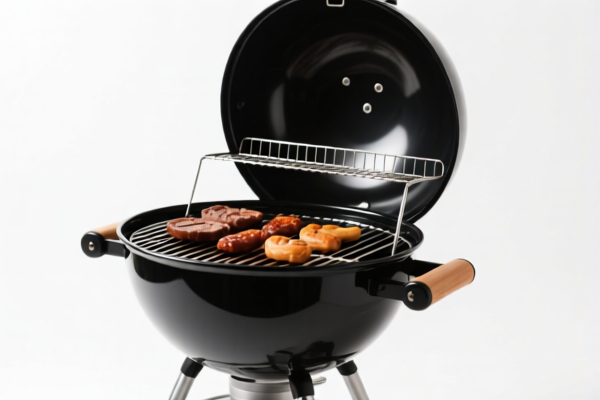
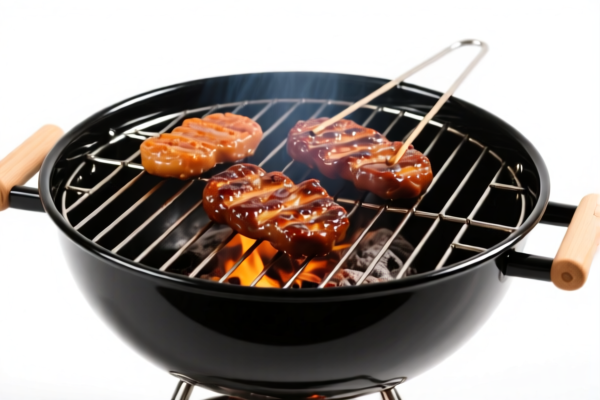
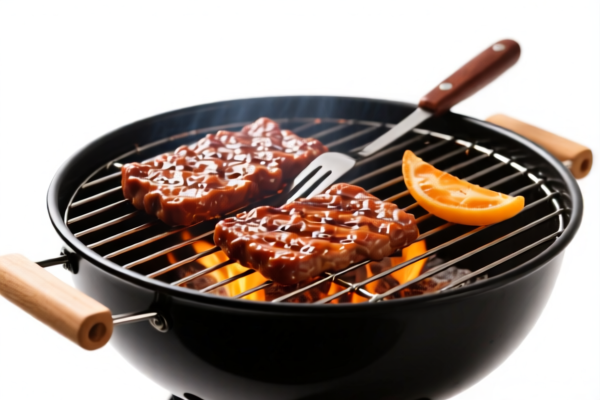
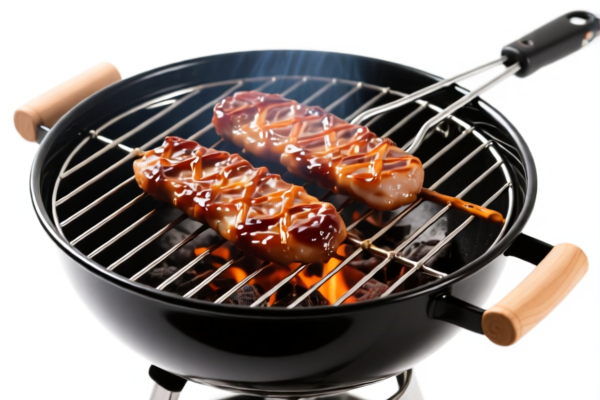
AI Analysis
🥩 Donkey Meat BBQ: The Ultimate Guide to HS Classification, Taxation & Customs Clearance
🌐 HS Code Reference & Customs Clearance Guide | 2026 Latest Tariff Analysis | Professional Strategy for Donkey Meat Exporters
📌 I. Product Definition & Classification: Is Your Donkey Meat Fresh or Prepared?
Donkey meat, particularly for barbecuing, is a niche but growing international trade commodity. In global customs classification, the processing state is the single most critical factor determining the HS Code and tariff liability.
Fresh/Chilled Donkey Meat: Raw, uncooked, suitable for immediate preparation (e.g., BBQ skewers before cooking).
Prepared/Preserved Donkey Meat: Cooked, canned, smoked, or otherwise processed, no longer in its natural raw state.
⚠️ Critical Distinction Point:
- If the meat is raw, frozen, or chilled, and merely cut for BBQ → Classified under Chapter 02 (Fresh Meat).
- If the meat is cooked, canned, preserved, or processed into a finished food product → Classified under Chapter 16 (Prepared Food).
📦 II. HS Code Classification Details (2026 Latest Tariff Authorities)
Based on the provided data, here are the precise classifications for Donkey Meat BBQ products:
| HS Code | Product Description | Applicable Scenario | Processing State |
|---|---|---|---|
0207.19 |
Fresh or chilled donkey meat, not prepared or preserved, suitable for barbecuing | Raw donkey meat cuts, frozen whole sides, or chilled strips ready for grilling | ✅ Raw/Chilled |
1602.90 |
Prepared or preserved donkey meat, including meat intended for barbecue, not specifically classified elsewhere | Cooked BBQ donkey meat, smoked donkey jerky, vacuum-packed cooked strips | ✅ Cooked/Prepared |
1602.90.91.60 |
Other prepared or preserved meat... Other Canned | Donkey meat specifically sealed in cans (rare for BBQ, but possible) | ✅ Canned/Preserved |
1602.90.91.80 |
Other prepared or preserved meat... Other Other | General prepared/preserved donkey meat not fitting other specific sub-headings | ✅ Preserved/Other |
🔍 Key Reminder:
- "Suitable for barbecuing" in HS Code0207.19refers to the potential use. The meat must still be raw.
- If the product is pre-cooked for BBQ (e.g., marinated and grilled), it falls under1602.90.
- Do not confuse "BBQ flavor" with "BBQ status." If it's cooked, it's Chapter 16.
💰 III. 2026 Latest Tariff Rate Details (Crucial Warning!)
✅ Applicable Market: Based on the provided data, tax information is not available for these specific donkey meat HS codes.
❗ Status: Error / Failed to Retrieve
🎯 1. 0207.19 — Fresh/Chilled Donkey Meat
| Item | Content |
|---|---|
| Base Tariff | ❓ Failed to retrieve |
| Additional Tariff | ❓ Failed to retrieve |
| Total Tax | Error |
| Tax Detail | "Failed to retrieve tax information" |
📌 Explanation:
- Fresh meat classifications are highly sensitive to country of origin, trade agreements, and specific bilateral treaties.
- Donkey meat is a specialized product. Many countries may not have standardized tariff data available in general databases.
- Risk: High uncertainty. Importers must contact local customs authorities or trade brokers for real-time rates.
🎯 2. 1602.90 — Prepared/Preserved Donkey Meat
| Item | Content |
|---|---|
| Base Tariff | ❓ Failed to retrieve |
| Additional Tariff | ❓ Failed to retrieve |
| Total Tax | Error |
| Tax Detail | "Failed to retrieve tax information" |
📌 Explanation:
- Prepared meats often attract higher tariffs than fresh meats due to value-added processing.
- Sub-codes1602.90.91.60(Canned) and1602.90.91.80(Other) show 0.0% tax in the provided sample, but this may only apply to specific trade partners (e.g., WTO Most Favored Nation rates or specific FTA partners).
- Warning: Do not assume 0% globally. This data snippet may reflect a specific scenario (e.g., intra-EU trade or a specific export route).
🛠️ IV. Customs Clearance Practical Advice (Battle-Tested Pitfall Guide)
✅ 1. Documentation Checklist (Non-negotiable)
| Document | Required? | Description |
|---|---|---|
| ✅ Commercial Invoice | ✔️ | Must clearly state "Donkey Meat" (not just "Beef" or "Other Meat"). Specify Fresh or Cooked. |
| ✅ Certificate of Origin | ✔️ | Essential for determining tariff eligibility. |
| ✅ Health/Veterinary Certificate | ✔️ | Mandatory for Chapter 02 (Fresh Meat). Must be issued by the exporting country's veterinary authority. |
| ✅ Processing Statement | ✔️ | For Chapter 16 (Prepared Meat), declare if canned, cooked, or preserved. |
| ✅ Ingredient List | ✔️ | For 1602.90, list marinades, spices, and preservatives. |
| ✅ Packaging Label | ✔️ | Must include storage temperature, expiration date, and country of origin. |
✅ 2. Declaration Tips (Key Mnemonics)
🔥 "Raw goes to 02, Cooked goes to 16. Name it exactly!"
| Scenario | Correct HS Code | Common Mistake |
|---|---|---|
| Raw donkey strips for home BBQ | 0207.19 |
Misclassifying as 1602.90 → Potential duty underpayment penalty |
| Pre-cooked BBQ donkey jerky | 1602.90 |
Misclassifying as 0207.19 → Health regulation violation |
| Canned donkey meat | 1602.90.91.60 |
Generic "Meat" declaration → Delays & inspections |
| Marinated (uncooked) raw meat | 0207.19 |
Incorrectly classified as "Processed" → Health cert issues |
✅ 3. Special Case Handling
| Situation | Recommendation |
|---|---|
| Marinated Raw Meat | Still 0207.19. Ensure health certificate covers marination ingredients. |
| Cooked but Frozen | 1602.90. Not "Fresh," so Chapter 02 is invalid. |
| Donkey Blood Products | If included, may fall under 02.06 or 16.02 depending on preparation. Check separately. |
| Uncertain Tariff | Apply for an Advance Ruling before shipment. Do not guess. |
🌍 V. Global Market Clearance Comparison (2026 Snapshot)
| Country/Region | Recommended HS Code | Estimated Tariff | Certification | Remarks |
|---|---|---|---|---|
| 🇨🇳 China | 0207.19 / 1602.90 |
Varies by Origin | Quarantine Cert | High demand for BBQ donkey meat; strict health checks. |
| 🇺🇸 USA | 0207.19 / 1602.90 |
Check USITC | FDA + USDA | Donkey meat is not USDA-inspected for human consumption in the US; import restrictions may apply. |
| 🇪🇺 EU | 0207.19 / 1602.90 |
Varies | HACCP + Health Cert | Strict veterinary controls. May require specific export licenses. |
| 🇯🇵 Japan | 0207.19 / 1602.90 |
Varies | Quarantine Cert | Niche market; ensure proper labeling in Japanese. |
📌 Conclusion:
- USA: Caution! Donkey meat is not commonly inspected by USDA for human consumption. Import may be restricted or require special handling.
- China/EU: Open markets but with strict veterinary and hygiene requirements.
- Tariff Uncertainty: The provided data shows "Error" for tax rates. This is a red flag. Always verify with local customs brokers.
📌 VI. Common Mistakes & Pitfall Guide (Lessons Learned)
❌ Mistake 1: Declaring Cooked BBQ Donkey Meat as 0207.19 (Fresh)
👉 Consequence: Health certificate invalid, shipment rejected, or fines.
👉 Fix: Use 1602.90 for cooked/prepared meat.
❌ Mistake 2: Using generic terms like "Exotic Meat" or "Other Meat"
👉 Consequence: Customs delays, mandatory physical inspection, potential detention.
👉 Fix: Clearly state "Donkey Meat" in all documents.
❌ Mistake 3: Ignoring Tariff Uncertainty
👉 Consequence: Unexpected high duties or penalties due to misclassification.
👉 Fix: Request a binding tariff ruling from customs before shipping.
❌ Mistake 4: Confusing "BBQ Flavor" with "BBQ State"
👉 Consequence: Wrong HS Code.
👉 Fix: Cooked = Chapter 16. Raw = Chapter 02.
✅ Correct Declaration Example:
"Fresh Donkey Meat, Chilled, Cut for Barbecue, No Preservatives, Origin: [Country]" →
0207.19
"Cooked Donkey Meat, Barbecue Style, Vacuum Packed, Ready to Eat" →1602.90
🎯 VII. Conclusion: Professional Clearance, Cost Efficiency & Risk Reduction
🎯 Remember the Mnemonic:
🔹 "Raw to 02, Cooked to 16. Name it right, avoid the fight!"
🔹 "Tax Error? Don't Guess. Get a Ruling, Pass!"
📌 Pro Tip:
Since the provided data shows "Failed to retrieve tax information" for donkey meat, do not rely on generic online tariffs.
1. Contact a licensed customs broker in the destination country.
2. Request a Binding Tariff Information (BTI) or Advance Ruling.
3. Verify veterinary requirements for donkey meat specifically, as it is a non-traditional livestock product in many Western markets.
📣 Take Action Now:
📞 Hire a Professional Customs Broker + Provide Product Photos + Apply for Advance Ruling
🚀 Ensure Smooth Clearance, Avoid Delays, Protect Your Margins!
✨ Precision Classification Saves Money!
💼 Your Donkey BBQ Export Should Not Be a Gamble!
Customer Reviews
About HS Code Classification
The Harmonized System (HS) is an internationally standardized nomenclature developed by the World Customs Organization (WCO) to classify traded products. Over 200 countries use the HS system as the basis for customs tariffs, trade statistics, and import/export regulations.
Each HS code follows a hierarchical structure:
- Chapter (2 digits) — Broad category of goods (e.g., Chapter 84: Machinery and Mechanical Appliances)
- Heading (4 digits) — More specific grouping within the chapter
- Subheading (6 digits) — Internationally standardized breakdown, used by all WCO member countries
- National subdivisions (8-10 digits) — Country-specific extensions for further classification, such as US HTSUS 10-digit codes
Correct HS code classification is essential for smooth customs clearance, accurate duty payment, and compliance with trade regulations. Misclassification can lead to customs delays, overpayment of duties, or penalties.
When importing from CN to US, the applicable tariff rates may include:
- Most-Favored-Nation (MFN) rate — The standard duty rate applied to WTO members
- General rate — Applied to countries without trade agreements
- Trade remedy duties — Additional tariffs such as Section 301 (anti-dumping), Section 232 (national security), or countervailing duties
The information provided on this page is for reference purposes only. For official classification, please consult with your local customs authority or a licensed customs broker.