Door Back Shoe Rack Organizer
CN → US| HS Code | Tariff Rate | Origin | Destination | Doc |
|---|---|---|---|---|
| 9403608093 | 35.0% | CN | US | Official Doc |
| 7326200020 | 88.9% | CN | US | Official Doc |
| 9403200050 | 85.0% | CN | US | Official Doc |
Product Images
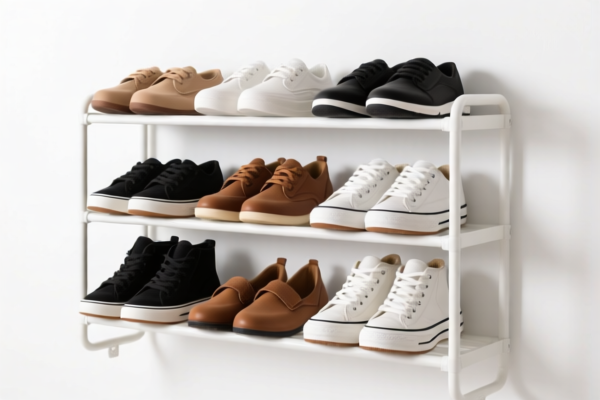
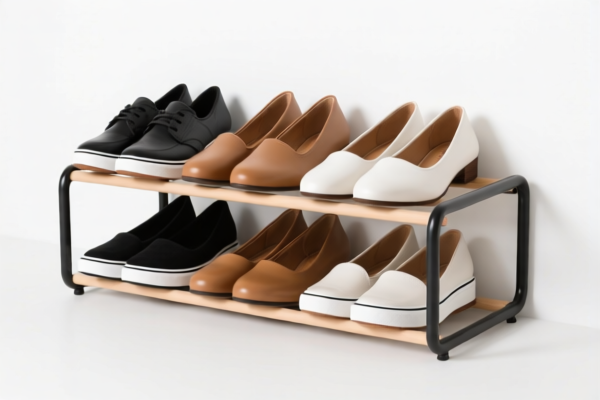
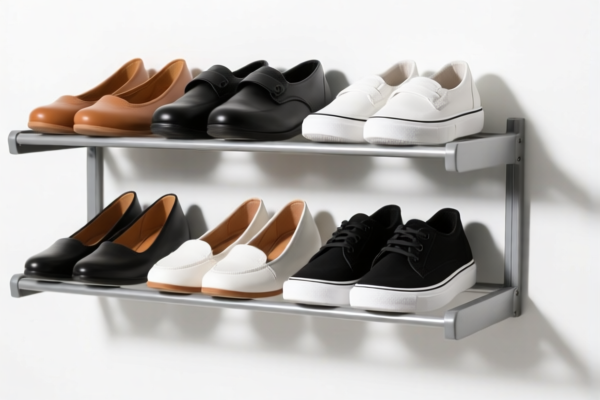
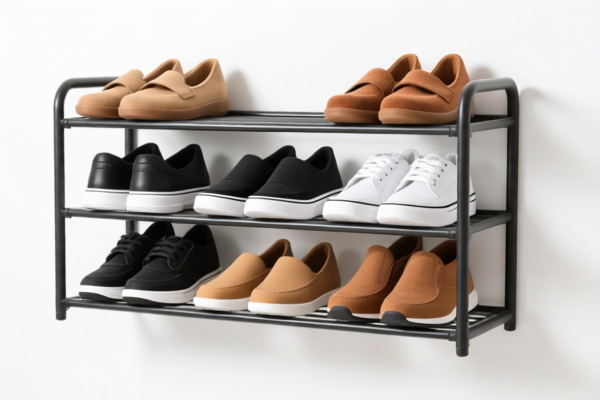
AI Analysis
🚪 Back Door Shoe Rack Organizer
🌐 HS Code Reference & Clearance Guide | 2026 Latest Tariff Analysis | Professional Clearance Strategy
📌 I. Product Definition & Classification: Do You Really Know What a "Shoe Rack" Is?
A Back Door Shoe Rack Organizer is a storage solution designed to utilize vertical space in entryways, hallways, or utility rooms. In international trade, its classification hinges critically on two factors: Material and Structure.
Key Distinctions:
1. Wooden/Composite Material (Category 9403):
- If the rack is primarily constructed from wood (solid, particleboard, MDF, etc.) or wood-based materials, it falls under "Other wooden furniture."
- Note: Even if it has metal hooks or brackets, if the main structural body is wood, it is generally classified as furniture.
- Metal Material (Category 9403.20 or 7326):
- 9403.20.00.50 (Metal Furniture): If the rack is designed as a shelf or rack facility made of steel, aluminum, or copper, and is intended for storage (like a cabinet or shelving unit), it may be classified as "Other metal furniture." This is common for sturdy, wire-frame, or welded metal shoe racks.
- 7326.20.00.20 (Other Articles of Iron/Steel): If the rack is considered a general metal article rather than "furniture" (e.g., lightweight, temporary, or purely functional wire organizers not meeting the definition of furniture), it may fall under general metal articles. However, most dedicated shoe racks are argued to be furniture.
⚠️ Critical Classification Point:
- If the item is wooden → 9403.60.80.93 (Other wooden furniture).
- If the item is metal and structured as a shelf/rack for storage → 9403.20.00.50 (Other metal furniture).
- If the item is metal but deemed not furniture (e.g., simple wire hanging organizer) → 7326.20.00.20 (Other articles of iron/steel).
📦 II. HS Code Classification Details (2026 Latest Tariff Authority Comparison)
| HS Code | Product Description | Material | Classification Logic |
|---|---|---|---|
9403.60.80.93 |
Other Wooden Furniture | Wood/MDF | Classified as "Other wooden furniture." Includes storage units, racks, and organizers made primarily of wood. |
9403.20.00.50 |
Other Metal Furniture | Steel/Aluminum/Copper | Classified as "Other metal furniture." Specifically covers storage cabinets, shelves, and racks made of steel or aluminum. |
7326.20.00.20 |
Other Articles of Iron/Steel | Iron/Steel | Classified as "Other articles of iron or steel." Used for metal items that do not qualify as furniture (e.g., lightweight, non-permanent storage frames). |
🔍 Key Insight:
- Wooden racks are straightforward: 9403.60.80.93.
- Metal racks are tricky: Customs may classify them as Furniture (9403.20) if they are sturdy and intended for permanent storage, or as General Metal Articles (7326.20) if they are flimsy or temporary.
- 122 Clause & Section 301 Implications: Both metal classifications (9403.20 and 7326.20) are subject to heavy additional tariffs due to steel/aluminum content and China-origin status.
💰 III. 2026 Latest Tariff Rate Breakdown (Including Additional Taxes & Policy Surcharges)
✅ Applicable Country: United States (US)
✅ Country of Origin: China (CN)
✅ Effective Date: From 2025 onwards (subject to ongoing trade policies)
🎯 1. 9403.60.80.93 —— Wooden Furniture (Shoe Rack)
| Item | Detail |
|---|---|
| Base Tariff Rate | 0.0% (ad valorem) |
| Section 301 Additional Tariff | +25.0% |
| Section 122 Tariff | +10.0% |
| Total Tariff Rate | 35.0% |
| Tax Calculation | CIF Value × 35% |
| De Minimis Exemption | ❌ Not Eligible (deny_de_minimis) |
| Legal Basis Path | USITC:9403.60.80.93 → Section 301: +25% → Section 122: +10% |
📌 Explanation:
- Base Tariff: 0% for most wooden furniture.
- Section 301: 25% additional tariff on Chinese goods.
- Section 122: 10% additional tariff for national security reasons.
- Total: 35%. This is a high tariff but lower than the metal counterparts.
🎯 2. 7326.20.00.20 —— Other Articles of Iron/Steel
| Item | Detail |
|---|---|
| Base Tariff Rate | 3.9% (ad valorem) |
| Section 301 Additional Tariff | +25.0% |
| Section 122 Tariff | +10.0% |
| Steel/Aluminum/Copper Additional Tariff | +50.0% |
| Total Tariff Rate | 88.9% |
| Tax Calculation | CIF Value × 88.9% |
| De Minimis Exemption | ❌ Not Eligible (deny_de_minimis) |
| Legal Basis Path | USITC:7326.20.00.20 → Section 301: +25% → Section 122: +10% → Steel/Al: +50% |
📌 Explanation:
- Base Tariff: 3.9% for general iron/steel articles.
- Section 301: 25% additional tariff.
- Section 122: 10% additional tariff.
- Steel/Aluminum Surcharge: 50% additional tariff on steel/aluminum products from China.
- Total: 88.9%. This is an extremely high tariff, making metal shoe racks very costly to import.
🎯 3. 9403.20.00.50 —— Other Metal Furniture (Shoe Rack/Shelf)
| Item | Detail |
|---|---|
| Base Tariff Rate | 0.0% (ad valorem) |
| Section 301 Additional Tariff | +25.0% |
| Section 122 Tariff | +10.0% |
| Steel/Aluminum/Copper Additional Tariff | +50.0% |
| Total Tariff Rate | 85.0% |
| Tax Calculation | CIF Value × 85.0% |
| De Minimis Exemption | ❌ Not Eligible (deny_de_minimis) |
| Legal Basis Path | USITC:9403.20.00.50 → Section 301: +25% → Section 122: +10% → Steel/Al: +50% |
📌 Explanation:
- Base Tariff: 0% for metal furniture.
- Section 301: 25% additional tariff.
- Section 122: 10% additional tariff.
- Steel/Aluminum Surcharge: 50% additional tariff.
- Total: 85.0%. Also an extremely high tariff.
🛠️ IV. Clearance Practical Advice (Pitfall Avoidance Guide)
✅ 1. Material Documentation is Key
| Document | Required? | Description |
|---|---|---|
| ✅ Material Composition Statement | ✔️ | Must specify if the rack is Wood, Steel, Aluminum, or Mixed. |
| ✅ Product Photos | ✔️ | Show the overall structure, hooks, shelves, and material texture. |
| ✅ Bill of Materials (BOM) | ✔️ | Detail the percentage of wood vs. metal. |
| ✅ Commercial Invoice | ✔️ | Clearly state "Shoe Rack Organizer" and material (e.g., "MDF Wooden Shoe Rack" vs. "Steel Wire Shoe Rack"). |
✅ 2. Classification Strategy (Key Rules)
| Scenario | Correct HS Code | Risk |
|---|---|---|
| Wooden Rack | 9403.60.80.93 |
✅ Low risk. Total tax 35%. |
| Metal Rack (Furniture-style) | 9403.20.00.50 |
⚠️ Medium risk. May be disputed as 7326. Total tax 85%. |
| Metal Rack (General Article) | 7326.20.00.20 |
⚠️ High risk. Total tax 88.9%. |
| Mixed Material (Wood Frame + Metal Hooks) | 9403.60.80.93 |
✅ Best option. If wood is the primary material, classify as wooden furniture. |
🔥 "Material Defines Tax, Structure Defines Code!"
✅ 3. Special Cases
| Case | Handling Advice |
|---|---|
| Wood Frame + Metal Shelves | If wood constitutes >50% of the structural value/material, classify as Wooden Furniture (9403.60). This saves ~50% in tariffs. |
| Wire Frame (All Metal) | Likely 7326.20 or 9403.20. Both have ~85-89% tax. Consider switching to wooden designs if targeting the US market. |
| Plastic Parts Only | If the rack is primarily plastic, check 3926.90 (Other plastic articles). Tax rates may vary, but generally lower than steel. |
🌍 V. Global Market Comparison (2026 Latest)
| Country/Region | Recommended HS Code | Tariff (China Origin) | Certification | Notes |
|---|---|---|---|---|
| 🇺🇸 USA | 9403.60.80.93 (Wood) |
35% | None | Avoid metal if possible. 85%+ tax on metal. |
| 🇺🇸 USA | 7326.20.00.20 (Metal) |
88.9% | None | Extremely high cost. |
| 🇨🇳 China | 9403.60.80.93 |
0-5% | CCC (if applicable) | Low domestic tax. |
| 🇪🇺 EU | 9403.60.80.93 |
0% | CE (if electrical) | Generally low tariffs. |
| 🇦🇺 Australia | 9403.60.80.93 |
5% | None | Moderate tariff. |
📌 Conclusion:
- The US market imposes heavy tariffs on Chinese-made furniture, especially metal furniture due to steel/aluminum surcharges.
- Wooden shoe racks are the most cost-effective option for US export.
- Metal shoe racks face ~85-89% tariffs, significantly reducing profit margins.
📌 VI. Common Mistakes & Pitfalls (Blood & Tears Lessons)
❌ Mistake 1: Classifying a wooden rack as 7326 (iron/steel) because it has metal hooks.
👉 Consequence: Incorrect classification. Should be 9403.60. Tax difference: 35% vs. 88.9%. Overpayment of 53.9%!
❌ Mistake 2: Declaring a metal rack as 9403.60 (wooden furniture).
👉 Consequence: Customs seizure, fines, and back taxes. Penalty up to 3x the duty owed.
❌ Mistake 3: Ignoring the Section 122 and Steel/Aluminum Surcharge.
👉 Consequence: Underestimating total landed cost. Metal racks are not just 25-30% tax; they are 85-89%.
✅ Correct Action:
"Declare material accurately. Wood = 35%. Metal = 85-89%. Choose wood for US market!"
🎯 VII. Conclusion: Professional Clearance Saves Money!
🎯 Remember the Mantra:
🔹 "Wood is King, Metal is Costly."
🔹 "35% for Wood, 85% for Metal. Don't get caught in the Steel Trap!"📌 Pro Tip:
If you must export metal shoe racks, consider repackaging in a third country (e.g., Vietnam, Mexico) to avoid China-origin surcharges, or negotiate HS Code Pre-Rulings with US Customs to ensure correct classification and avoid penalties.
📣 Immediate Action:
📞 Contact a Customs Broker + Provide Material Spec Sheet + Request HS Code Pre-Ruling
🚀 Maximize Profit by Minimizing Tariff Risk!
✨ Professional Clearance Starts with Accurate Classification!
💼 Every Dollar of Tariff is a Dollar of Profit Lost!
Customer Reviews
About HS Code Classification
The Harmonized System (HS) is an internationally standardized nomenclature developed by the World Customs Organization (WCO) to classify traded products. Over 200 countries use the HS system as the basis for customs tariffs, trade statistics, and import/export regulations.
Each HS code follows a hierarchical structure:
- Chapter (2 digits) — Broad category of goods (e.g., Chapter 84: Machinery and Mechanical Appliances)
- Heading (4 digits) — More specific grouping within the chapter
- Subheading (6 digits) — Internationally standardized breakdown, used by all WCO member countries
- National subdivisions (8-10 digits) — Country-specific extensions for further classification, such as US HTSUS 10-digit codes
Correct HS code classification is essential for smooth customs clearance, accurate duty payment, and compliance with trade regulations. Misclassification can lead to customs delays, overpayment of duties, or penalties.
When importing from CN to US, the applicable tariff rates may include:
- Most-Favored-Nation (MFN) rate — The standard duty rate applied to WTO members
- General rate — Applied to countries without trade agreements
- Trade remedy duties — Additional tariffs such as Section 301 (anti-dumping), Section 232 (national security), or countervailing duties
The information provided on this page is for reference purposes only. For official classification, please consult with your local customs authority or a licensed customs broker.