Door Decoration
CN → US| HS Code | Tariff Rate | Origin | Destination | Doc |
|---|---|---|---|---|
| 4414900000 | 21.4% | CN | US | Official Doc |
| 4414100000 | 21.4% | CN | US | Official Doc |
| 8306290000 | 10.0% | CN | US | Official Doc |
| 8306210000 | 22.0% | CN | US | Official Doc |
| 3926400010 | 15.3% | CN | US | Official Doc |
| 3926400090 | 15.3% | CN | US | Official Doc |
Product Images
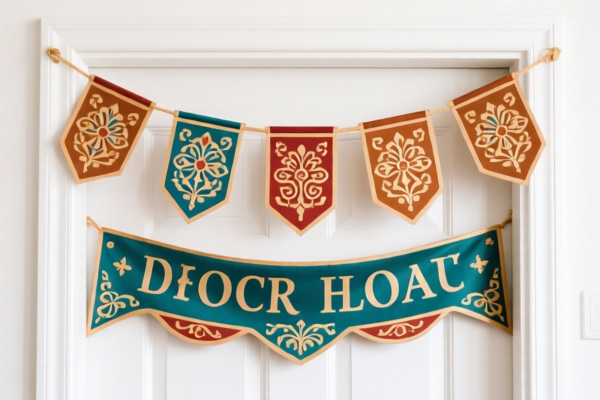
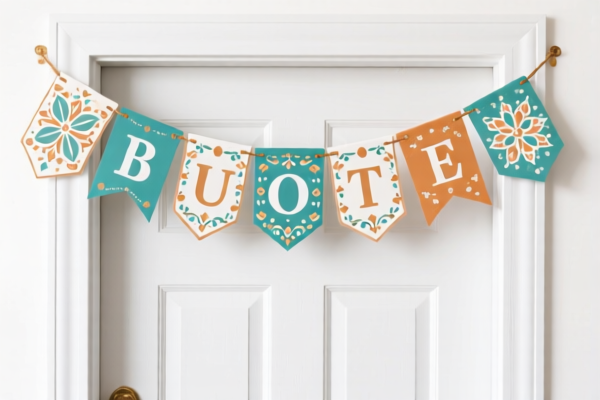
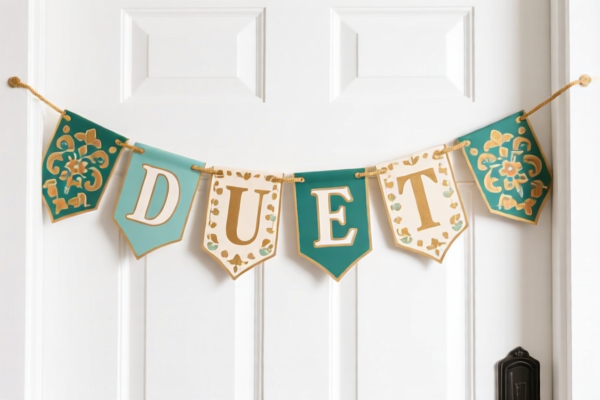
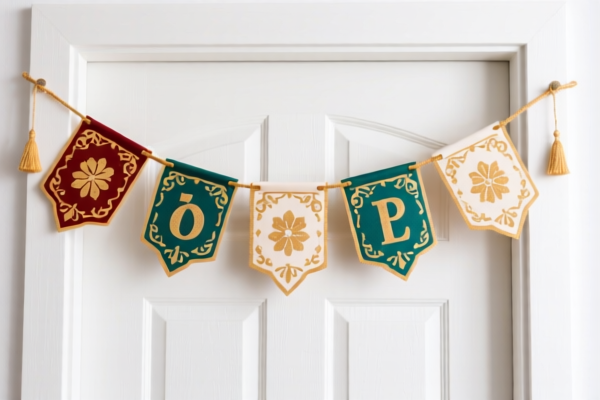
AI Analysis
🚪 Door Decoration (Decorative Door Panels & Ornamental Accessories)
🌐 HS Code Reference & Clearance Guide | 2026 Latest Tariff Analysis | Professional Clearance Strategy
📌 I. Product Definition & Classification: Do You Truly Understand "Door Decoration"?
"Door Decoration" is a broad term in international trade, encompassing various aesthetic and functional items attached to or integrated into doors. It generally falls into two distinct categories based on material and function:
- Wooden Frames/Ornaments: Decorative wooden moldings, frames for mirrors or artwork used on doors, or solid wood decorative inserts.
- Metal/Plastic Ornaments: Statuettes, gongs, bells, or ornamental fixtures made of base metal or plastics, often used as door knockers, handles, or decorative plaques.
⚠️ Key Distinction Point:
- If the item is a wooden frame for pictures, photos, mirrors, or similar objects → Classified under Chapter 44 (Wood).
- If the item is a statuette, ornament, bell, or gong made of base metal → Classified under Chapter 83 (Articles of Base Metal).
- If the item is a statuette or ornamental article made of plastics → Classified under Chapter 39 (Plastics).
📦 II. HS Code Classification Details (2026 Latest Tariff Authoritative Comparison)
Based on the provided data, here are the specific HS Codes and descriptions for "Door Decoration" components:
| HS Code | Product Description | Material | Key Feature |
|---|---|---|---|
4414.90.00.00 |
Wooden frames for paintings, photographs, mirrors or similar objects: Other | Wood | Generic wooden frames; not made of tropical wood. |
4414.10.00.00 |
Wooden frames for paintings, photographs, mirrors or similar objects: Of tropical wood | Tropical Wood | High-value wooden frames (e.g., Mahogany, Teak). |
8306.29.00.00 |
Bells, gongs... statuettes and other ornaments, of base metal... Other | Base Metal | Decorative metal knockers, plaques, or ornaments not plated with precious metal. |
8306.21.00.00 |
Bells, gongs... statuettes and other ornaments, of base metal... Plated with precious metal, and parts thereof | Base Metal (Precious Metal Plated) | Luxury door knockers/ornaments gold-plated, silver-plated, etc. |
3926.40.00.10 |
Other articles of plastics... Statuettes and other ornamental articles Bows and similar products for decorative purposes... | Plastic | Plastic decorative bows, ribbons, or specific ornamental shapes. |
3926.40.00.90 |
Other articles of plastics and articles of other materials of headings 3901 to 3914: Statuettes and other ornamental articles Other | Plastic | General plastic ornaments/statuettes not fitting the "bows" category. |
🔍 Important Reminder:
- Wooden Items: Must be distinguished by wood type. If it's tropical wood, it goes to4414.10.00.00; otherwise, it goes to4414.90.00.00.
- Metal Items: The presence of precious metal plating significantly changes the classification from8306.29.00.00to8306.21.00.00, affecting duty rates.
- Plastic Items: Specific decorative forms like "bows" have a separate sub-code (3926.40.00.10) from general ornamental articles (3926.40.00.90).
💰 III. 2026 Latest Tariff Rate Details (Including Surcharges & Policy Add-ons)
✅ Applicable Country: United States (US)
✅ Origin: China (CN)
✅ Effective Date: As per current trade regulations (General 301 Section & IEEPA measures apply where noted)
🎯 1. 4414.90.00.00 & 4414.10.00.00 —— Wooden Frames
| Item | Content |
|---|---|
| Base Tariff | 3.9% |
| Additional Tariff (Section 301) | 7.5% |
| Total Tariff Rate | 11.4% |
| Tax Detail | "Basic Tariff: 3.9%, Additional Tariff: 7.5%" |
| De Minimis Exemption | ❌ Not Eligible (If value exceeds $800, standard rules apply; if under $800, de minimis may apply but check specific IEEPA restrictions for wood products). |
📌 Explanation:
- Wooden frames are subject to the standard MFN (Most Favored Nation) rate of 3.9%.
- The 7.5% additional tariff is imposed under U.S. Trade Act Section 301 against Chinese goods.
- Total Cost Impact: 11.4% on the CIF value.
🎯 2. 8306.29.00.00 —— Base Metal Ornaments (Non-Plated)
| Item | Content |
|---|---|
| Base Tariff | 0.0% |
| Additional Tariff (Section 301) | 0.0% |
| Total Tariff Rate | 0.0% |
| Tax Detail | "Basic Tariff: 0.0%, Additional Tariff: 0.0%" |
| De Minimis Exemption | ✅ Eligible (Subject to general de minimis rules, but ensure no prohibited materials). |
📌 Explanation:
- This category enjoys zero duty both in base rate and additional tariffs.
- This is a highly competitive classification for budget-friendly door decorations.
- Strategic Note: If possible, design decorations to fall under this category (unplated base metal) to maximize cost savings.
🎯 3. 8306.21.00.00 —— Base Metal Ornaments (Precious Metal Plated)
| Item | Content |
|---|---|
| Base Tariff | 4.5% |
| Additional Tariff (Section 301) | 7.5% |
| Total Tariff Rate | 12.0% |
| Tax Detail | "Basic Tariff: 4.5%, Additional Tariff: 7.5%" |
| De Minimis Exemption | ❌ Not Eligible (Likely subject to strict scrutiny due to precious metal content). |
📌 Explanation:
- Plating with precious metal (gold, silver, platinum) increases the base tariff to 4.5%.
- The 7.5% additional tariff still applies.
- Total Cost Impact: 12.0% on CIF value. Higher than unpainted/base metal alternatives.
🎯 4. 3926.40.00.10 & 3926.40.00.90 —— Plastic Ornaments
| Item | Content |
|---|---|
| Base Tariff | 5.3% |
| Additional Tariff (Section 301) | 0.0% |
| Total Tariff Rate | 5.3% |
| Tax Detail | "Basic Tariff: 5.3%, Additional Tariff: 0.0%" |
| De Minimis Exemption | ✅ Eligible (Under $800, generally exempt). |
📌 Explanation:
- Plastic decorations have a moderate base rate of 5.3%.
- Crucially, there is NO additional Section 301 tariff (0.0%) for these plastic ornamental articles in the provided data.
- Total Cost Impact: 5.3%. This is a cost-effective option compared to wood and plated metal.
🛠️ IV. Clearance Practical Advice (Combat Pitfall Guide)
✅ 1. Documentation Checklist (Essential)
| Document | Required | Notes |
|---|---|---|
| ✅ Product Specification Sheet | ✔️ | Clearly state material (Wood type, Metal alloy, Plastic type). |
| ✅ Material Composition Certificate | ✔️ | For metal items, confirm if plating is "precious metal" to avoid misclassification. |
| ✅ High-Resolution Photos | ✔️ | Show the item attached to a door or as a standalone ornament. Highlight material texture. |
| ✅ Commercial Invoice | ✔️ | Describe accurately: e.g., "Wooden Frame, Non-Tropical" or "Metal Door Knob, Brass Plated". |
| ✅ Packing List | ✔️ | Ensure quantities match invoice. |
✅ 2. Declaration Tips (Key Mantra)
🔥 "Material Defines Code, Plating Defines Rate, Be Specific to Save!"
| Scenario | Correct Declaration | Wrong Action | Result |
|---|---|---|---|
| Wooden Frame | "Wooden Frame, Non-Tropical Wood" | Generic "Wooden Ornament" | Risk of Audit → Higher Duty |
| Tropical Wood Frame | "Wooden Frame, Of Tropical Wood" | Generic "Wooden Frame" | 4414.10 vs 4414.90 (Same Rate, but Specificity Avoids Delay) |
| Metal Ornament (Brass) | "Base Metal Ornament, Not Plated with Precious Metal" | "Gold-Colored Ornament" | Risk of being classified as Plated (8306.21) → 12% |
| Plastic Ornament | "Plastic Statuette/Ornament" | "Toy" or "Gift" | Wrong Chapter → Seizure/Fines |
✅ 3. Special Situation Handling
| Situation | Handling Advice |
|---|---|
| Mixed Materials | If a door decoration has wood + metal parts, declare the principal material. If indistinguishable, classify based on essential character. |
| Plating Ambiguity | For metal items, if plating thickness is minimal (decorative), argue for 8306.29.00.00 (0% duty) with technical specs proving no precious metal value. |
| Custom Designs | Provide design sketches to prove it's an "ornament" and not a "tool" or "part of a machine." |
| Sample Shipments | Under $800, de minimis may apply for Plastic and Base Metal (unplated). Wood may still face scrutiny. |
🌍 V. Global Market Clearance Comparison (2026 Latest)
| Country/Region | Recommended HS Code | Tariff (CN Origin) | Notes |
|---|---|---|---|
| 🇺🇸 USA | 8306.29.00.00 |
0.0% | Best for unpainted base metal ornaments. |
| 🇺🇸 USA | 3926.40.00.90 |
5.3% | Good for plastic decorations (No 301 tariff). |
| 🇺🇸 USA | 4414.90.00.00 |
11.4% | Standard for wooden frames. |
| 🇪🇺 EU | Varies | Varies | Generally lower base rates; VAT applies. |
| 🇨🇳 China | Varies | Varies | Import duties may apply for finished goods. |
📌 Conclusion:
- USA Market Strategy: Prioritize Base Metal (Unplated) and Plastic decorations to minimize tariffs (0% and 5.3% respectively).
- Avoid Precious Metal Plated items if cost-sensitive (12% duty).
- Wooden Frames incur higher duties (11.4%) due to Section 301 tariffs.
📌 VI. Common Errors & Pitfalls (Lessons Learned)
❌ Error 1: Declaring "Gold-Colored" metal as Precious Metal Plated.
👉 Consequence: Duty jumps from 0% to 12%.
✅ Fix: Provide plating thickness and composition data to argue for base metal classification.
❌ Error 2: Using generic terms like "Door Accessories" on the invoice.
👉 Consequence: Customs delays, potential re-classification to higher duty rates.
✅ Fix: Use precise descriptions: "Wooden Picture Frame," "Brass Door Knocker."
❌ Error 3: Ignoring Wood Type for Wooden Frames.
👉 Consequence: While rates are currently the same (11.4%), misdeclaration can lead to penalties or audits.
✅ Fix: Explicitly state "Non-Tropical" or "Tropical" in the description.
✅ Correct Declaration Example:
"Wooden Frame, Pine Wood, For Pictures, 10x12 inch, Non-Tropical"
"Metal Door Knockers, Brass Base, Painted Red, No Precious Metal Plating"
"Plastic Ornamental Bells, Christmas Decoration"
🎯 VII. Conclusion: Professional Declaration, Save Costs, Speed Up Clearance!
🎯 Remember the Mantra:
🔹 "Metal Unplated = 0%, Plastic = 5.3%, Wood = 11.4%, Plated Metal = 12%."
🔹 "Material Accuracy is Key, Generic Terms Lead to Delays."
📌 Tips:
- If your product is Plastic or Unplated Base Metal, you have significant tariff advantages in the US market.
- Consider designing out precious metal plating to save 7.5% additional tariffs.
- Always verify wood species to ensure correct Chapter 44 classification.
📣 Immediate Action:
📞 Consult with a professional customs broker for pre-classification rulings if your product is complex.
🚀 Optimize your supply chain by choosing materials with lower tariff burdens!
✨ Professional Clearance Starts with Accurate Classification!
💼 Every Cent Saved is Pure Profit!
Customer Reviews
About HS Code Classification
The Harmonized System (HS) is an internationally standardized nomenclature developed by the World Customs Organization (WCO) to classify traded products. Over 200 countries use the HS system as the basis for customs tariffs, trade statistics, and import/export regulations.
Each HS code follows a hierarchical structure:
- Chapter (2 digits) — Broad category of goods (e.g., Chapter 84: Machinery and Mechanical Appliances)
- Heading (4 digits) — More specific grouping within the chapter
- Subheading (6 digits) — Internationally standardized breakdown, used by all WCO member countries
- National subdivisions (8-10 digits) — Country-specific extensions for further classification, such as US HTSUS 10-digit codes
Correct HS code classification is essential for smooth customs clearance, accurate duty payment, and compliance with trade regulations. Misclassification can lead to customs delays, overpayment of duties, or penalties.
When importing from CN to US, the applicable tariff rates may include:
- Most-Favored-Nation (MFN) rate — The standard duty rate applied to WTO members
- General rate — Applied to countries without trade agreements
- Trade remedy duties — Additional tariffs such as Section 301 (anti-dumping), Section 232 (national security), or countervailing duties
The information provided on this page is for reference purposes only. For official classification, please consult with your local customs authority or a licensed customs broker.