Door Hanging Storage Bag
CN → USProduct Images
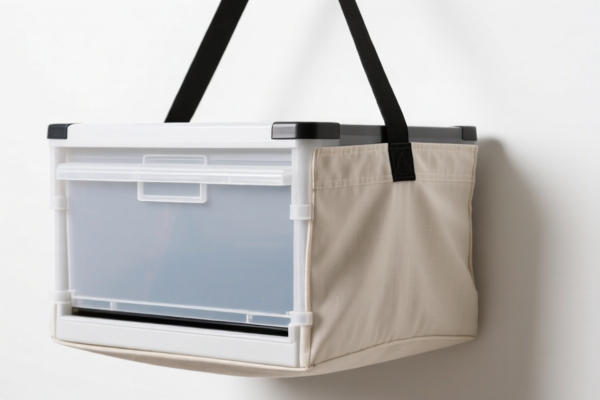
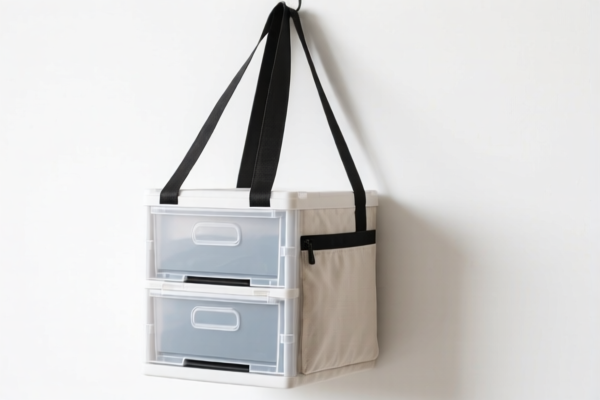

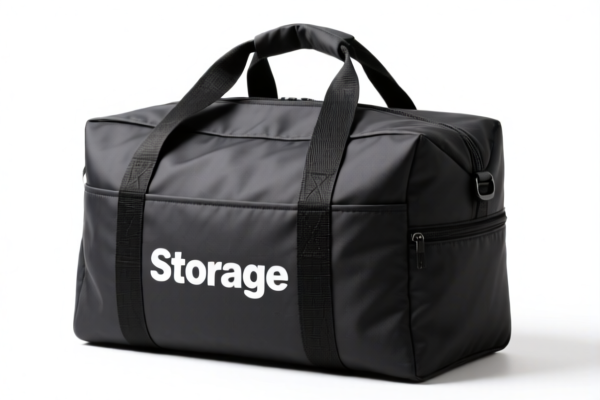
AI Analysis
🚪 Door Hanging Storage Bag (Hooks for Hanging Articles)
🌐 HS Code Reference & Clearance Guide | 2026 Tariff Breakdown | Professional Logistics Strategy
📌 I. Product Definition & Classification: What Exactly is a "Door Hanging Storage Bag"?
The Door Hanging Storage Bag is a multi-functional home organization solution used to store shoes, toiletries, cleaning supplies, toys, or accessories in bathrooms, kitchens, closets, or dormitories.
In international trade, classification depends heavily on material composition and design intent:
- Textile-Based (FABRIC): Made of polyester, canvas, cotton, or non-woven fabric. These are usually classified as "Other made up textile articles."
- Plastic-Based (PVC/TPU): Made of waterproof plastic sheets or woven plastic. These are often classified under "Other articles of plastics."
- Functional vs. Furniture: They are NOT furniture (not 9403), nor are they simple hangers (not 6217 or 9606), unless they have specialized locking mechanisms.
⚠️ Critical Distinction:
- If the product is primarily textile (fabric pockets + zipper) → Go to Chapter 63 (Textile articles).
- If the product is primarily plastic (rigid plastic, PVC, woven plastic) → Go to Chapter 39 (Plastics).
- If it includes wooden/hard plastic hooks as the primary feature → It might be 9606 or 9403 (rare for soft bags).
📦 II. HS Code Classification Breakdown (2026 Tariff Authority)
| HS Code | Product Description | Material | Usage Scenario |
|---|---|---|---|
6307.90.9880 |
Other made up textile articles (Most Common) | Fabric (Poly/Cotton/Non-woven) | Foldable fabric organizers, shoe pockets, bathroom caddies. |
6307.90.9888 |
Other textile articles (Misc) | Fabric with non-woven lining | Premium fabric bags with custom branding. |
3924.90.00.90 |
Tableware and household articles of plastics | PVC, TPU, PE, PP Plastic | Waterproof, hard-shell, or woven plastic hanging organizers. |
9606.29.00.90 |
Other buttons and fasteners (If applicable) | Plastic hooks only | Rare: If sold as "plastic hooks for hanging" separate from the bag. |
6307.10.00.90 |
Cleaning cloths (If misclassified) | Cloth only | Avoid: Do not use this for storage bags; incorrect classification. |
🔍 Key Reminder:
-6307.90.9880is the "workhorse" code for 90% of fabric door bags.
-3924.90.00.90applies strictly if the material is plastic (look for the "crinkle" sound or waterproof sheen).
- Do not classify as "Hangers" (6217.90) unless the bag is sold only as a hook without the storage pouch.
💰 III. 2026 Latest Tariff Rate Breakdown (USA Market Focus)
✅ Destination: United States (US)
✅ Origin: China (CN)
✅ Effective Date: Post-Nov 10, 2025 (Includes all subsequent imports)
🎯 1. 6307.90.9880 — Textile Door Hanging Bags (Fabric)
| Item | Content |
|---|---|
| Base Duty Rate | 25% (Standard MFN rate for textile articles) |
| Section 301 (USITC) Add-on | +25% (List 3 & List 4A items often include textile organizers) |
| IEEPA (China Specific) | +10% (Specific to Chinese origin textile articles) |
| Total Effective Duty | 60% |
| Tax Calculation | CIF Value × 60% |
| De Minimis Exemption | ❌ NO (Textiles are strictly excluded from Section 321 de minimis for high-risk goods) |
| Legal Path | IEEPA:9903.01.25 → USITC:6307.90.9880 → FOOTNOTE:9903.88.01 |
📌 Explanation:
- Textiles are high-risk for US tariffs. Even "simple" fabric bags attract the 301 Section 25% surcharge.
- The IEEPA 10% adds a punitive layer for Chinese manufacturing.
- Total 60% is extremely high, significantly impacting profit margins for dropshipping or bulk exports.
🎯 2. 3924.90.00.90 — Plastic Door Hanging Bags (PVC/Plastic)
| Item | Content |
|---|---|
| Base Duty Rate | 5.3% (Low base rate for household plastics) |
| Section 301 (USITC) Add-on | +25% (Plastic household goods often subject to 301) |
| IEEPA (China Specific) | +10% |
| Total Effective Duty | ~40.3% |
| Tax Calculation | CIF Value × 40.3% |
| De Minimis Exemption | ❌ NO |
| Legal Path | IEEPA:9903.01.25 → USITC:3924.90.00.90 → FOOTNOTE:9903.88.01 |
📌 Comparison:
- Plastic bags are ~20% cheaper in duty than fabric bags (40.3% vs 60%).
- Strategy: If you can switch from Polyester to Recycled Plastic (PVC/TPU), you save ~20% in taxes.
🛠️ IV. Customs Clearance Practical Advice (Pitfall Avoidance)
✅ 1. Required Documentation Checklist
| Document | Mandatory? | Why? |
|---|---|---|
| ✅ Detailed Product Spec Sheet | ✔️ | Must state: Material % (e.g., 100% Polyester vs. PVC), Dimensions, Zipper Type. |
| ✅ Material Declaration | ✔️ | Critical! "Textile" vs. "Plastic" changes the HS Code and Duty by 20%. |
| ✅ Commercial Invoice | ✔️ | Must clearly describe: "Hanging Storage Bag, Material: [X], For Home Organization." |
| ✅ Packing List | ✔️ | Show packaging type (if packed with hangers, ensure they aren't separated). |
| ✅ FSC/Environmental Cert | ✔️ | If claiming "Eco-friendly," need proof. Otherwise, irrelevant for duty but good for marketing. |
✅ 2. Declaration Strategy (The "Golden Rules")
🔥 Mnemonic: "Material First, Don't Split, Don't Lie!"
| Scenario | Correct Declaration | ❌ Fatal Mistake |
|---|---|---|
| Polyester Fabric Bag | 6307.90.9880 |
Calling it "Plastic Organizer" → Fraud/Seizure risk. |
| Waterproof PVC Bag | 3924.90.00.90 |
Calling it "Textile" → Underpayment of duty (Seizure). |
| Bag + Hooks Sold Together | Declare as "Storage Bag" | Splitting "Bag" + "Hooks" → Higher total duty (Hooks = higher rate). |
| "Vacuum Storage Bag" | 6307.90.9880 (Textile) or 3924 (Plastic) |
Confusing with "Vacuum Cleaners" (8508) → Major classification error. |
✅ 3. Special Scenarios
| Situation | Handling Suggestion |
|---|---|
| OEM Custom Bags (Branded) | Ensure the brand name on the invoice matches the trademark registration to avoid "Counterfeit" flags. |
| Bundles (Bag + Hook + Shelf) | De minimis Risk: If < $800 value (Section 321), check if the entire bundle is eligible. Often, textile bundles are excluded. |
| "Eco-Friendly" Claims | If marketing as "Biodegradable," ensure the material is actually biodegradable (e.g., Tencel vs. PLA Plastic). False claims = FDA/USDA issues. |
🌍 V. Global Market Comparison (2026)
| Region | Recommended HS Code | Est. Duty (China Origin) | Key Certs | Notes |
|---|---|---|---|---|
| 🇺🇸 USA | 6307.90.9880 (Fabric) |
60% | None (High Tax) | Highest cost; avoid if possible. |
| 🇺🇸 USA | 3924.90.00.90 (Plastic) |
40.3% | None | Better option for plastic bags. |
| 🇪🇺 EU | 6307.90.99 |
4.7% | CE + REACH | Much cheaper; anti-dumping not active for simple bags. |
| 🇨🇦 Canada | 6307.90.99 |
0% (If < $2000) | None | Free Trade with USMCA (if assembled elsewhere). |
| 🇦🇺 Australia | 6307.90.99 |
5% | AS/NZS | Low duty, simple clearance. |
📌 Conclusion:
- USA is the "Tax Trap": 60% duty on fabric bags can kill margins.
- EU/Canada are Friendly: Duty is under 5% or 0%.
- Strategy: If targeting the US, consider shipping from Vietnam or Mexico (if assembled there) to avoid Section 301/IEEPA.
📌 VI. Common Mistakes & Blood-Test Lessons
❌ Mistake 1: Mislabeling Plastic as Fabric
👉 Consequence: Under-declared duty → Customs Audit + 200% Penalty.
Fix: Be explicit: "PVC Material" in the description.
❌ Mistake 2: Calling it a "Hanger" (Code 6217)
👉 Consequence: Hangers often have different quota rules. If classified as a hanger, it might face antidumping duties.
Fix: Always classify as "Storage Bag" (6307 or 3924).
❌ Mistake 3: Ignoring the "Hook"
👉 Consequence: If the hook is a separate part (plastic/rubber), and you don't declare it, the bag might be treated as incomplete.
Fix: Declare as "Storage Bag with Integrated Hook."
🎯 VII. Final Verdict: Professional Clearance Strategy
🎯 Key Takeaway:
🔹 "Fabric = 60% Tax" (USA)
🔹 "Plastic = 40% Tax" (USA)
🔹 "Textile = NO De Minimis" (USA)
Pro Tip:
If you are a DTC brand or Amazon seller targeting the US market:
1. Switch to Plastic (PVC/TPU): Saves ~20% duty.
2. Third-Party Logistics (3PL): Use Vietnam/Mexico fulfillment to bypass Chinese origin duties.
3. Pre-Classification Ruling: For large shipments ($100k+), file for a CBP Binding Ruling to lock in the code and avoid surprise audits.
📣 Action Required:
📞 Contact a Customs Broker to verify the exact HTSUS 10-digit code based on your specific fabric weight (GSM) or plastic thickness.
🚀 Optimize your supply chain to avoid the "China Tax Wall."
✨ Precision Classification = Profit Protection!
💼 Every percent of duty saved is pure margin added.
Customer Reviews
About HS Code Classification
The Harmonized System (HS) is an internationally standardized nomenclature developed by the World Customs Organization (WCO) to classify traded products. Over 200 countries use the HS system as the basis for customs tariffs, trade statistics, and import/export regulations.
Each HS code follows a hierarchical structure:
- Chapter (2 digits) — Broad category of goods (e.g., Chapter 84: Machinery and Mechanical Appliances)
- Heading (4 digits) — More specific grouping within the chapter
- Subheading (6 digits) — Internationally standardized breakdown, used by all WCO member countries
- National subdivisions (8-10 digits) — Country-specific extensions for further classification, such as US HTSUS 10-digit codes
Correct HS code classification is essential for smooth customs clearance, accurate duty payment, and compliance with trade regulations. Misclassification can lead to customs delays, overpayment of duties, or penalties.
When importing from CN to US, the applicable tariff rates may include:
- Most-Favored-Nation (MFN) rate — The standard duty rate applied to WTO members
- General rate — Applied to countries without trade agreements
- Trade remedy duties — Additional tariffs such as Section 301 (anti-dumping), Section 232 (national security), or countervailing duties
The information provided on this page is for reference purposes only. For official classification, please consult with your local customs authority or a licensed customs broker.